Is Colored Twine Safe for Plants? What You Need to Know
Founder & Lead Horticulturist at Gardener Expert · RHS Master of Horticulture, Certified Professional Horticulturist (CPH) · 16+ years in residential organic gardening, plant propagation, and structural plant training
Is coloured twine safe for plants? The honest answer is that it depends on the base fibre, the dye chemistry, and whether the plant you're growing is ever going to be eaten. Get those factors wrong and you could be releasing harmful compounds into your soil without knowing it.
As of 2026, many commercially sold coloured twines carry synthetic dyes fixed with mordants like copper sulfate. The EPA classifies copper sulfate as phytotoxic at concentrations above 100 to 150 mg/kg in soil. A couple of practical checks will tell you whether your twine is safe before it goes anywhere near a plant.
The Short Answer: Coloured Twine Isn't Automatically Dangerous, But It's Not Always Safe Either
Coloured twine is safe for ornamental plants in most cases. For edible crops, the answer depends on dye type and base material. Undyed natural twine is always the safest choice.
Twine certified to OEKO-TEX Standard 100 is the safest coloured option for food gardens. Synthetic twine and uncertified dyed twine should stay away from edible crops.
What's Actually in Coloured Twine: Dyes, Mordants, and Base Materials
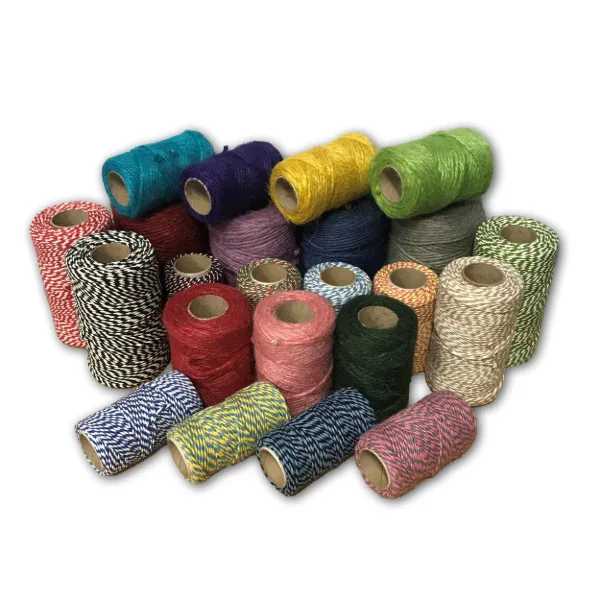
The colour in garden twine comes from one of two dye families. Natural botanical dyes are derived from plants, insects, or minerals. Synthetic dyes are manufactured from petrochemical compounds.
That distinction matters enormously once the twine is sitting in damp garden soil.
Most synthetic dyes bind to fibre using a mordant, a fixative chemical that locks the colour in place. The mordant is often the real problem, not the pigment itself.
Here's how common mordants compare in terms of soil risk:
| Mordant | Risk to Plants and Soil |
|---|---|
| Alum (potassium aluminium sulfate) | Low risk at typical concentrations |
| Iron | Can raise soil acidity, stresses some root crops |
| Copper sulfate | Phytotoxic above 100 to 150 mg/kg in soil |
| Chrome | Restricted under EU REACH due to toxicity |
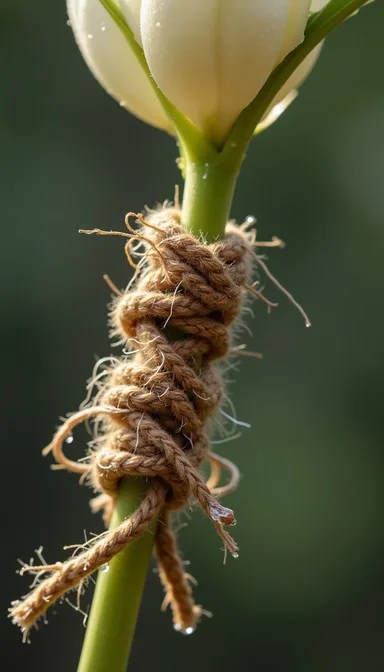
The base fibre adds another layer. Natural fibres like jute, cotton, and hemp biodegrade in soil. Any mordant residue they carry gets released gradually into the ground over one or two growing seasons.
Synthetic fibres like polypropylene don't biodegrade. They fragment into microplastics as they break down under UV light, creating a separate long-term soil problem.
Dye classification matters too. Reactive dyes and direct dyes are the most common synthetic options in commercial twine. Both require mordants to fix properly.
Natural botanical dyes, fixed with lower-risk mordants like alum, carry a much better soil safety profile.
If the packaging doesn't clearly state the dye process, treat the twine as potentially unsafe for edible crops. A proven choice for vegetable beds is undyed or certified natural twine.
The Decision That Changes Everything: Edible Crop or Ornamental Plant?
The first question to ask is direct: will anything growing near this plant end up in your kitchen? That single answer splits the decision into two very different paths.
For ornamental plants (roses, clematis, dahlias, sweet peas):
- Most coloured natural twines are acceptable, provided the dye process isn't heavily synthetic.
- Dye leaching into soil matters less when nothing from that bed is being consumed.
- Synthetic twine works for structural support but won't biodegrade. Remove it at season's end to prevent microplastic fragmentation.
For edible plants (tomatoes, beans, cucumbers, herbs, fruit trees):
- Dyes and mordants leach into moist soil. Plant roots absorb what's in the soil around them.
- Copper sulfate is particularly problematic. It accumulates over successive seasons and has documented phytotoxic effects on leafy crops and root vegetables at elevated concentrations.
- Use only undyed natural fibre twine, or twine certified to OEKO-TEX Standard 100. That certification sets binding limits on heavy metals and prohibits the 22-plus banned azo dye compounds under EU regulations.
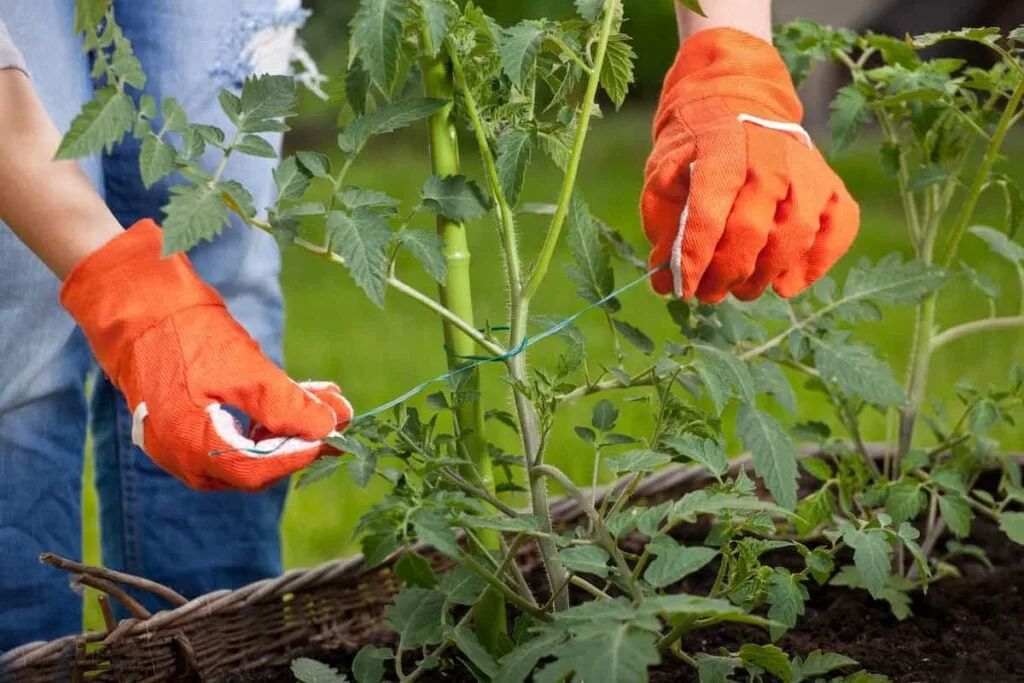
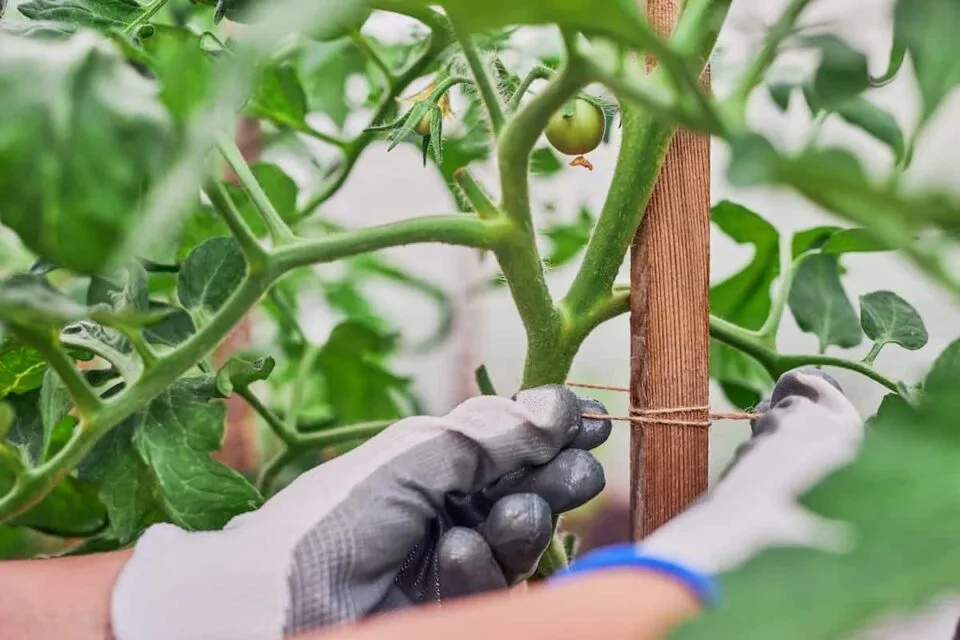
One more thing to consider: twine tied directly to a stem carries higher risk than twine used only for overhead support. If wet dye bleeds onto a stem or fruit, that residue sits right on the part you're going to eat.
For edible gardens, hemp works well as a plant tie. It's strong, biodegrades cleanly, and is easy to find undyed.
How to Check If Your Coloured Twine Is Safe Before It Goes Near a Plant
Read the Label and Look for Certifications
Check the packaging for two key certifications. OEKO-TEX Standard 100 means the twine has been independently tested for harmful substances, including restricted synthetic dyes, heavy metal residues from mordants, and banned azo compounds.
GOTS (Global Organic Textile Standard) covers the full production chain from raw fibre through to finished product. A GOTS-certified twine is a reliable pick for edible gardens and organic growing setups.
If neither certification appears, look for label language like "natural dyes," "food-safe," or "undyed." Without one of those signals, treat the twine as unsuitable for edible crops and switch to a certified natural alternative instead.
The Wet Bleed Test Any Gardener Can Do at Home
This test takes two minutes. Cut a short length of twine. Submerge it in warm water for 60 seconds, then press it firmly against a piece of white kitchen paper.
If strong colour transfers to the paper, the dye isn't properly fixed. That means it'll bleed into your soil every time it rains or you water the bed. Don't use it near edible plants.
If little or no colour transfers, the dye is reasonably well fixed. That's a good sign, though certification remains the more reliable check.
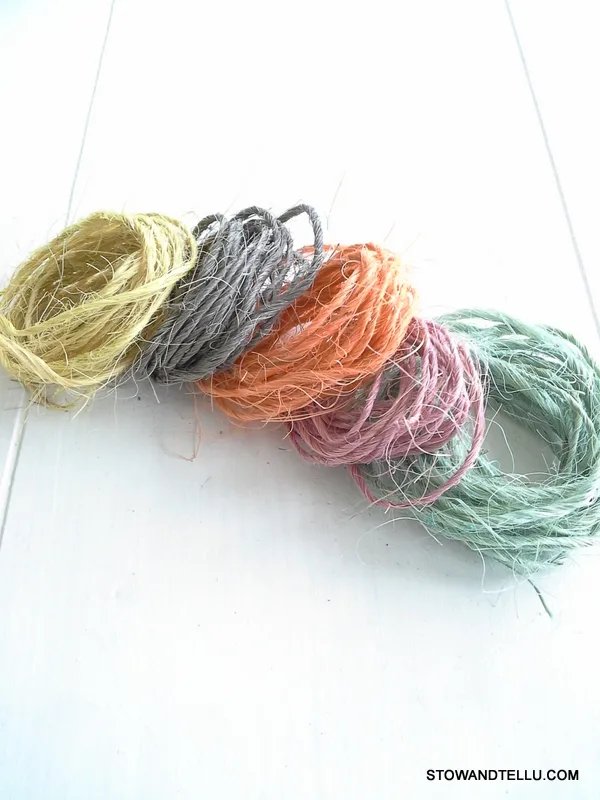
Safer Swaps When Your Twine Doesn't Pass the Test
If your coloured twine fails the bleed test, carries no certification, or is made from synthetic fibre, here are the best alternatives.
| Twine / Tie Type | Biodegradable | Safe for Edibles | Strength |
|---|---|---|---|
| Undyed jute | Yes (1-2 years) | Yes | Medium |
| Undyed cotton | Yes (1-5 months) | Yes | Light-medium |
| Undyed hemp | Yes (2-3 months) | Yes | Medium-high |
| OEKO-TEX certified coloured natural | Yes | Yes | Varies |
| Soft silicone / rubber ties | No | Yes (no soil contact) | Adjustable |
| Polypropylene (synthetic) | No | Not recommended | High |
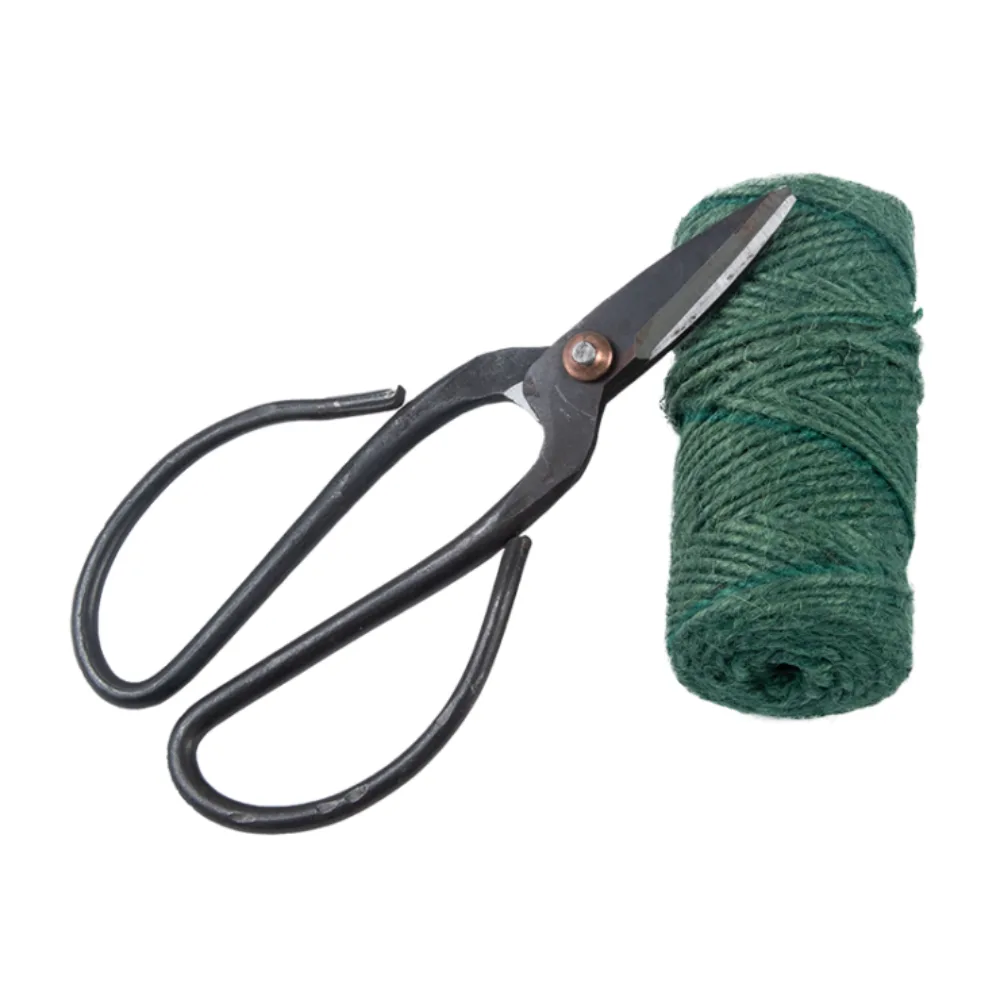
Undyed jute is the most accessible starting point. Jute holds well through a full growing season and breaks down in soil without leaving harmful residue. It suits most garden tying jobs without trouble.
For heavier crops like indeterminate tomatoes or climbing squash, a heavier-ply natural twine is worth having. Lighter twine can snap under fruit weight mid-season.
Non-twine alternatives remove the leaching risk entirely. Silicone ties, Velcro plant strips, and soft rubber rings don't contact soil at all. They're reusable, which makes them cost-effective over multiple growing seasons.
Paper-coated wire twist ties work short-term but rust and don't decompose cleanly.
Growers working to certified organic standards should know that the USDA National Organic Program sets specific requirements for materials in crop production. Uncertified synthetic or chemically-dyed twine won't qualify.
Mistakes Gardeners Make With Coloured Twine (And How to Avoid Them)
The most common mistake is assuming the word "natural" on the label means the dye is safe. Many jute and cotton twines are natural fibres dyed with fully synthetic reactive dyes. The fibre is natural.
The dye chemistry often isn't.
Four mistakes that come up regularly:
- Trusting colour as a safety signal. Brown or green twine looks natural. It tells you nothing about the dye or mordant used.
- Using uncertified twine on edible crops repeatedly. Mordant residues build up in soil over successive seasons. One season may not cause visible harm. Three or four seasons in the same bed is where the risk compounds.
- Leaving old twine in the ground over winter. Natural fibre twine breaks down as soil stays wet. Whatever dye chemistry it carries gets released into the surrounding ground.
- Composting uncertified dyed twine. If the dye isn't certified as safe, that twine transfers residues into your compost and onto your beds the following season.
One less obvious mistake: people reuse synthetic polypropylene twine season after season because it doesn't visibly degrade. UV exposure causes it to fragment and shed microplastics into the soil over time. For edible beds, avoiding it altogether is the cleaner call.
Worth knowing about UK and US labelling: there's no mandatory requirement for garden twine manufacturers to disclose dye chemistry on packaging. OEKO-TEX and GOTS certifications are voluntary. The absence of a certification doesn't prove the twine is dangerous.
But it does mean there's no independent verification that it's safe.
Frequently Asked Questions
Is jute twine safe for vegetable gardens?
Yes, undyed jute twine is safe for vegetable gardens. It biodegrades in soil over one to two years without leaving harmful residue. If you're using coloured jute, check for OEKO-TEX Standard 100 certification.
Uncertified dyed jute may carry synthetic mordants that leach into soil around edible crops.
Can dyed twine harm tomato plants?
It can, depending on the dye and mordant used. Synthetic dyes fixed with copper sulfate mordants can leach into moist soil and get absorbed through root systems. Visible harm is more likely with repeated use in the same bed.
Undyed or certified natural twine is the safer choice around tomatoes.
What is the safest twine to use around food plants?
Undyed natural fibre twine is the safest option for edible gardens. Jute, cotton, and hemp are all solid choices when sold undyed. If you want a coloured twine, look for OEKO-TEX Standard 100 certification on the packaging.
That's the clearest independent confirmation that harmful substance limits have been tested and met.
Is it safe to compost coloured garden twine?
Only if the twine is certified or confirmed to use food-safe dyes. Uncertified dyed twine can transfer mordant residues and restricted dye compounds into your compost, which then move onto your beds. Plain undyed jute or cotton is safe to compost without concern.
Does leaving twine in soil all season cause problems?
It can, particularly with dyed twine on edible beds. Natural fibre twine breaks down as it gets wet, releasing whatever dye chemistry it carries into the surrounding soil. Synthetic twine doesn't biodegrade but sheds microplastics over time.
Removing all twine at the end of the season is the cleaner practice.
Similar Posts