Jute Garden Twine: Best Uses for Tying Plants
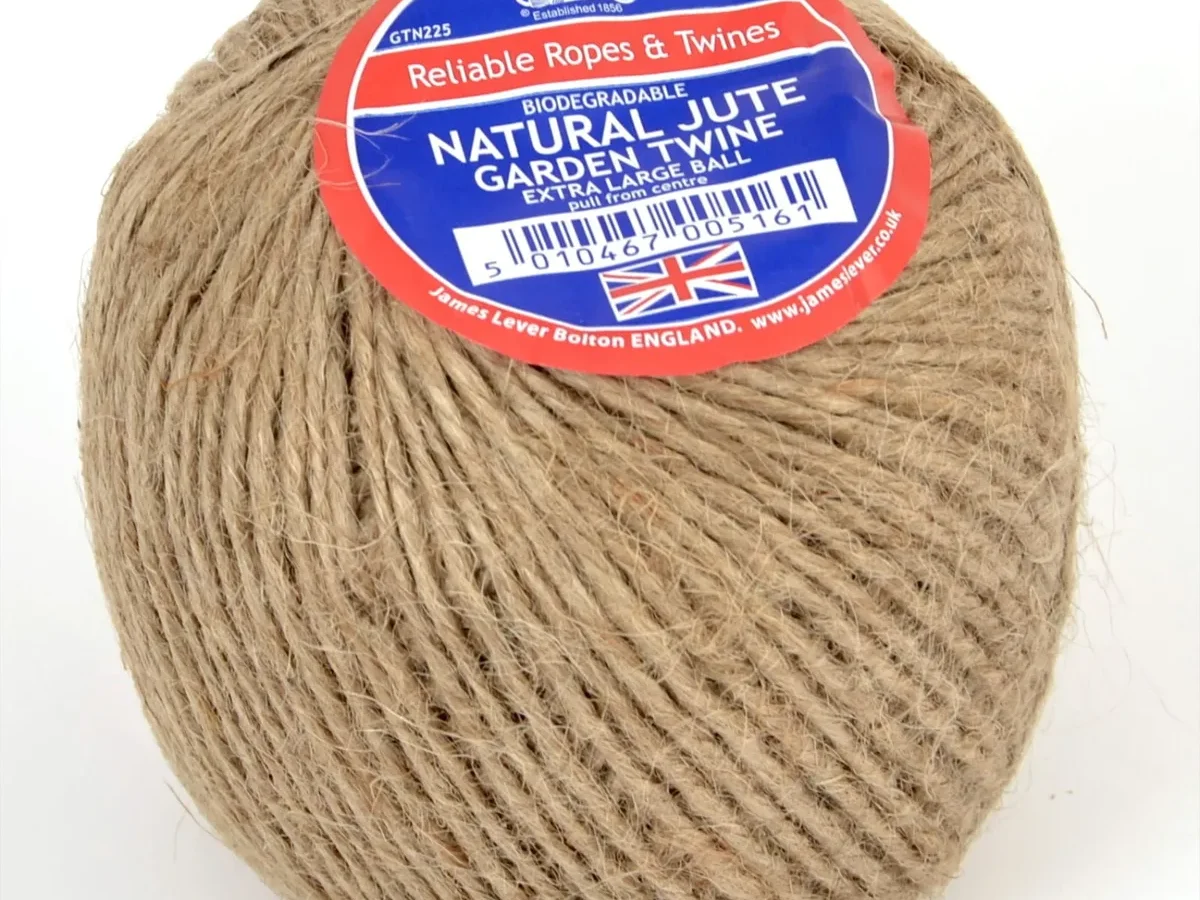
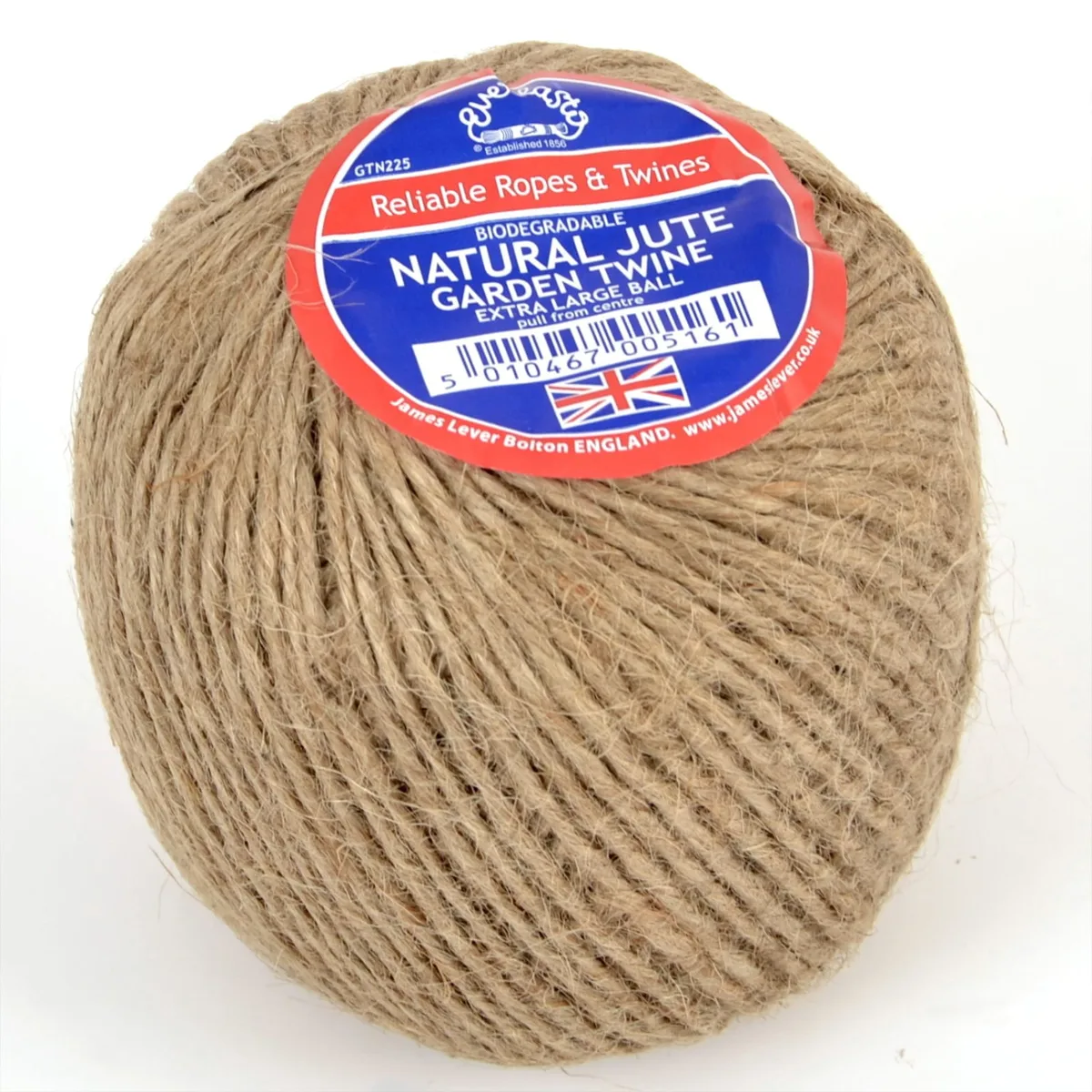
Most gardeners grab whatever string is nearest when a tomato starts to lean. That's how you end up with stems cut by wire, synthetic fibers baked into your compost, or a vine that snaps loose three weeks before harvest. Jute garden twine for plants is one of the most practical natural tying options available, and for good reason.
Knowing exactly when it performs well, and when it doesn't, saves both your plants and your money.
Jute fiber comes almost entirely from Bangladesh and West Bengal, India, twisted into cords ranging from 1mm single-ply thread to 6mm thick rope. It biodegrades in soil within one to two years, which is why organic growers trust it and composters can add it straight to the pile with the plant debris. The differences between jute types, and how it compares to alternatives, matter more than most gardeners expect before they buy.
Quick Answer
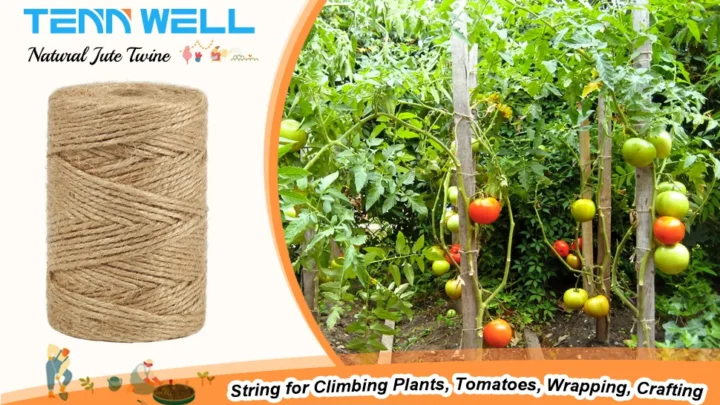
Jute garden twine is a natural, biodegradable plant tie. It's safe for edible crops and organic-certified gardens. Use 3-ply for most vegetables, flowers, and climbing plants.
Use 6-ply for heavy fruiting vines or structural support. Untreated jute composts fully with plant debris each season.
Why the Right Garden Twine Makes or Breaks Your Plants
A plant tie has one job: support the stem without harming it. When it fails at either part, the consequences show up fast.
Stem girdling is the most common and costly mistake. It happens when a tie is too tight, too rigid, or left in place too long as the stem grows. The tie constricts water and nutrient flow, and the plant collapses from the top down.
Aggregate gardener feedback consistently cites girdling as one of the leading preventable causes of mid-season crop failure.
UV degradation is the second failure mode. Polypropylene and other synthetic twines look robust on the shelf but lose tensile strength after weeks of direct sun exposure. They snap under the weight of a maturing crop at exactly the wrong time.
Getting the material, thickness, and tying method right upfront prevents both problems entirely.
What Jute Garden Twine Actually Is (and What Makes It Different)
Jute is a natural bast fiber extracted from the stalks of Corchorus olitorius and Corchorus capsularis. Both are annual crops grown almost exclusively in Bangladesh and West Bengal, India. Together, those two regions account for roughly 95% of global jute production.
The fibers are stripped from harvested stalks through a water-retting process, then dried and twisted into thread or rope. The finished product has a natural tan to golden-brown color and a lightly textured surface that grips knots well.
What separates jute from other plant tie materials is the balance of strength, biodegradability, and cost. It's not the strongest natural fiber, and it's not the softest. But it lands in a practical middle ground for the majority of garden tasks.
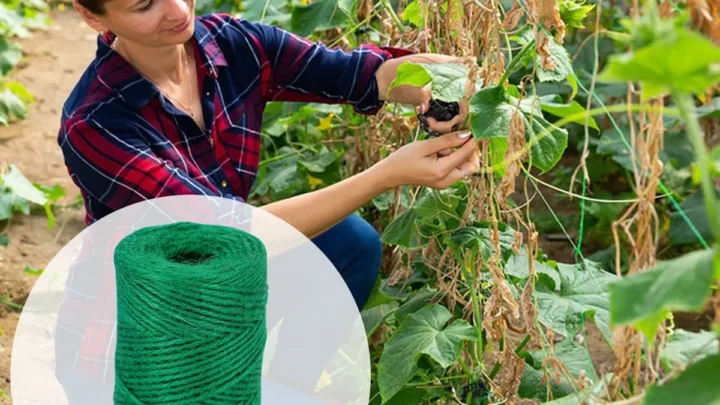
The USDA National Organic Program permits natural plant fibers like jute in certified organic operations, provided they're untreated and free from prohibited substances. That approval makes unbleached, untreated jute compatible with virtually every growing context, including food gardens where synthetic contact is a concern.
Jute also absorbs roughly 23, 30% of its own weight in moisture. In wet climates, that absorption speeds up its breakdown. In dry climates, the same roll lasts noticeably longer.
Types of Jute Twine: Ply Count, Twist, and Finish Explained
Not all jute twine is the same product. The ply count, twist style, and surface finish each change how it performs in real garden conditions.
Single-Ply vs. 3-Ply vs. 6-Ply: What the Difference Means in Practice
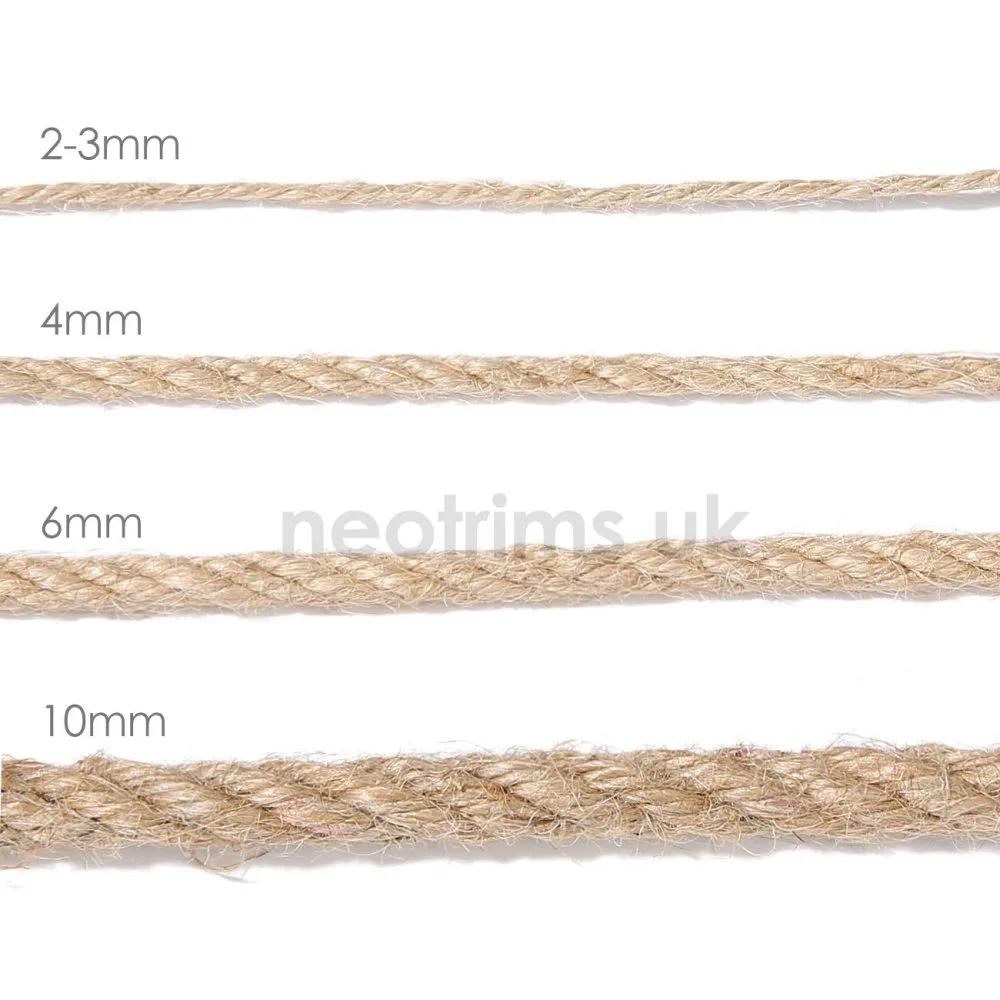
Ply refers to the number of individual fiber strands twisted together into a single cord. More plies means a larger diameter, higher breaking strength, and better resistance to snapping under load.
| Ply Count | Approx. Diameter | Typical Breaking Strength | Best For |
|---|---|---|---|
| 1-ply | ~1mm | 15–20 lbs | Seedlings, light annuals, bundling herbs |
| 3-ply | ~2–3mm | 45–60 lbs | Tomatoes, peas, beans, roses on canes |
| 6-ply | ~4–5mm | 90+ lbs | Heavy fruiting vines, espalier, tree staking |
For most home gardeners, 3-ply covers the majority of jobs. It handles a loaded tomato truss without snapping and is gentle enough for most vegetable and flower stems.
Single-ply works for delicate tasks: seedling ties, bundling fresh herbs, or training new soft growth. Six-ply steps in for structural support, such as tying a heavy vine to a pergola post or training a fruit tree in an espalier system.
Soft-Spun vs. Hard-Twisted: Which Finish Is Safer for Stems
Soft-spun jute has a looser, more flexible structure. It wraps around stems easily and distributes pressure over a wider contact area, reducing bruising on tender growth. For vegetable garden work, this is the better choice.
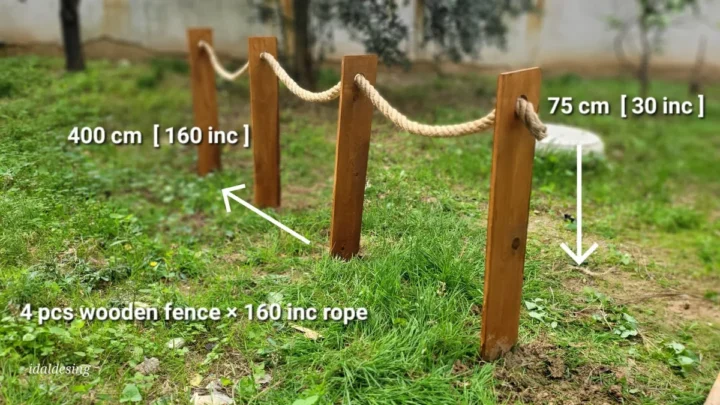
Hard-twisted jute is stiffer and holds its shape under tension. It suits horizontal training lines on a trellis or tying to rigid supports where the twine needs to stay taut. Against soft stems, it can cause surface abrasion over time.
Treated vs. Untreated Jute: What to Know Before Buying
Some jute twine is treated with linseed oil to improve water resistance and lifespan. This is generally acceptable for organic use, but confirm with your certifying body before using it on edible crops.
Bleached jute has been whitened using chemical agents. Avoid it in food gardens entirely. For any growing situation involving soil contact or edible crops, unbleached and untreated jute is the right call.
Jute vs. Sisal, Hemp, Cotton, and Coir: How the Natural Twines Stack Up
Committing to natural fiber still means choosing between five different materials. Each performs differently in the garden.

| Material | Strength | Stem Friendliness | Biodegrades in Soil | Water Resistance | Cost |
|---|---|---|---|---|---|
| Jute | Medium | Good | 1–2 years | Low | Low |
| Sisal | High | Fair (rough texture) | 2–3 years | Medium | Low–Medium |
| Hemp | Very High | Good | 2–5 years | Medium | High |
| Cotton | Low–Medium | Excellent | 1–5 months | Very Low | Medium–High |
| Coir | Medium | Fair (rough texture) | 3–10 years | High | Medium |
Sisal is stronger than jute and more durable in damp conditions, but its rough surface makes it unsuitable for soft-stemmed plants. It suits bundling woody prunings or tying to wire frames.
Hemp is the premium natural option. It outperforms jute in strength, longevity, and moisture resistance. As of 2026, hemp twine typically costs two to three times more than comparable jute.
For multi-season structural use, that premium is earned. For single-season vegetable growing, jute is the better value.
Cotton is the most stem-friendly natural fiber and won't abrade soft growth at all. The problem is durability. Cotton breaks down very quickly, sometimes within a single wet growing season.
It also stretches when damp, loosening ties that were snug in spring.
Coir (coconut fiber) handles moisture far better than jute and takes much longer to break down in soil. That's an advantage in consistently damp or tropical growing conditions. Its coarse texture makes it a poor choice for direct contact with soft stems.
The RHS recommends soft natural twines over wire or rigid synthetic ties for most garden staking tasks, citing the girdling and abrasion risks that harder materials carry. Jute fits that recommendation well and remains the most cost-effective natural option for general garden tying.
Jute vs. Synthetic Plant Ties: When Natural Actually Wins
Synthetic ties aren't inherently inferior. But each one carries tradeoffs that matter depending on how you garden.
Wire Twist Ties
Wire ties are fast, precise, and reusable. They work well for quick positioning of canes or rose stems on a frame. The problem is rigidity.
A wire tie doesn't expand as the stem grows, so a tie that fits in spring can girdle the same stem by midsummer. This is especially damaging on fast-growing crops where stem diameter changes quickly.
Jute, tied correctly with a loose figure-eight, avoids that risk entirely. It also composts at season's end, so there's nothing to remove, sort, or store.
Velcro and Rubber Plant Ties
Soft velcro and rubber ties are plant-safe and adjustable. You can loosen and re-secure them as the plant grows without retying from scratch.
The downside is cleanup at scale. On a garden with dozens of plants, tracking down and removing every synthetic tie takes real time. Jute composts with the plant material and skips that step entirely.
Polypropylene Twine
Polypropylene is cheap, strong, and widely available. It's UV-stabilised better than jute in the short term. But it doesn't biodegrade, it fragments into microplastics as it weathers in soil, and it can't be composted.
For any gardener managing long-term soil health, that's a clear disqualifier. Jute wins outright wherever organic compatibility, compost-safe cleanup, or reduced plastic input is a priority. For more on growing practices that protect your soil, the garden care guides at Gardener Expert cover a wide range of related topics.
Side-by-Side Comparison: Jute Twine vs. the Main Alternatives
Every growing situation has a best-fit material. Use this table to match your context to the right choice quickly.
| Your Situation | Best Choice | Why |
|---|---|---|
| Single-season vegetables, compost at end | 3-ply jute | Biodegrades with plant, low cost |
| Heavy perennial climbers, multi-year support | Hemp (6-ply) | Stronger, longer-lasting |
| Delicate seedlings or soft new growth | 1-ply jute or cotton | Gentlest on stems |
| Damp or coastal growing conditions | Coir or sisal | Resists moisture rot better |
| Reusable ties for high-value plants | Velcro plant ties | Adjustable, no girdling risk |
| Bulk buying for large vegetable plots | Jute (bulk roll) | Best value per metre |
Jute wins most single-season scenarios on cost, compostability, and availability. The alternatives earn their place when growing conditions or plant weight push past what jute handles reliably.
Choosing the Right Ply for Your Plants: A Practical Strength Guide
Matching ply to plant weight is the single most important buying decision. Here's how the numbers map to real plants.
Light-duty (1-ply or 2-ply): lettuce, annual herbs, young seedlings, sweet peas before they start climbing.
Medium-duty (3-ply): tomatoes (especially indeterminate varieties), runner beans, cucumbers, standard roses on canes, clematis on a trellis, dahlias, delphiniums.
Heavy-duty (6-ply or above): mature grape vines, wisteria, large climbing roses on pergola wires, cordon apple trees, squash vines on vertical frames.
A useful rule: if you'd expect the plant to snap a pencil-thick stick under its full-season weight, move up one ply from your first instinct. Verified buyer feedback shows under-plying is the more common error, and the plant makes it obvious when you've got it wrong.
What Jute Garden Twine Is Best For — and Where It Falls Short
Strong use cases:
- Staking and training annual vegetables through a single growing season
- Supporting tall flowering plants like dahlias, sunflowers, and delphiniums
- Training soft-stemmed climbers to canes, wires, or trellis panels
- Bundling harvested herbs, cut flowers, or dried plant material
- Any garden where compost-safe cleanup at season's end is a priority
Genuine limitations:
- Permanently installed trellis lines that need to hold for multiple seasons
- High-humidity or consistently wet environments where jute rots prematurely
- Very heavy structural loads that call for hemp or thick sisal instead
- Situations where constant UV exposure will degrade the twine before the crop matures
Jute covers the vast majority of home garden tying tasks without compromise. For anything beyond that, either a stronger natural fiber or a purpose-built reusable tie is the better call.
How to Tie Plants with Jute Twine Without Causing Stem Damage
The most important principle in plant tying isn't the knot itself. It's the space between the stem and the support.
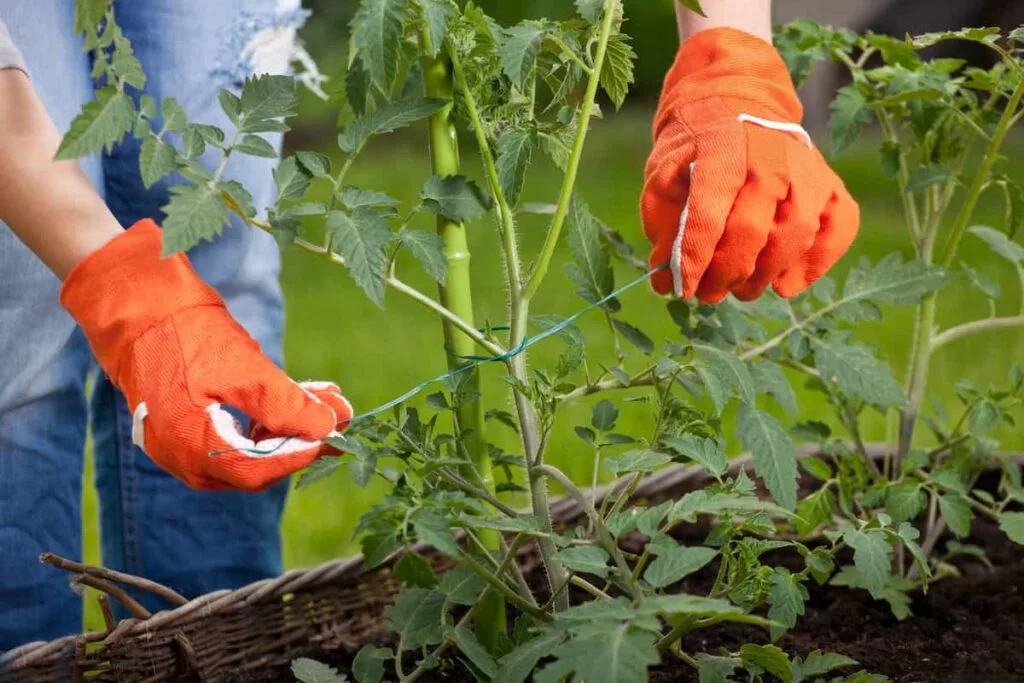
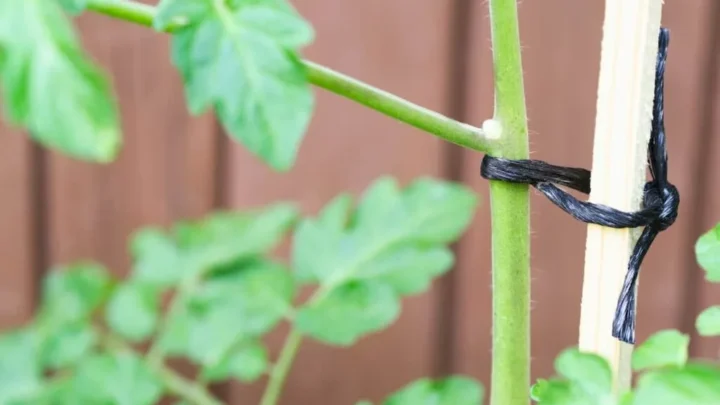
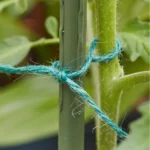
Use the figure-eight method for most staking tasks. Loop the twine around the stem, cross it in the middle, then wrap the second end around the cane or stake. The crossed section sits between the stem and the support, keeping them separated.
This prevents abrasion and removes the pressure point that causes girdling.
Follow these steps:
- Cut roughly 30cm (12 inches) of twine for most standard ties.
- Loop one end loosely around the plant stem.
- Cross the twine in front of the stem to form the figure-eight shape.
- Wrap the other end around the stake or cane.
- Knot securely on the stake side, not against the stem.
- Check that the stem can move slightly inside the loop before walking away.
Re-check ties every two to three weeks during fast growth periods. A tie that fits well in May can become dangerously tight by late June as the stem expands.
Common Mistakes That Hurt Plants (and How to Avoid Them)
Tying too tight. Jute has very little stretch when dry. A snug tie in spring becomes a restrictive one by midsummer. Always leave visible slack between the twine and the stem when you first apply it.
Using single-ply on heavy crops. Single-ply jute snaps under a loaded tomato truss or a fruiting cucumber vine. Check the ply count before buying. The plant won't give you a warning before it collapses.
Leaving ties unchecked all season. Even a well-placed tie can girdle a fast-growing stem if it's never revisited. A quick inspection every two to three weeks through the growing season prevents most avoidable damage.
Storing jute in damp conditions. Jute weakens when stored wet before it's ever used. Keep unused rolls in a dry location, away from greenhouse humidity or outdoor condensation between growing seasons.
Using bleached or dyed twine near food crops. Chemical treatments in decorative jute can leach into soil over time. For edible growing, natural unbleached twine is the only safe choice.
Is Jute Twine Safe for Organic and Edible Gardens?
Yes, but the label matters as much as the material. Some twines sold as jute garden twine contain added dyes, bleaching agents, or preservative coatings that can leach into soil, particularly in raised beds with good moisture retention.
Look for products clearly labeled "natural," "unbleached," and "untreated." For extra certainty, check whether the product carries an OMRI (Organic Materials Review Institute) listing, which confirms compliance with USDA National Organic Program standards.
Linseed-oiled jute is generally considered acceptable for organic use. If you're growing commercially under a certified organic label, confirm approval with your specific certifying body first.
Jute Twine Specs, Roll Sizes, and Pricing: What to Expect
Standard jute garden twine is most commonly sold in 50m, 100m, and 200m balls or rolls. Larger 500m spools suit market gardeners and high-volume growers. Manufacturer specs confirm that 3-ply at roughly 2mm diameter is the most widely stocked format across garden centers and online retailers.
Pricing typically runs $3, $6 for a 100m ball of standard 3-ply jute. Bulk rolls of 200m or more drop the per-metre cost noticeably. Organic-certified and extra-soft variants sit at the higher end of that range.
Expert Tips for Getting More Out of Every Roll
Dampen the twine before tying. Wetting jute slightly before use increases pliability and makes it far easier to form clean figure-eight knots. Dry jute can spring back or split at the twist when pulled tight.
Pre-cut lengths before heading out. Cutting 25, 30cm strips in advance and keeping them in a pocket saves time and prevents tangling when working across many plants at pace.
Use a twine dispenser. A simple ball-holder mounted near the potting bench, or clipped to a belt, feeds twine cleanly without knotting. It also keeps the roll off damp ground, which extends its usable life between sessions.
Frequently Asked Questions
How long does jute twine last outdoors before breaking down?
Most 3-ply jute holds up reliably for one full growing season under normal conditions. In consistently wet climates it may weaken by late summer. In dry climates, the same twine stored correctly between uses can last well into a second season.
Can jute twine go straight into the compost bin?
Yes. Untreated, unbleached jute composts fully without leaving residue. Add it directly with the plant debris at the end of the season.
Bleached or chemically treated jute should go into general waste rather than compost.
Does jute twine attract slugs or develop mold?
Jute can hold moisture and develop surface mold in dense, poorly ventilated plantings, but this rarely affects the plant. Slugs show no particular preference for jute over other materials. Good airflow around supported stems reduces any mold risk.
What is the difference between jute twine and jute rope?
Twine is lightly twisted, thin, and flexible (typically 1mm, 4mm in diameter) and designed for tying. Rope is thicker, tightly twisted, and built for structural or load-bearing use. For plant support, you want twine.
Rope is too stiff and coarse for most stem contact.
The Verdict: When Jute Is the Right Call and When It Isn't
For single-season vegetables, flower support, and any garden where compost-safe cleanup matters, jute is the practical default. It's affordable, widely available, organic-compatible, and reliable across the majority of everyday garden tying tasks.
Choose hemp when multi-season durability is the priority. Use cotton when stem softness matters most and the growing season is short. Reach for velcro or rubber ties when adjustability counts more than compostability.
Jute doesn't try to cover every situation. That focus is exactly what makes it so dependable for the situations it does.

Similar Posts





[…] It absorbs moisture, becomes slippery when wet, and degrades faster than either alternative. Jute cordage and sisal serve plant support and lighter garden tasks […]
[…] tying, jute twine is the standard choice. It grips bamboo reliably, won't cut into plant stems, and breaks down […]
[…] starting point. It's softer and more pliable, ideal for tight coil work on curved surfaces. Jute used for plant support and jute used for decor share the same warm golden-tan tone that photographs well in coastal […]
[…] most common mistake is reaching for thin jute twine for a pergola job. Jute is perfect for light plant tying, but it breaks down fast outdoors. On a […]
[…] nitrogen-rich green materials at roughly a 3:1 green-to-bamboo ratio. If you tie your plants with compostable jute twine, both canes and twine can go into the pile together at season's […]
[…] move will cut into it as the stem thickens. Use a loose figure-of-eight knot between stem and cane. Jute twine is soft enough to avoid bark damage while holding position reliably through the […]
[…] Golden-brown jute is the most affordable and accessible choice. It knots easily, has a warm natural tone, and suits seasonal decoration well. The drawback is longevity. […]
[…] most home gardeners, this widely used natural fibre at 2-3mm gauge is the right starting point. It's strong enough for tomatoes and beans and […]
[…] kitchen garden setups on timber posts, seasonal training twine covers most annual plant support jobs. If you grow a wider variety of crops, choosing twine by crop […]
[…] Jute rope and sisal absorb moisture readily and rot within two to five years in typical UK conditions. Even heavy-duty jute cord struggles with persistent damp, making it better suited to post wrapping than structural balustrade work. […]
[…] you're tying up plants with jute during a dry spell, the problems may not surface immediately. But once regular rain arrives, […]