How to Tie Tomato Plants With Twine (Without Damage)
If you've ever walked out to find a tomato stem snapped under the weight of a heavy crop, you already know why knowing how to tie tomato plants with twine matters so much. A mature indeterminate plant can carry 15 or more pounds of fruit over a season. Without support, that weight bends the main stem, snaps branches, and sends fruit crashing to the soil where rot finds it quickly.
According to University of Florida IFAS Extension guidance on vegetable crop training, properly supported tomato plants show better fruit set and fewer losses to stem breakage and disease. Getting the technique right, from material choice to knot placement, makes the difference between a productive harvest and a garden full of collapsed plants by midsummer.
Quick Answer
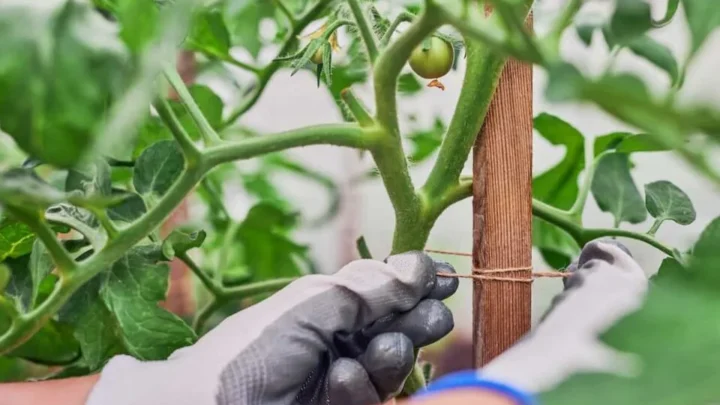
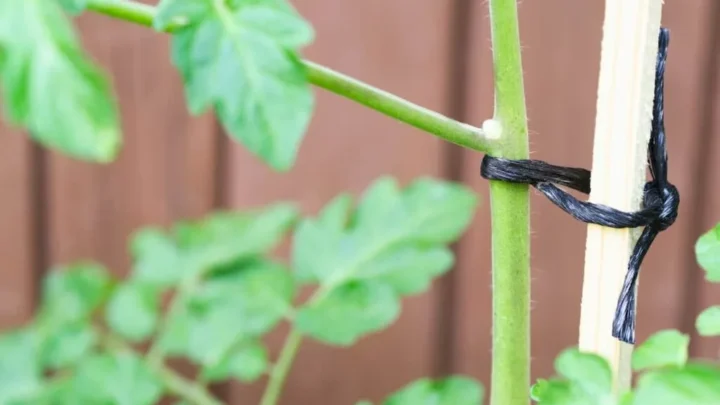
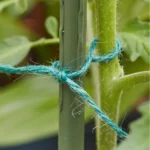
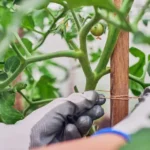
Tie tomato plants with twine by looping soft string loosely around the stem. Leave about two finger-widths of slack around the stem. Bring both ends to the stake and tie the knot there.
Repeat this tie every 6 to 10 inches of new growth.
Why Tomato Plants Fall Over (and What It Actually Costs You)
An indeterminate tomato plant grows all season without stopping. It can reach 5 to 7 feet tall and produce 15 to 20 pounds of fruit before the first frost. Without support, that weight bends the main stem, snaps lateral branches, and drops fruit to the soil where slugs, rot, and fungal disease find it fast.
There's also a disease angle. Plants growing in a tangled, unsupported heap block airflow through the canopy. That creates the warm, damp conditions that early blight, late blight, and grey mold thrive in.
Keeping plants upright and open lets air move freely between branches and cuts fungal pressure significantly.
Harvesting is harder too. Fruit hides deep in the leaf canopy, gets bruised by flopping branches, and is difficult to check for ripeness. A properly tied plant keeps fruit visible, accessible, and off the ground.
Determinate varieties (compact, bush-type tomatoes) are less demanding since they stop growing after setting a fixed crop. Indeterminate types, as of 2026 still the most popular choice for home gardens, need regular tying all season to stay manageable and productive.
The Right Twine and Stakes for the Job
The twine you choose matters more than most people expect. A rough, stiff, or non-stretch string can slice right into a soft tomato stem under fruit weight. What you want is something soft with a little natural give.
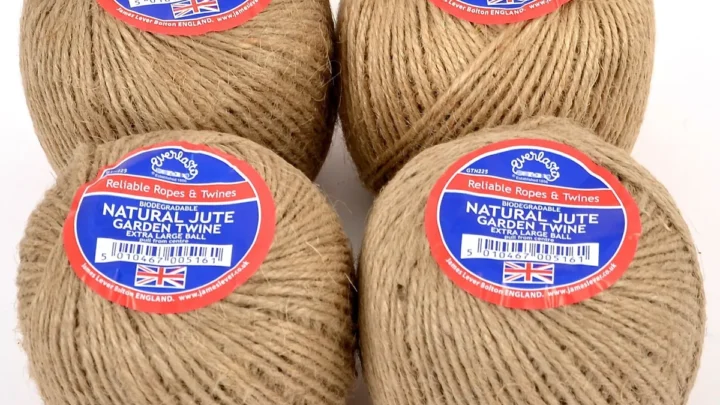
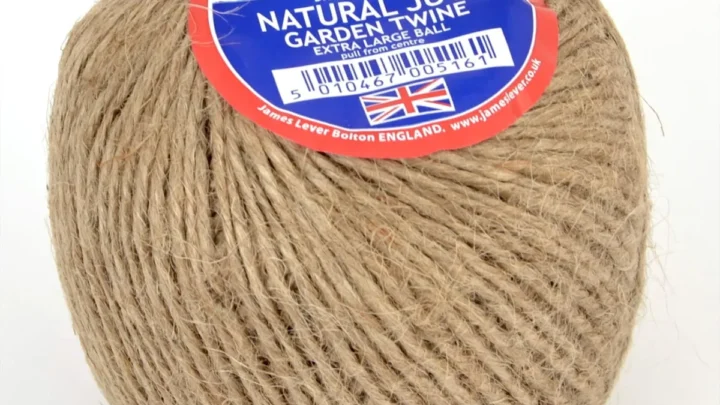
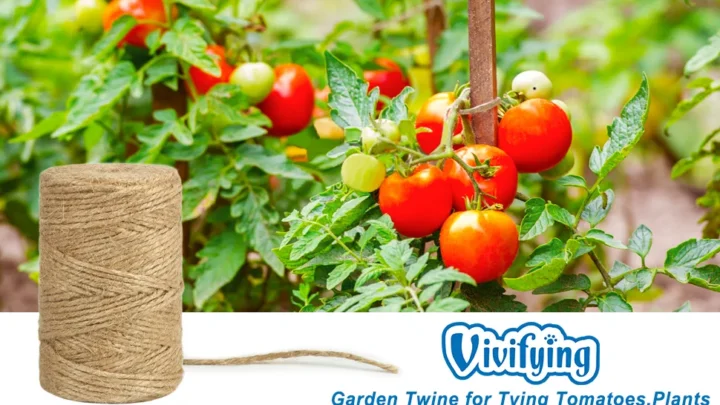
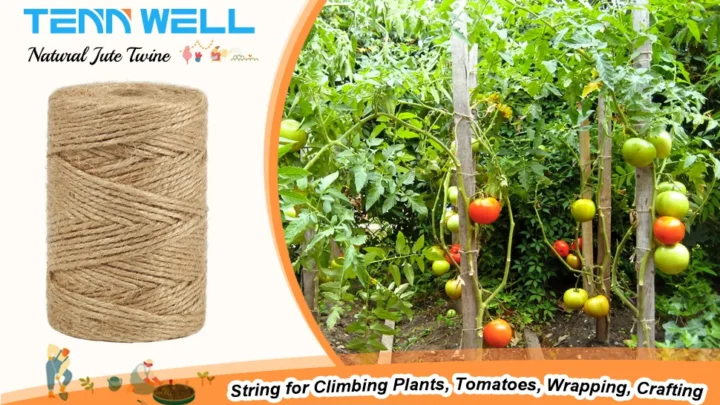
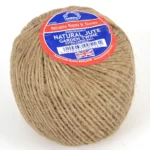
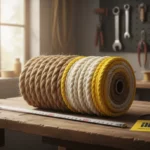
The most popular choice for home gardeners is soft-textured jute. It's affordable, biodegradable, and gives slightly as a stem expands rather than cutting in. For longer growing seasons or wetter climates, a higher-strength option like hemp offers better UV resistance and durability.
If you're supporting other crops in the same garden, the same natural-fiber options work well across most vegetable beds. Natural fibers break down cleanly at season's end, so you can compost them alongside spent plant material. Avoid polypropylene or nylon twine in direct contact with stems.
Stakes need to match the plant's eventual height. For indeterminate tomatoes, plan on stakes at least 5 to 6 feet above soil level. Bamboo works well for single plants.
Wooden stakes or metal T-posts suit longer rows better.
| Twine Type | Softness | Biodegradable | Best Use |
|---|---|---|---|
| Jute | High | Yes | Single plants, home gardens |
| Hemp | Medium | Yes | Long seasons, wet climates |
| Sisal | Medium | Yes | Florida weave rows |
| Polypropylene | Low | No | Commercial use only |
How to Tie Tomato Plants: Two Methods That Work
The method you use depends on your setup. Single plants on individual stakes call for one technique. Rows of plants between posts need another.
Both use the same soft twine but work very differently.
The Figure-8 Tie (Single-Plant Staking)
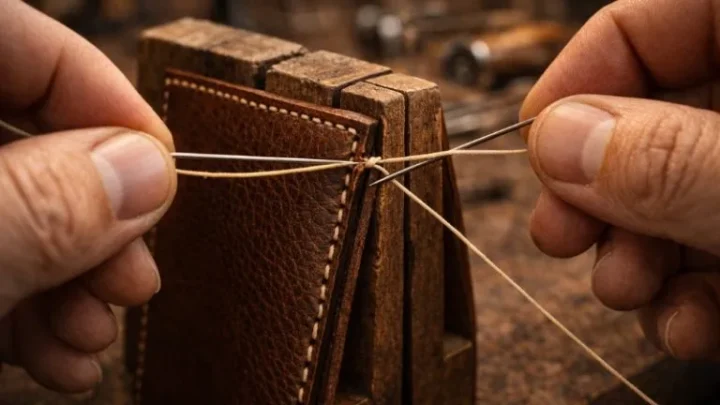
This is the standard technique for tying one plant to one stake. The twine forms a figure-8 shape between the stem and the stake, which keeps the stem from rubbing directly against the wood during wind.
- Cut a 10 to 12-inch piece of twine.
- Loop it loosely around the stem once.
- Cross the ends into an X shape between the stem and the stake.
- Wrap both ends around the stake.
- Tie a firm knot on the stake side, not against the stem.
- Slide two fingers between the twine and the stem to check the slack.
The crossing in the middle acts as a buffer. Without it, wind pushes the stem directly against the stake repeatedly, causing abrasion damage and creating entry points for disease.
The Florida Weave (Row Planting)
The Florida weave (also called the basket weave) runs one continuous length of twine back and forth along a row. Tension from both sides holds each plant upright without individual ties at every stem.
- Tie the twine to one end post at the desired height.
- Run it in front of the first plant, then behind the second.
- Alternate front and back along the full row.
- Wrap twice around each post to lock the tension.
- Tie off securely at the far end post.
- Add a new weave layer every 8 to 10 inches of new growth.
This method is faster than staking individually and scales easily to any row length.
When to Start Tying and How Often to Retie as Plants Grow
Start tying when the plant reaches 10 to 14 inches tall. If it's already leaning before that, tie it immediately. A stem that stays bent for even a few days develops a stress point that weakens it when heavy fruit sets later in the season.
After the first tie, check plants at least once a week during the main growing season. Indeterminate tomatoes can add 2 to 4 inches of height per week in warm weather. A tie that's perfect on Monday can be cutting into the stem by Saturday.
Add a new tie every 6 to 10 inches of new vertical growth. A plant that reaches 6 feet tall needs 8 to 12 ties over the season. Each one takes under a minute.
Even with twine built for heavier use, inspect the lower ties mid-season. Some lighter jute blends begin to degrade after 8 to 10 weeks of direct sun, right when the plant is at its heaviest.
Tying Mistakes That Girdle Stems or Let Plants Collapse
Tying too tight is the single most damaging mistake. When twine squeezes the stem, water and nutrients can't move freely to the upper plant and fruit. The symptom looks like wilting even when the soil is moist, and by the time most gardeners notice, the damage is already done.
Using the wrong material runs a close second. Wire, zip ties, and non-stretch synthetic cord all cut into soft tomato tissue under load. Even one windy night can drive a tight wire tie deep into a growing stem.
Use soft, natural-fiber twine every time.
Tying at the wrong spot on the stem is also common. Avoid placing ties directly at a node (where a branch or leaf attaches) or within an inch of the growing tip. Both are actively developing tissue that compresses easily.
Tie mid-internode, in the open space between growth points.
Failing to retie regularly is the last big mistake. Two ties placed in early summer do almost nothing for a plant that's now five feet tall and loaded with ripe fruit. Add ties consistently throughout the season, not just at the start.
If you're growing a high-yielding indeterminate variety, choosing twine with extra tensile strength pays off over a long season of sustained weight and growth.
Twine vs. Clips vs. Cages: When Twine Is the Better Call
Twine isn't the only support option available. Tomato clips (small plastic clips that pinch the stem to a stake or wire) are popular with greenhouse growers running high-wire systems. They're faster to apply than knots and easy to reposition, but they cost more per plant and don't biodegrade at season's end.
Wire tomato cages are the default for many home gardeners. They work reasonably well for compact determinate varieties, but they're often too short and too flimsy for indeterminate types. A standard 3-foot cage struggles to hold up a plant that's topped 5 feet and fruiting heavily.
Velcro plant ties are reusable and gentle on stems. They're a solid choice for a small raised bed where you want to reuse your ties year after year. For larger plantings or long rows, the per-plant cost adds up quickly.
Twine is the most practical choice when you're growing more than a few plants, especially in rows where the Florida weave eliminates individual tying altogether. It's cheap, biodegradable, and needs nothing beyond stakes and posts to work.
| Method | Cost per Plant | Reusable | Best For |
|---|---|---|---|
| Garden twine | Very low | No (natural fiber) | Rows, all plant types |
| Tomato clips | Low to medium | Yes | High-wire, greenhouse |
| Wire cage | Medium | Yes | Compact, determinate types |
| Velcro ties | Low to medium | Yes | Small beds, raised beds |
Frequently Asked Questions
What type of twine is best for tomato plants?
Soft, natural-fiber twines like jute or hemp are the best options. They're gentle on stems, have a little natural give, and biodegrade at season's end so you can compost them with spent plant material. Avoid anything stiff, abrasive, or non-stretch.
How loose should a tomato plant tie be?
Loose enough that two fingers slide easily between the twine and the stem. The stem grows thicker throughout the season, so a tie that feels right in June can become a girdling problem by August. Check every tie at least once a week.
Can I use zip ties to support tomato plants?
Zip ties work as a short-term fix but aren't a good long-term option. They don't stretch, which means they can cut into a growing stem within days. If you use one in a pinch, replace it with soft natural-fiber twine as soon as possible.
How often should I add new ties as the plant grows?
Add a new tie every 6 to 10 inches of new vertical growth. During peak summer conditions that can mean once every 7 to 10 days for fast-growing indeterminate varieties. Building a weekly check into your garden routine is the easiest way to stay ahead of it.
Do determinate tomatoes need tying?
Determinate varieties are more compact and stop growing once they set their full crop, so they need less support than indeterminate types. They still benefit from at least one or two ties during heavy fruiting, especially if you're growing them on a stake rather than in a cage.

Similar Posts