How to Tie Sweet Peas With Twine (Step-by-Step)
Founder & Lead Horticulturist at Gardener Expert · RHS Master of Horticulture, Certified Professional Horticulturist (CPH) · 16+ years in residential organic gardening, plant propagation, and structural plant training
Most gardeners discover how to tie sweet peas with twine correctly only after their first plant collapses in a summer storm. The tying method matters more than most people expect. Get it right and you'll have long, straight stems built for cutting.
Get it wrong and the twine itself becomes the thing damaging the plant it was meant to protect.
Sweet peas grow fast at peak season, which means missed tying sessions catch up quickly. The National Sweet Pea Society recommends checking and tying plants every 10-14 days from early summer. That rhythm is what separates a tidy, productive plant from a tangled one.
Quick Answer
To tie sweet peas with twine, loop soft jute twine around the stem first. Cross it in a figure-eight between the stem and your cane. Tie it off at the support, leaving a finger-width gap.
The figure-eight stops the cane rubbing directly against the stem. Retie every 10-14 days through the growing season.
Why Tying Sweet Peas Correctly Makes All the Difference
Sweet peas (Lathyrus odoratus) are vigorous climbers, but they can't hold their own weight without support. Their tendrils reach for anything nearby, including neighbouring stems and their own main shoot. Without regular tying, a well-grown plant becomes a knotted mess that's nearly impossible to free without snapping something.
For anyone growing sweet peas as cut flowers, stem length is everything. A plant that sprawls produces short, curved stems. One that's tied to a vertical cane grows straight and tall.
That's the difference between a vase-worthy stem and one that gets left behind.
Wind is the factor most people underestimate. A sweet pea stem that rocks repeatedly in the wind develops wind rock. The constant movement disrupts root establishment and can snap stems at the base.
Good tying eliminates that risk before it starts.
As of 2026, the Royal Horticultural Society recommends tying in sweet peas every 10-14 days during active growth. At peak rate, sweet peas add 2-3cm per day. Miss two weeks and you're managing 20-30cm of unsupported growth that's already curling around whatever it can grip.
A badly placed tie causes a different problem. As the stem swells through the season, a too-tight loop cuts in and restricts the flow of water and nutrients upward. The right knot holds the plant firmly without strangling it.
Choosing the Right Twine and Support Before You Start
Sweet pea stems are softer than most people expect, which means the material you choose for tying matters. Rough or synthetic twine cuts into them as they swell. You need something that grips well, avoids abrasion, and breaks down naturally at season's end.
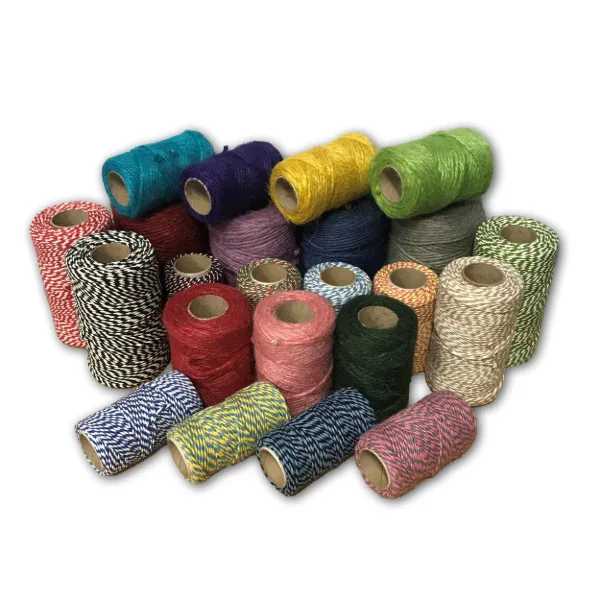
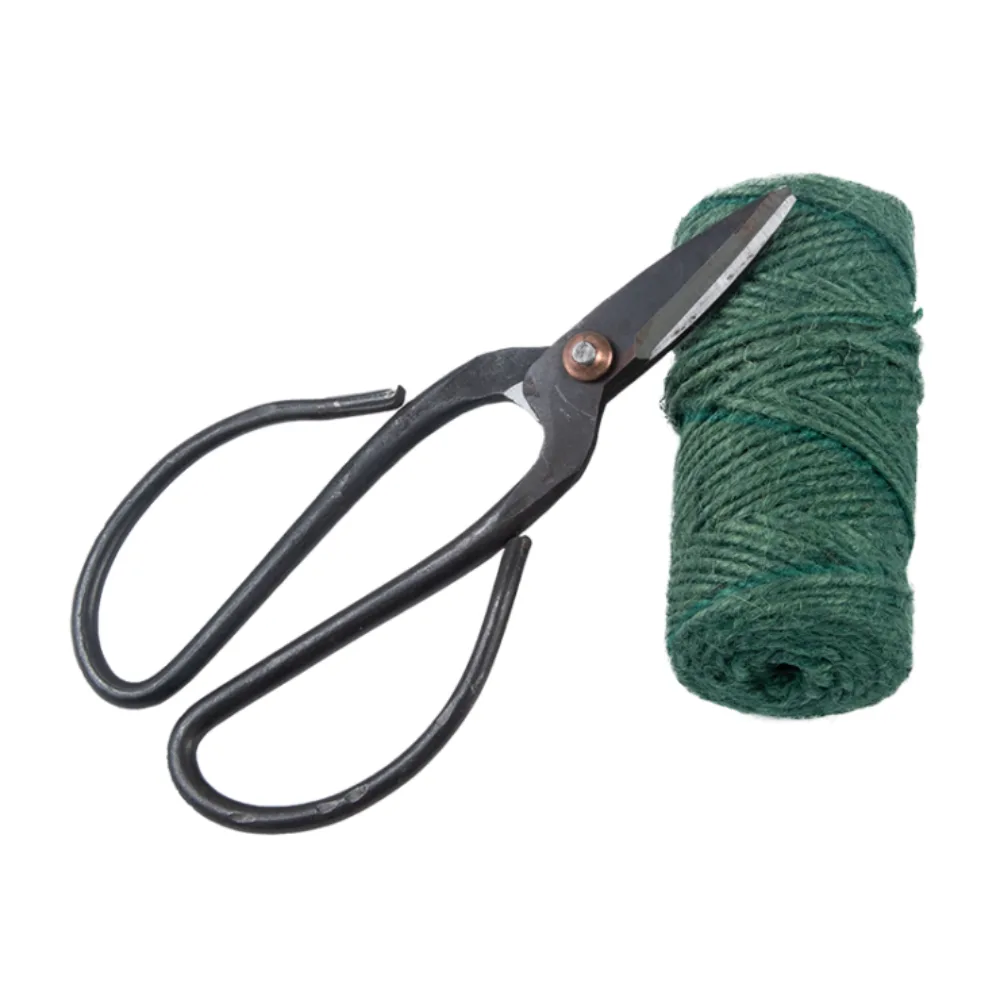
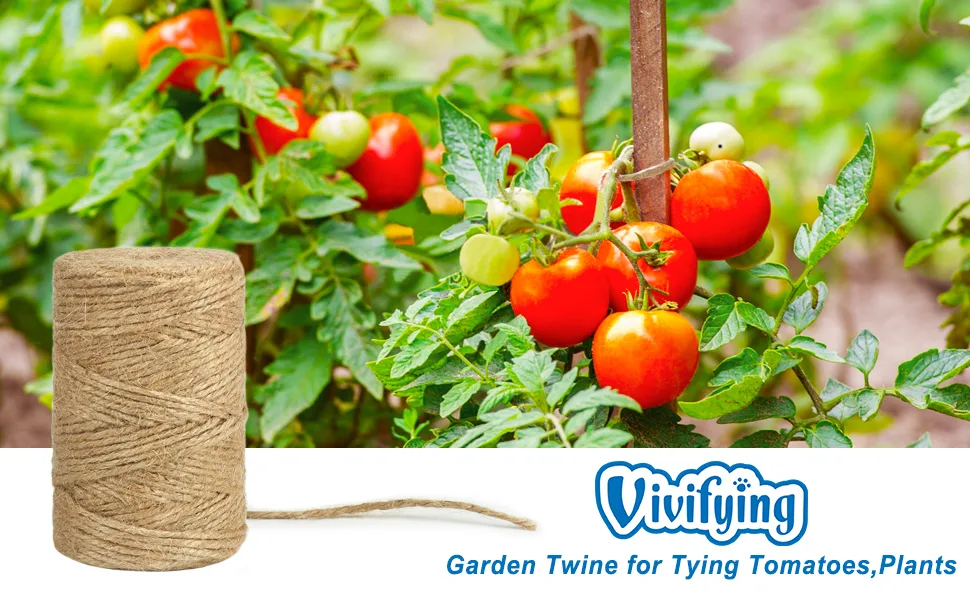
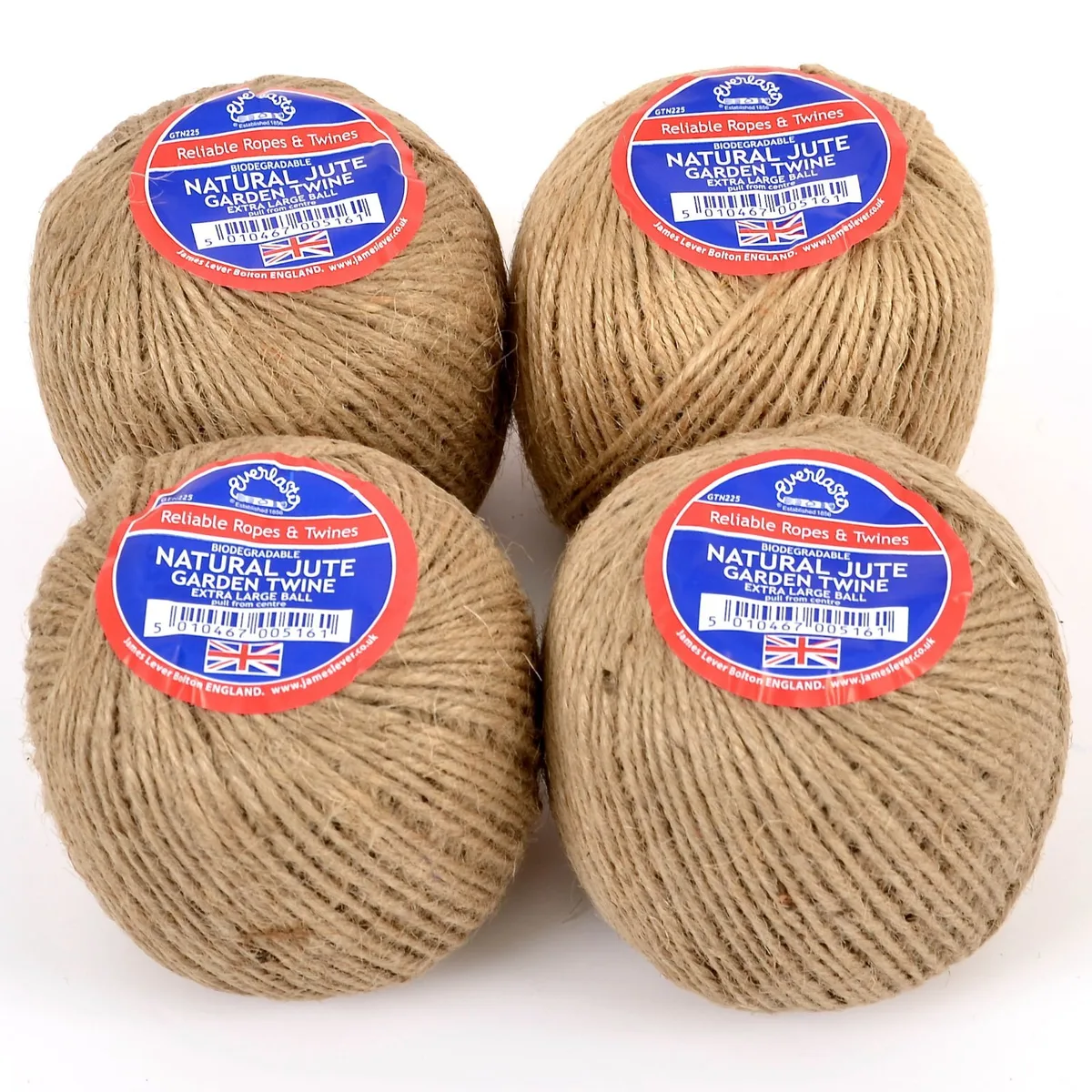
Jute garden twine is the most widely used option. It's soft enough not to damage stems and has enough texture to hold a firm knot. It also composts along with the plant haulm at the end of the season.
A 2-3mm thickness is the standard for sweet pea tying.
Raffia is a good alternative for very young or delicate stems. It's flat and soft, which spreads pressure evenly across the stem. The drawback is that it degrades faster in wet conditions.
| Twine Type | Texture | Biodegradable | Best For |
|---|---|---|---|
| Jute (2-3mm) | Medium | Yes | General tying, all growth stages |
| Raffia | Soft, flat | Yes | Tender young stems |
| Hemp | Medium-firm | Yes | Long season, cordon growing |
| Coated soft wire | Smooth | No | Reusable, heavier supports |
Hemp twine holds up across a full growing season and suits cordon-grown plants that need frequent attention. For most home growers, lightweight natural plant twine covers everything sweet peas need.
For supports, bamboo canes, pea netting, wooden trellis, and wigwam frames all work. The support must be firmly anchored before tying begins. A wobbly cane transfers its movement directly into the stem with every gust.
How to Tie Sweet Peas with Twine: Step by Step

Cut your twine to around 25-30cm before you start. That gives you enough to work with comfortably while keeping the finished tie compact. Keep scissors nearby for trimming loose ends.
Finding the Right Tying Point on the Stem
Always tie just below a leaf node, not mid-internode. The node is the natural junction where the stem is slightly thicker. Ties placed here grip more reliably, are less likely to slip, and distribute pressure more evenly.
Aim to add a tie every 15-20cm of new growth. During a fast growth period, that can mean two or three new tie points on a single stem within a fortnight.
How to Form the Figure-Eight Tie
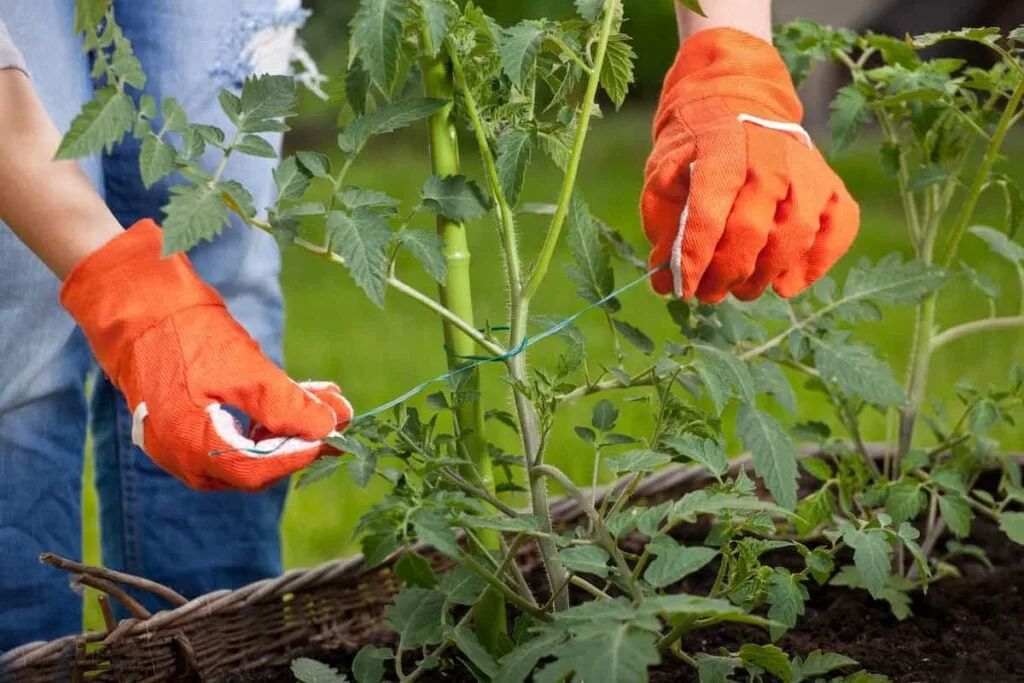
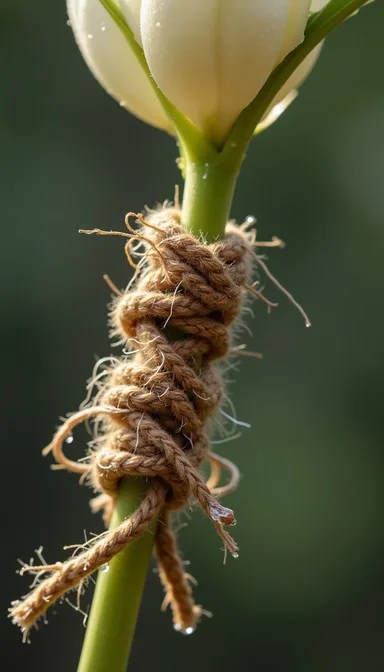
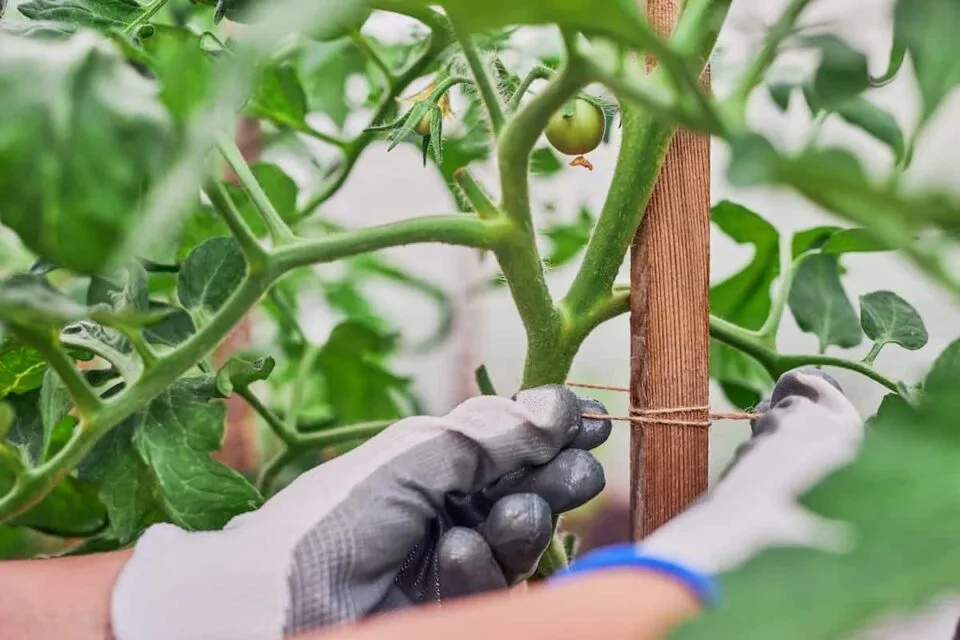
Loop the twine around the stem first. Then cross it over before looping it around the cane. That cross forms the figure-eight shape, with the twist sitting between stem and cane and keeping them physically separated.
Without it, the cane surface rubs against the stem every time the plant moves in the wind. Tie the knot at the cane side, away from the plant. A simple bow or square knot works fine.
Getting the Slack Right
Leave roughly a finger-width of gap between the loop and the stem. That slack allows the stem to expand as it matures. If the tie feels snug when you make it, it will be cutting in by midsummer.
Do a quick rotation test after tying. You should be able to turn the stem slightly within the loop. If it's locked rigid, loosen the tie before moving on.
What to Do with Sweet Pea Tendrils When You're Tying
Sweet pea tendrils are opportunistic. They'll grip the nearest available surface, which is often the wrong one. It might be a neighbouring plant, another stem, or the main shoot itself.
Left unchecked, they create tangles that reduce airflow and make future tying significantly harder.
The first job when tying is to detach any tendrils that have grabbed something they shouldn't. Use your fingers to gently unwrap them. Work slowly.
Tendrils are wiry, and pulling sharply can snap the stem they're anchored to.
For gardeners using the cordon method (single-stem training to maximise stem length), tendril removal is non-negotiable. Every tendril must come off before it grips the main stem or a neighbouring cane. Left alone, it will constrict the stem as both grow.
Bush-grown sweet peas are more forgiving. You don't need to remove every tendril. Focus on any that are pulling a stem in the wrong direction or binding plants together unhelpfully.
Once tendrils are freed, guide the stem gently toward your support before tying. If a stem is pointing firmly away from the cane, don't force it. Tie it loosely and check back in a day or two.
Sweet peas move toward their support naturally once old tendril tension is released.
Tying Mistakes That Damage Stems and Cost You Flowers
Here are the most common errors and how to avoid them.
Tying too tight. This causes more damage than any other mistake. A loop that feels snug in May becomes embedded in the stem by July. Always leave a visible finger-width gap.
If you can't fit a finger between the twine and the stem, it's too tight.
Using the wrong twine. Plastic or nylon twine cuts stems and persists in the soil for years. Coarse household string behaves the same way. Use jute, raffia, or garden-grade plant twine designed for contact with live plants.
Skipping the figure-eight. A simple loop that pulls the stem flush against the cane creates a friction point. Every gust of wind makes it worse. The figure-eight cross keeps stem and cane apart.
Tying mid-internode. Ties placed between nodes have less to grip and slide downward over time. Always tie just below a leaf node.
Waiting too long. Once a stem has wound tightly around a neighbouring plant or cane, guiding it straight without snapping it is very difficult. Tie little and often.
Forgetting to check old ties. The lowest ties were placed when stems were thin. By midsummer, those stems have swelled considerably. Check existing ties at every session.
How Often to Check and Retie Through the Growing Season
Every 10-14 days is the reliable standard for most gardens. During the fastest part of the season, roughly late May through July in the UK, lean toward the shorter end of that range. Growth slows later, and you can ease back from August onward.
A tying session takes five to ten minutes once you're in the habit. Walk the row from the base upward, detach any stray tendrils, and add new ties above the previous highest point. Also check downward.
Ties placed six weeks ago may now be pressing into stems that have swelled since then.
Cordon-grown plants need tying more often than bush types. Single-stem plants push height fast, and a missed session leaves 15-20cm of stem with no support. Bush varieties give you a little more leeway, but still benefit from regular attention in exposed gardens.
By August, the lower third of each plant is usually woody enough to hold itself. Concentrate your effort on the top third, which is still actively extending.
One habit that makes a real difference: combine tying with deadheading at every visit. Handling every stem in a single pass makes it much harder to miss a section. It also keeps the plant flowering for longer.
Frequently Asked Questions
What is the best twine for tying sweet peas?
Soft 2-3mm jute twine is the best choice for most gardeners. It's gentle on stems, holds a firm knot, and biodegrades at season's end. Raffia works well for very young stems.
Avoid plastic or synthetic twine, which persists in the soil and cuts into swelling stems over time.
Can I use regular string from a hardware store?
Check the material first. Many hardware store strings are polypropylene or nylon, which are rough on stems and won't break down in soil. Natural jute or hemp can work if it's undyed and free from chemical treatments.
When in doubt, buy twine specifically labelled for plant use.
When should I start tying sweet peas?
Start tying when plants reach around 10-15cm tall. At that height, the main stem is established but still flexible enough to guide toward a support. Wait until stems are significantly taller and they become less pliable, making them harder to position without risking a snap.
Do sweet peas climb on their own, or do they need tying?
Sweet peas have tendrils that grip surfaces naturally, but those tendrils aren't selective. They grab whatever is closest, including other stems and the main shoot. Regular tying guides the plant to the right support and prevents tangles that reduce airflow and stem quality.
Think of it as directing their natural climbing instinct rather than fighting it.
How do I know if a tie is too tight?
A tie is too tight if you can't slip a finger between the loop and the stem. You should also be able to rotate the stem slightly within the loop. If the stem feels locked, loosen it immediately.
Any visible indentation in the tissue around the twine means it needs redoing with more slack.
Similar Posts