Heavy Duty Jute Garden Twine: Strong, Natural

Most gardeners buy heavy duty jute garden twine based on the label alone, then replace it halfway through the growing season. The phrase "heavy duty" appears on products ranging from flimsy 2-ply string to genuinely load-bearing 6-ply cord, with no regulated standard separating one from the other.
Jute is a natural plant fibre harvested primarily in Bangladesh and India. As of 2026, no universal industry standard governs what tensile strength a twine must achieve before it earns the "heavy duty" label. That gap is entirely fixable once you know which numbers to read.
Quick Answer
Heavy duty jute garden twine is a multi-ply natural fibre cord used to support, tie, and train plants. Look for 3-ply or higher with a minimum diameter of 3mm. Tensile strength should reach at least 40 lbs for fruiting crops.
It biodegrades fully in one to two garden seasons.
Why "Heavy Duty" Jute Twine Is a Misleading Label (And How to Cut Through It)
The term "heavy duty" carries no regulated definition in the garden twine category. Any manufacturer can print it on any roll, regardless of ply count, tensile strength, or fibre quality.
Aggregate reviews of jute twine products consistently report the same frustration. Buyers select the bag labelled "heavy duty," only to find the twine snapping under a mature tomato plant or degrading within a few weeks of outdoor use. This isn't a random quality-control failure.
It's a labelling problem baked into the entire category.
The fix is straightforward. Stop reading the label and start reading the spec. Three numbers tell you everything: ply count, diameter in millimetres, and tensile strength in lbs or kg.
If a product doesn't list those figures on the packaging or product description, treat that as a red flag.
What Actually Makes Jute Twine Heavy Duty: Ply, Diameter, and Twist Density Explained
Three physical characteristics determine whether jute twine will hold up across a full growing season.
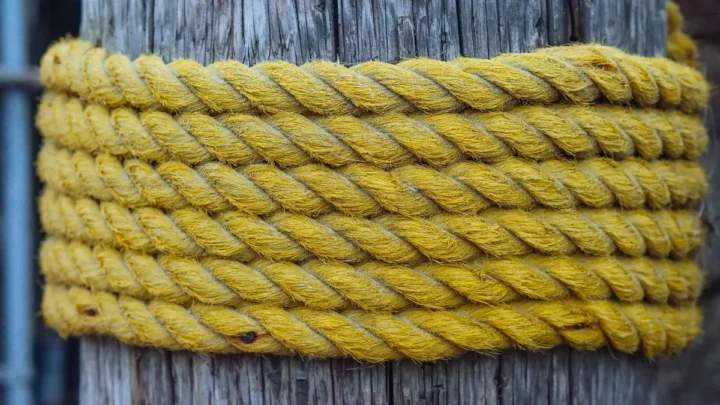
Ply count is the number of individual jute strands twisted together to form the finished cord. A 2-ply twine uses two strands, a 6-ply uses six. More plies generally means more strength, but fibre grade and twist tightness are equally important contributors.
Diameter is measured in millimetres and gives you an immediate load indicator. Anything below 2mm is light-duty only. Genuine heavy duty garden twine starts at 3mm and goes up to 6mm for the most demanding applications.
Twist density is the factor most buyers overlook. Two rolls of "3-ply" twine can perform very differently depending on how tightly the strands are wound together. A loose, open twist unravels faster under moisture and loses strength disproportionately compared to a tight, dense twist of the same ply count.
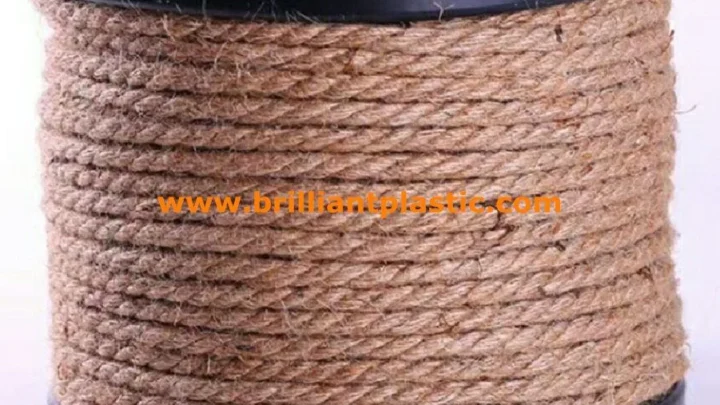
When examining a roll, tight and uniform twisting along the full length signals quality fibre and solid manufacture. Loose or irregular twists warn you that the twine will underperform under any real garden load.
The Four Types of Heavy Duty Jute Twine You'll Actually Encounter
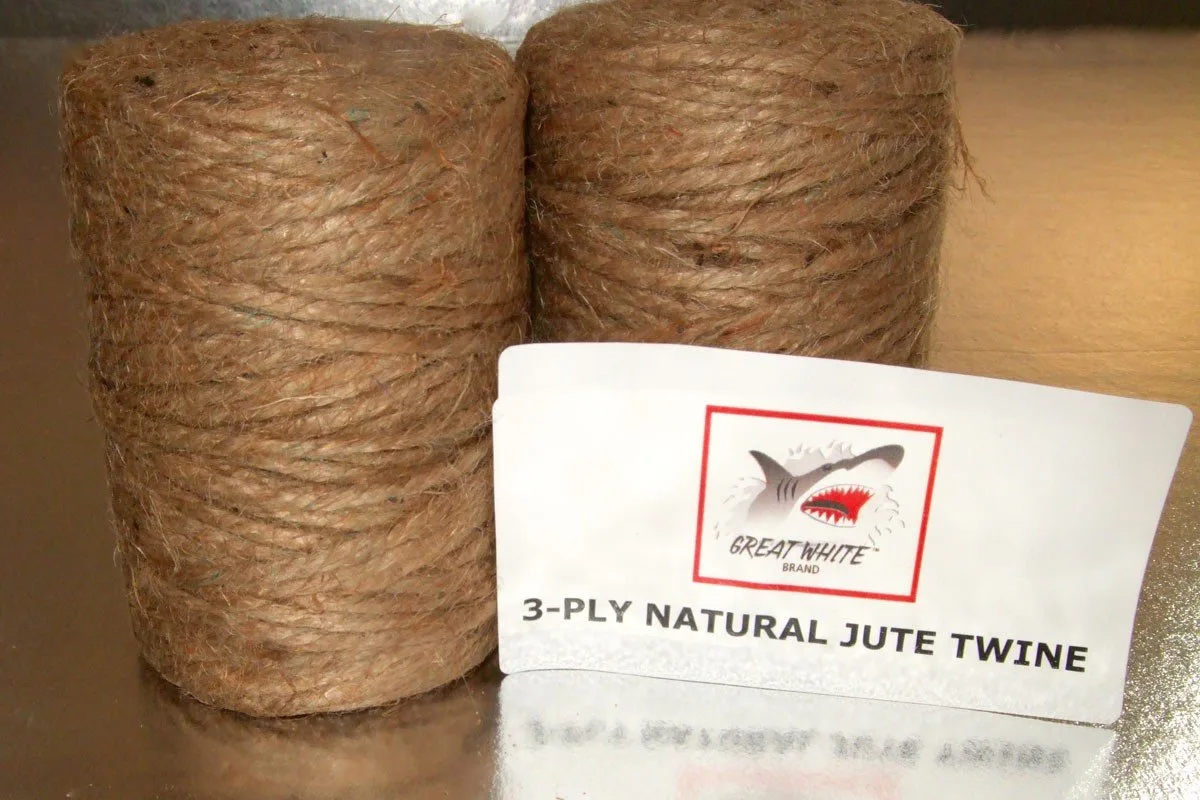
Not all heavy duty jute is the same construction. Knowing which type you're buying prevents mid-season failures and wasted money across a full growing year.
2-Ply vs 3-Ply vs 6-Ply: What the Numbers Really Mean
2-ply is the most common jute twine sold in garden centres. It handles light tasks like tying herb bundles or attaching plant labels, but it isn't suitable for heavy fruiting crops. Under a fully laden tomato or squash plant, 2-ply fails predictably.
3-ply is the practical starting point for genuine garden support work. It handles climbing vegetables, rose cane training, and most everyday plant tying without issue. For a home vegetable garden, 3-ply at 3mm diameter is the strongest balance of cost and performance available.
6-ply is for demanding, heavy-load applications. Staking large dahlia clumps, securing netting across wide frames, or managing crops that put sustained pressure on the twine across a long season all benefit from 6-ply construction. Manufacturer specifications for 6-ply jute at 4mm diameter typically indicate tensile strength in the range of 80 to 120 lbs, though this varies by fibre grade and supplier.
Twisted vs Braided Jute: Which Holds Load Better
Most jute garden twine is twisted, meaning the plies are helically wound around each other. Braided jute, where strands are interlocked in a woven pattern, distributes load more evenly and resists unravelling better under sustained stress.
For garden use, braided jute also grips knots more securely. Twisted twine can slip under sustained load, particularly once the fibres have absorbed moisture. If you're tying anything that needs to stay taut over a full season, braided construction is worth the modest price premium.
Raw vs Treated Jute: Waxed, Oiled, and Coated Variants
Raw untreated jute is the standard for most garden twine. It biodegrades readily, composts cleanly alongside plant material, and is fully compatible with certified organic growing systems.
Treated jute, coated with a light wax, oil, or resin, absorbs less moisture and holds its tensile strength longer in wet conditions. The trade-off is a slower breakdown rate and coating agents that may not qualify under organic certification standards such as the Soil Association or USDA NOP. Check the product specification before using treated jute on any organic plot.
Tensile Strength, Diameter, and Roll Length: The Numbers That Actually Matter
Here's how the specs compare across common heavy duty jute twine configurations.
| Ply Count | Typical Diameter | Approx. Tensile Strength | Best Use |
|---|---|---|---|
| 2-ply | 1.5 to 2mm | 20 to 35 lbs | Light tying, labels, herbs |
| 3-ply | 2.5 to 3mm | 40 to 60 lbs | Vegetables, climbing plants, roses |
| 4-ply | 3 to 4mm | 60 to 80 lbs | Heavy crops, trellis securing |
| 6-ply | 4 to 6mm | 80 to 120+ lbs | Large frames, staking, bundling |
Roll length matters more than most buyers anticipate. A 50-metre roll sounds reasonable until you're midway through tying a row of climbing beans and run short. For a medium-sized kitchen garden, 100 metres is a practical minimum.
Pricing generally runs from £3 to £6 for a 50-metre roll of 3-ply, rising to £12 to £15 for 100-metre rolls of 6-ply from established suppliers.
One figure rarely printed on packaging is moisture absorption rate. Raw jute can absorb up to 20% of its own weight in water, per data published by the Food and Agriculture Organization of the United Nations. Wet jute is measurably weaker than dry jute, which means peak rain periods during fruiting season are exactly when your twine faces the combined stress of maximum plant weight and reduced fibre strength.
If you're working in a consistently wet climate or garden with overhead irrigation, step up one ply from your baseline choice, or opt for a treated or braided variant that retains more strength when saturated.
Heavy Duty Jute vs Sisal, Hemp, Coir, and Synthetic Twine: Honest Side-by-Side
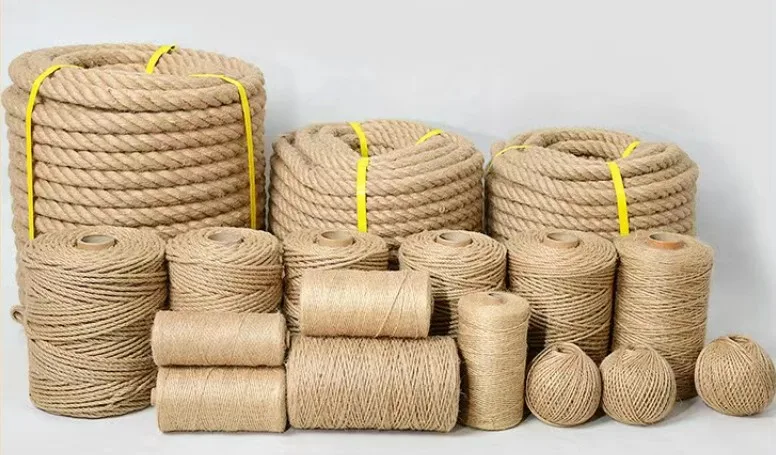
Jute isn't the only natural fibre twine available, and it isn't the strongest choice for every situation. Here's how it honestly compares.
| Twine Type | Strength | Moisture Resistance | Biodegradability | Best For |
|---|---|---|---|---|
| Jute (heavy duty) | Moderate to High | Low | Fast (1 to 2 seasons) | General tying, organic plots |
| Sisal | High | Moderate | Medium | Rough outdoor bundling |
| Hemp | Very High | Good | Medium | UV-exposed, high-load use |
| Coir (coconut fibre) | Moderate | Very High | Slow (3 to 5 years) | Wet climates, long-term installs |
| Polypropylene | Very High | Excellent | None | Non-organic, permanent load |
Jute is the softest natural option against plant stems, which matters when tying tender growth on beans, cucumbers, or indeterminate tomatoes. It also breaks down the fastest, so at season's end you can cut it off with the plant material and compost everything together.
Sisal is coarser and handles sustained moisture better than jute. It suits outdoor jobs where the twine faces prolonged rain and sun exposure, but its rough texture makes it harsher against delicate stems.
Hemp outperforms both jute and sisal on tensile strength and UV resistance. Manufacturer data consistently shows hemp retaining more of its rated strength after extended sun exposure compared to raw jute of equivalent ply count. If your garden involves high sustained load or strong direct sunlight across a long season, hemp is worth the extra cost.
You can explore more sustainable growing materials and techniques to complement your choice of natural cordage.
Coir, made from coconut husks, resists rot exceptionally well and survives multiple outdoor seasons without significant degradation. The trade-off is a slow composting rate, so it won't break down quickly in a home heap at season's end.
Polypropylene is unsuitable for any organic growing system. Degraded polypropylene leaves microplastic fragments in soil that persist for decades. The Royal Horticultural Society recommends natural fibre ties for growing beds specifically to prevent this type of long-term soil contamination.
Best Heavy Duty Jute Twine for Specific Garden Jobs
The right ply for one crop isn't right for another. Matching twine strength to actual load prevents both mid-season failure and unnecessary cost.
Tomatoes and Heavy Fruiting Crops
Use 3-ply as your minimum for indeterminate tomatoes, stepping up to 4-ply for any variety running past five feet with heavy fruit set. Verified buyer feedback consistently flags knot-point failure under wet, laden stems as the most common breakdown mode. Prioritise tight-twist construction over a higher ply count alone.
Climbing Beans, Peas, and Cucumbers
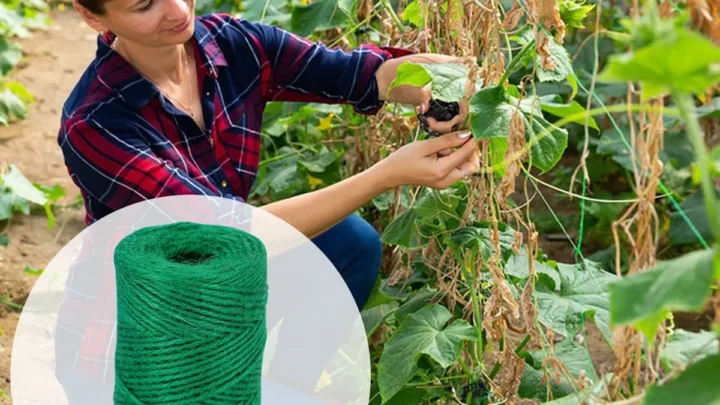
3-ply at 2.5 to 3mm handles these crops reliably. They're lighter than tomatoes but grow fast, so check ties every two weeks once plants reach the top of their support frame.
Training Roses, Fruit Trees, and Espaliers
3-ply is the right weight here: strong enough to hold a mature cane against a wall, soft enough not to cut into bark over a full season. Avoid 6-ply for delicate rose canes. It's too stiff to form a gentle contact point against cambium tissue.
Bundling, Netting, and General Garden Work
4-ply or 6-ply suits bundling cut stems, securing netting, and tying bamboo cane structures where the load is lateral rather than vertical. These jobs put sustained pressure on knots through repeated handling, so the extra ply holds more reliably throughout the season.
What Kills Jute Twine Faster Than Anything Else (And How to Work Around It)
Four things accelerate jute degradation well beyond its rated seasonal lifespan.
UV exposure is the most underrated factor. In full-sun positions, raw jute loses significant tensile strength within 8 to 12 weeks of continuous sun. Hemp handles UV better for exposed locations.
Wax-treated jute offers a practical middle-ground option for south-facing beds.
Moisture cycling does more cumulative damage than constant wetness. Jute fibres swell when wet and contract when dry, loosening the twist over repeated cycles. Re-tie any critical supports after a prolonged dry spell followed by heavy rain.
Stem friction wears knot points quickly when plants move in wind. A figure-eight tie keeps the stem and stake separated and removes most of this friction wear.
Low fibre grade is a problem you can't fix after purchase. Commercially graded jute at TD-5 or above produces stronger, more uniform fibres. Budget rolls often use lower-grade material that sheds, unravels, and weakens faster regardless of what the label claims.
How to Tie Heavy Duty Jute So It Holds Without Damaging Stems
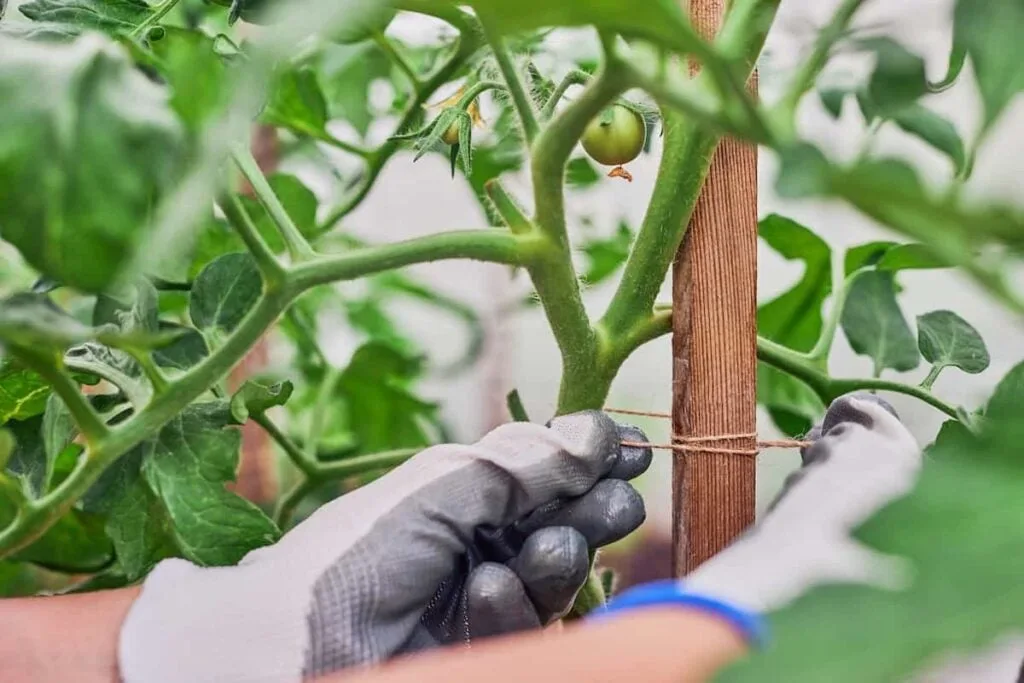
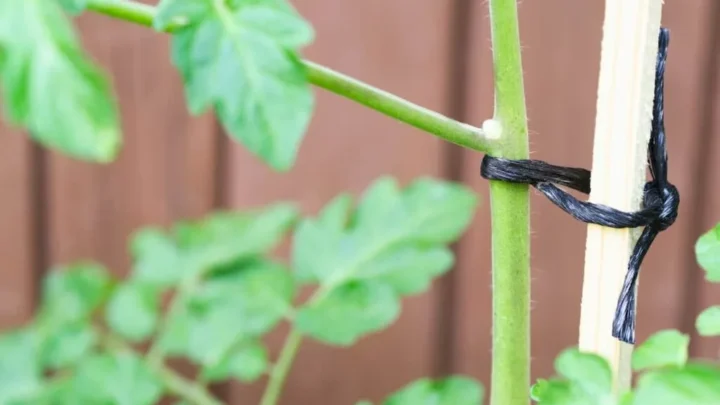
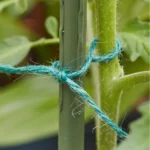
The figure-eight method is the correct technique for tying plants to stakes with jute twine. Loop the twine around the stake first, cross it once in the middle, then loop it loosely around the plant stem. The crossed centre keeps the stem and stake from rubbing directly against each other.
Always leave a full finger-width of slack between the knot and the stem. As the plant grows, a tight direct tie constricts the outer bark and restricts the flow of water and nutrients up the stem. For long-season crops, check ties every three to four weeks and retie anything that has loosened or shifted position.
How Long Will It Last? Realistic Season-by-Season Breakdown
Under typical outdoor growing conditions, 3-ply to 4-ply raw jute reliably lasts one full growing season. By late autumn, UV and moisture exposure will have weakened the fibre enough that it shouldn't be trusted to carry weight into a second year.
Wax-treated jute in a sheltered position can hold structural integrity across two seasons, which aggregate buyer feedback on heavier treated variants supports fairly consistently. In soil contact, raw jute biodegrades within 1 to 2 years, making it practical for tying bare-root trees at planting, where leaving the twine to break down naturally is simpler than retrieving it later.
What You Should Expect to Pay (and When Bulk Rolls Make Sense)
For a home kitchen garden, a 100-metre roll of 3-ply typically covers one full growing season without waste. Buying far more than you'll use creates a storage problem: jute held in heat, light, or damp conditions degrades measurably, so a half-used roll kept poorly will underperform the following year.
The bulk case becomes clear for anyone using over 200 metres per season. Market gardeners and allotment holders who reliably hit that threshold will spend two to three times as much on a 500-metre roll but get five times the length at a far lower per-metre cost. Store unused jute in a cool, dark, and dry location to preserve fibre strength through to the next season.
For planning materials across multiple growing beds, our seasonal garden planning guides cover broader approaches worth pairing with the right cordage choice.
Mistakes Gardeners Make When Buying Heavy Duty Jute Twine
The most common mistake is buying on label alone without checking ply count or diameter. Budget "heavy duty" twine is often 2-ply at under 2mm, which won't support a mature fruiting crop past midsummer.
Buying the shortest roll to save upfront cost is the second error. Running out mid-season means re-tying established plants at exactly the wrong moment, when disturbing stems and supports causes the most stress.
Storing jute in direct sunlight or a damp shed compounds both problems. A roll left in a sunny greenhouse over winter loses significant fibre strength before the growing season even starts.
Is It Safe for Organic Growing and Composting?
Raw, untreated jute is fully compatible with certified organic systems under UK Soil Association and USDA NOP standards. It contains no synthetic coatings, pesticide treatments, or chemical preservatives.
At season's end, raw jute goes straight into the compost heap with plant debris and breaks down within 1 to 2 years without leaving residue. Treated or wax-coated variants should be checked against your certification body's approved inputs list before use on any organic plot.
Frequently Asked Questions
What is the best ply for heavy duty garden twine?
3-ply handles most home garden jobs reliably. Step up to 4-ply or 6-ply for heavy fruiting crops, wide netting frames, or any application with sustained vertical load across a full season.
How do I stop jute twine from snapping mid-season?
Choose at least 3mm diameter with tight-twist construction, not just a higher ply count. Check ties every three to four weeks as fruit weight builds and retie anything that has loosened or shifted.
Can I compost jute twine with my plants?
Raw untreated jute goes straight into the compost heap with plant debris and biodegrades within 1 to 2 years without microplastic residue. Remove treated or coated variants before composting and dispose of them separately.
Is jute twine safe around edible crops?
Raw jute contains no synthetic treatments and is safe for use around edible plants. It's approved for organic growing under both Soil Association and USDA NOP standards, making it the default choice for kitchen gardens and allotments.
The Verdict: Which Heavy Duty Jute Twine Is Worth Buying
For most home gardeners, 3-ply at 3mm diameter covers the full range of typical garden tying work. It's strong enough for climbing crops, soft enough for delicate stems, and composts cleanly at season's end.
Step up to 4-ply for heavy fruiting crops. Choose hemp if UV resistance is the primary concern. And ignore the "heavy duty" label entirely.
Ply count, diameter, and twist quality are the only numbers worth reading before you buy.

Similar Posts



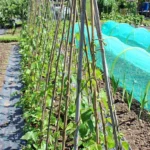


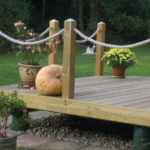
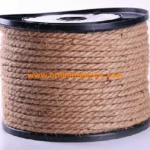
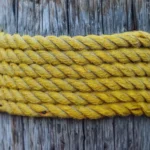
[…] straight from the pack. It has a long track record in marine and agricultural settings. Tar-treated thick-gauge twine suits permanent outdoor supports where durability is the […]
[…] Tie the ridge cane at every junction using heavy-duty natural twine. […]
[…] choice. It has a warm, golden-brown texture that suits timber posts and weathered decks well. Like heavy-duty natural outdoor cordage, manila absorbs moisture and will rot in persistently wet conditions without […]
[…] you're tying climbers to a trellis, a heavy-duty plant cord reduces lateral stress on the cane compared to wire or rigid […]