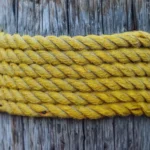
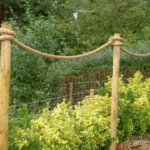
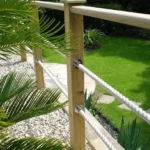
What Is Waxed Twine Used For? Uses & Benefits
If you've ever wondered what is waxed twine used for, the short answer is: more than you'd expect. It turns up in leather workshops, butcher counters, bookbinding studios, and kitchen drawers alike, all because a thin wax coating transforms ordinary fiber into something genuinely versatile.
Waxed twine is any natural or synthetic cord coated or saturated with wax, typically beeswax, paraffin, or microcrystalline wax. As of 2026, retail spools range from 0.35mm for fine bookbinding work up to 2mm or more for heavy butcher and garden use. The right choice depends on what you're making and which wax and fiber combination fits that job.
Quick Answer
Waxed twine is used for leatherworking, bookbinding, cooking, gardening, and crafts. The wax coating reduces friction and locks knots tight. It also resists moisture better than plain twine.
Food-safe options use beeswax and unbleached cotton. Thickness and wax type vary depending on the task.
What Waxed Twine Is — and Why the Wax Coating Is the Whole Point
Waxed twine starts as a plain fiber cord. Linen, cotton, polyester, and nylon are the most common base materials. The fiber is then coated or saturated with wax, which stiffens it slightly and fills the gaps between individual strands.
That coating does three things at once. It reduces friction so the twine slides through tight holes cleanly. It seals cut ends so fibers don't fray.
And it increases knot grip so ties don't work loose under tension.
The wax type affects performance and feel. Beeswax is softer and more pliable, making it the standard for hand-stitching and food-contact use. Paraffin produces a stiffer, shinier finish suited to heavier-duty work.
Microcrystalline wax sits between the two and appears most often in industrial-grade threads.
Fiber base matters just as much. Linen is the strongest natural option and holds wax evenly. Cotton is softer and food-safe.
Polyester and nylon handle UV and moisture better, but neither is suitable for cooking or direct food contact.
Every Major Use for Waxed Twine, Broken Down by Application
Leatherworking and Saddle Stitching
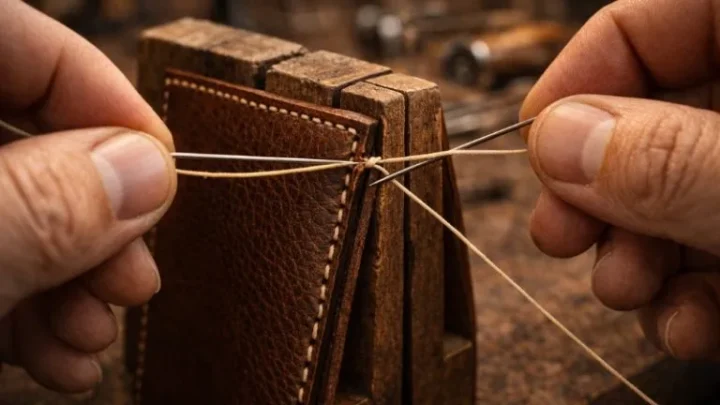
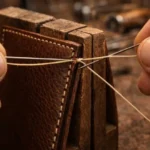
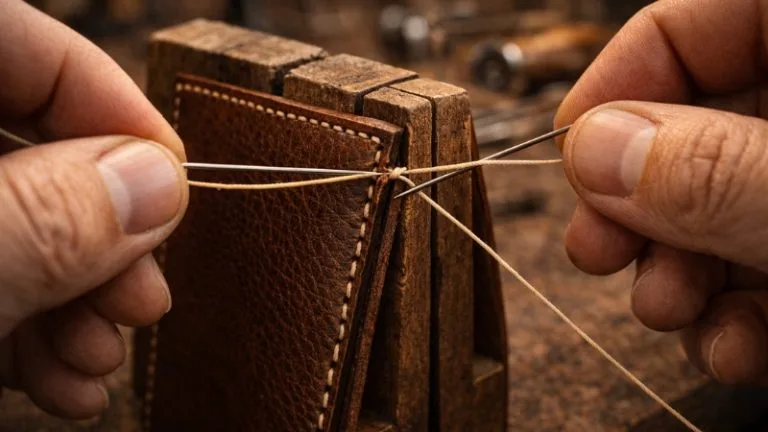
Waxed linen thread is the standard for hand-stitching leather. The wax lets it pull through pre-punched holes without snagging or shredding. After each stitch, it grips the leather fibers slightly, keeping the stitch line tight over time.
Most leatherworkers use the saddle stitch, passing two needles through each hole from opposite sides. That structure means the stitch holds even if a single loop breaks. It's why hand-stitched wallets and belts routinely outlast machine-stitched alternatives by years.
Bookbinding
Traditional bookbinding uses waxed linen thread to sew folded paper signatures together. The wax keeps the thread from fraying mid-stitch and adds enough body to hold tension without cutting through delicate paper.
Techniques like Coptic, long stitch, and French link binding all benefit from pre-waxed thread. Many binders also wax plain thread mid-project by drawing it firmly across a beeswax block a couple of times.
Cooking and Trussing Meat
In the kitchen, waxed cotton twine ties rolled roasts, trussed poultry, and bouquet garni herb bundles. The USDA's food safety guidance requires only food-safe materials to contact raw and cooked meat, and unbleached cotton with a food-grade beeswax coating meets that standard.
The wax helps knots hold as meat contracts and releases moisture under heat. Paraffin-waxed and synthetic twines are not rated for food contact or oven temperatures, so they don't belong anywhere near the kitchen.
Gardening and Plant Training
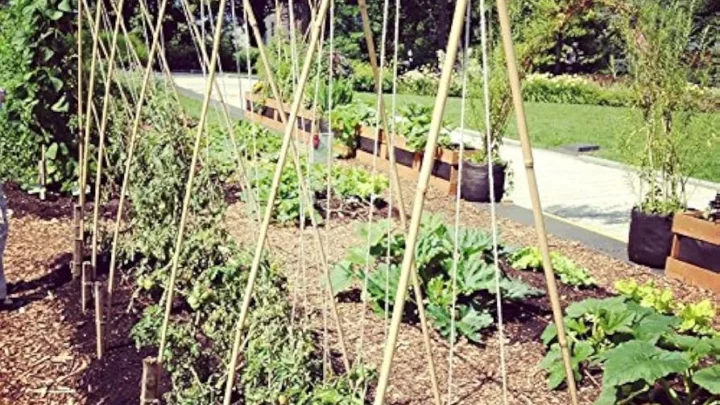
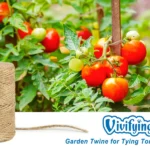
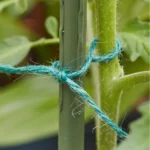
Waxed twine ties climbing plants, trains vine stems along trellis wire, and supports heavy-headed flowers. Its moisture resistance keeps it functional through irrigation and rain far longer than plain cotton. Plain string darkens, goes limp, and weakens within a couple of wet weeks.
Waxed twine holds its structure across a full season.
For vegetable beds, supporting vegetable plants with natural cord raises the question of whether biodegradability matters more than longevity. Waxed twine lasts longer but won't break down as quickly at season's end.
Candle Wicking, Crafts, and Packaging
Waxed cotton cord is the standard base for hand-poured candle wicks. Macramé artists use it because the stiffness makes knotting cleaner and holds structure better than soft cord. Small-batch soap and candle brands also reach for waxed twine for label ties and bundle wrapping, where the natural look and practical hold both matter.
Beeswax vs. Paraffin, Cotton vs. Linen — How to Pick the Right Type
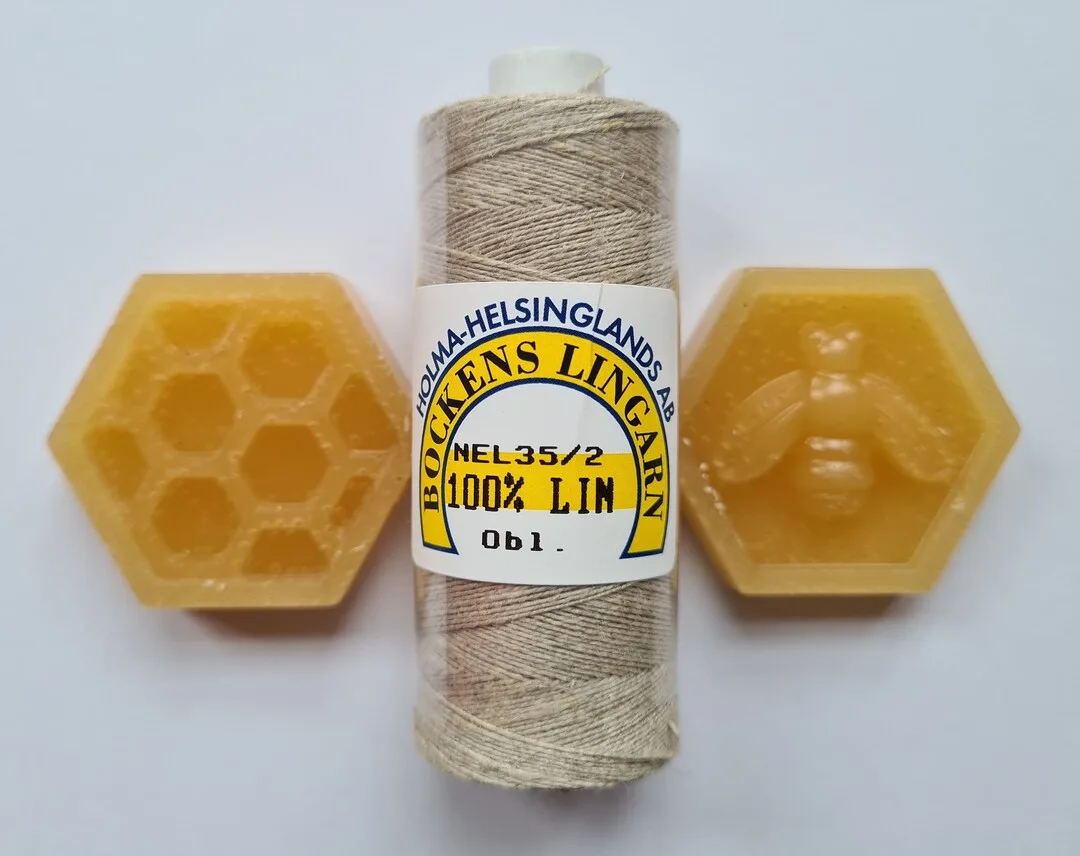
The wax type and fiber base together determine how the twine performs. Pairing the wrong two creates real problems, from thread that snags stitch holes to coatings that can't handle heat.
| Combination | Best Use | Avoid For |
|---|---|---|
| Beeswax + linen | Leatherwork, bookbinding | Direct food contact |
| Beeswax + cotton | Cooking, trussing, candle wicks | Heavy load-bearing |
| Paraffin + cotton | Packaging, crafts | Food or oven use |
| Paraffin + polyester | Outdoor ties, rigging | Any heat application |
| Microcrystalline + nylon | Industrial stitching, camping | Food, fine crafts |
For leatherwork, waxed linen is the clear choice. It's strong, takes wax evenly, and burnishes to a clean finish after stitching. For bookbinding, either linen or cotton works, though linen holds up better across decades.
For the kitchen, only beeswax-coated unbleached cotton qualifies as food-safe. Paraffin and synthetic fibers off-gas at oven temperatures, which rules them out entirely for cooking use.
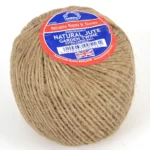
In the garden, waxed jute or cotton degrades over a season, which suits annual bed management. For support across multiple growing seasons, heavy-duty natural cord rated for outdoor conditions is worth comparing before you commit. Waxed polyester lasts the longest outdoors but won't biodegrade at season's end.
For crafts and packaging, almost any combination works. Paraffin-waxed cotton is the most affordable option and still delivers a clean, stiff cord.
What Good Waxed Twine Looks and Feels Like Before You Buy
A quality spool has clear visual and tactile signs that separate it from a cheap alternative. Four quick checks tell you almost everything you need to know.
The bend test. Flex a short length between your fingers. Good waxed twine holds a curve without snapping. If it cracks under light pressure, the wax-to-fiber ratio is off.
If it feels like ordinary string with no body, it's under-waxed and won't perform in stitching or knot-holding.
The sheen check. Look at the surface under direct light. Well-waxed twine has an even gloss across every strand. Patchy or dull sections mean uneven wax penetration, which affects both friction reduction and moisture resistance.
The rub test. Rub the twine quickly between two fingers. A small amount of wax transferring to your skin is expected. Heavy deposits mean the coating is too thick for fine detail work.
If nothing transfers at all, the "waxed" label is probably misleading.
The cut-end check. Quality waxed twine holds its shape at the cut point without the strands immediately fanning out. If the end splays right away, the wax isn't binding the fibers as it should.
For training climbing plants and vines, gauge matters as much as wax quality. Fine twine under 1mm can cut into soft stems. A 1.5mm to 2mm cord distributes load better and won't damage growth points.
Common Mistakes People Make With Waxed Twine
Most problems with waxed twine trace back to the wrong type for the job, the wrong gauge, or overestimating how long natural fiber holds up outdoors.
Choosing too fine a gauge for thick leather. Thin thread looks tidy but snaps under the tension of pulling through stiff, thick hides. For leather over 3mm thick, use at least 0.8mm waxed linen. Anything finer and you'll break thread mid-stitch and need to re-punch holes.
Expecting outdoor durability from waxed cotton. Cotton breaks down under sustained UV and repeated wet-dry cycles, even with a wax coating. For plant ties that need to last a full growing season, natural cord built for outdoor use holds up more reliably than waxed cotton once the coating weathers off.
Over-waxing plain thread yourself. Running linen through a beeswax block more than twice builds up excess wax that clogs stitch holes and makes the thread unworkably stiff. One or two passes is all it needs.
Using the wrong twine for cooking. Paraffin-waxed and synthetic twines aren't food-safe at oven temperatures. For kitchen use, check the label specifically for food-grade or food-safe wax and unbleached cotton fiber before buying.
Storing waxed twine near heat. A sunny windowsill or warm drawer softens the coating and makes the spool sticky and tangled. Store it somewhere cool and dry. If you keep jute ties for seasonal garden work in the same spot, the same shaded, cool storage conditions work for both.
Frequently Asked Questions About Waxed Twine
Is waxed twine safe to use in the oven?
Only beeswax-coated unbleached cotton twine is oven-safe. Paraffin-waxed and synthetic twines soften under heat and can transfer compounds to food. Look for products labelled food-safe or food-grade, with an unbleached cotton fiber base.
If the label doesn't specify, don't use it for cooking.
What is the difference between waxed twine and regular twine?
Regular twine frays at the cut end, absorbs moisture, and loses knot grip over time. Waxed twine resists all three because the wax binds the fibers, repels water, and locks knots in place. For stitching or any application where durability matters, the performance difference is clear.
Can I wax plain twine myself?
Yes. Draw plain linen or cotton thread across a block of pure beeswax one or two times. That adds friction reduction and fraying resistance without over-coating the fibers.
More than two passes and the wax builds up too thick, making the thread stiff and difficult to pull cleanly through stitch holes.
What thickness of waxed twine should I use for leatherwork?
For most hand-stitching on standard leather goods, 0.55mm to 0.8mm waxed linen is the right range. Thinner thread snaps under load on leather over 3mm thick. Thicker thread is harder to pull through punched holes without straining the leather around the stitch.
Does waxed twine biodegrade?
It depends on the fiber. Waxed linen and waxed cotton biodegrade, though more slowly than unwaxed versions because the coating slows moisture absorption. Waxed polyester and nylon don't break down in any meaningful timeframe.
For garden beds or compost-friendly use, stick to natural fiber options.

Similar Posts