How to Use Bamboo Canes for Runner Beans
Founder & Lead Horticulturist at Gardener Expert · RHS Master of Horticulture, Certified Professional Horticulturist (CPH) · 16+ years in residential organic gardening, plant propagation, and structural plant training
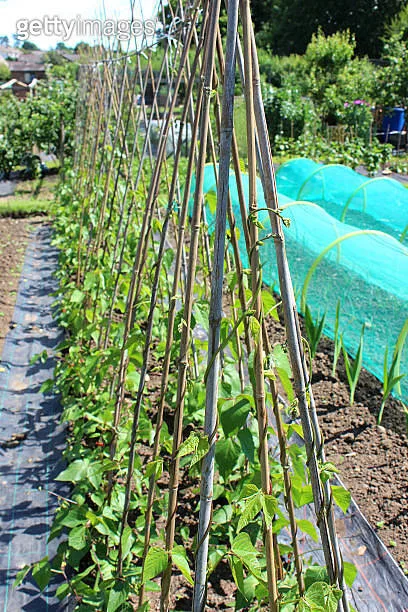
Knowing how to use bamboo canes for runner beans correctly separates a productive summer harvest from a collapsed heap of stems by July. Runner beans (Phaseolus coccineus) are vigorous climbers that push 2.5 to 3 metres in a good season. They load the frame hard as the crop builds, so the structure matters from day one.
The Royal Horticultural Society recommends getting support structures in place before sowing or transplanting. Fixing them afterwards disturbs roots and sets plants back. As of 2026, canes between 7 and 8 feet remain the standard for an open outdoor bed.
Here's the practical guide to getting the setup right.
Quick Answer
Using bamboo canes for runner beans means building a firm support frame before your seeds go in. Drive canes 15 to 20cm into the ground at an inward angle. Cross them at the top and lash them with garden twine.
Space plants 15 to 23cm apart, one bean per cane. Use canes at least 6 feet tall.
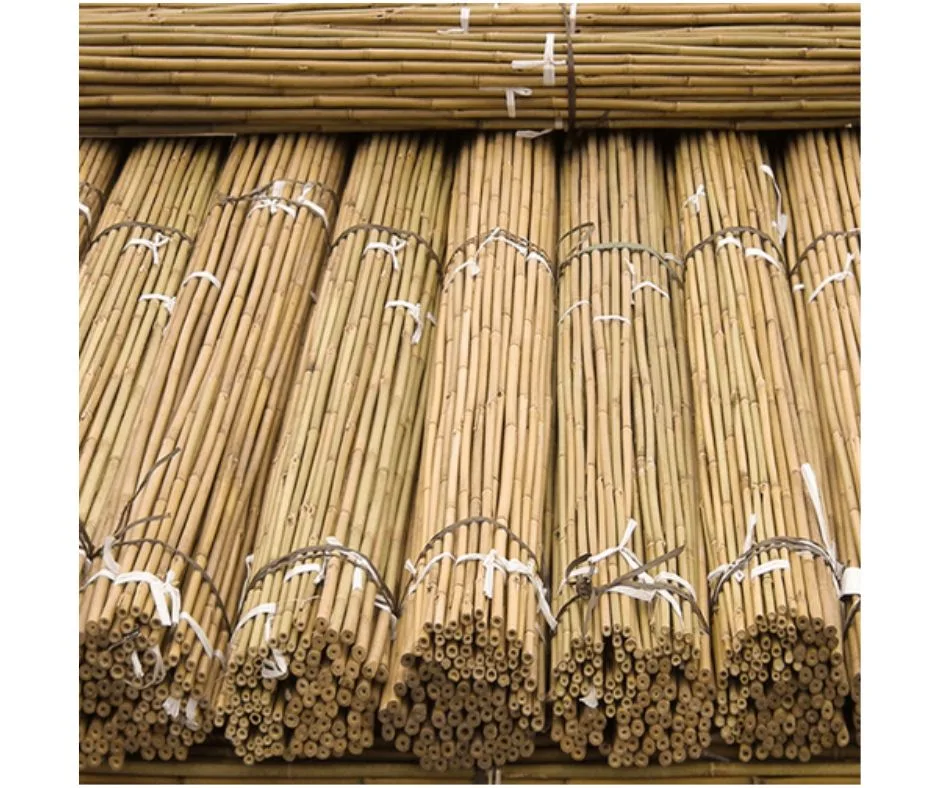
What Size and Type of Bamboo Cane You Actually Need
The most common mistake is buying canes that are too short. Runner beans regularly hit 2.5 to 3 metres in a full season. A 4-foot cane leaves plants with nowhere to go by August.
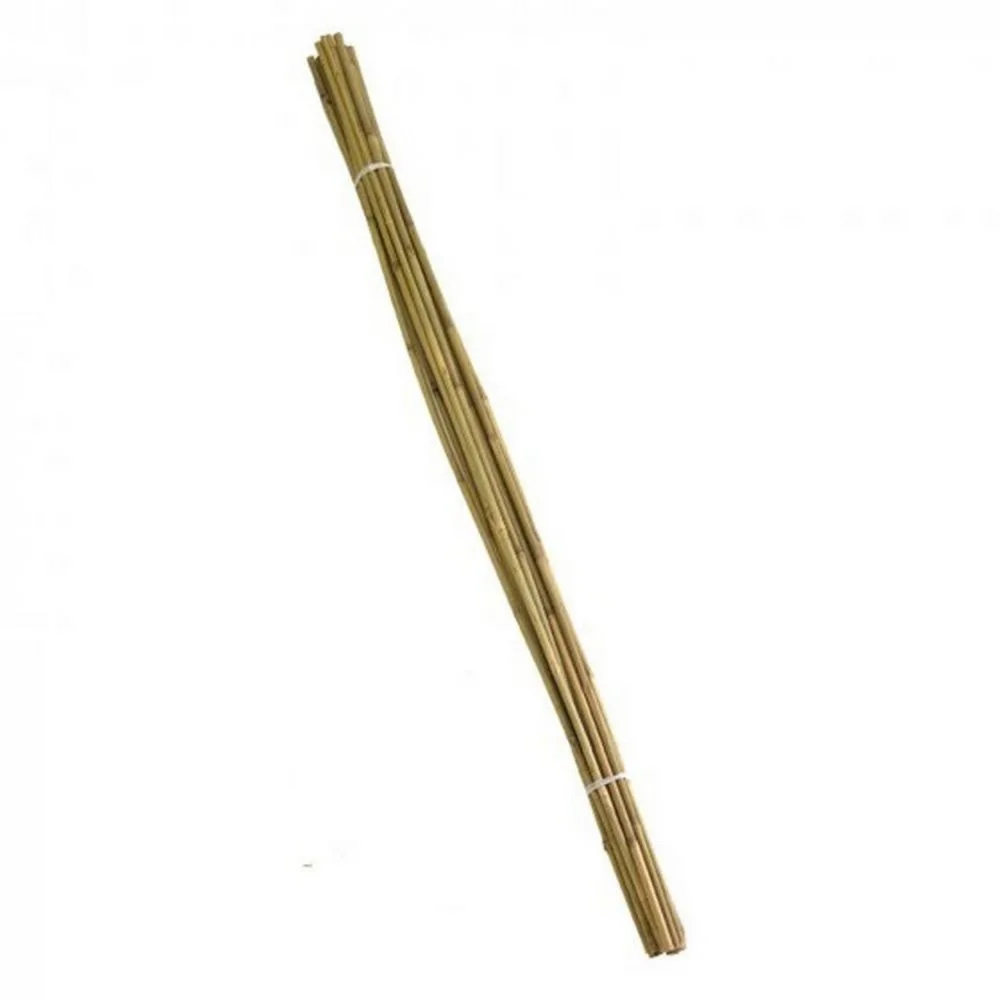
Horticultural guidance consistently points to 7-foot (210cm) and 8-foot (240cm) canes as the practical standard for outdoor beds. Six-foot canes suit container growing or plots where you plan to pinch the growing tips early to keep the height manageable.
| Cane Height | Best For | Notes |
|---|---|---|
| 6ft (180cm) | Containers, patio beds | Pinch tips early to keep in check |
| 7ft (210cm) | Standard plot or allotment | Most widely used size |
| 8ft (240cm) | Open beds, exposed sites | Best for vigorous heritage varieties |
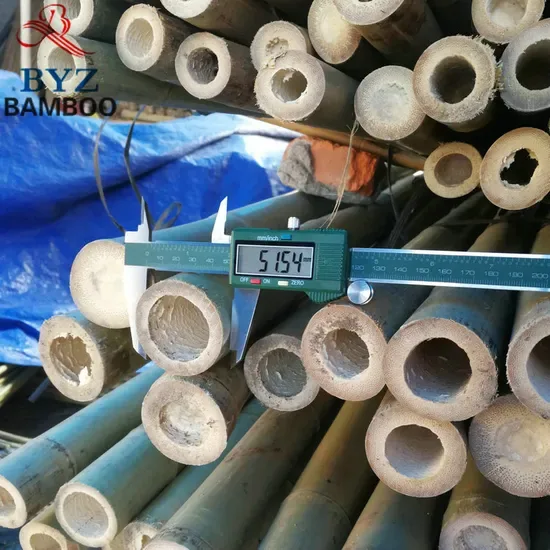
Cane diameter matters as much as height. For a frame that carries a full crop through late summer, choose canes at least 12mm in diameter. Thinner 8mm canes flex and snap under load, especially after a wet and windy week.
Natural bamboo is the standard for good reason. It's strong, biodegradable, and affordable. A bundle of 10 canes costs £3 to £8 in the UK.
Synthetic resin canes last longer but add plastic to your plot at end of life.
Tying material deserves the same thought as the canes. A plant-safe cord for vegetable supports lashes the frame and breaks down cleanly at season end. Hemp twine handles tension at crossing points well and resists fraying across the full growing season.
Wigwam, A-Frame, or Single Row: Choosing the Right Structure for Your Plot
Three structures cover almost every home and allotment setup. The right choice depends on your plot size, how many plants you're growing, and how easy you want picking to be.
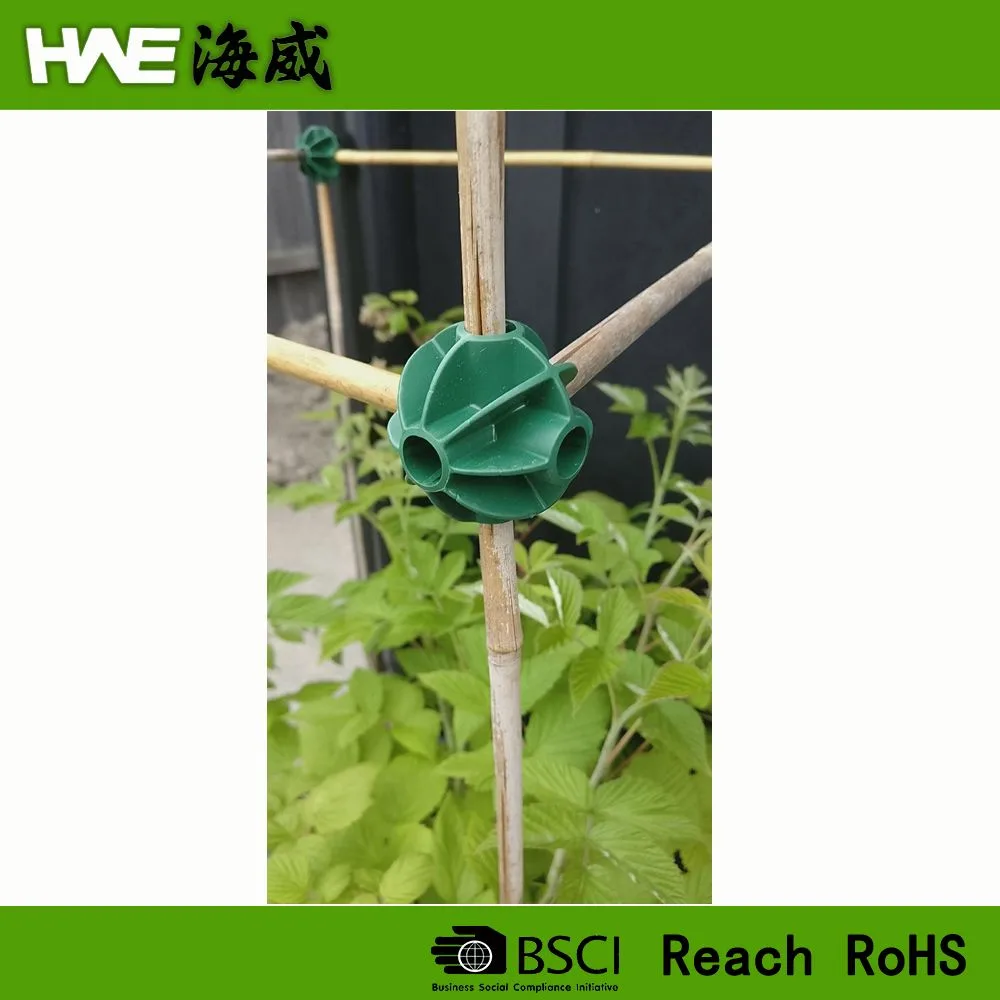
Wigwam (teepee). Six to eight canes pushed into a circle 60 to 90cm across, angled inward, and lashed at the top. It has a compact footprint and fits well in borders or small raised beds. The trade-off is picking: beans grow on all sides, so you're reaching into the frame from every angle.
A-frame double row. Two parallel rows of canes angled inward, crossed at the top over a horizontal ridge pole, and tied together. Rows sit 45 to 60cm apart, with beans growing up both sides. Picking is far easier because everything hangs in a clear, accessible line.
This is the classic allotment setup.
Single stake. One vertical cane per plant. This suits containers or very small beds with three or four plants. It's not stable enough for a full open row.
| Structure | Best For | Key Advantage |
|---|---|---|
| Wigwam | Small beds, borders | Compact footprint |
| A-frame row | Allotment, veg plots | Easy picking, wind-stable |
| Single stake | Containers, 1 to 4 plants | Minimal materials |
If your plot is exposed or catches summer storms, the A-frame is the stronger choice. The wigwam wins in tight spaces where you can't spare a full row length.
How to Build Each Runner Bean Support Structure
Building a Wigwam
- Mark a circle 60 to 90cm across on the ground using a stick or a short length of string.
- Push 6 to 8 canes around the circle perimeter, each angled slightly inward toward the centre. Drive them at least 15 to 20cm into the soil.
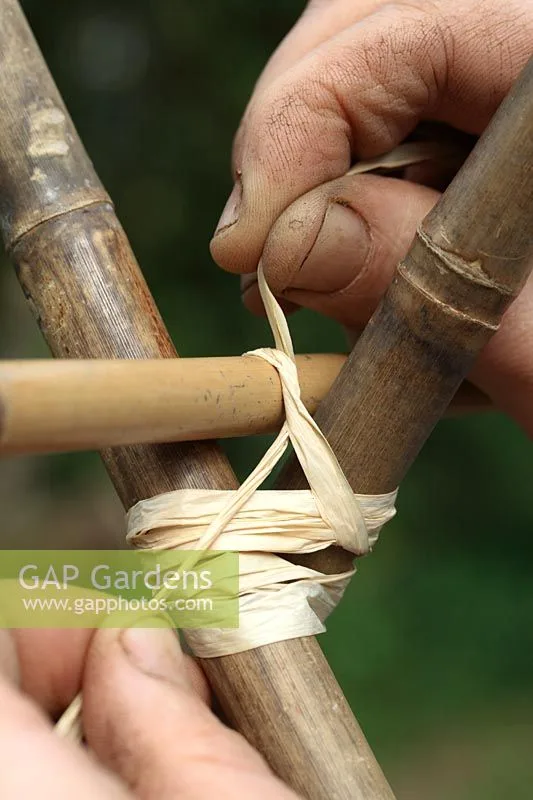
- Pull all cane tops together at a single point and hold them firmly.
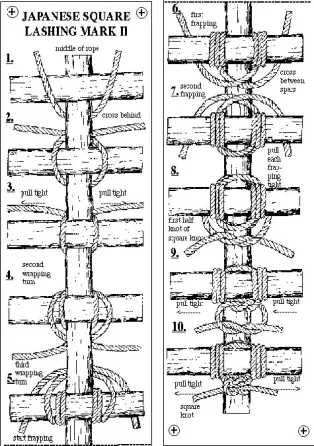
- Lash the crossing point with jute twine, wrapping several times horizontally, then weaving vertically between individual canes to lock the geometry.
- Sow one bean seed at the base of each cane, 5cm deep.
Building an A-Frame Double Row
- Mark two parallel lines 45 to 60cm apart along the bed.
- Push pairs of canes in on opposite sides of each line, angled so the tops cross above the gap between rows.
- Lay a horizontal ridge cane along the top and lash it to each crossing pair. A robust natural lashing cord works best at the ridge pole, where the load is greatest.
- Add diagonal stays at each end of the row to resist wind rocking.
- Sow one bean at the base of each upright cane.
Both structures benefit from a single horizontal string run roughly 30cm from the ground. It gives young shoots something to catch before they're tall enough to reach the main cane.
Training Runner Beans onto the Cane (and Keeping Them Climbing)
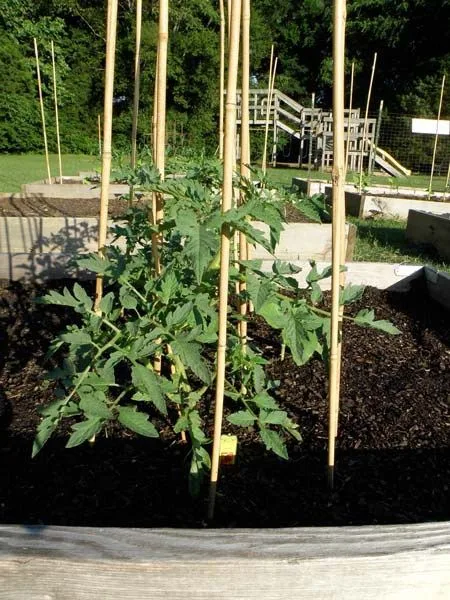
Runner beans twine counterclockwise around any vertical support they find. For the first one to two weeks after germination, they need a gentle nudge toward the cane.
Once seedlings reach 10 to 15cm tall, guide the growing tip toward the nearest cane. Use a short loop of soft natural string held loosely around the stem and cane. Don't wrap tightly: young stems are brittle, and a constricting tie cuts in as the plant thickens.
After that, runner beans climb largely on their own. Check plants every few days in the first fortnight. Gently redirect any shoot spiralling away from the cane or tangling with a neighbour's stem.
A healthy climbing bean looks tidy: one or two main stems per cane, winding steadily upward. If you're seeing sideways sprawl and crossed stems, the frame is overcrowded. Thin to one strong stem per cane early rather than letting competition weaken all of them.
Once plants reach the top of the frame (usually mid-July on a UK plot), pinch out the growing tip. This redirects energy into pod production and keeps the canopy open enough for good air circulation.
Pick pods early and often. Leaving pods to mature on the plant signals it to stop producing new flowers. Keep harvesting and the plant keeps cropping through August and into September.
The Mistakes That Bring the Whole Frame Down Mid-Season
These are the most common structural failures, drawn from aggregate grower experience and horticultural guidance.
Canes driven too shallow. Just 10cm of depth in soft or sandy soil gives almost no anchor. By mid-July, when the crop is heavy and wind picks up, the whole frame levers out cleanly. Drive canes to at least 15 to 20cm.
On loose soil, go to 25cm.
Canes too short. A 6-foot cane under a vigorous variety like 'Scarlet Emperor' leaves plants with nowhere to go after mid-summer. They pile up at the top, the weight imbalance destabilises the frame, and airflow drops sharply.
The top tie is too loose. On a wigwam, the crossing point is the entire structural pivot. A loose lash lets canes splay outward under crop weight. Wrap the tie firmly and multiple times.
Choose a garden twine that holds its tension under sustained outdoor load.
Installing the frame after germination. Pushing canes into established seedlings tears surface roots and sets plants back by weeks. Always build the structure first.
No end braces on an A-frame. A long row without diagonal end stays acts like a sail in summer wind. Two extra canes pushed diagonally at each end take five minutes and keep the frame solid through August.
Finally, cap any exposed cane tip at or near eye level. A short push-on plastic cap or even a wine cork takes seconds to fit and prevents a nasty eye injury on a busy plot.
Cane Safety, End-of-Season Takedown, and Storage
Once the last beans are picked and plants die back (typically October in the UK), take the structure down before wet autumn weather degrades the canes.
Cut plant stems at the base rather than yanking them away. Old stems wind tightly around the cane. Pulling hard can snap the bamboo or shift it out of the ground at an awkward angle.
Untie crossing points and lay all canes flat. Inspect each one for cracks, split ends, or soft spots. Any cane that flexes noticeably under light pressure or shows a visible split won't perform reliably under a full crop.
Send those to the compost pile now.
Rinse off soil and plant residue with water. Let canes dry completely before storing. Damp bamboo develops mildew fast and splits well ahead of schedule.
Store bundles horizontally in a dry shed or garage. Standing them vertically lets moisture pool in the hollow ends, which speeds rot from the inside out. A simple horizontal rack or a few tied lengths of rope across two wall hooks works well.
If canes develop surface mould in storage, wipe them down with a diluted white vinegar solution. It clears the mould without damaging the bamboo. Let canes dry fully before the next season starts.
With proper care, natural bamboo lasts three to five growing seasons. Label your bundles by height when you store them. Six-foot and 8-foot canes look identical once bundled, and grabbing the wrong size mid-build disrupts your spacing and frame geometry.
Frequently Asked Questions
How deep should I push bamboo canes into the ground?
Drive canes a minimum of 15 to 20cm into the soil. On loose or sandy ground, push to 25cm for solid anchorage. Depth matters most when the crop reaches full height and weight in mid-summer.
A frame that feels solid in June can shift quickly under a heavy July load.
When should I put up runner bean canes?
Build the frame before sowing seeds or transplanting seedlings. Post-planting installation disturbs surface roots and sets plants back by weeks. Most UK growers build their frames in late April or May, a week or two before sowing directly into the soil.
How many canes do I need for a wigwam?
Six to eight canes is the standard. Fewer than six creates a structurally weak frame that spreads under crop load. More than eight overcrowds the plants.
Space canes evenly around the base circle so each bean has a clear line to climb without competition.
Can I reuse bamboo canes the following season?
Yes, with proper end-of-season care. Clean off soil, dry the canes fully, and store them flat in a dry space. Natural bamboo lasts three to five seasons in good condition.
Inspect each cane before rebuilding and discard any that are cracked, soft, or noticeably bent.
What type of twine works best for lashing cane structures?
A natural fibre twine is the practical standard. Jute and hemp both biodegrade at season end, which simplifies cleanup. Use a heavier grade for the main structural lashing at crossing points and a lighter grade for training young stems onto the cane.
Similar Posts