How to Store Garden Twine So It Never Tangles Again
Founder & Lead Horticulturist at Gardener Expert · RHS Master of Horticulture, Certified Professional Horticulturist (CPH) · 16+ years in residential organic gardening, plant propagation, and structural plant training
Knowing how to store garden twine properly is one of those small details that pays off come growing season. Pull open a shed drawer in April to find a tangled, brittle, half-rotted ball of jute, and the problem is immediately obvious. The right storage method adds months, sometimes years, to your twine's working life.
The key variable most gardeners overlook is fibre type. Natural twines like jute, sisal, and cotton absorb atmospheric moisture and lose tensile strength when stored incorrectly. Synthetic polypropylene, by contrast, degrades from UV exposure far more than from damp.
As of 2026, this fibre-first approach is what separates genuinely useful storage advice from generic tips that accidentally damage one type while trying to protect the other.

Quick Answer
Store garden twine in a cool, dry, well-ventilated spot. Natural fibre twine (jute, sisal, cotton) needs airflow, not an airtight seal. Synthetic twine does better in a sealed, UV-protected container.
Keep all twine off damp concrete floors. A tin with a small lid hole suits either fibre type.
Why Garden Twine Goes Wrong in Storage
Most twine doesn't fail in the garden. It fails in the shed.
Natural fibres like jute and sisal are hygroscopic, which means they pull moisture from the surrounding air. In an unheated shed with poor ventilation, ambient humidity can sit above 70% right through autumn and winter. At those levels, the plant fibres in jute twine begin to break down, developing mould and losing strength.
By April, a ball that looked fine in October snaps under light tension rather than holding a climbing bean stem.
Synthetic twine has the opposite problem. Polypropylene doesn't absorb moisture, but it degrades under UV radiation. Left in a clear container on a sunny shelf or near greenhouse glazing, it becomes brittle within a single season.
Manufacturer specifications for standard polypropylene twine typically indicate a UV tolerance of one to three years before strength loss becomes measurable. That clock runs even when the twine is sitting unused.
Tangling comes down to container choice. An unsecured ball rolling around a shelf or drawer almost always ends up knotted. That wastes time mid-task and often means cutting off and discarding lengths that were perfectly usable.
Start Here: Identify Your Twine Type Before Choosing a Method
The storage conditions that protect jute will degrade polypropylene. Knowing your fibre type is the first decision you need to make.
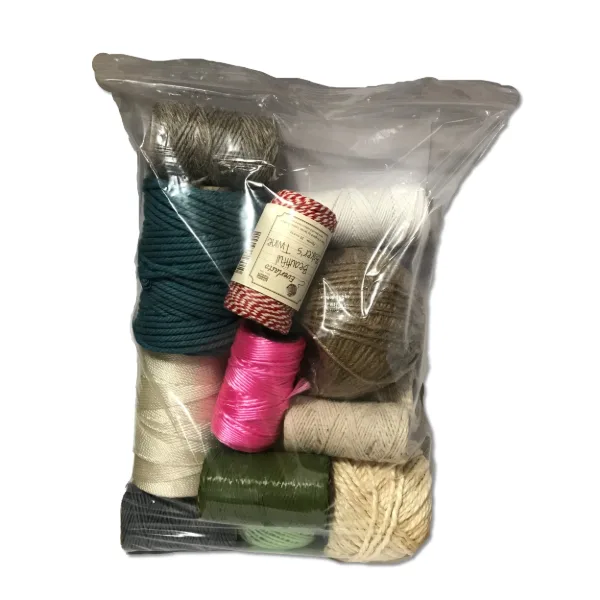
| Twine Type | Material | Key Storage Risk | Needs Airflow? |
|---|---|---|---|
| Jute | Natural plant fibre | Rot and mould in sealed, damp storage | Yes |
| Sisal | Natural plant fibre | Rot when damp, brittleness when too dry | Yes |
| Cotton | Natural plant fibre | Mould in humid, sealed conditions | Yes |
| Polypropylene | Synthetic plastic | UV degradation near light sources | No |
| Nylon | Synthetic plastic | UV degradation, less severe than polypropylene | No |
If you're unsure which type you have, do a quick burn test on a small snipped end held away from dry plant material. Natural fibres burn slowly and smell like burning paper or hair. Synthetic fibres melt, drip, and produce a sharp chemical smell.
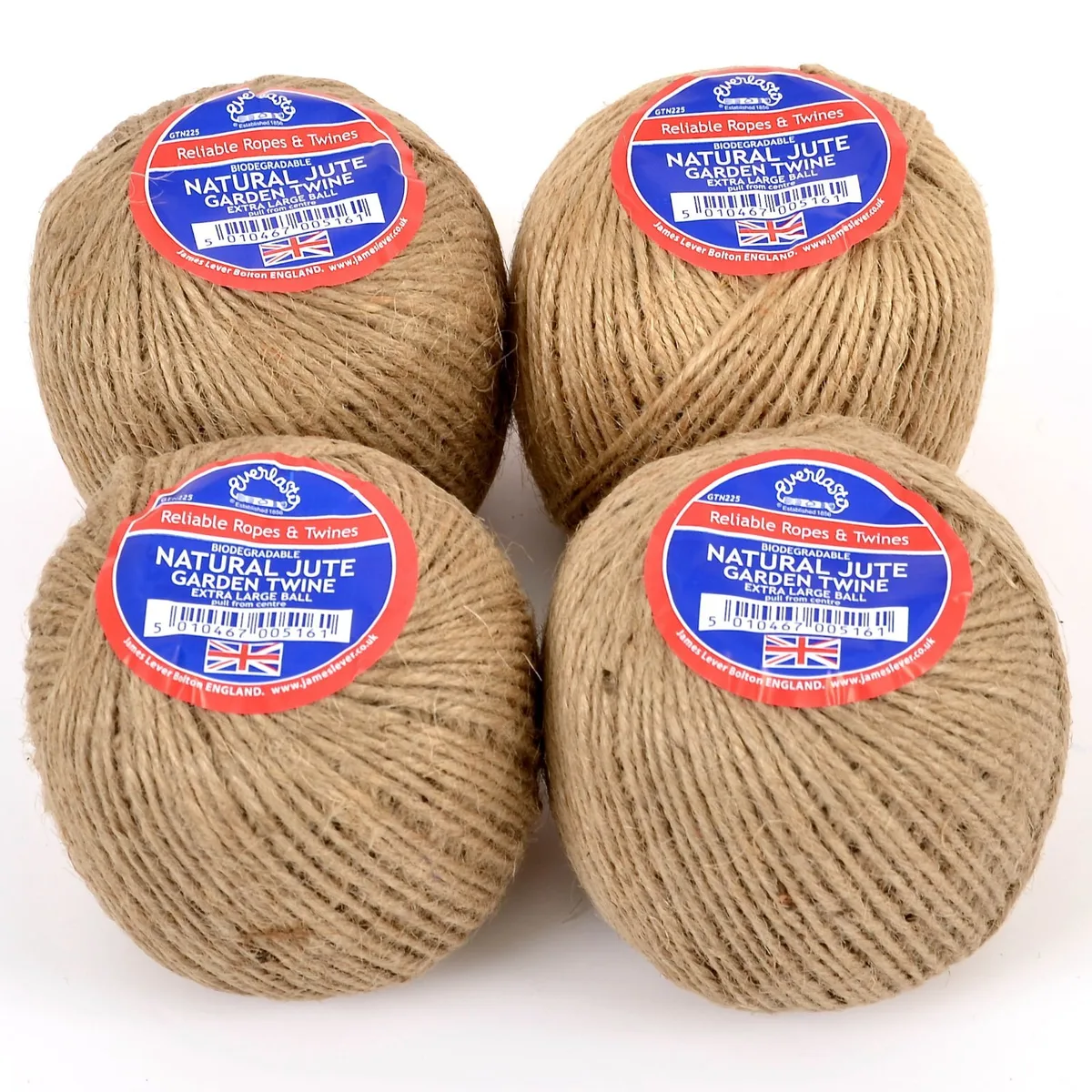
Jute is the most common choice for vegetable gardens and allotments. It's soft enough to tie delicate stems without cutting in, and it breaks down naturally at season's end. If you're already using a plant-safe option for your vegetable beds, it's almost certainly a natural fibre and needs breathable storage.
The Right Storage Method Based on Your Twine and How Often You Use It
Fibre type determines your container. Frequency of use determines the format.
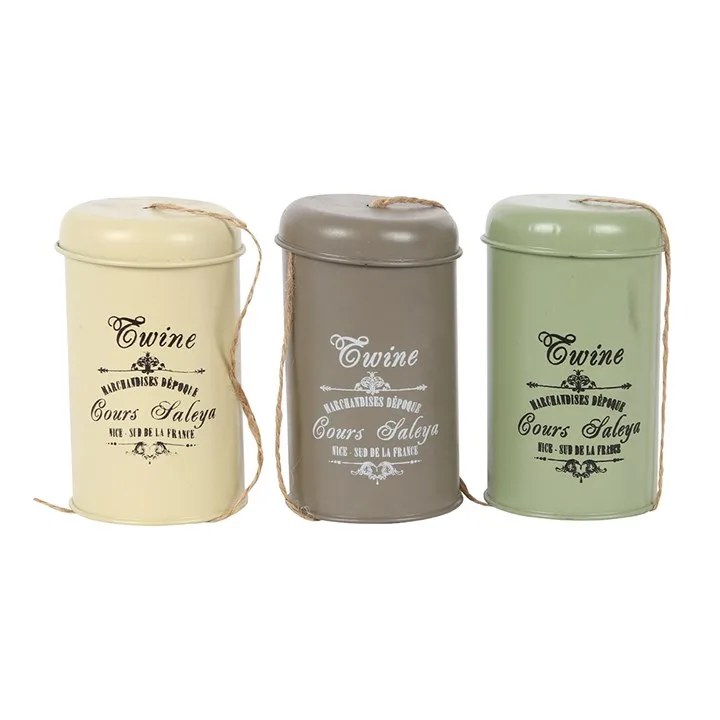
Natural Fibre Twine (Jute, Sisal, Cotton)
Natural twine needs airflow above all else. An airtight container traps residual moisture in the fibres and accelerates rot. The most practical options are:
- A breathable cloth or hessian bag (good for a single ball used regularly throughout the season)
- A metal tin with a small hole drilled in the lid (keeps the ball contained, tangle-free, and ventilated)
- An open-topped ceramic or terracotta pot on a dry potting bench (works well indoors or in very dry sheds)
The tin method works best for day-to-day use. Thread the free end through the lid hole and pull as needed, one-handed. It's especially effective with heavier jute grades that tend to unravel when left loose on a shelf.
If you work with hemp twine for plant support, apply the same breathable rules. Hemp is a natural plant fibre with similar moisture behaviour to jute.
Synthetic Twine (Polypropylene, Nylon)
Synthetic twine doesn't need breathability. It needs shade and a stable temperature. A sealed tin, dark-coloured plastic tub, or opaque airtight container all work well.
Keep it away from windows, skylights, and clear greenhouse panels.
Multiple Rolls
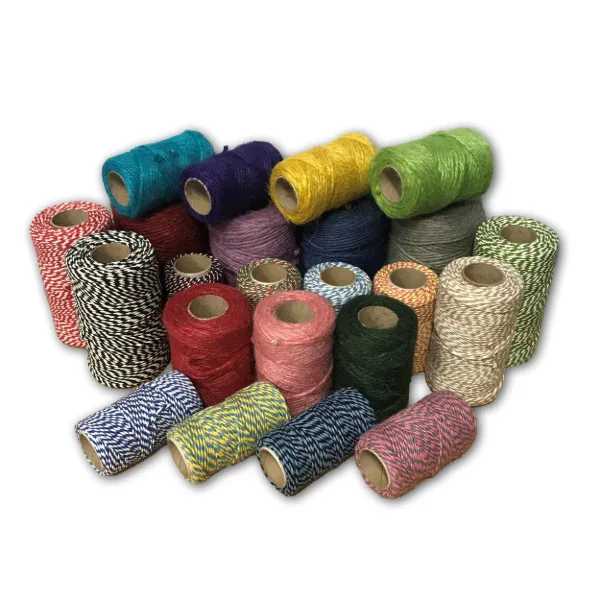
If you store several rolls, label each by fibre type and thickness and use partial balls first. A quick label takes ten seconds and prevents applying the wrong storage conditions to the wrong type.
Where to Keep It: Shed, Greenhouse, or Indoors
Location matters as much as the container.
Garden shed. Works well for synthetic twine in a sealed, opaque container. For natural fibre, the shed needs good ventilation and a raised shelf. Damp concrete floors push local humidity up, and twine stored at ground level absorbs that moisture through the base of the container over time.
Simply placing a wooden board underneath makes a real difference. Keeping stored materials off the floor in a ventilated shed is a core recommendation in RHS horticultural guidance for reducing moisture-related damage to garden supplies.
Greenhouse. Heat and humidity fluctuate dramatically through spring and summer. Natural fibre twine that repeatedly cycles between damp and dry degrades faster than twine sitting in steady conditions. If you keep working twine in the greenhouse for convenience, store only a week's supply at a time in a breathable cloth pouch or small open tin.
Indoors. A utility room, garage interior, or kitchen shelf is the best option for long-term storage of natural fibre twine. Stable temperatures and low humidity keep it in good condition through long off-season gaps. If you use twine for tying climbing plants across multiple raised beds, keeping the main supply indoors until planting day is the simplest protection you can give it.
Mistakes That Degrade Twine Faster Than Any Garden Season Will
Sealing natural fibre airtight. It feels protective, but it traps moisture inside the container. Jute and sisal need to breathe, even in long-term storage.
Leaving synthetic twine near windows. Polypropylene loses strength under UV radiation. A clear plastic tub on a bright shed shelf delivers nearly the same UV load as leaving twine outdoors.
Storing twine on a concrete floor. Concrete wicks ground moisture and raises local humidity at floor level. Even a sealed container absorbs that through its base over time.
Mixing unlabelled twine types. If you use natural twine for delicate tying alongside synthetic options, keep them clearly labelled in separate containers. Unlabelled twine in the same box makes applying the wrong conditions to one type almost inevitable.
Ignoring rodent access. Natural fibre twine is attractive nesting material for mice and rats, particularly in autumn. Penn State Extension research documents significant rodent damage to stored organic materials in uninsulated outbuildings. A sealed metal container with a small drilled dispensing hole handles both the pest problem and the ventilation requirement.
Skipping an end-of-season check. Twine that looks fine in October can arrive at spring planting brittle and weak. A quick check before putting it away saves discovering the problem when you actually need it.
How to Store Garden Twine Over Winter (Off-Season Protocol)
Winter is when storage conditions do the most harm. Six months in a cold, damp shed damages twine far more than a full growing season of regular use.
Before putting anything away, check each ball for mould, brittleness, or rodent damage. Anything already weakened won't recover in storage. Cut off any compromised section and use it for light bundling, or compost it if it's a natural fibre.
If natural fibre twine has been used in wet conditions, let it dry before storing. Lay it loosely on a dry surface in a ventilated space for a day or two. Storing damp jute or sisal is the fastest route to unusable twine by March.
Once dry, move natural fibre twine into a stable indoor environment rather than leaving it in an unheated shed. Synthetic twine can stay in the shed in a sealed opaque container, as long as it stays off the floor.
Frequently Asked Questions
How long does garden twine last in storage?
Natural fibre twine such as jute, sisal, and cotton typically lasts one to three years in proper conditions. Synthetic polypropylene or nylon can last three to five years if kept out of UV light. Damp or direct sunlight can reduce those figures significantly within a single off-season.
Can you store jute twine in an airtight container?
No. Jute is a natural plant fibre that needs airflow to prevent mould and rot. Sealing it airtight traps residual moisture and accelerates fibre breakdown.
Use a breathable cloth bag or a metal tin with a small drilled hole in the lid to keep jute in good condition long-term.
How do you stop garden twine from tangling in storage?
Keep the ball inside a contained dispenser rather than loose on a shelf. A tin with a hole in the lid lets you pull twine cleanly without the ball rolling and knotting. Winding any loose lengths back onto the ball before storing also helps.
Does cold temperature damage garden twine?
Cold alone doesn't cause significant damage to natural or synthetic twine. The real risk is freeze-thaw cycling combined with moisture. Wet jute that repeatedly freezes and thaws loses fibre integrity faster than twine kept cold and dry.
Make sure natural fibre twine is fully dry before any period of cold storage.
Can you store different types of twine together?
You can, but label them clearly. Natural and synthetic twines need different storage conditions, and mixing them unlabelled makes it easy to apply the wrong approach to one type. Keep each type in its own container with the fibre type and grade written on the lid.
Similar Posts