Best Garden Rope for Decking: What to Use
Founder & Lead Horticulturist at Gardener Expert · RHS Master of Horticulture, Certified Professional Horticulturist (CPH) · 16+ years in residential organic gardening, plant propagation, and structural plant training
Choosing what garden rope to use for decking trips up a lot of people, and it's not hard to see why. The options look similar at the garden centre and the price gap feels minor. Natural rope has a look that's genuinely hard to beat.
The problem is, most natural rope is quietly terrible for outdoor use.
As of 2026, sisal and jute still dominate garden rope displays despite routinely failing within a single season in exposed UK conditions. UV breakdown, moisture absorption, and fibre shedding make them a poor fit for decking environments. What follows covers the real options, how they compare, and which one actually suits your setup.
The Short Answer: What Garden Rope Actually Works Outdoors
Polyester rope is the strongest all-round option for garden decking. UV-stabilised polypropylene works well on a tighter budget. Natural ropes like sisal and manila fail outdoors within a year.
For structural deck railings, check compliance with Approved Document K. Common decking rope diameters run from 18mm to 36mm.
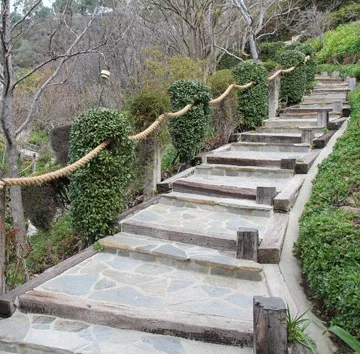
For decorative rope railings, go straight to polyester. It holds colour, resists UV well, and doesn't sag over time. UV-stabilised polypropylene is a solid second choice for a tighter budget.
Natural ropes look good in the shop. In practice, they grey out, shed fibres, and start to rot within a year. Natural-look synthetic ropes bridge that gap: the traditional aesthetic backed by proper outdoor durability.
Decorative vs. Structural Rope Railings: Why the Difference Changes Everything
Before picking any rope, settle one question: is this railing decorative, or does it actually need to stop someone from falling?
A decorative rope railing adds character and bears no meaningful load. Nobody leans against it in any way that matters structurally. Aesthetics and weather resistance are your only real criteria here.
A structural rope balustrade is an entirely different matter. Any domestic deck raised more than 600mm above ground requires a guarding structure. That structure must resist a defined horizontal load, per Approved Document K under UK Building Regulations.
The Health and Safety Executive is clear that fall protection on elevated structures is not optional.
Natural fibre ropes are not engineering-grade materials. Using them as a primary structural guard without a specialist's sign-off creates a genuine safety liability. Most homeowners are building decorative railings, but it's worth being certain before you spend on materials.
The Main Rope Types for Decking, Honestly Compared
Here's what each rope type actually delivers once it's threaded through your posts and exposed to real outdoor conditions.
Manila Rope
Manila comes from abaca plant fibres and has a warm, golden-brown look that suits traditional and coastal garden aesthetics. It's the rope most people picture when they think of a classic rope railing. The downside is real: manila absorbs water, weakens when wet, and sheds fibres that stain pale composite decking boards.
Expected outdoor lifespan is one to three years, shorter in coastal or exposed locations.
Sisal and Jute Rope
Sisal and jute are cheaper and softer than manila, but they degrade faster outdoors than any other rope type. UV exposure turns them brittle and grey within months. Both are genuinely useful for softer garden binding tasks and tying plants in the vegetable garden, but neither belongs on a deck.
Keep them dry.
Polypropylene Rope
Polypropylene is lightweight, water-resistant, and the cheapest synthetic option. For decking use, you specifically want UV-stabilised polypropylene. Without UV stabilisation, standard poly rope becomes brittle and crumbles within a few seasons.
Its main drawback is a slight plastic sheen that doesn't suit every garden style.
Polyester Rope
Polyester is the standout performer for outdoor decking. It resists UV degradation, holds colour year after year, and stays dimensionally stable under tension. Unlike nylon, polyester has very low stretch, which matters for rope railing runs where sagging is a problem.
The Cordage Institute's testing guidelines confirm polyester retains high tensile strength even after extended UV exposure. At a higher price per metre than polypropylene, its decade-plus outdoor lifespan makes the cost easy to justify.
Nylon Rope
Nylon is strong and durable, but it stretches under load and absorbs more water than polyester. For fixed deck railings, that stretch means rope runs sag noticeably over time. It suits boat pontoon decking and applications where some elasticity is an advantage.
Natural-Look Synthetic Rope
This is the option worth knowing about. These ropes are made from polyester or polypropylene, spun and dyed to mimic manila or hemp. You get a warm, traditional rope look with a lifespan of eight to fifteen years outdoors.
For most homeowners who want both aesthetic and durability, this is the category to shop first.
Side-by-Side: Which Rope Wins for Outdoor Decking
| Rope Type | UV Resistance | Rot Resistance | Outdoor Lifespan | Aesthetic | Approx. Cost/m |
|---|---|---|---|---|---|
| Manila | Poor | Poor | 1-3 years | Warm, traditional | £1.50-£3 |
| Sisal / Jute | Very Poor | Very Poor | Under 1 year | Rustic | £1-£2 |
| Polypropylene (UV) | Good | Excellent | 5-8 years | Slight sheen | £2-£4 |
| Polyester | Very Good | Excellent | 8-15 years | Clean, neutral | £3-£7 |
| Nylon | Moderate | Good | 5-10 years | Smooth | £2.50-£5 |
| Natural-look synthetic | Very Good | Excellent | 8-15 years | Traditional | £4-£8 |
Lifespan figures are drawn from manufacturer specifications and aggregate verified buyer data across UK outdoor conditions. Coastal and full-sun locations push natural ropes toward the shorter end of their range. Shaded north-facing decks are gentler on all types but raise mould risk on natural fibres.
Which Rope Fits Your Specific Setup
The right choice depends on your conditions and priorities, not just a general ranking.
Shaded, low-traffic decorative railing: Manila is tolerable here if you treat it annually with penetrating linseed oil and accept a replacement cycle of two to three years. Keep it off pale composite boards to avoid tannin staining.
Sunny or coastal garden with a decorative railing: Skip natural fibres entirely. UV-stabilised polypropylene gives you a practical budget option, but polyester or natural-look synthetic is worth the extra spend for results that last.
Budget-conscious with decent outdoor performance: UV-stabilised polypropylene is your best call. Avoid any coil that doesn't specify UV stabilisation on the label.
Structural balustrade on a raised deck: Polyester or marine-grade nylon in the correct load-rated diameter, installed with proper post fittings. Confirm compliance with Approved Document K before finalising materials. Plant-grade cordage is not a substitute for structural rope, however heavy-duty it appears.
Rental property or low-maintenance priority: Natural-look synthetic rope is the clear winner. It looks like traditional rope, needs no annual treatment, and won't need replacing for a decade. The full range of garden cordage has options across all price points.
Mistakes That Ruin Deck Rope Fast
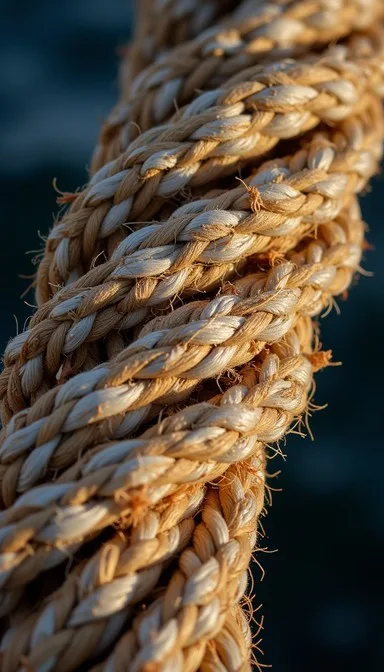
The most common mistake is buying natural rope because it looks right at the point of purchase. Manila, sisal, and jute all photograph beautifully. Even heavier-duty jute formats aren't built for prolonged UV exposure and rain cycling outdoors.
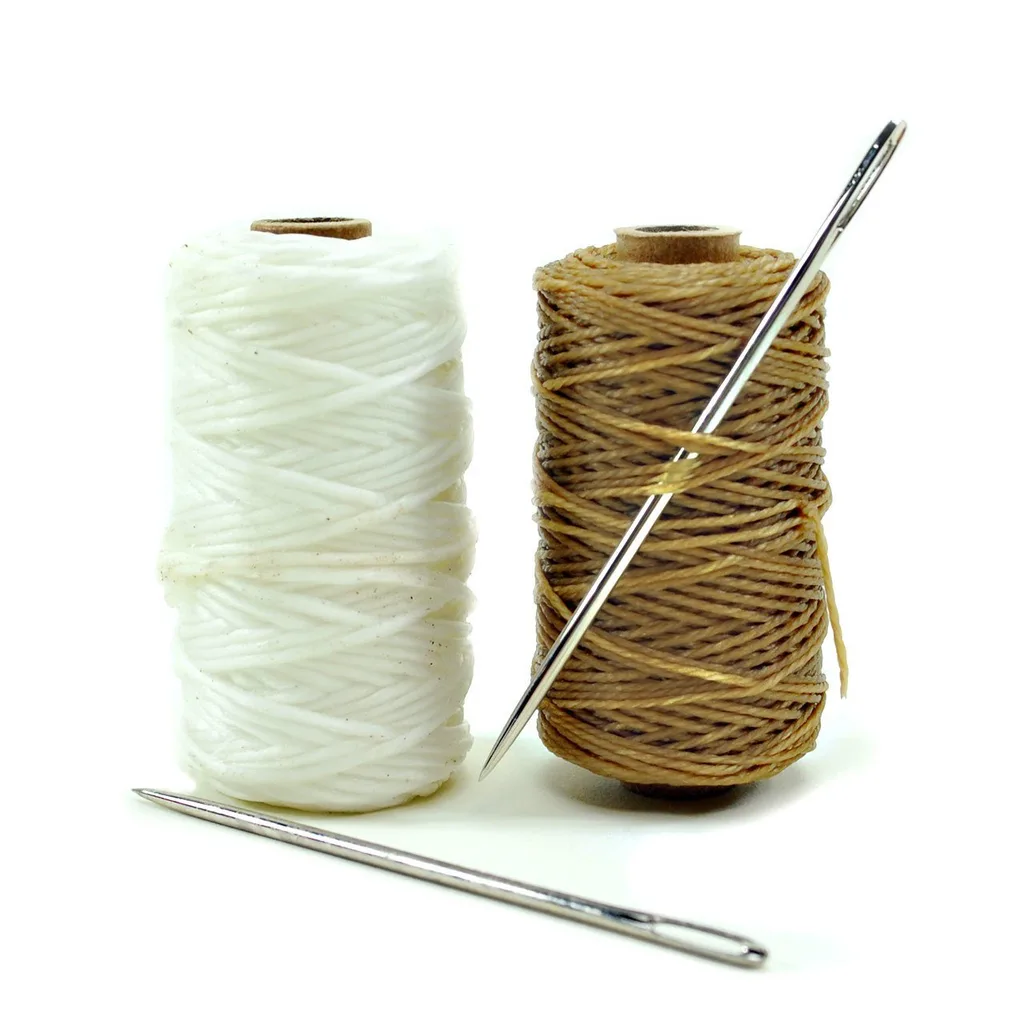
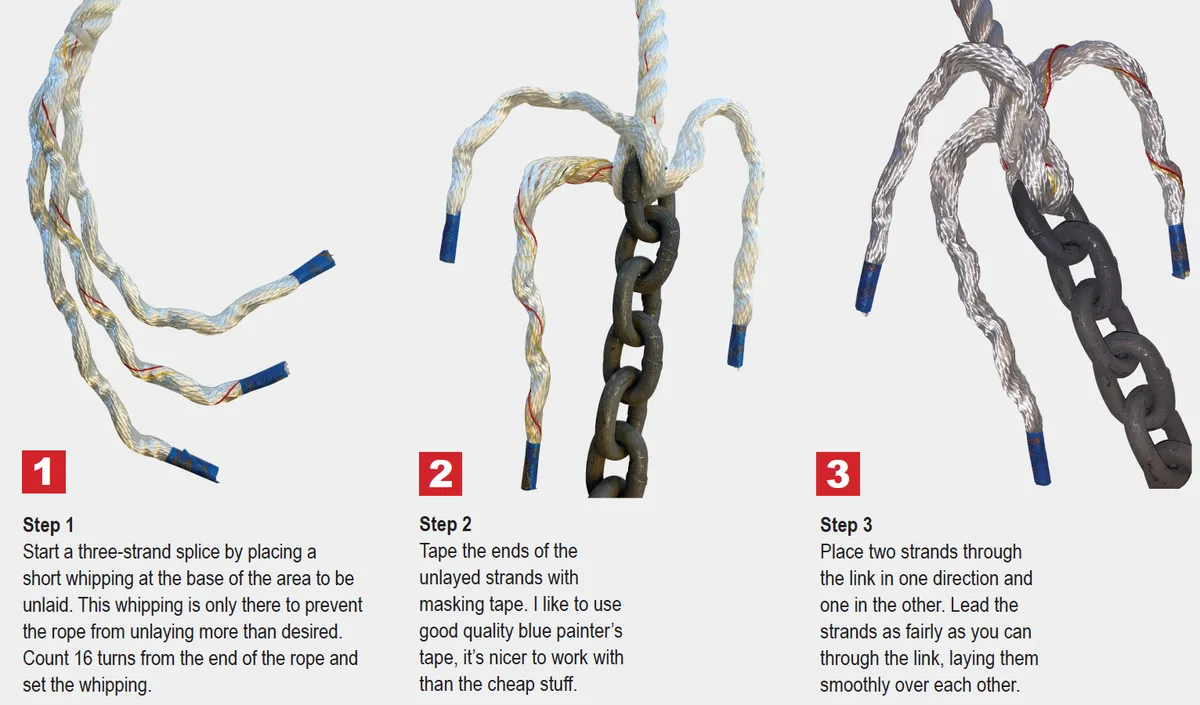
Not sealing rope ends. Cut rope frays fast, especially in twisted constructions. Heat-seal synthetic ends with a lighter or wrap natural ends with whipping twine immediately after cutting. Frayed ends catch on post holes and accelerate the whole rope's deterioration.
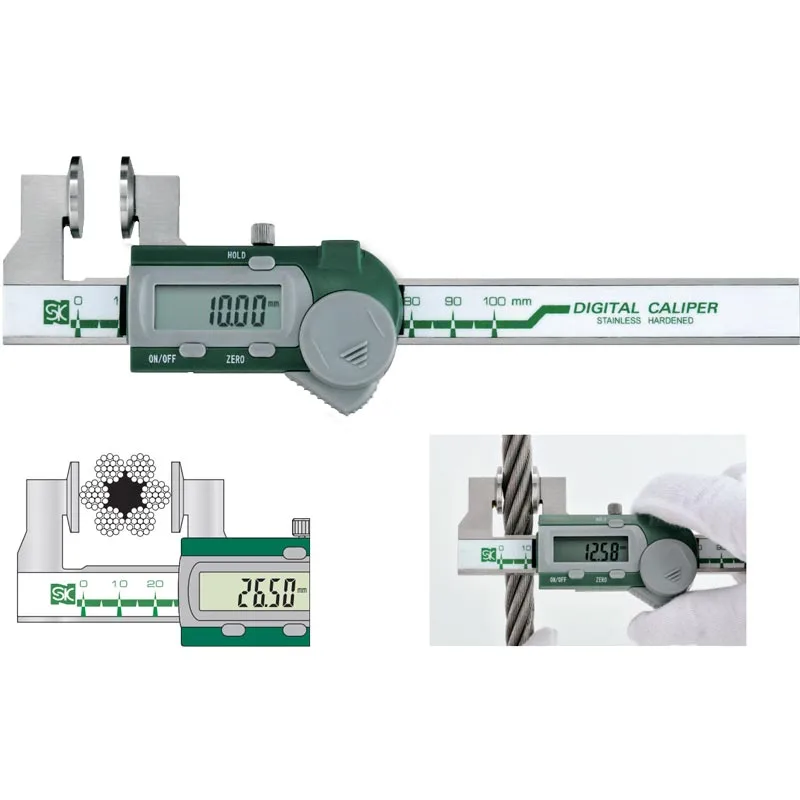
Using the wrong diameter. Most decorative deck rope posts are drilled for a specific size. Forcing a 24mm rope through a 20mm hole compresses the fibres and damages the rope's structure. Measure the post hole before ordering materials.
Skipping annual maintenance on natural rope. If you've committed to manila for aesthetic reasons, treat it once a year with raw linseed oil. It won't rescue neglected rope, but it meaningfully slows moisture absorption on a well-kept installation.
Buying unbranded polypropylene. Generic poly rope often lacks UV stabilisation. Aggregate buyer reviews consistently flag colour loss and brittleness within two seasons on unlabelled poly rope. Check the product spec before you buy.
Over-tightening between posts. Rope needs a slight natural droop between posts. Pulling it rigid under high tension compresses the fibres and causes permanent deformation, especially on twisted ropes.
UK Building Regulations and Safety Rules for Rope Balustrades
If your deck sits more than 600mm above ground, balustrade requirements apply by law. The specific numbers matter more than most people realise.
Under Approved Document K, a residential deck balustrade must reach a minimum height of 1.1 metres from the deck surface. The maximum gap between any two rope runs is 100mm. That's the "100mm sphere rule," designed to prevent children from getting their heads trapped.
Five standard rope runs at equal spacing through a 1.1m post height typically satisfies this requirement. Verify your own post spacing before cutting any materials.
The structural load requirement is 0.36 kN per linear metre of horizontal force. In practical terms, that's roughly 36kg of lateral push per metre of railing. A decorative rope railing is not designed or tested to this standard.
Most rope suppliers won't certify natural fibre rope to a structural load standard. If compliance matters, ask your supplier for a written tensile strength specification that covers outdoor wet conditions.
Rope balustrades in rental properties carry additional responsibility. If a guest is injured on a non-compliant railing, liability sits with the property owner. Get the installation confirmed by a structural engineer or specialist decking contractor if there's any doubt at all.
Frequently Asked Questions
What diameter rope should I use for decking?
The standard range for deck rope is 18mm to 36mm. Your post hole dictates the size: measure the drilled opening first, then choose rope with 2-3mm of clearance. For decorative railings, 24mm is the most commonly specified diameter and works with most standard post kits.
How do I stop deck rope from sagging between posts?
Use a low-stretch rope (polyester performs best here), thread it with moderate tension rather than pulling it taut, and keep post spacing between 1.0 and 1.5 metres. Longer spans will always develop some droop over time. Twisted rope also holds tension more consistently than braided for fixed railing runs.
Can I use sisal rope on an outdoor deck?
No. Sisal loses significant tensile strength within a single wet season outdoors and becomes brittle and grey from UV exposure within months. It's a good material for plant ties and sheltered garden tasks, but it's not suitable for any exposed decking application regardless of how it's finished.
How long does outdoor rope railing last?
It depends entirely on the material. Sisal and jute last under a year in exposed conditions. Manila gives you one to three years.
UV-stabilised polypropylene runs five to eight years. Polyester and natural-look synthetic rope routinely reach eight to fifteen years with no treatment required.
Does garden rope need to be treated or maintained?
Natural ropes benefit from an annual application of raw linseed oil to slow moisture absorption. Synthetic ropes, including polyester and polypropylene, need no treatment at all. A once-a-year visual check for fraying, UV brittleness, or sag is all the upkeep a well-specified synthetic rope railing requires.
Similar Posts