How to Stop Garden Rope From Rotting Fast

Figuring out how to stop garden rope rotting is less about one universal fix and more about matching the right solution to the right material. Natural fibres rot through biological decay. Synthetic ropes don't rot, but UV radiation breaks them down just as thoroughly.
These are different problems with different answers.
As of 2026, most jute twine sold for garden use is untreated and carries an outdoor lifespan of just one to two seasons. With proper pre-treatment and the right storage routine, that extends to three or four. The sections below walk through each key decision, from choosing your rope type to packing it away at season's end.
Quick Answer
To stop garden rope rotting, start by matching rope to the right conditions. Natural fibres like jute and sisal need a pre-season oil or wax treatment. Keep rope away from direct soil contact and pooled water.
Dry rope completely before storing at season's end. Synthetic ropes won't rot, but UV still degrades them over time.
Why Garden Rope Rots, and Why the Fix Depends on What You're Using
Natural garden ropes are built from cellulose-rich plant fibres. Soil bacteria and airborne fungi feed on cellulose when warmth and moisture are present. The warmer and wetter the conditions, the faster the breakdown.
The Royal Horticultural Society identifies sustained humidity and direct soil contact as the two primary drivers of fibre breakdown in garden materials. Knots and ground-contact points always fail first because moisture collects there and can't evaporate.
Synthetic ropes like polypropylene and nylon contain no cellulose, so bacteria have nothing to feed on. Their failure mode is UV radiation, which breaks down polymer chains over time. After two to three seasons of full sun exposure, synthetic rope becomes chalky and brittle, snapping under load without obvious warning.
Understanding which failure mode applies to your rope determines which prevention steps are worth taking. If you're using fibre twine in your vegetable plot, your enemy is moisture and fungi. If you're running polypropylene across a frame, UV protection and off-season storage are your priorities.
Natural Fibre or Synthetic: The Decision That Shapes Everything Else
Most garden rope splits into two clear categories. Natural fibres biodegrade over time, which is useful when you want rope to break down at season's end. Synthetic fibres resist rot entirely but degrade in sunlight.
The right choice depends on how long the rope stays outdoors and what conditions it faces.

Jute, Sisal, Coir, and Hemp: How They Compare in the Ground
These four fibres cover most natural garden rope use, but they're not equally durable outdoors. Coir (coconut fibre) and hemp resist rot better than jute or cotton. Here's how they compare under typical outdoor growing conditions:
| Fibre | Untreated Lifespan | Rot Resistance | Best Use |
|---|---|---|---|
| Jute | 1–2 seasons | Low | Light tying, single-season crops |
| Sisal | 2–3 seasons | Moderate | Trellising, tomatoes, beans |
| Coir | 3–5 seasons | Good | Permanent supports, long-term training |
| Hemp | 3–5 seasons (treated) | Good | Heavy-duty outdoor use |
Jute is cheap and fully biodegradable, making it a practical choice for single-season plant tying. Its low rot resistance makes it a poor candidate for treatment and reuse. Hemp holds up much better when pre-treated and suits heavier outdoor tasks that need consistent support across multiple seasons.
Polypropylene, Nylon, and Polyester: When Rot Isn't the Problem
Synthetic ropes don't biodegrade. Polypropylene is the most common in garden settings: lightweight, inexpensive, and completely rot-proof. Nylon absorbs a small amount of moisture but resists UV better than polypropylene.
Polyester sits between the two on UV performance and holds its strength when wet.
For rope that stays outdoors year-round, synthetic is the practical choice. The trade-off is environmental: synthetic rope can't be composted, and UV breakdown causes it to shed plastic fibres over time.
How to Treat Natural Fibre Rope Before It Goes Outdoors
Pre-treatment is the single biggest factor in extending natural rope life. It doesn't fully waterproof the fibre, but it slows moisture absorption and creates a barrier against fungal spores. Applied before the first season, it typically adds one to two extra years of usable life.
Linseed Oil, Beeswax, and Tarred Twine: What Actually Works
Three treatments are genuinely effective for garden rope, and each suits a slightly different situation:
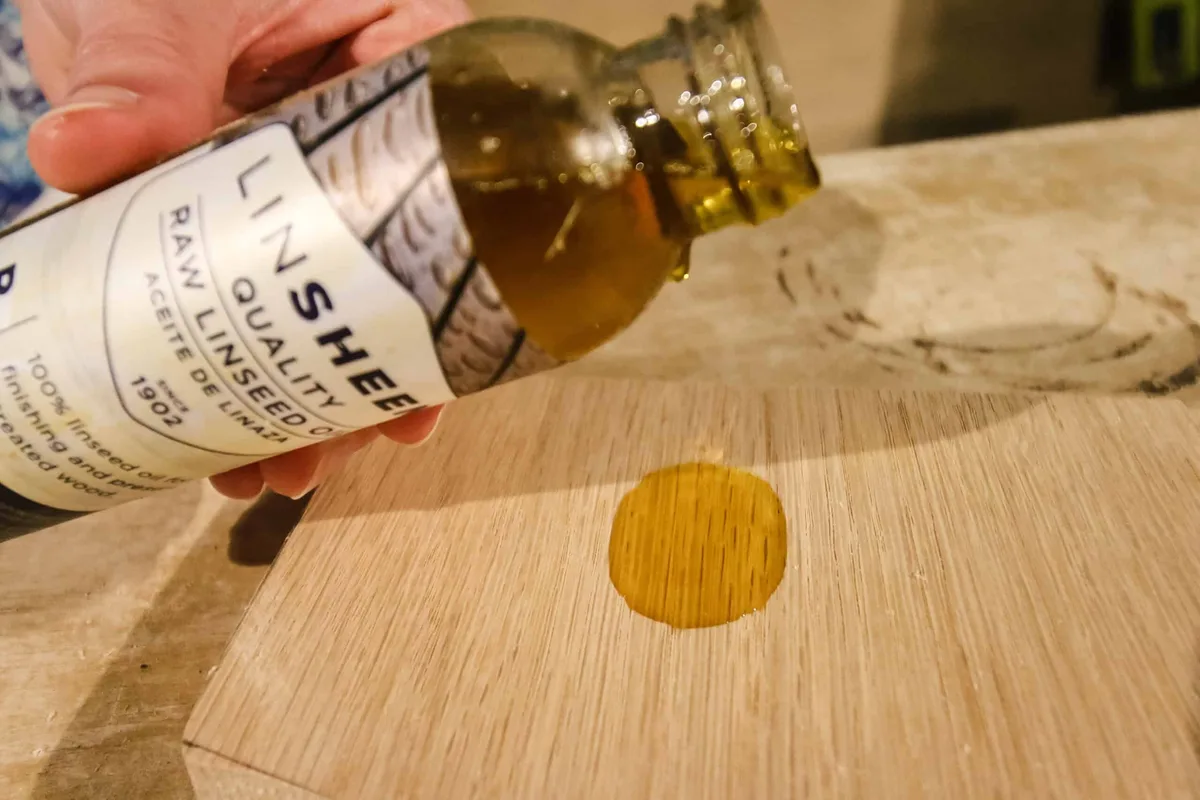
Raw linseed oil soak: Submerge the rope for 30 to 60 minutes, then hang it to drip-dry in a ventilated area for at least 48 hours before use. Raw linseed oil penetrates deeply and is food-safe once fully cured, making it suitable near edible crops. Avoid boiled linseed oil near vegetables as it contains metallic driers.
Beeswax rub: Melt a block of beeswax and draw the rope slowly through it, coating every strand. This is quick and creates a reliable water-repellent surface. It works especially well on finer twines where a full soak risks over-saturating the fibre.
Tarred twine: Rope pre-treated with Stockholm tar or pine tar comes ready to use straight from the pack. It has a long track record in marine and agricultural settings. Tar-treated thick-gauge twine suits permanent outdoor supports where durability is the priority.
Avoid creosote-based treatments entirely. Under UK regulations, creosote is restricted to professional use only and isn't available for domestic garden application. It's also toxic to plant roots.
How You Route and Rig Rope Changes How Fast It Degrades
Even well-treated rope rots quickly if it's routed carelessly. Direct soil contact and trapped moisture at knot points are the two fastest accelerators of decay. Both are preventable.
Keep rope off the ground wherever possible. Where low anchoring is unavoidable, thread the rope through a short section of rubber hose or a plastic sleeve at the contact point. This keeps the fibre away from wet soil without affecting how the rope functions.
Knots need separate attention. A tight, wet knot stays damp for days after the surrounding rope has dried. Loosen knots at the end of each growing week, or switch to a slip-knot style that eases tension and allows airflow.
Rope that dries faster lasts longer.
Watch where rope runs along flat surfaces or low-drainage zones. Twine laid across the top of a raised bed board or along a polytunnel base holds moisture and rots fast. Elevate routing points, drill holes rather than running rope across flat surfaces, or use a weather-rated natural option suited to sustained outdoor exposure.
End-of-Season Cleaning, Drying, and Storage Done Right
How you put rope away determines whether it's still usable next spring. Rope stored even slightly damp almost always comes out rotted.

Untie the rope from all fixtures and shake off loose soil and debris. If it's visibly dirty, rinse with clean water. Hang it loosely in a ventilated space rather than coiling it right away.
Coiling traps moisture at the core where air can't reach.
Leave it hanging for 48 to 72 hours in a cool, aired shed or garage. Don't use a heat source to speed things up. High heat weakens natural fibre at the strand level, causing brittleness before any visible damage appears.
Once fully dry, coil it loosely and store it in a breathable container. A hessian sack, mesh bag, or open wooden crate all work well. Sealed plastic bags restart the decay cycle by trapping residual moisture.
Store in a cool, dark, dry space away from damp concrete floors.
Before reusing rope the following spring, inspect every metre. Soft spots, yellowing, grey-black patches, or a musty smell all signal compromised fibre. Check the full garden twine range before relying on rope that's already showing early signs of breakdown.
Which Rope for Which Garden Situation: A Practical Decision Guide
The right rope for one job is the wrong choice for another. A fig tree trained against a south-facing wall needs rope that holds tension for years. A courgette plant needs single-season twine and nothing more.
Getting the match right from the start prevents mid-season failures.
| Situation | Best Rope | Treatment Needed? |
|---|---|---|
| Single-season vegetables (peas, beans, courgettes) | Jute | No |
| Multi-season trellis work (tomatoes, roses) | Sisal or coir | Yes (oil or wax) |
| Fruit tree training (espalier, fan, cordon) | Hemp or coir | Yes (raw linseed) |
| Permanent year-round outdoor frames | Polypropylene | No |
| Organic or kitchen garden near edibles | Linseed-treated hemp | Yes |
| Coastal or high-humidity conditions | Coir or treated hemp | Yes |
Many growers run two rope types at once: untreated jute for annual vegetables and coir or pre-treated hemp for permanent woody plant supports. It's a practical way to keep costs down without compromising durability where it actually matters.
Frequently Asked Questions
How long does untreated jute twine last outdoors?
Untreated jute typically survives one full growing season. In wet summers or coastal gardens, it can fail within eight to ten weeks. Pre-treating with raw linseed oil extends that to two or three seasons.
Jute is best suited to single-season tying rather than permanent installation.
Can I compost garden rope at the end of the season?
Natural fibre ropes, including jute, sisal, hemp, and coir, are compostable. Untreated rope breaks down cleanly. Rope treated with raw linseed oil or beeswax remains compostable once the treatment has fully cured.
Avoid composting heavily moulded rope or tarred twine. Bag and bin those instead.
Is raw linseed oil safe near vegetables?
Yes. Raw linseed oil is food-safe once fully cured, which takes roughly 48 to 72 hours of air drying. It's widely used as a natural preservative in kitchen gardens.
Avoid boiled linseed oil near edible crops as it contains metallic drying agents.
Does synthetic rope rot in the garden?
No. Synthetic ropes like polypropylene and nylon contain no cellulose, so bacteria have nothing to break down. Their failure mode is UV degradation, which makes the rope brittle and prone to snapping after two to three seasons of full sun exposure.
What's the best rope for climbing plants in a wet climate?
Coir is the best choice for wet conditions. It's naturally more rot-resistant than jute or sisal and typically lasts three to five seasons even with regular rainfall. Pre-treating with raw linseed oil extends its lifespan further.
In very wet or high-humidity gardens, treated hemp is a strong alternative.

Similar Posts