Garden Twine 101: Tie, Train, and Trellis Like a Pro
Knowing how to use garden twine correctly is the difference between plants that grow strong and supported, and stems that get strangled or left to flop by midsummer. It sounds simple until you've watched a tomato buckle under its own weight because a knot slipped, or seen a stem garroted by a tie that was never re-checked.
As of 2026, jute twine remains the most widely used natural garden twine in UK and US home gardens, typically sold in 3-ply thickness on 100m spools. Get the technique right from the start and you'll save plants, save time, and avoid unnecessary frustration.
Quick Answer
Garden twine ties plant stems to supports without damaging tissue. Loop the twine around the stake first. Cross it into a figure-of-eight, then loop loosely around the stem.
Leave at least a thumb-width of slack. Natural jute degrades safely with your plants at season's end.
What Garden Twine Does (and Which Type to Use)
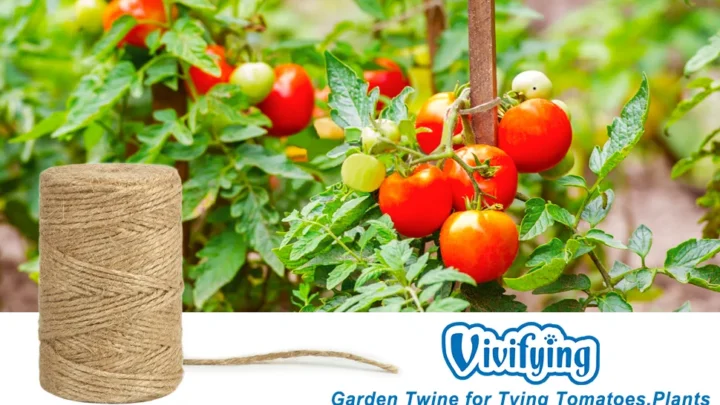
Garden twine is a soft, flexible string used to secure plant stems to canes, wires, or trellis frames. Its job is to support the plant without restricting growth or cutting into tissue as the stem thickens through the season.
Material choice matters more than most gardeners expect. Synthetic polypropylene twine won't break down in soil or compost, leaving microplastic residue every time you pull plants at season's end. Natural fibre twines avoid that problem entirely.
| Twine Type | Material | Biodegradable | Best For |
|---|---|---|---|
| Jute | Plant fibre | Yes (1-2 years) | General tying, vegetables |
| Sisal | Agave fibre | Yes | Heavier plants, tomatoes |
| Coir | Coconut fibre | Yes | Soft-stemmed plants |
| Cotton | Cotton fibre | Yes | Delicate flowers |
| Polypropylene | Synthetic | No | Avoid near edible crops |
Standard 3-ply jute covers most garden jobs. Go to 6-ply or a heavier sisal when supporting fruit-laden tomato trusses or training branches on a mature espalier.
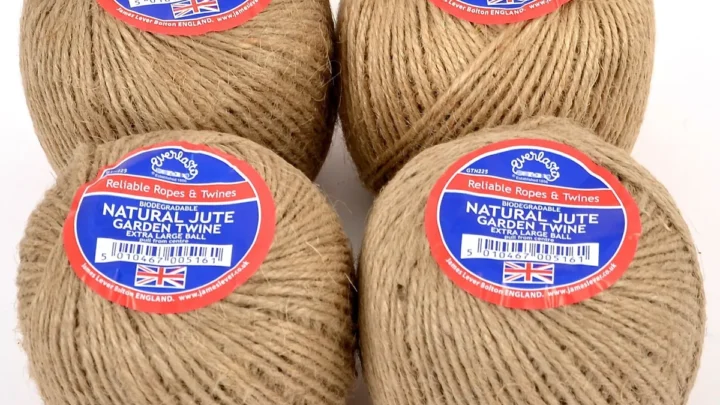
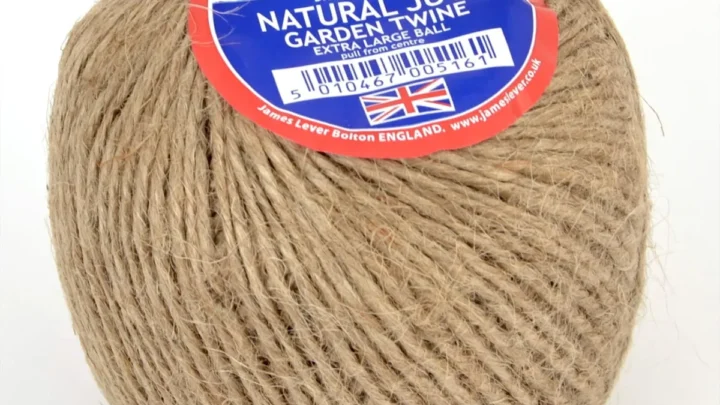
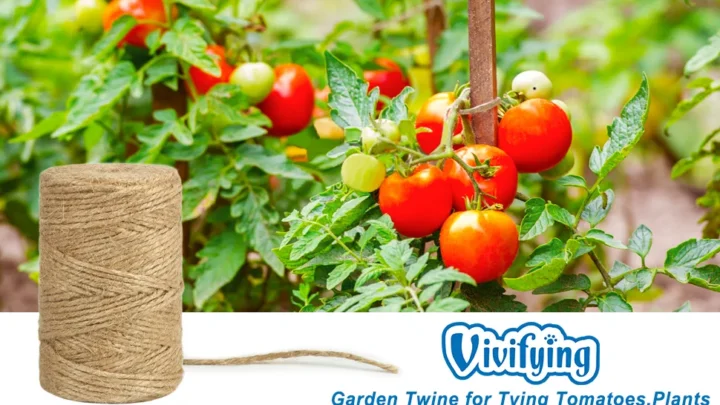
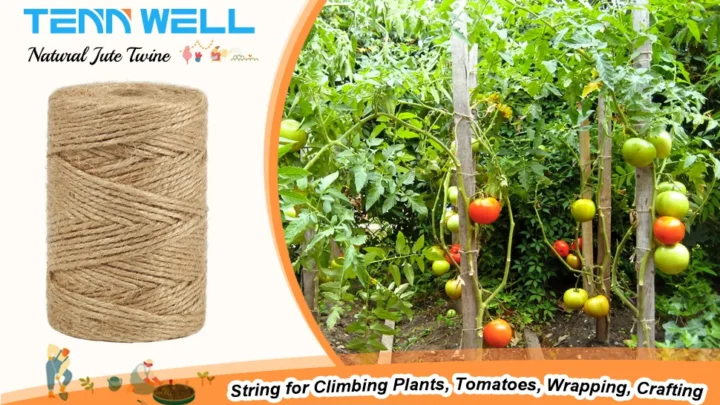
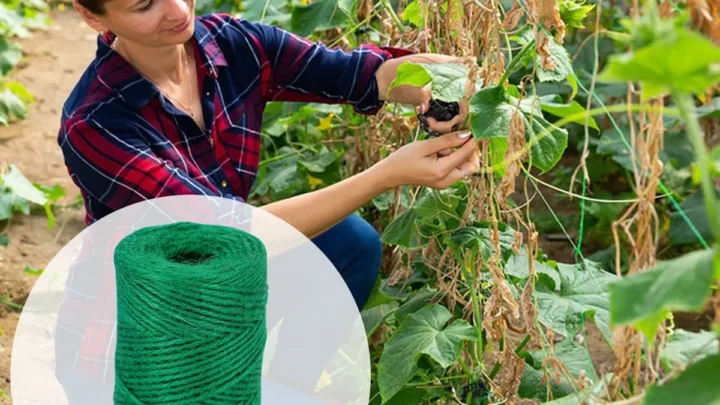
For most home gardeners, natural jute twine is the practical default. It's affordable, gentle on stems, and fully compostable at the end of the season. Hemp twine offers slightly higher tensile strength with the same biodegradable profile, making it a good alternative for heavier plants.
If you're growing vegetables, always check that any twine is untreated. Some commercial sisal is coated with petroleum-based preservatives that have no place near food crops.
The Knots That Hold Without Harming Your Plants
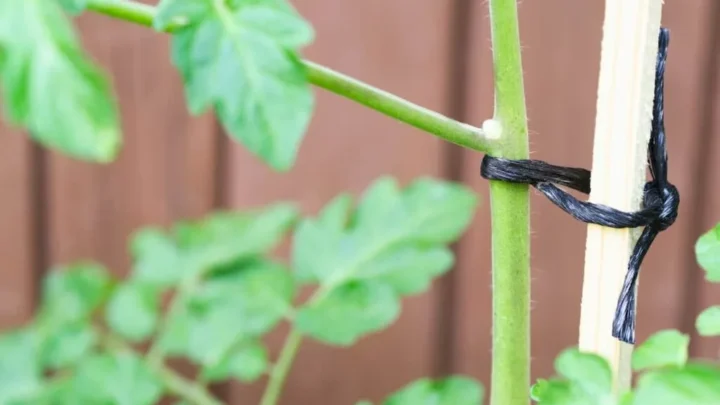
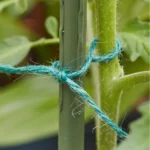
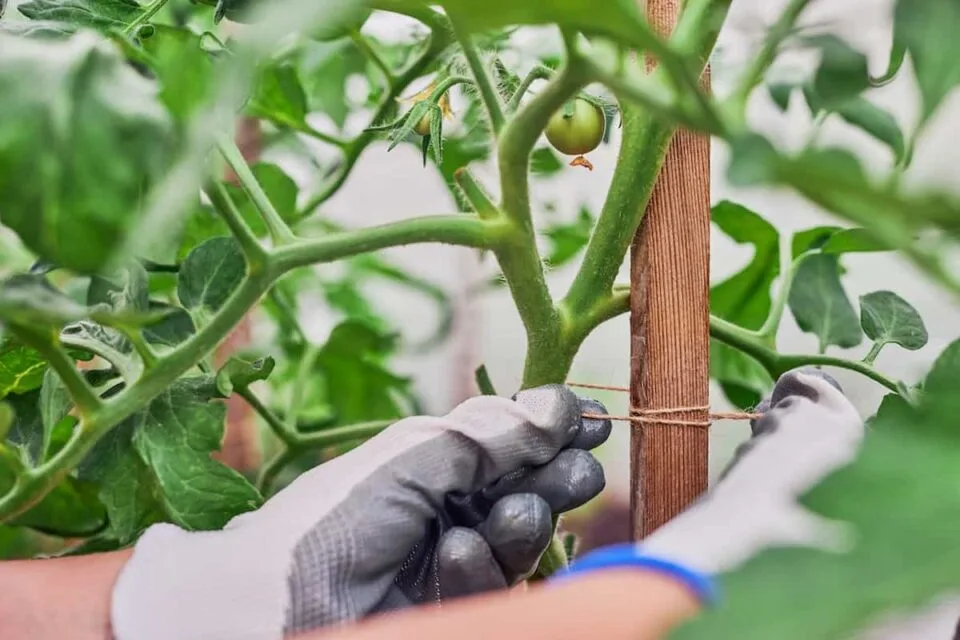
The figure-of-eight knot is the standard for garden tying. It keeps the stem and the stake physically separated, so the plant isn't crushed or abraded against the cane if the support shifts.
Here's how to tie it:
- Cut roughly 25-30cm of twine for a single-stem tie.
- Loop the twine once around the cane or stake and hold both ends.
- Cross the two ends over each other to form an X.
- Bring one end around and through to create the figure-eight middle.
- Loop the other end gently around the stem, keeping clear of leaf nodes.
- Tie off with a reef knot. Leave a thumb-width of slack between stem and support.
Stems expand as the plant grows, especially tomatoes and squash. A tie that fits perfectly in June will be cutting into tissue by August. That slack isn't optional.
Three knots worth knowing:
- Figure-of-eight: best for most stem-to-stake ties. Keeps the stem cushioned away from the cane.
- Slip knot: for adjustable ties you'll need to re-tension as the plant grows taller.
- Simple loop: works for soft-stemmed plants or light flower ties where tension isn't critical.
For plants carrying a heavy fruit load, use 3-ply twine as a minimum. A robust natural twine handles sustained weight without cutting into stems under pressure.
How to Use Twine for Every Common Garden Task
Support the plant, protect the stem, leave room to grow. Those three rules apply everywhere. What changes is the method, based on how the plant actually grows.
Staking Tomatoes, Dahlias, and Tall Single-Stem Plants
Drive a stake firmly into the soil beside the plant, at least 15cm deep to prevent wobble. Attach the twine to the stake first, at the height where the stem needs support. Then apply a figure-of-eight around the stem.
For vegetables grown in rows, add new ties every 20-30cm of vertical growth as the plant climbs through summer.
Tying Climbers to Wires, Canes, and Trellis Frames
Climbers need guiding, not strapping. Use a loose loop for sweet peas, climbing roses, and beans rather than a tight figure-of-eight. Where stems are naturally flexible, weave them through trellis gaps first.
Use twine only at points where a stem actively pulls away from the support.
Running the Florida Weave for a Full Row of Tomatoes
The Florida weave is the fastest way to support a full row of tomatoes. Drive posts at each end and every 1.2-1.5m along the row.
Tie the twine to the first post and weave it alternately in front of and behind each plant. Run a second pass back on the opposite side of the stems for a firm sandwich effect. Repeat every 30cm of plant height through the season.
Espalier and Cordon Training on Fruit Trees
Tie lateral branches to horizontal wires using a loose figure-of-eight. The tie must hold the branch angle without digging into the bark. Use heavy-duty natural twine for fruit tree work and check ties every four to six weeks.
The Royal Horticultural Society recommends loosening trained fruit tree ties at least twice per growing season to prevent bark restriction and die-back above the tie point.
Mistakes That Silently Stress Plants Over the Season
Tying too tight from the start causes harm slowly. Slide a finger between the twine and the stem right after tying. If it's already snug, it's already too tight.
A comfortable tie in spring can become a tourniquet by August.
Not going back to check is equally damaging. Stems thicken, plants lean, and knots slip. Grower feedback points to unchecked ties as a more common source of mid-season stem loss than any tying technique error.
Using synthetic twine near edible crops creates two problems. Treated twines can leach preservative chemicals into the soil. And polypropylene left on the plant ends up as plastic in your compost when the season ends.
Anchoring to the stem instead of the stake puts the full load onto plant tissue. Always tie to the support first, then loop around the stem.
A few more mistakes worth avoiding:
- Tying across leaf nodes or developing side shoots
- Using a single low tie on a tall plant rather than spaced ties up the stem
- Knotting so tightly the twine can't be loosened without scissors
If you spot a stem narrowing just above or below a tie, that's active constriction. Replace the tie immediately.
When to Check, Loosen, Re-Tie, and Remove Twine
Garden twine needs managing throughout the season, not just at planting time. A simple maintenance rhythm keeps plants safe without turning it into a daily task.
| Period | Action |
|---|---|
| Every 2-3 weeks (growing season) | Check tension. Look for constriction or slipped ties. |
| Every 4-6 weeks | Add new ties as plants grow upward. |
| After heavy wind or storms | Inspect for snapped or loosened knots. |
| End of season | Remove synthetic twine. Compost natural twine with plant material. |
Test each tie by pressing a finger against the stem just under the twine. If there's no room to fit it in, the tie is too tight. Loosen it before any harm is done.
For kitchen garden crops like tomatoes and beans, re-checking becomes a near-weekly task by midsummer when growth peaks. Two minutes per plant now prevents weeks of recovery if stems are damaged.
Natural jute and coir twines often degrade on their own by season's end, so you can compost the whole plant with ties attached. Synthetic twine must be physically cut off and removed before anything goes into the compost heap.
Research from the Cornell University Cooperative Extension confirms that consistent plant support throughout the growing season, including timely re-tying, directly improves fruit quality and reduces stress in high-yield vegetable crops.
Frequently Asked Questions
What is the best knot for tying plants with garden twine?
The figure-of-eight is the best all-round knot for garden tying. It physically separates the stem from the stake so the plant isn't crushed if the support moves. Tie to the cane first, cross the twine into a figure-eight, then loop gently around the stem with a thumb-width of slack.
How tight should garden twine be when tying plants?
Loose enough to fit a finger between the twine and the stem. Stems expand through the season, and a snug tie in spring will cut into tissue by late summer. When in doubt, leave more slack rather than less.
Can you leave garden twine on plants over winter?
For annual plants, you can compost the plant and natural twine together at the end of the season. For woody plants like trained fruit trees, remove all twine before winter. Left on woody stems, twine embeds into the bark as branches expand during dormancy and causes permanent damage by spring.
Is jute twine safe for vegetable plants?
Yes. Natural untreated jute is widely used in vegetable growing and is fully safe around edible crops. Always check the label to confirm it's uncoated, as some commercial twines are treated with preservatives.
Buying from a garden-specific supplier reduces that risk.
What is the difference between jute and sisal garden twine?
Jute is softer and degrades faster, making it ideal for general tying and vegetable gardens. Sisal is coarser and stronger, better suited to heavier plants or longer-season tasks. Both are natural and biodegradable.
Jute typically breaks down within a single season, which is useful when you want the twine to decompose with the plant.

Similar Posts