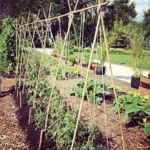
Garden Twine Thickness: How to Choose the Right Size

Knowing how thick should garden twine be is one of those questions that sounds straightforward until a heavy tomato plant collapses mid-August because the twine snapped. Pick something too thin and it can't take the load. Choose too thick and stiff, and it cuts into tender stems, causing hidden damage that opens plants to disease.
As of 2026, most horticultural twine is sold in diameters from 1mm to 4mm, with ply count (2-ply, 3-ply, 4-ply) determining strength as much as raw diameter does. The right choice depends on what you're growing, how heavy it gets at peak season, and how long the tie needs to hold. Here's how to get it right.
Quick Answer
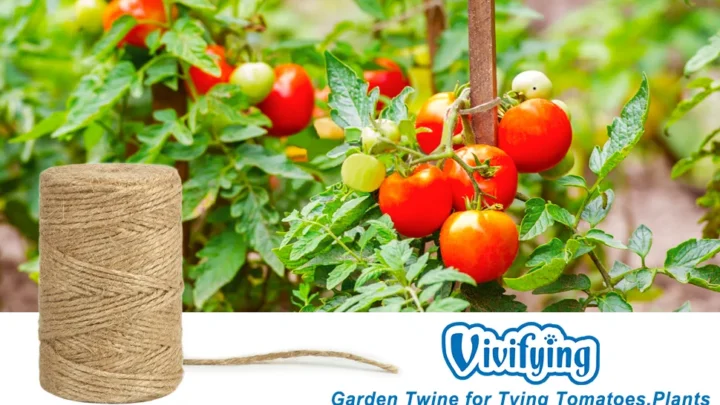
Garden twine thickness depends on plant weight and stem type. Light plants like herbs need 1mm to 1.5mm. Most vegetables do well with 2mm to 2.5mm.
Heavy fruiting plants like tomatoes need 3mm to 4mm. Match the ply to the load, not to habit.
Why Garden Twine Thickness Actually Matters More Than You Think
The wrong twine thickness is one of the most overlooked causes of mid-season plant loss. It's rarely obvious at first. The stem gets constricted slowly, the plant shows stress, and by the time you spot the damage, the season is already compromised.
Thickness controls two things: the twine's breaking load and its contact pressure on the stem. Too thin, and the twine digs into tissue rather than spreading the weight. Too thick or too stiff, and it acts like a tourniquet, choking the plant's vascular system as the stem expands.
Girdling happens when material wraps tightly enough around a stem to block water and nutrient flow. The Royal Horticultural Society flags over-tight tying as a leading cause of avoidable stem damage in kitchen gardens. It almost always comes down to inflexible twine with no slack left for growth.
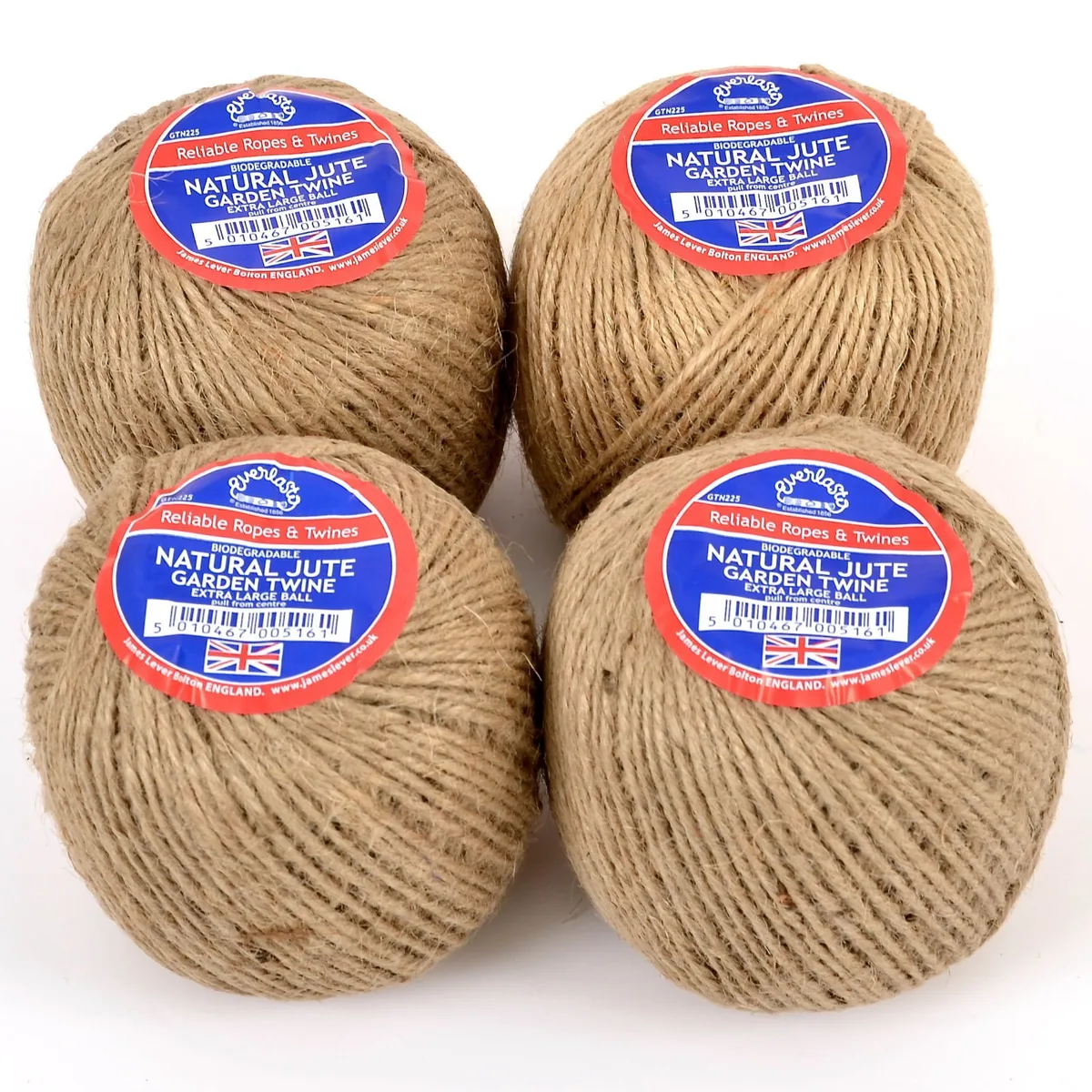
Natural twine manufacturers typically publish tensile strength on the packaging. A 2-ply jute ball might hold 8 to 12kg before snapping. A 4-ply version of the same material can handle 30kg or more.
Knowing your plant's peak weight tells you which breaking load to shop for.
The Three Variables That Decide Which Thickness You Need
Before you reach for the twine, answer these three questions. They point you straight to the right thickness range.
1. What's the plant's peak weight?
This is the biggest factor. A mature indeterminate tomato can carry 3 to 5kg of fruit per stem by late summer. That puts real strain on every tie along the cane.
Climbing beans and cucumbers are significantly lighter. Herbs and seedlings barely register.
2. How thick and fragile is the stem?
Thick twine on a slender stem concentrates pressure into a small contact area. That damages soft, fleshy stems like basil, sweet peas, or young pea shoots. Thin twine on a woody tomato stem or rose cane may tie neatly but still fail under load.
Match the twine's softness and diameter to the stem, then cross-check against the weight.
3. How long does the twine need to last?
A quick-turnover crop like lettuce barely stresses the twine. A full-season cordon tomato needs ties that hold from spring to autumn without rotting or slipping. In wet climates or polytunnels, natural fibres degrade faster, which affects both the thickness and material you should choose.
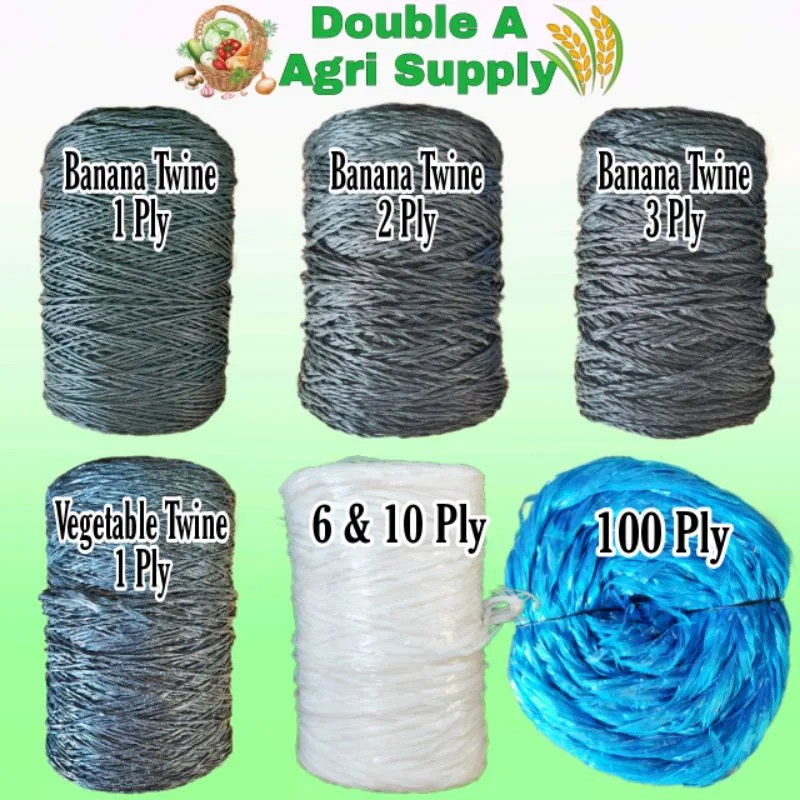
Work through all three before buying. If you're planning to use natural twine across food crops, getting the weight right from the start saves you from re-staking halfway through the season.
Twine Thickness by Plant Type and Task: The Decision Guide
Here's how thickness maps to real garden tasks. Find your plant or task and follow the recommendation.
| Plant or Task | Diameter | Ply | Notes |
|---|---|---|---|
| Herbs, seedlings, spring onions | 1mm–1.5mm | 2-ply | Loose guiding ties only |
| Sweet peas, peas, light climbers | 1.5mm–2mm | 2-ply | Light frame support |
| Runner beans, cucumbers, courgettes | 2mm–2.5mm | 3-ply | Moderate peak weight |
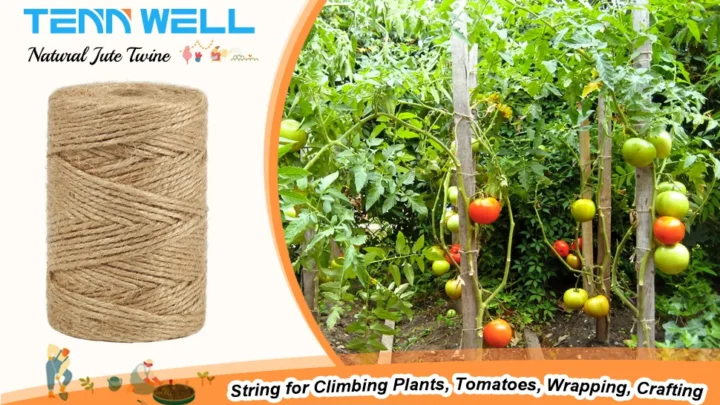
| Tomatoes (cordon/indeterminate) | 3mm–4mm | 3 or 4-ply | Full-season load bearing |
| Fruit tree training, espaliers | 3mm+ | 4-ply | Long-term structural support |
Light Duty: Seedlings, Herbs, and Delicate Climbers (1mm to 1.5mm)
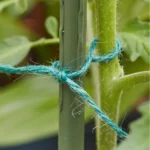
Thin, loosely twisted 2-ply twine is all you need here. You're guiding growth, not holding weight. A figure-of-eight tie around the cane and stem gives enough direction without putting pressure on the plant.
For soft stems and seedling work, hemp at this gauge is a reliable pick. It's softer than sisal, biodegradable, and less likely to abrade fragile tissue.
Medium Duty: Beans, Peas, and Most Veg (2mm to 2.5mm)
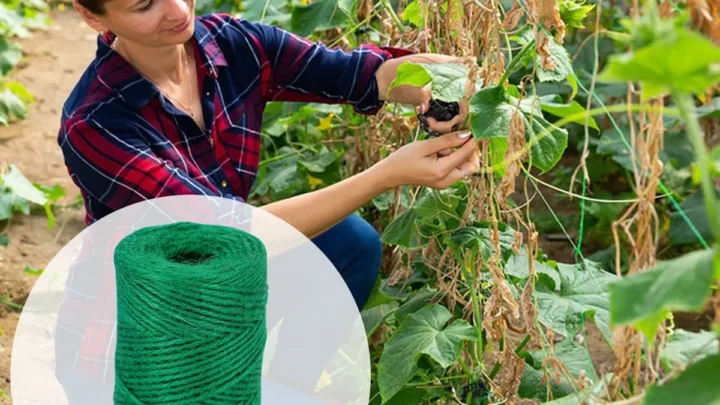
This is the everyday workhorse range for most kitchen gardens. A 3-ply natural twine at around 2mm handles the bulk of vegetable tasks cleanly. Strong enough for bean frames, soft enough not to damage cucumber stems.
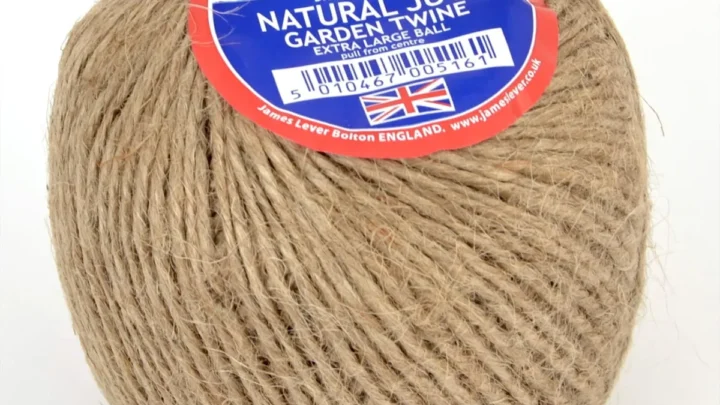
For climbing vegetables and standard veg crop tying, jute at this diameter is a standard choice among UK and US horticulturalists.
Heavy Duty: Tomatoes, Squash, and Fruiting Vines (3mm to 4mm)
This is where thin twine fails. A full-season indeterminate tomato isn't something 1.5mm twine can safely support by August. Use a heavier jute product with a tensile rating of at least 20 to 30kg.
Three-ply or four-ply at 3mm to 4mm handles this reliably. Tie loosely, leave a generous loop, and check again in four to six weeks as the stem thickens.
Jute, Sisal, or Synthetic — Does Material Change the Thickness You Need?
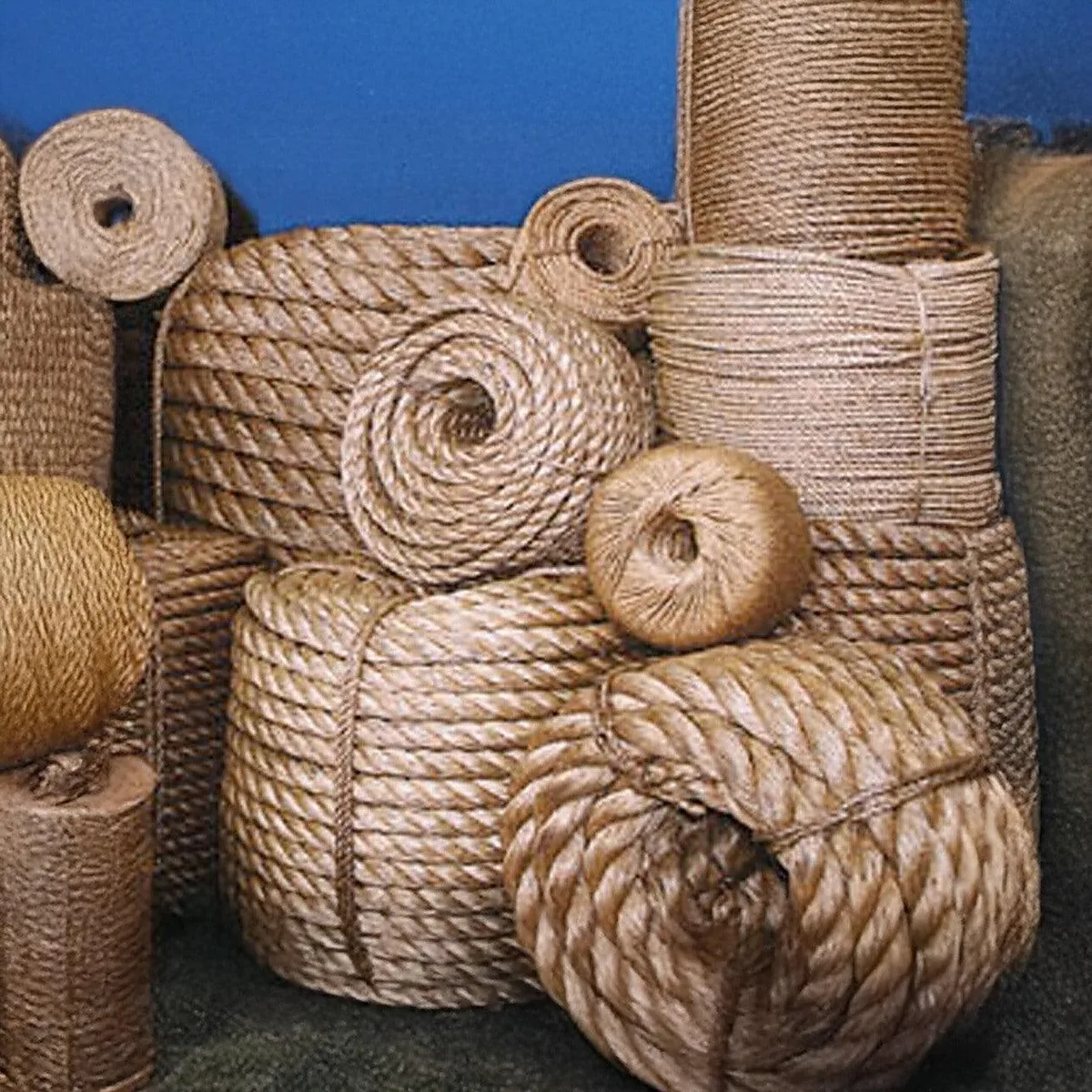
Material and thickness interact in a way that catches many gardeners off guard. Natural fibres are softer on stems but weaker per millimetre than synthetics. Switching from polypropylene to jute usually means stepping up one thickness level to maintain the same effective strength.
| Material | Typical Tensile Strength | Biodegradable | Best For |
|---|---|---|---|
| Jute (2mm, 3-ply) | 12 to 20kg | Yes | Most garden staking |
| Sisal (2mm, 3-ply) | 15 to 22kg | Yes | Drier climate growing |
| Cotton (2mm) | 8 to 14kg | Yes | Delicate or indoor use |
| Polypropylene (2mm) | 25 to 40kg | No | Long-term structural ties |
Jute softens and loses tensile strength when repeatedly saturated. After a season of wet-dry cycling in a high-rainfall garden or polytunnel, a 2mm jute twine can behave closer to a lighter gauge. Moving to 3-ply at the same diameter compensates for that loss.
Sisal holds its strength a little better in damp conditions. Both jute and sisal compost cleanly at end of season, which matters if you're mixing plant debris straight onto the heap.
Polypropylene doesn't degrade, holds its tensile rating reliably, and resists UV far better than natural options. But it doesn't compost. Microplastic contamination from degrading synthetic twine in garden soil is a documented concern, flagged by WRAP (Waste and Resources Action Programme) in their guidance on sustainable horticultural inputs.
For most growing situations, a well-rated natural twine at the correct ply is the cleaner long-term choice.
Five Mistakes That Damage Plants (Even With the Right Twine)
Getting the thickness right is only half the battle. These five errors undermine even a well-chosen twine.
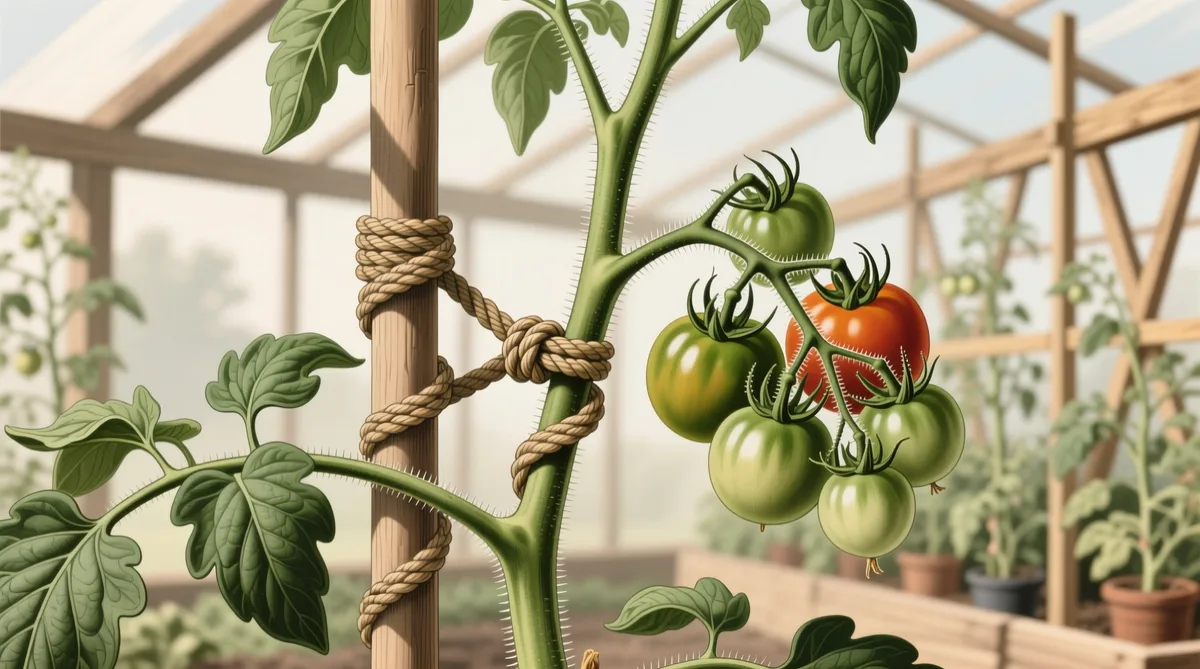
1. Tying too tightly at planting time
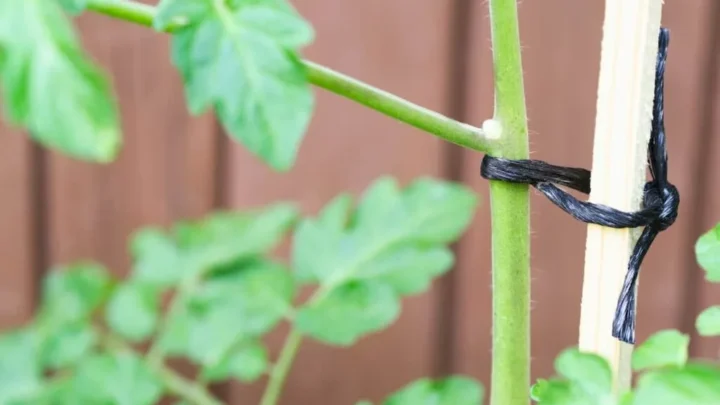
A tie that looks snug in April becomes a ligature by July. Always leave at least a finger-width of slack in the loop. You're guiding the stem, not gripping it.
2. Not checking ties mid-season
Stems grow throughout the season. Twine doesn't. A loose tie in May can strangle the same stem by August.
Build a quick monthly check into your growing routine.
3. Using one thickness for every task
The same 2mm jute that works perfectly for climbing beans will snap under a laden tomato plant and pinch a basil seedling. Match the twine to the task, every time.
4. Leaving synthetic twine in the soil
Polypropylene and nylon fragment as they degrade. Those fragments don't compost and accumulate in the soil over seasons. Pulling synthetic twine out at year's end is necessary, not optional.
5. Skipping the figure-of-eight technique
Running twine straight from stem to cane puts direct lateral pressure on the stem. A figure-of-eight creates a buffer between them. Thread the twine around the cane first, cross it, then loop loosely around the stem.
Avoid these five errors. Get the thickness right. Between them, you've removed the main ways twine damages plants.
Frequently Asked Questions
What thickness of twine is best for tomatoes?
For tomatoes, use 3mm to 4mm twine at 3-ply or 4-ply. Indeterminate varieties can carry 3 to 5kg of fruit per stem by late summer. That load requires a tensile strength of at least 20 to 30kg to hold safely through a full growing season.
Can I use the same twine for all my vegetable plants?
Not without risking damage at both ends of the scale. Thin twine snaps under heavy crops. Thick twine pinches soft seedling stems.
Keep at least two rolls on hand: a 2-ply for light guiding work and a 3-ply for anything that needs real load support.
What does ply mean on garden twine?
Ply is the number of individual strands twisted together to form the twine. More plies generally means higher tensile strength, though material and twist tightness also matter. Ply is often a more reliable strength indicator than diameter alone, so check both figures before buying.
How do I know if my twine is too tight on a plant stem?
Look for a visible groove or indentation where the twine contacts the stem. Swelling above the tie point or wilting on a single branch are also warning signs. Cut the tie immediately and replace it with a loose loop that leaves a finger-width of slack.
Should I remove garden twine at the end of the season?
Always remove synthetic twine before composting or digging in plant material. Natural twine like jute or hemp can be left in place and composted with the plant debris. If you're unsure what the twine is made from, pull it out rather than risk plastic fragments building up in the soil.

Similar Posts