How to Store Garden Rope So It Lasts Longer
Founder & Lead Horticulturist at Gardener Expert · RHS Master of Horticulture, Certified Professional Horticulturist (CPH) · 16+ years in residential organic gardening, plant propagation, and structural plant training
Knowing how to store garden rope correctly is one of those small habits that pays off every single season. Get it wrong and you'll pull out a tangled, mouldy, or brittle mess right when you need it most. Most rope damage happens in storage, not in the garden.
The material your rope is made from drives every storage decision you'll make. Natural fibres and synthetic ropes have completely different vulnerabilities, and what protects one can destroy the other. ISO 9554, the international standard for fibre rope specifications, recognises environmental conditions as a primary driver of rope service life.
Humidity is the main threat to natural fibres. UV exposure targets synthetics.
Quick Answer
Store garden rope clean, dry, and loosely coiled. Natural fibres need breathable containers in a cool, dark space. Synthetic ropes need protection from UV light above all else.
Never seal jute, sisal, or hemp in airtight plastic. Proper storage can double or triple rope lifespan.
Why Garden Rope Fails in Storage (and What You're Actually Trying to Prevent)
Most garden rope doesn't fail in use. It fails during the months it sits forgotten in a shed or garage. There are four main failure modes, and all of them are preventable.
| Failure Mode | Rope Most at Risk | What Causes It |
|---|---|---|
| Mould and rot | Jute, sisal, hemp, cotton | Stored damp or in sealed plastic |
| UV degradation | Nylon, polypropylene, polyester | Sunlight exposure during storage |
| Pest damage | Natural fibres | Rodents nesting in fibres |
| Tension set and kinking | All rope types | Stored tightly wound or under load |
Mould is the biggest killer of natural fibre ropes. Jute, hemp, and sisal absorb atmospheric moisture. Stored damp or sealed in airtight plastic, they begin decomposing within weeks.
The fibres weaken long before the damage is visible.
UV degradation is quieter but equally destructive for synthetic ropes. Polypropylene loses tensile strength from sunlight exposure even when it looks intact. A rope stored near a window or in a clear container is degrading without any outward signs.
This matters most for any rope used to support plants under actual load.
Pest damage is a seasonal risk in sheds and outbuildings. Rats and mice actively target natural fibres for nesting. One winter can reduce a quality sisal rope to fragments.
Tension set comes from bad coiling habits. Rope stored tightly wound or left under load develops a permanent memory. It coils back on itself every time you try to use it, and the problem compounds with each passing season.
If you use natural plant cord in your vegetable patch, understanding these failure modes is the first step to stopping them.
Start Here: Natural Fibre or Synthetic? (The Variable That Changes Everything)
Before deciding where to store garden rope, you need to know what it's made from. The storage rules for natural and synthetic ropes are almost opposites. Using the wrong approach actively damages what you're trying to protect.
Natural fibre ropes include jute, sisal, hemp, and cotton. These are the most common choices in domestic gardens, used for plant training, tying, and vegetable support.
In storage, their organic nature becomes a vulnerability. Natural fibres absorb humidity, support mould growth, and attract pests. The RHS advises storing natural garden twines in dry, ventilated conditions, away from the ground and clear of direct contact with plastic.
If you're using heavier jute for plant staking or training large climbers, storage method matters as much as product quality. The same applies to everyday jute cord used for lighter tying work.
Synthetic ropes (nylon, polypropylene, polyester) don't rot and resist rodents well. But they degrade under UV light, and several types absorb more moisture than expected. Polypropylene has the best UV resistance of the common synthetics.
Nylon is stronger but absorbs moisture more readily, which can cause stiffness after cold storage.
| Property | Natural Fibre | Synthetic |
|---|---|---|
| Main storage threat | Moisture and mould | UV light |
| Best container | Breathable only | Sealed or opaque |
| Pest risk | High | Low |
| Frost sensitivity | High (stiffens markedly) | Low to moderate |
The short version: plant-based rope needs to breathe, synthetic rope needs shade.
How to Prepare Rope Before It Goes Away: Drying, Cleaning, and Coiling
How you prepare rope matters as much as where you store it. A damp or poorly coiled rope will degrade in any container. These steps apply to all rope types, with the drying stage most critical for natural fibres.
Inspect. Run the rope through your hands. Look for fraying, discolouration, soft spots, or signs of contamination. Anything borderline now will be noticeably worse by spring. Cut out compromised sections, or retire the rope entirely.
Remove debris. Shake off soil, plant matter, and grit. For synthetic ropes, a wipe with a damp cloth is enough. For natural fibres, shake well and air-dry rather than wiping. Rubbing can push moisture deeper into the core.
Dry thoroughly. This is non-negotiable for jute, sisal, hemp, and cotton. Hang the rope in a warm, ventilated space for 24 to 48 hours before storing. Rope that feels dry on the surface often holds residual moisture deep in its core.
Coil using the over-under method. Alternate the direction of each loop as you coil. This counteracts the rope's natural twist and prevents kinking. Rope coiled this way unravels cleanly every time, which hand-over-hand coiling simply doesn't.
Coil loosely. Never cinch the finished coil tight. A coil diameter at least ten times the rope's own thickness is the accepted guideline. Coil tighter than that and the rope develops a tension set that doesn't recover, even after months of rest.
Matching Your Storage Method and Location to Your Rope Type
Once the rope is clean, dry, and coiled, the right container and location depend entirely on what it's made from.
| Rope Type | Best Container | Best Location | Avoid |
|---|---|---|---|
| Natural fibre | Breathable bag, hessian sack, open basket | Cool, dry, dark, ventilated space | Sealed plastic, greenhouses |
| Synthetic | Opaque sealed container or dispensing bucket | Dark shed shelf or indoor cupboard | Sunlight, clear containers |
Natural Fibre Rope (Jute, Sisal, Hemp, Cotton)
Air circulation is the priority. Choose a breathable container: a hessian sack, a fabric bag, an open-weave basket, or a cardboard box with ventilation. A sealed plastic bin is the worst possible choice for any natural fibre rope.
Location matters just as much. A cool, dry, dark space with reasonable airflow is ideal. A ventilated shed shelf off the floor works well, provided the shed stays dry through winter.
Avoid greenhouses, which hold humidity even in cold months.
For hemp plant twine, placing cedar blocks nearby helps deter rodents without adding chemicals that could later contaminate food crops.
Synthetic Rope (Nylon, Polypropylene, Polyester)
Synthetic rope needs UV protection, not ventilation. An opaque, sealed container is the right choice. Avoid clear plastic bins and any shelf near a window or light source.
A dispensing bucket with a centre-pull setup is a practical option for frequently used synthetic rope. It feeds out cleanly without untangling the whole coil.
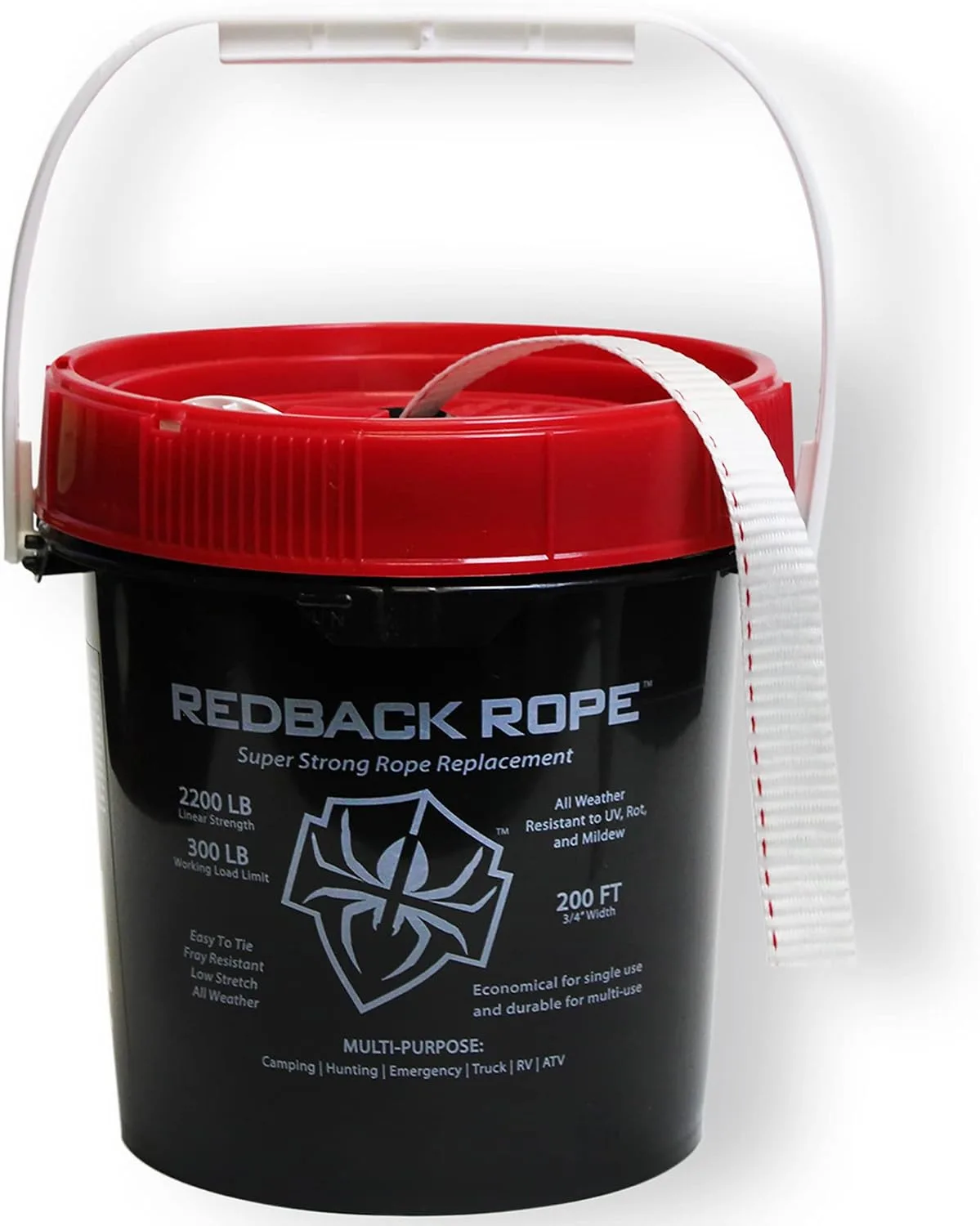
If you keep durable natural cord alongside synthetic rope, store them separately. Natural fibre sealed in the same container as synthetic will lack the airflow it needs and begin to rot.
End-of-Season Storage: The Close-Down Routine That Adds Years to Rope Life
Most gardeners store rope reactively. They finish for the year, throw everything in a corner, and deal with the consequences in spring. A simple end-of-season routine prevents most of that.
Inspect and grade. Run every length through your hands. Grade each piece: good condition, borderline, or damaged.
Borderline rope is fine for low-stakes work like bundling compost bags or tying plant debris. Damaged rope should be composted if natural or binned if synthetic. Don't carry damaged rope into storage.
Clean and dry. Remove soil and plant debris, then follow the drying steps from the preparation section above. This matters most after a wet season, when rope is likely to have been used in damp conditions.
Label and organise. Tag each coil with material type and approximate length before storage. As of 2026, a growing range of garden storage organisers cater specifically to rope and twine, with labelled dispensing systems that keep everything accessible through the season.
Check your storage space. Inspect the shed or container for rodent activity, damp patches, or water ingress from the previous winter. A five-minute check now prevents losses that only show up in spring.
Find the right rope for each task in the garden twine category before next season gets underway.
Mistakes That Silently Ruin Garden Rope
These mistakes share one thing in common: they happen out of sight. By the time the damage is visible, the season has already started.
Sealing natural fibres in an airtight container. The single most common error. Jute, sisal, hemp, and cotton need airflow to stay stable. Trapped in a sealed plastic bin, they rot from the inside out.
The rope crumbles or smells by the time you reach for it.
Storing rope before it's fully dry. Even rope that feels dry on the surface holds moisture in its core. The 24 to 48 hour drying window outlined above isn't a suggestion. Skipping it is the fastest route to mould on natural fibres.
Coiling too tightly. A tight, cinched coil sets a permanent kink into the rope. Manufacturer specs recommend a coil diameter at least ten times the rope's own thickness. Anything tighter creates tension that rest alone won't remove.
Leaving synthetic rope near any light source. A clear shed window or a transparent storage bin is enough to degrade polypropylene over a single winter. UV damage is cumulative and invisible until the rope fails under load.
Skipping the pre-storage inspection. Rope with minor damage going into storage comes out with major damage in spring. Mould spreads from a single weak spot. A two-minute check before storing catches problems while they're still manageable.
Mixing rope types in the same container. Each type needs different conditions. Natural fibre stored in a sealed container rots. Synthetic left in a breathable bag near a window degrades.
Keep them separate and clearly labelled.
Frequently Asked Questions
How long does garden rope last in storage?
Natural fibre ropes stored correctly (dry, breathable container, cool dark location) last 3 to 6 seasons. Synthetic ropes kept away from UV can last considerably longer. Poor storage cuts these lifespans sharply.
A jute rope sealed in a damp plastic bin often won't survive a single winter intact.
Can I store jute rope in a plastic container?
No. Jute is highly absorbent and needs air circulation. A sealed plastic container traps moisture and creates ideal conditions for mould.
Use a hessian sack, fabric bag, or open-weave basket instead. This applies equally to sisal, hemp, and cotton rope.
What's the best way to stop rope tangling in storage?
The over-under coiling method is the fix. Alternating the loop direction with each wrap neutralises the rope's natural twist. Rope coiled this way unravels in a clean, flat line.
Standard hand-over-hand coiling creates a twisted coil that tangles every time.
How do I prevent mould on stored garden rope?
Dry the rope fully before storage. Hang it in a ventilated space for 24 to 48 hours. Store it in a breathable container in a cool, dark location.
Sealed containers and residual moisture are the two main causes of mould on natural fibre ropes.
Can I store natural and synthetic garden rope together?
It's better not to. Natural fibres need breathable storage while synthetics need opaque, sealed containers. Keeping them together means one type is always stored incorrectly.
Store them separately in clearly labelled containers and sort by material type before putting them away for the season.
Similar Posts