Garden Rope Handrails: A Simple DIY Safety Guide
Founder & Lead Horticulturist at Gardener Expert · RHS Master of Horticulture, Certified Professional Horticulturist (CPH) · 16+ years in residential organic gardening, plant propagation, and structural plant training
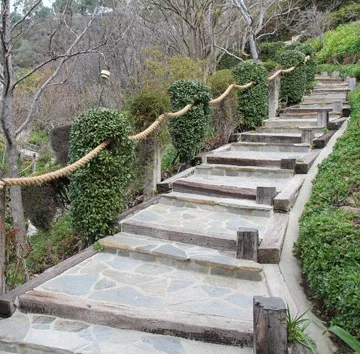
Knowing how to use garden rope for handrails starts with the hardware, not the rope. A poorly fixed eye bolt or a shallow post footing will fail regardless of how good the rope looks. Get the structure right first, and the rope will hold up for years.
UK Building Regulations Approved Document K sets the minimum handrail height at 900mm above the step nosing for private residential outdoor stairs. That measurement shapes post height, eye bolt position, and the whole installation. Get the dimensions sorted before you buy a single metre of rope.
Quick Answer
Use garden rope for handrails by setting posts and fitting eye bolts first. Thread 28mm to 40mm rope through each fixing point. Tie a secure anchor knot at the start post.
Run the rope along the full length and tension it evenly. Tie off at the far end and seal the cut ends to stop fraying.
Choosing the Right Garden Rope: Material, Diameter, and Outdoor Performance
The choice between natural fibre and synthetic rope comes down to one trade-off: appearance versus longevity. Natural rope looks better in a garden setting. Synthetic rope lasts longer outdoors.
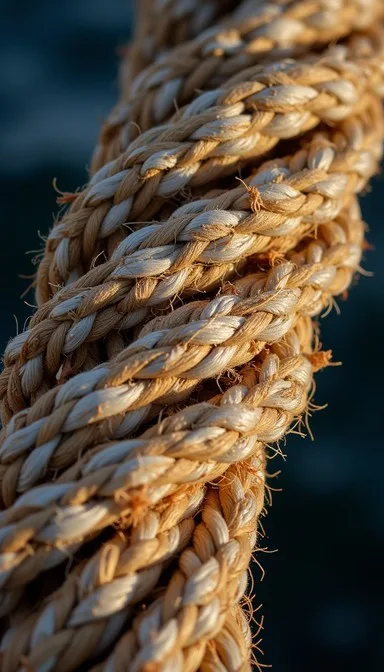
Hemp is the most reliable natural fibre for handrail use. It holds tension well and handles moisture better than most plant fibres. Its outdoor resilience makes it the go-to choice in most UK climates.
It's also widely available in 28mm to 40mm diameters. Manila rope, made from abaca plant fibre, is a solid alternative with a warmer golden colour and comparable tensile strength.
Sisal offers excellent grip because of its coarse texture, but it breaks down faster in wet conditions. Jute is a popular choice in the vegetable patch, but it biodegrades too quickly for any load-bearing outdoor role. Even the heaviest natural fibre garden rope options aren't built to carry repeated bodyweight loads season after season.
Synthetic rope (polyester or polypropylene) lasts 10 to 20 years outdoors. It doesn't look as natural, but it's the better call for coastal gardens or anywhere with persistent rainfall.
For diameter, stay between 28mm and 40mm. Below 28mm, the rope is too thin to grip confidently. Above 50mm, it becomes awkward to hold and harder to knot tightly.
| Rope Type | Outdoor Lifespan | Grip | Good for Handrails? |
|---|---|---|---|
| Hemp | 3–6 years | Good | Yes |
| Manila | 4–7 years | Medium | Yes |
| Sisal | 2–4 years | Excellent | Dry climates only |
| Jute | Under 2 years | Soft | No |
| Polyester | 10–20 years | Low | Yes |
Posts, Eye Bolts, and Hardware: What to Buy and What Specs Matter
Hardware failures cause most rope handrail problems. Cheap fixings, shallow posts, or the wrong bolt grade will undermine even the best rope.
Use pressure-treated timber, oak, or larch for posts. A 75mm to 100mm square or round section is the right size for a garden handrail. Posts need at least 600mm in the ground to stay stable in normal garden soil.
Buy posts at least 1500mm long to clear the required 900mm above the step nosing.
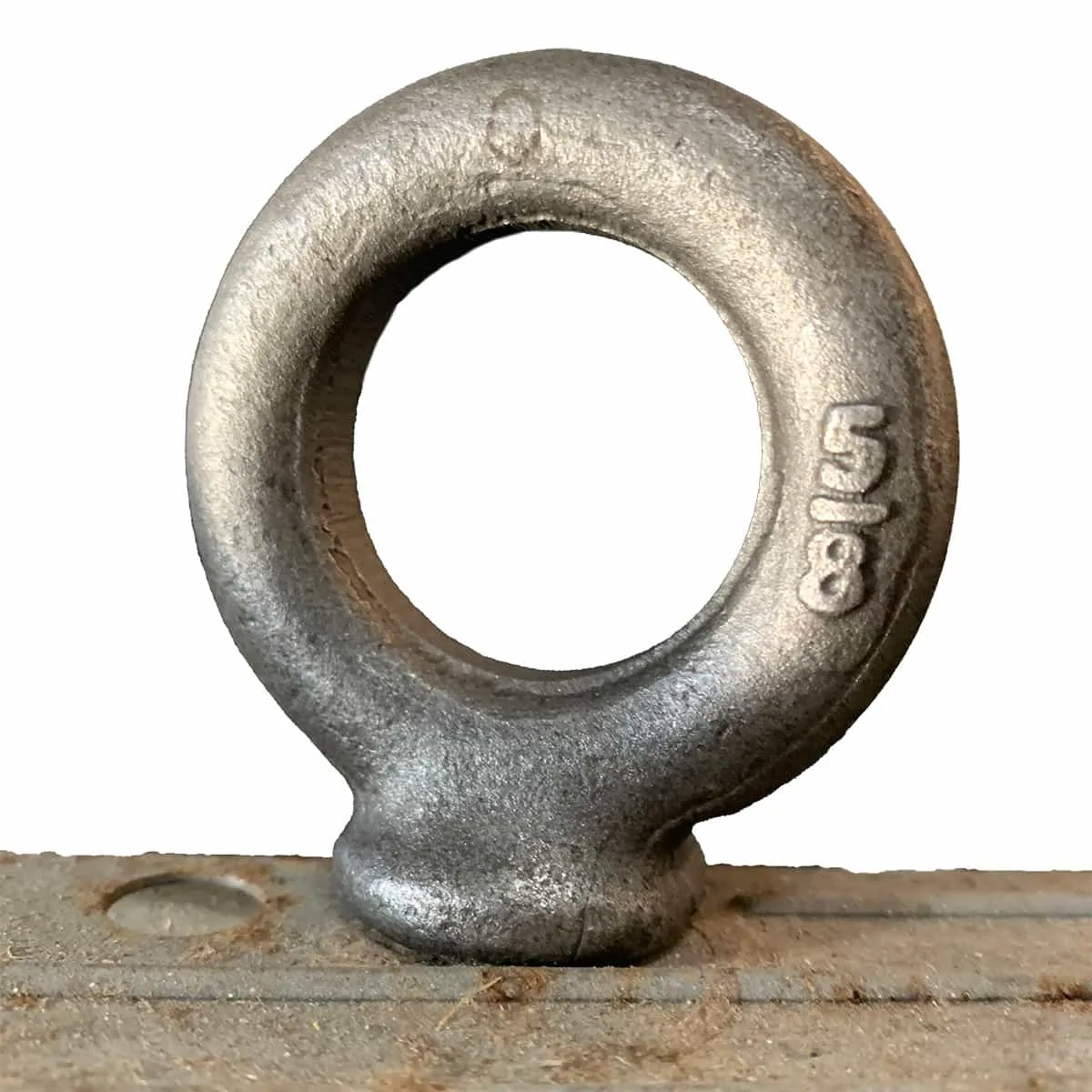
For eye bolts, use M10 stainless steel (grade 316) threaded directly into the post face. Grade 316 won't corrode outdoors the way zinc-plated hardware does. For wall-mounted installations, use stainless standoff rope brackets drilled 60mm to 80mm into solid masonry.
Space posts 1.2m to 1.8m apart. Wider than 1.8m and the rope will sag under any meaningful load. Use fast-setting postcrete and allow 48 hours to cure before loading the posts.
Breaking load ratings for natural rope vary significantly between grades and suppliers. Always confirm the figure matches your post spacing before buying.
| Item | Spec | Purpose |
|---|---|---|
| Timber posts | 75–100mm, pressure-treated | Structural support |
| Eye bolts | M10, grade 316 stainless | Rope fixing points |
| Postcrete | 25kg per post | Post setting |
| Rope end caps | Match rope diameter | End sealing |
| Rawl bolts (wall) | M10 stainless | Masonry anchors |
Step-by-Step: How to Install a Garden Rope Handrail
Setting Posts and Fixing Wall Anchors
- Mark post positions every 1.2m to 1.8m along the step run.
- Dig holes 600mm deep. Add 100mm of compacted gravel at the base for drainage.
- Set the post, check plumb on two faces with a spirit level, and pack postcrete around it.
- Wait 48 hours before fitting hardware or loading the post.
- For wall anchors, drill 80mm into solid masonry (not mortar joints) and fit stainless rawl bolt anchors.
Running the Rope, Tying the Knots, and Getting the Tension Right
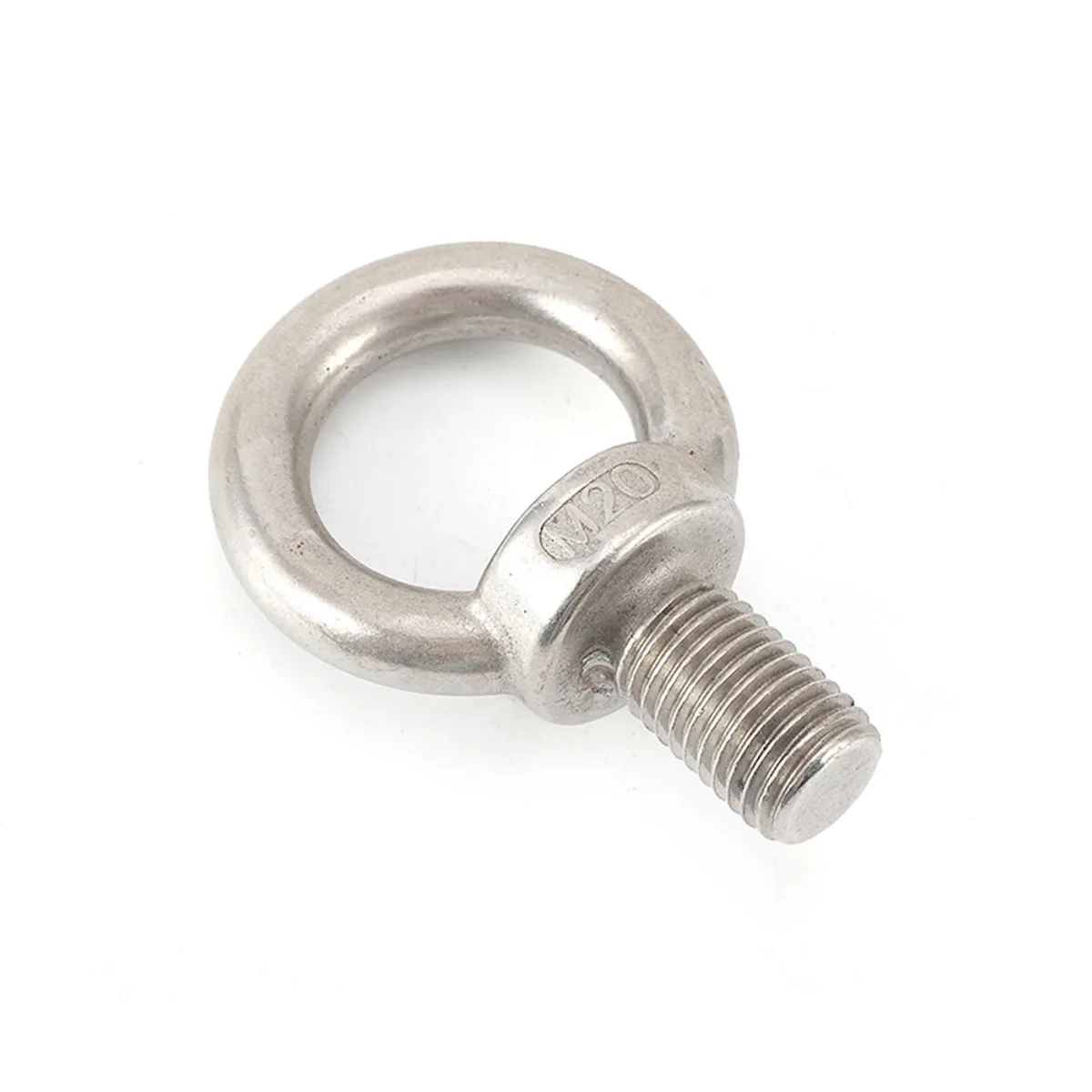
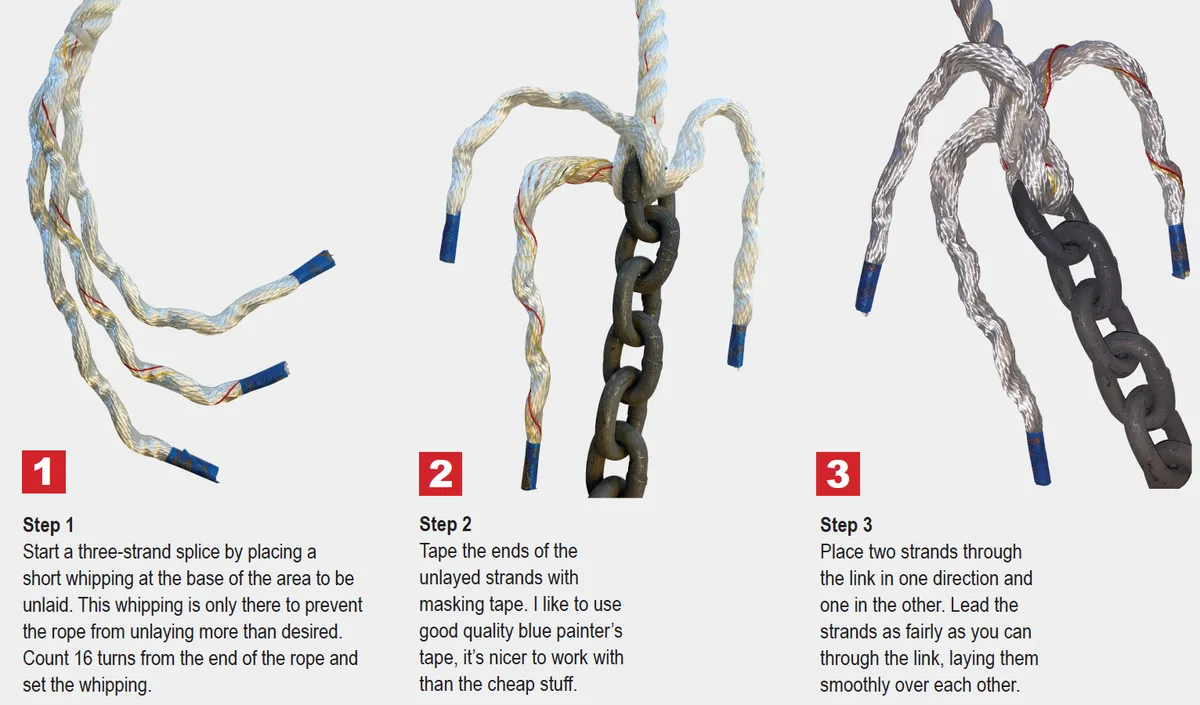
Thread the rope through or around each eye bolt, starting at the anchor post. Tie a clove hitch at the first post: pass the rope over the bolt shank, cross it back under itself, repeat the pass, and pull the tail tight. Leave at least 150mm of tail after every knot.
At each intermediate post, use a marline hitch: wrap once around the bolt shank, pass the tail under the standing rope, and tuck it up through the loop. Pull firmly. This knot locks under load and resists slipping far better than a simple loop.
At the far end, tie off with a figure-of-eight and pull any remaining slack back through the run to tension the whole length evenly.
Cutting and Sealing the Rope Ends
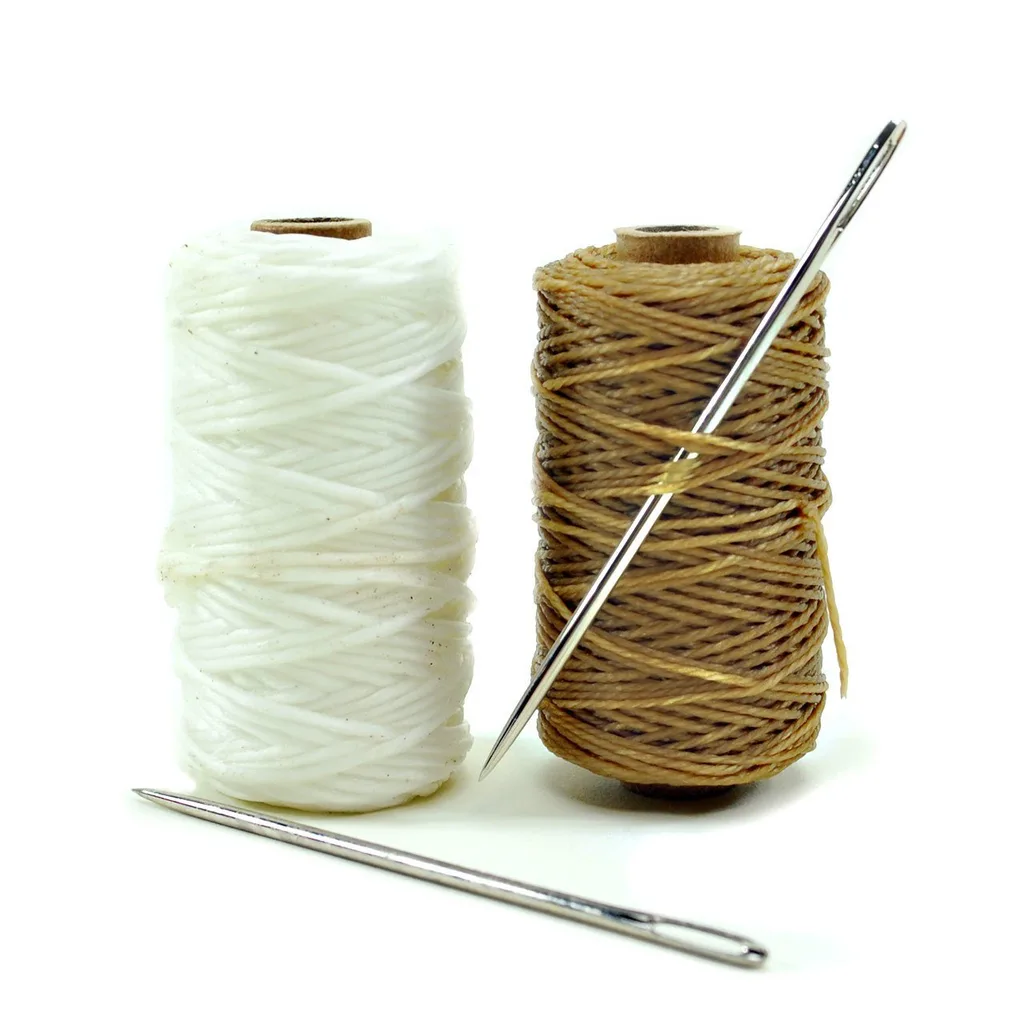
Cut natural fibre rope cleanly with sharp scissors or a craft knife. Immediately whip the raw end with waxed twine, binding back 20mm from the cut. For synthetic rope, run a lighter flame briefly across the cut end to fuse the fibres.
Rope end caps in the matching diameter add a clean finish and protect against long-term unravelling.
Mistakes That Make Rope Handrails Sag, Slip, or Fail Early
Most rope handrail failures trace back to the same short list. Catching these before installation prevents a lot of re-work.
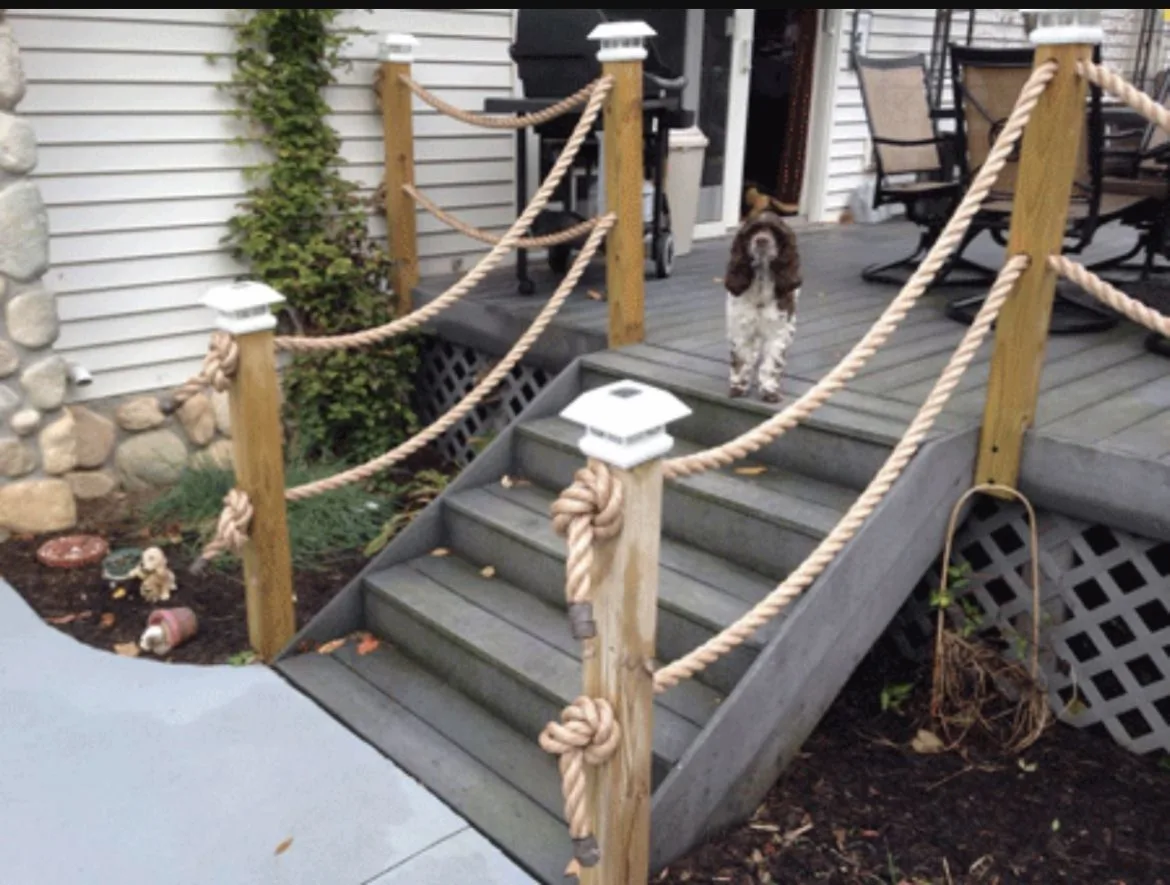
Rope sagging between posts. Post spacing beyond 1.8m, rope under 28mm in diameter, or inadequate tension at tie-off all produce the same visible result. Add an intermediate post or rethread and re-tension.
Knots slipping under load. A clove hitch with a short tail tied around a smooth ring will work loose over time. Always leave 150mm of tail and tuck it back under the standing rope after tying.
Posts working loose. Footings under 600mm deep fail quickly in clay soil or after freeze-thaw cycles. A post that rocks after the concrete has cured needs to come out and be reset deeper.
Natural rope rotting. Standing water around the post base accelerates decay significantly. The same weathering that affects plant-support fibres in the veg garden is far more damaging when load is involved. Treat natural rope with linseed oil or beeswax annually and make sure ground drainage is adequate.
Corroding hardware. Zinc-plated eye bolts rust quickly outdoors, staining the rope and weakening the fixing. Use grade 316 stainless for everything exposed to weather.
Unsealed rope ends. Unwhipped rope frays within weeks outdoors. Seal cut ends before installation, not after.
Safety, Load Ratings, and UK Building Regulations for Rope Handrails
A garden rope handrail is not exempt from building regulations just because it's outdoors. For steps serving a private dwelling in the UK, Approved Document K sets the governing requirements. As of 2026, those include:
- Minimum handrail height: 900mm above the step nosing for private residential use
- Steps with public access: 1000mm minimum
- Graspability: round rope between 28mm and 50mm in diameter meets the standard
A round rope profile within that diameter range satisfies graspability, which requires a continuous surface that can be gripped along the full run. That's a point many homeowners don't realise.
Rope alone cannot act as guarding. Where the fall height exceeds 600mm, a compliant balustrade is required. A single rope run cannot prevent a 100mm sphere from passing through, which is the Part K test for guarding.
The rope handrail can run alongside a proper balustrade, but it can't replace one.
The Health and Safety Executive also covers safe access route standards for any steps used by workers, contractors, or paying guests on your property. For listed buildings or conservation areas, check with your local planning authority before drilling into original masonry.
Maintenance: How to Keep Garden Rope Tight, Clean, and Rot-Free
Natural rope stretches in wet weather and contracts again when it dries out. That movement loosens knots and creates slack across the run. Check tension every spring after the first cold, wet winter and re-pull any slack back through the system before the rope dries into its new shape.
Annual treatment. Apply raw linseed oil or natural beeswax to natural rope once a year. Work it in with a cloth along the full length. This slows moisture absorption and delays fibre breakdown.
Avoid motor oil or synthetic sealants, which degrade natural rope from the inside out.
Hardware checks. Inspect every eye bolt and bracket annually. Rust staining on the rope directly above or below a fixing means the hardware has started to corrode. Replace any fitting showing surface rust before it spreads into the post wood or weakens the anchor point.
Replacing worn rope. Hemp and manila rope typically last 3 to 6 years outdoors, depending on climate and treatment. Don't wait for visible fraying. If the rope feels stiff and brittle when bent, or the surface fibres have thinned noticeably, replace the full run.
Partial replacements create uneven tension and look mismatched. You'll find options across the natural fibre range worth comparing before buying replacement stock.
Winter and frost. Freeze-thaw cycles move soil and can rock even a well-set post. Check for post movement each spring and tamp down loose soil around the base, or re-concrete if the post shifts more than a few millimetres.
Frequently Asked Questions
How long does garden rope last on an outdoor handrail?
Hemp and manila rope typically last 3 to 6 years on an outdoor handrail. Synthetic polyester rope lasts 10 to 20 years. Lifespan depends on climate, drainage around posts, and whether the rope is treated annually with linseed oil or beeswax.
Coastal exposure shortens natural fibre lifespan significantly.
What is the best knot for tying rope to an eye bolt?
A clove hitch is the best anchor knot at the start post. For intermediate fixing points, a marline hitch locks under load and resists slipping far better than a simple loop. Always leave 150mm of tail after every knot and tuck it back under the standing rope.
Can I use sisal rope for an outdoor handrail?
Sisal works in dry climates but isn't reliable in consistently wet conditions. Its coarse texture gives excellent grip, but it degrades faster than hemp or manila in persistent rainfall. For UK gardens or coastal exposure, choose hemp, manila, or a synthetic rope for a longer-lasting result.
Does a garden rope handrail meet UK building regulations?
Yes, if installed correctly. The rope must sit at 900mm above the step nosing for private residential use, and the diameter must fall between 28mm and 50mm to satisfy the graspability requirement under Approved Document K. A single rope run does not qualify as guarding where the drop exceeds 600mm.
How do I stop a rope handrail from sagging?
Keep post spacing under 1.8m and use rope with a minimum 28mm diameter. Tension the run firmly at tie-off and re-check each spring, as natural rope stretches over the first wet season. Adding an intermediate post is the most effective fix if sagging persists after re-tensioning.
Similar Posts