How to Stop Birds Eating Crops With Netting
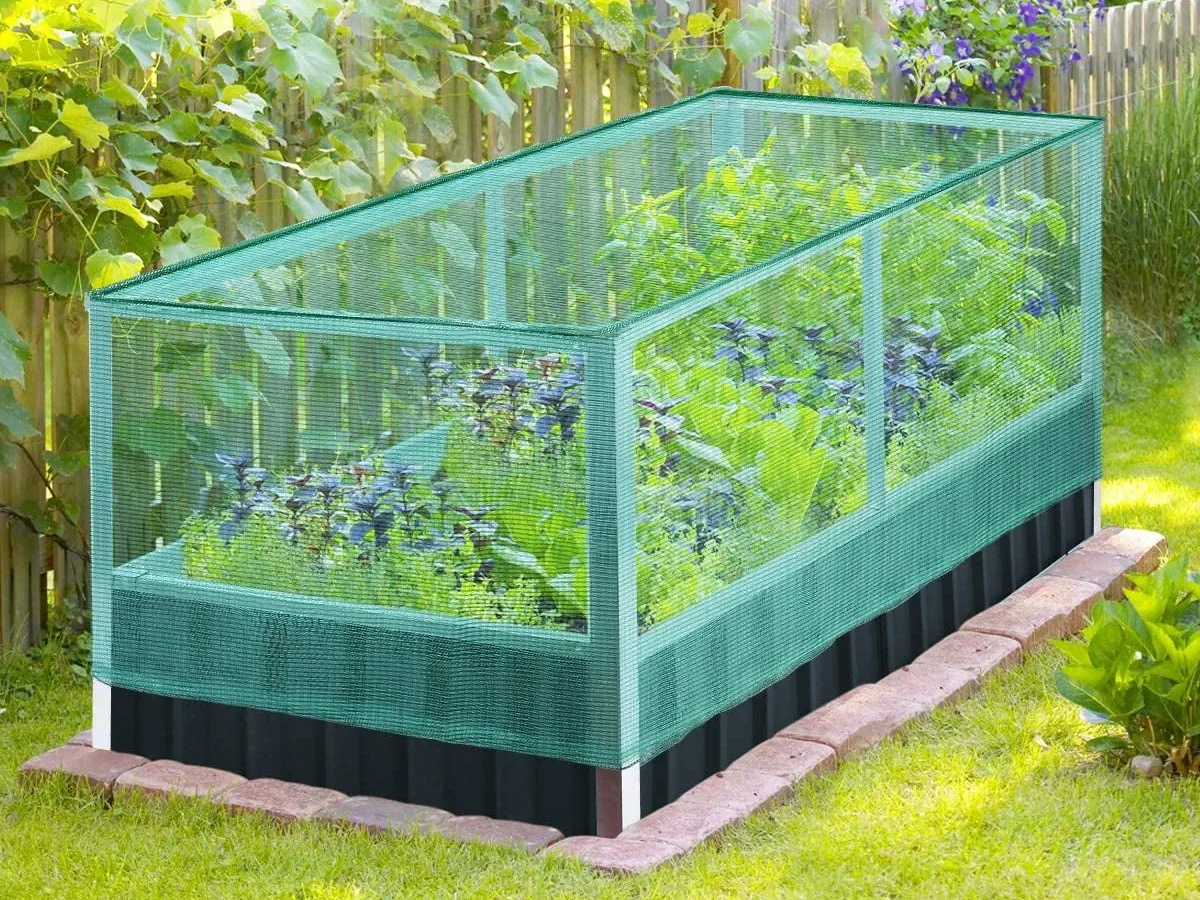
If you're trying to figure out how to stop birds eating crops with netting, you're dealing with one of the most consistent sources of crop loss in both home and commercial growing. Birds don't respect your schedule. A wood pigeon can demolish a bed of young brassicas overnight, and a flock of starlings will strip ripe soft fruit in hours.
The right netting, installed correctly, creates a physical barrier that works around the clock without chemicals. Mesh size is the most critical variable. 25mm is the minimum needed to exclude blackbirds and thrushes, while 19mm blocks smaller birds like sparrows and tits. Get that decision right, and the rest falls into place.
Quick Answer
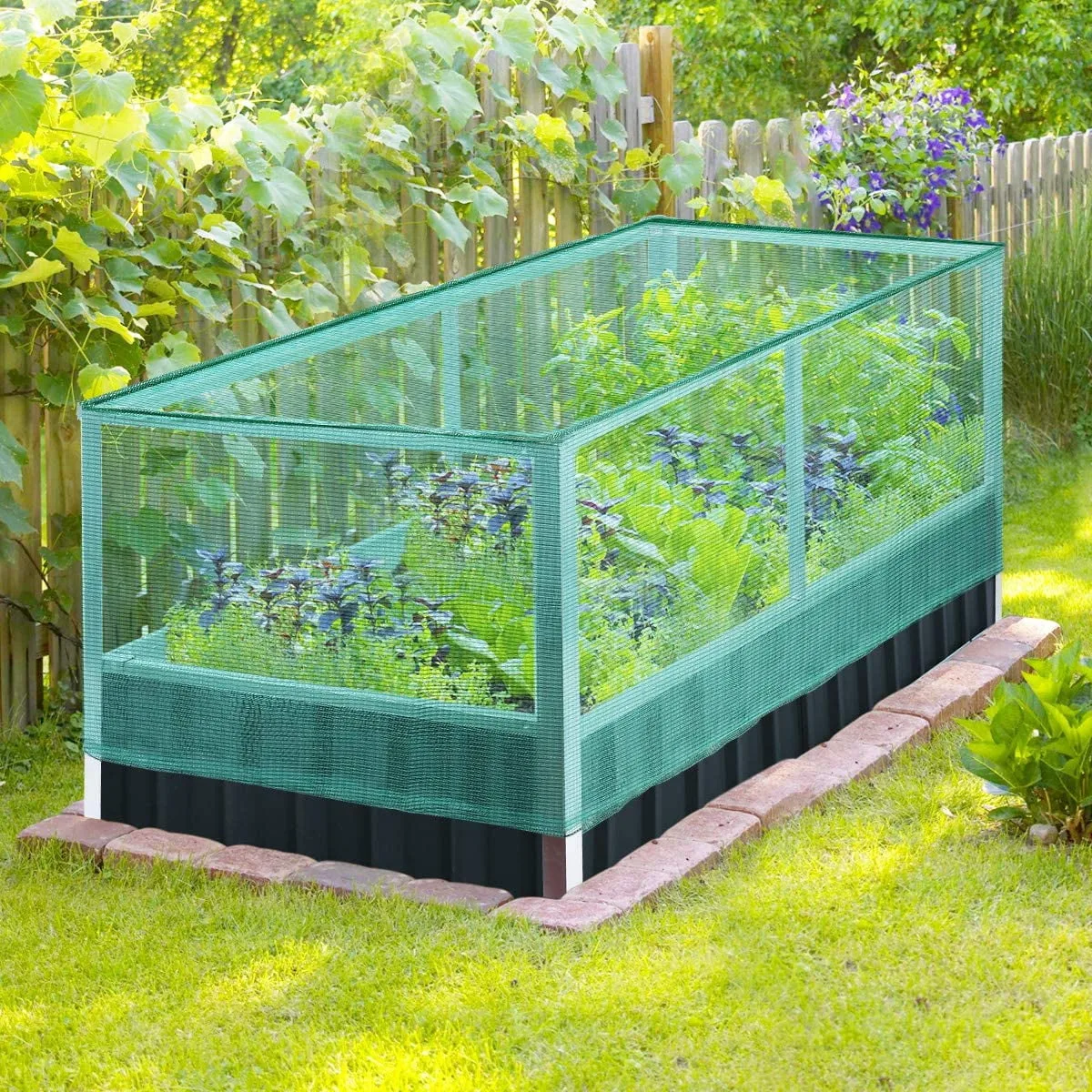
Cover your crops with bird exclusion netting matched to the correct mesh size. Use 19mm mesh to block small birds like sparrows. Use 25mm mesh for blackbirds and starlings.
Support the netting on hoops or a frame to keep it off plants. Seal all edges to the ground and open the net when plants flower for pollinators.
Why Birds Cause More Crop Damage Than Most Growers Expect
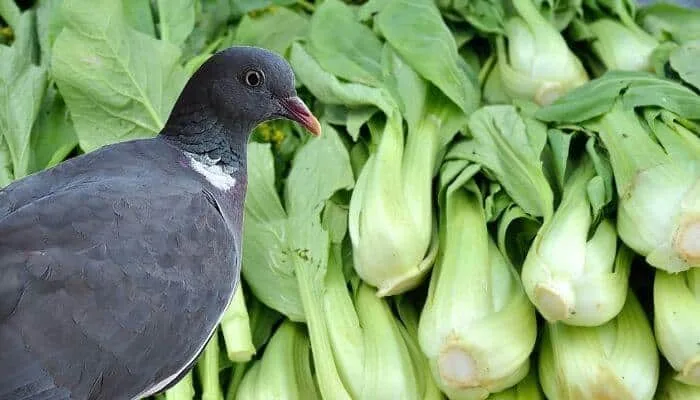
Wood pigeons are the most destructive pest for brassica crops across the UK. A single bird consumes up to 200g of vegetation per day. During winter, wild food runs short.
A flock can strip an entire bed of kale or Brussels sprouts in 48 hours.
Soft fruit growers face a different problem. Blackbirds and thrushes target ripening berries from June onward, working through strawberries, raspberries, and currants row by row. Starlings move in flocks and can empty a mature blueberry bush in a single visit.
What catches most growers off guard is the timing. Birds scout crops days before fruit fully ripens. By the time visible damage appears, they've already locked in a feeding route.
Visual deterrents buy a day or two at best, then birds adapt and ignore them.
Physical exclusion is the only method with a reliable, repeatable outcome. Once netting is correctly installed, it blocks access regardless of flock size or bird species. No weekly repositioning, no battery-powered gadgets to maintain.
The loss adds up fast. Home growers can lose an entire season of soft fruit to a few unprotected weeks. For market gardeners, losses run into tonnes.
Three Variables That Drive Every Netting Decision
Before you buy a metre of netting, answer these three questions. Your answers determine mesh size, structure type, and how you seal the edges. Skip this step and you'll likely buy the wrong product.
Which Birds Are You Dealing With?
Bird species determines mesh size. Wood pigeons need 50mm mesh to be excluded. Blackbirds, thrushes, and starlings require 25mm.
Sparrows, tits, and finches slip through anything above 19mm.
If you're unsure which birds are causing damage, use crop type and timing as clues. Brassica damage in winter almost always means wood pigeons. Soft fruit losses in summer typically point to blackbirds, thrushes, or starlings.
Holes in seedlings or pea pods suggest sparrows.
What Crop Are You Protecting?
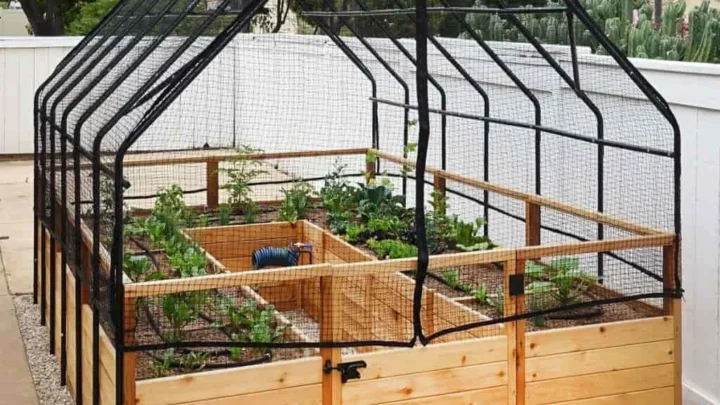
Crop type determines the support structure you need. Low-growing crops like strawberries suit a hooped tunnel close to the ground. Tall brassicas, raspberry canes, and fruit bushes need a frame that clears the top of the plant by at least 30cm.
Fruit trees require an overhead canopy system on poles. If netting rests directly against branches, birds peck straight through the mesh from outside.
How Large Is the Area?
Scale determines installation method. A single raised bed suits a hoop-and-drape setup. Multiple beds need a more rigid frame with defined access points.
A full orchard or commercial plot requires a permanent or semi-permanent structure with tensioned cable supports.
Always add at least 50cm to each measured dimension to allow for proper edge sealing at ground level.
Choosing the Right Mesh Size and Netting Material
Mesh size is the most important purchase decision. Here's how the three key sizes map to common pest birds:
| Mesh Size | Birds Excluded | Best Used For |
|---|---|---|
| 19mm | Sparrows, tits, finches | Seedlings, peas, strawberries |
| 25mm | Blackbirds, thrushes, starlings | Soft fruit, canes, currants |
| 50mm | Wood pigeons, rooks, pheasants | Brassicas, large vegetable rows |
A blackbird passes through 50mm mesh without difficulty. If you're protecting soft fruit, 50mm is the wrong choice regardless of price.
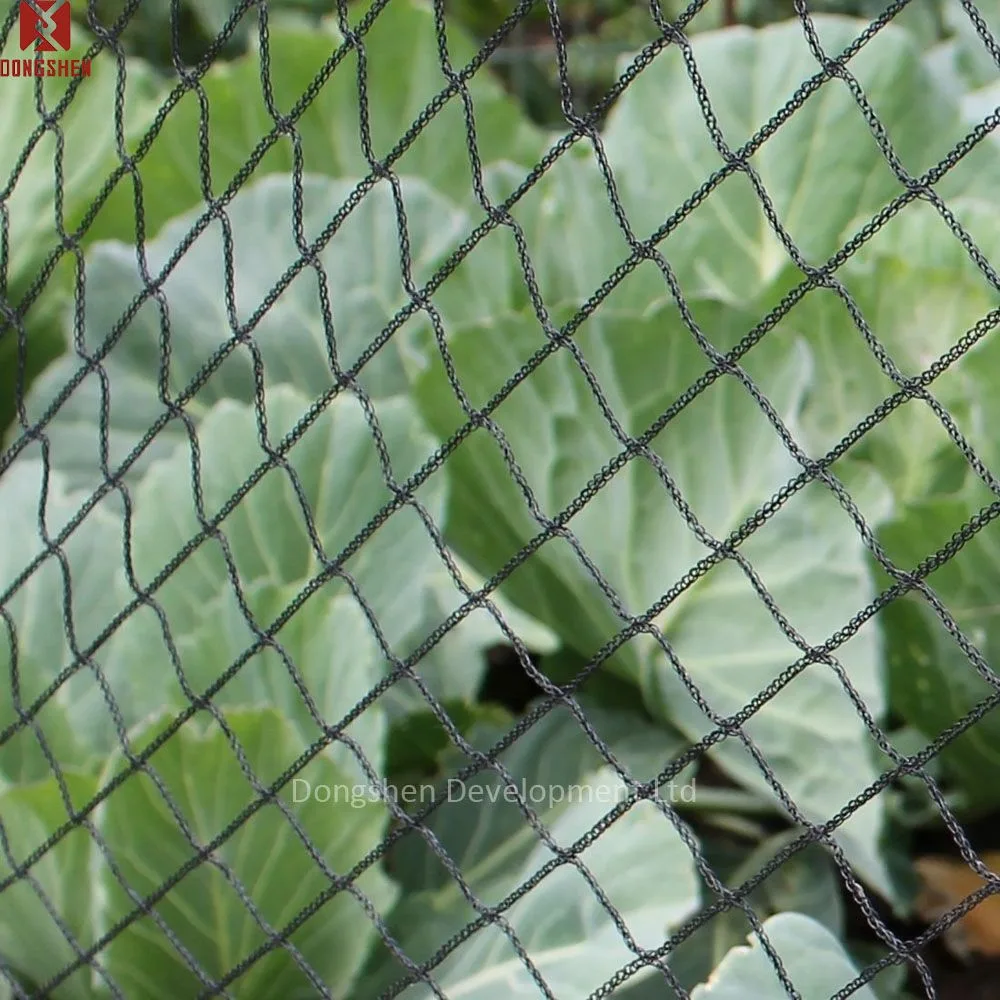
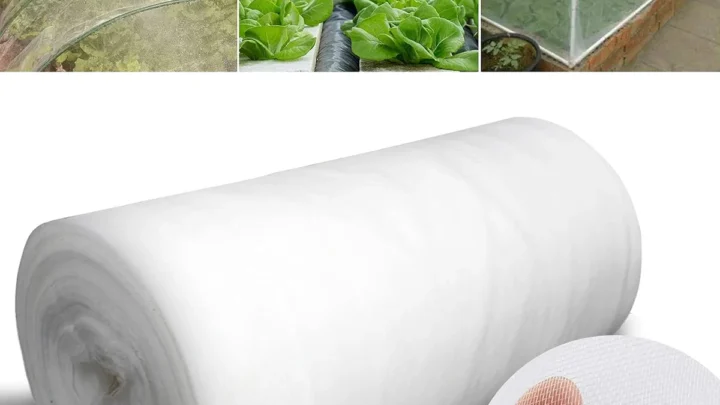
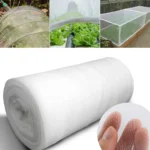
For material, knitted HDPE (high-density polyethylene) is the most practical choice for home and allotment growers. It's lightweight, UV-stabilised for three to five years of seasonal use, and easy to fold and store. Woven polypropylene suits permanent structures.
Extruded mesh is rigid and long-lasting but harder to fit over irregular frames.
According to guidance from the Royal Horticultural Society, correctly sized mesh netting consistently outperforms deterrent-based methods for protecting soft fruit and vegetable crops.
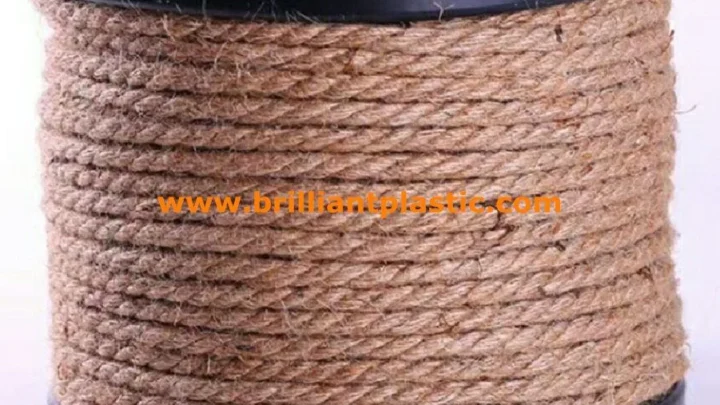
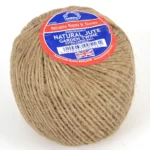
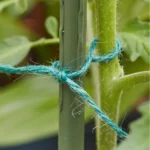
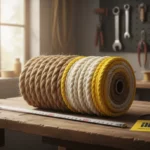
For attaching netting to hoops or frame posts, a natural plant twine keeps things tidy without abrading the mesh. Durable plant ties are especially useful when netting needs to stay anchored in exposed or windy spots.
As of 2026, UV-stabilised HDPE rolls in 4m widths remain the most widely available format for UK allotment and garden use.
Which Netting Setup Fits Your Situation
The correct structure matters just as much as the correct mesh. Use the branches below to match your setup to your situation.
Raised Beds and Small Plots
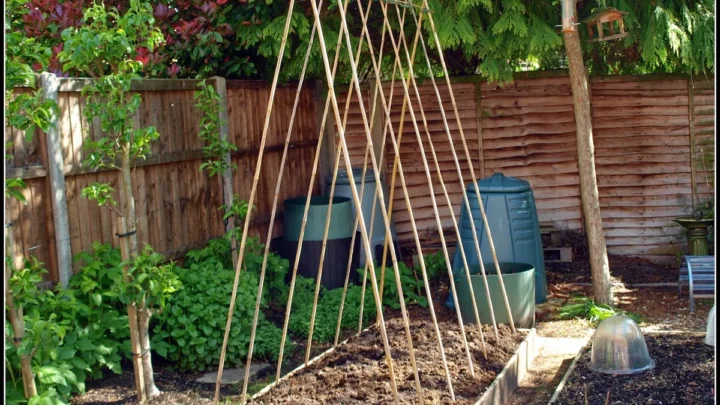
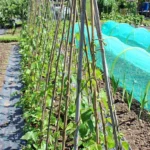
Push flexible hoops into the soil every 60 to 90cm across the bed width. Drape 19mm or 25mm netting over the hoops, then peg the edges firmly to the ground. Use natural hemp cord to tie the netting to each hoop so wind can't shift it sideways.
Leave a flap at one end for access. A loop of jute plant tie around the flap makes a quick closure that's easy to undo at harvest.
Soft Fruit Bushes and Canes
Raspberry canes and currant bushes need a frame that clears the top of the plant by 30cm. Build a post-and-rail structure, drape 25mm netting over it, and peg all edges down. For established beds, a permanent fruit cage with a rigid frame gives the best long-term result.
Fruit Trees and Orchards
Individual trees need a large canopy net supported by poles placed outside the drip line. Keep at least 30cm of clearance between the netting and all outer branches. Draping netting directly onto a tree creates entanglement risk and still allows birds to peck through from outside.
Large Brassica and Vegetable Rows
Use hoop tunnels every 60cm along the row with 50mm netting for pigeon pressure. Peg the edges firmly at ground level on all sides. For larger growing areas, a tensioned cable-and-post system gives a more durable, weather-stable result across winter.
How to Install Bird Netting Correctly
Measure the full area first and add 50cm to each side for anchoring. Buy slightly more netting than your measurements suggest. Running short mid-installation is frustrating and entirely avoidable.
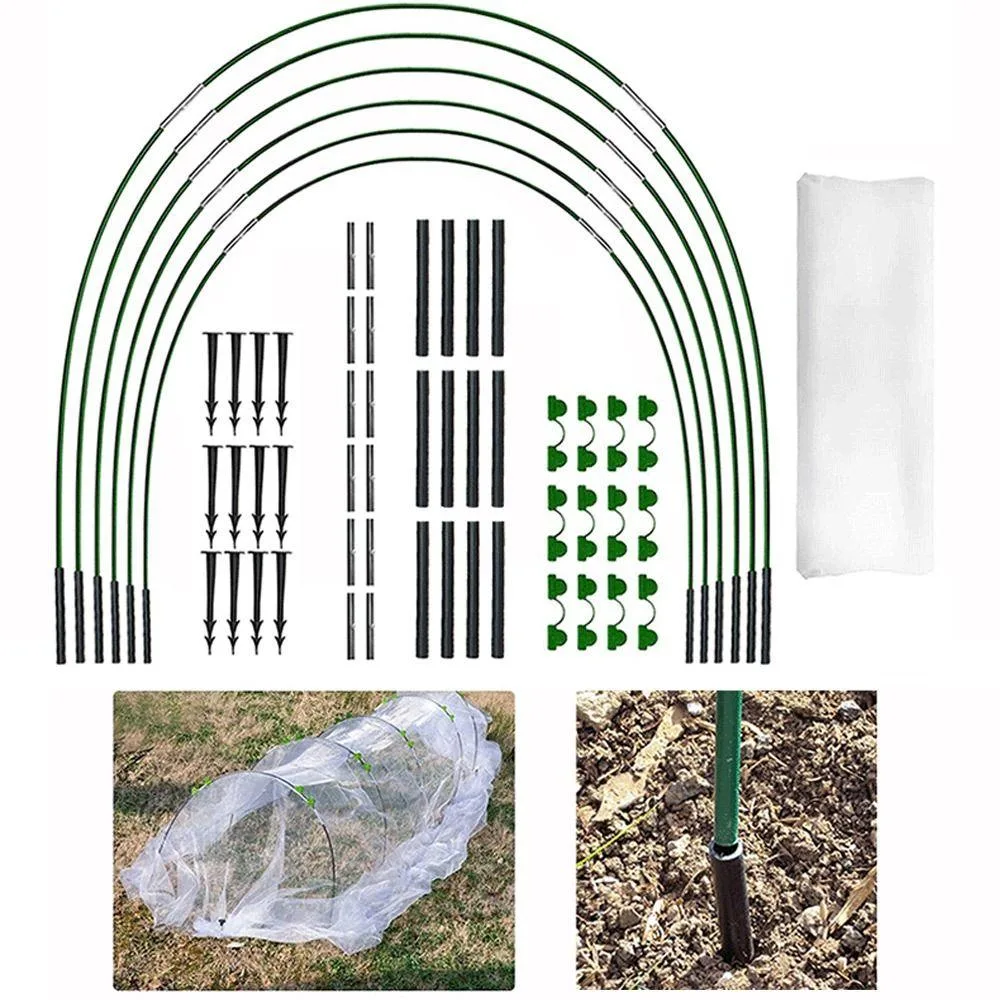
Follow these steps in order:
- Install the support structure. Place hoops, posts, or frame uprights before any netting goes on. Space hoops 60 to 90cm apart and confirm they're tall enough to give 30cm of headroom above the crop.
- Drape the netting centrally. Start from the middle of the frame and work outward evenly. Avoid pulling hard on one side while the other is still loose.
- Seal all edges to the ground. Use ground staples, sandbags, or bricks along every side. Birds walk under loose netting just as readily as they fly over it.
- Create an access point. Build a flap or overlap at one end, held with heavy-duty garden ties that you can open and re-close at each visit.
- Inspect for trapped animals daily. Check the full perimeter every day, especially at ground level where hedgehogs can become caught under loose sections.
- Manage pollination timing. For crops that require pollinators (strawberries, raspberries, tree fruit), open or remove the netting during peak flowering. Re-secure within 24 hours of petal drop.
The RSPB advises checking all garden netting daily for trapped wildlife. Their guidance at rspb.org.uk covers which netting configurations carry the highest entanglement risk for birds and small mammals.
Netting Mistakes That Let Birds Through and Harm Wildlife
The most common setup error is treating mesh size as an afterthought. Many growers pick whatever's cheapest or most available, then discover birds are still getting through. Match the mesh to the specific bird causing damage before anything else.
The second mistake is draping netting directly onto plants without a frame. Loose netting that sags onto foliage lets birds peck through at contact points. It also tangles around stems as plants grow.
A proper frame solves both problems.
Poor edge sealing is the third failure point. Ground-level gaps are the primary entry point for birds, not holes in the netting body itself. If any side isn't pinned down, birds walk straight underneath.
The fourth mistake is more serious. Loose drape netting left in place out of season is a proven wildlife hazard. Small birds and hedgehogs can twist into unsupported mesh and die before they're found.
Remove netting at the end of the growing season and store it properly.
Finally, don't overlook pollinators. Leaving netting sealed during full bloom cuts off bee access entirely. For strawberries, raspberries, and most tree fruit, a sealed net at peak flowering trades bird protection for crop failure.
Wildlife Laws, Entanglement Risk, and Safe Netting Practice
In the UK, all wild birds are protected under the Wildlife and Countryside Act 1981. Trapping, harming, or killing them requires a specific licence. Netting sidesteps this entirely.
It excludes birds without direct contact, so it carries no legal risk for the grower.
The entanglement risk is real. Mesh sizes above 25mm can trap house sparrows and wrens that try to pass through rather than fly around. At ground level, hedgehogs are particularly vulnerable.
A loose edge creates a gap that a hedgehog can enter but struggle to exit.
To keep your setup safe:
- Use 19mm mesh where small birds are present, as they can't fit through or become trapped
- Check the full perimeter every morning, especially after windy nights when pegs can loosen
- Remove netting at the end of the season rather than leaving it draped outdoors
- Dispose of degraded netting responsibly. Old PE netting left loose on the ground creates long-term entanglement hazards for local wildlife
Frequently Asked Questions
Does bird netting also keep out rabbits and squirrels?
Standard bird netting doesn't stop either. Rabbits need a rigid wire mesh buried at least 15cm into the ground. Squirrels are persistent climbers and diggers.
A fully enclosed fruit cage with a rigid frame and tight-mesh sides is the only reliable option against both.
How long does bird netting last?
Lifespan depends on material and UV exposure. Standard PE netting typically lasts three to five seasons with proper storage. HDPE netting with UV stabilisers can reach seven to ten years.
Cheap extruded netting often becomes brittle within two summers of direct sun. Store it dry and folded at the end of each season.
Can I leave bird netting on all year?
You can leave it in place through the growing season, but remove it over winter. Extended outdoor exposure degrades the material faster and raises entanglement risk when no crop is present. Year-round draping with nothing to protect creates unnecessary hazard for local wildlife.
Do I need to remove netting when flowers appear?
Yes, for any crop that needs insect pollination. Strawberries, raspberries, and most tree fruit require bee access during flowering. Peel the netting back once flowers open.
Replace it promptly once petals drop and small fruitlets start to form.
How do I stop netting from lifting in wind?
Proper edge sealing fixes most wind problems. Peg the net to the ground every 30cm around the full perimeter. For larger areas, sandbags or bricks hold edges reliably.
Running a cord along the top frame rail keeps the netting under tension and stops it billowing sideways.

Similar Posts