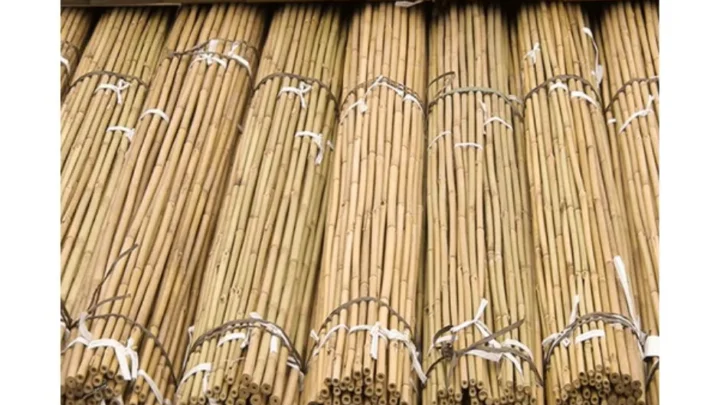
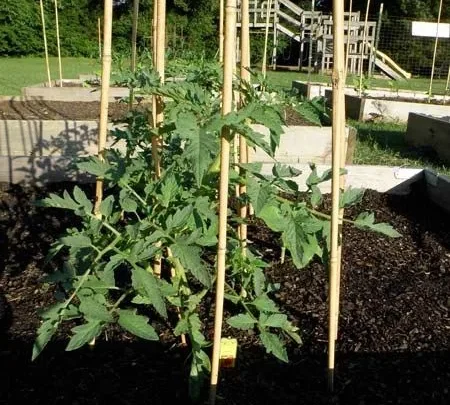
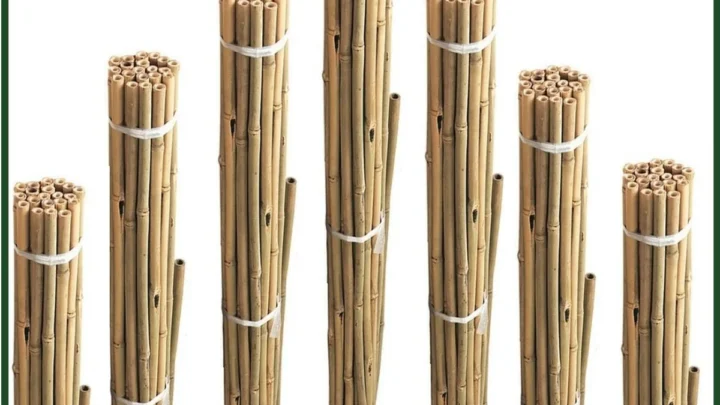
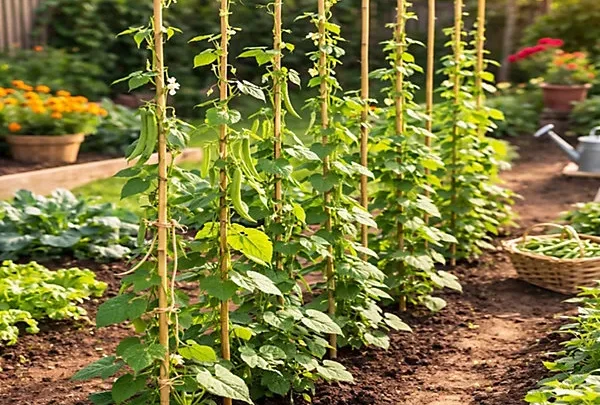
How to Sharpen Bamboo Canes for Any Garden Task
Knowing how to sharpen bamboo canes is one of those tasks that looks simple until you watch your first cane split straight up the middle. Bamboo isn't just hollow wood. It has a distinct internal structure that punishes the wrong technique fast, and most written advice glosses right over that.
Common garden canes range from 6mm to 25mm in diameter, and as of 2026, the most widely sold lengths run from 60cm to 180cm. The method that works cleanly on a 6mm stake is completely different from what you'd use on a thick 16mm one. Understanding the material before you pick up a blade saves you wasted canes and time.
Quick Answer
To sharpen a bamboo cane, use a sharp utility knife. Start just below a node and always cut away from your body. Rotate the cane after every few strokes to keep the taper even.
Finish with 220-grit sandpaper to smooth the tip and remove micro-splinters.
Why Bamboo Is Trickier to Sharpen Than Wood (And What That Means for Your Technique)
Three structural features set bamboo apart from any wood you've whittled before, and each one changes your approach.
The first is the node, the solid ring you can see and feel at intervals along the cane. Between nodes, the interior is hollow. That means one hard rule: never start your taper cut through a node.
Nodes resist the blade, and forcing a cut through one at an angle cracks the cane. Position your starting point at least 4 to 5cm below the nearest node.
The second factor is grain direction. Bamboo fibers run longitudinally, straight down the cane. A blade that shaves with the grain produces clean curls.
One that catches against it, or cuts at a steep diagonal, triggers splitting. Once a split starts, it runs up the cane fast.
The third is the outer skin. That smooth, waxy outer layer is the strongest part of the material. Preserve as much of it as you can during shaping.
Strip it entirely and you expose softer, more fibrous interior that frays at the tip.
One more variable matters: green bamboo is springy and wet, making blade control harder. Dried canes are stiffer and more predictable. The Food and Agriculture Organization has documented that bamboo's mechanical properties shift considerably with moisture content.
Dried canes sharpen far more cleanly.
The Only Tools You Actually Need
You don't need a full workshop. Three tools cover almost every sharpening job you'll encounter.
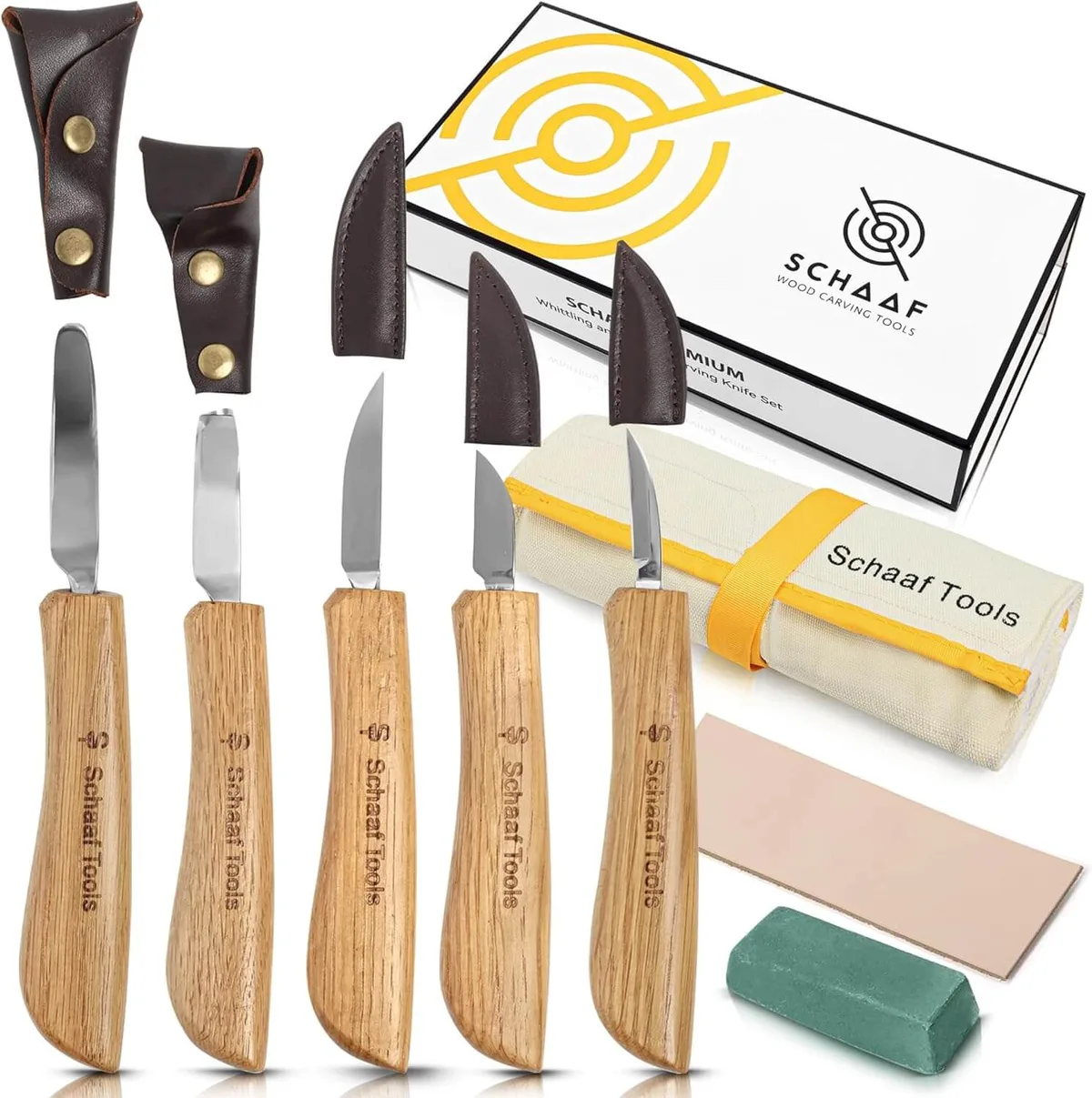
| Tool | Best Cane Size | Notes |
|---|---|---|
| Utility knife (Stanley knife) | All diameters | Use a fresh blade each session |
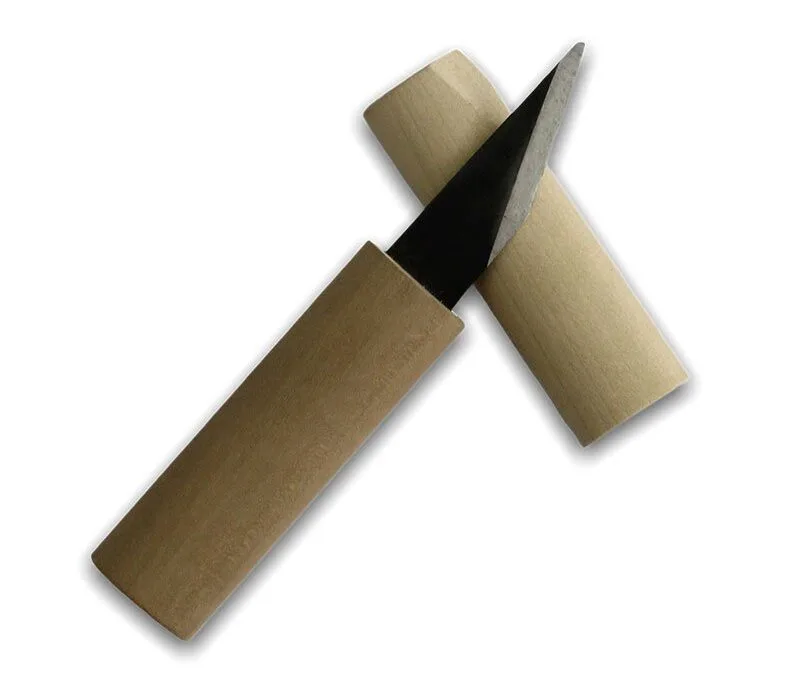
| Whittling knife | 12mm and above | Better grip for extended shaping |
| Sandpaper, 120-400 grit | Any diameter | 120 for rough shaping, 400 to finish |
| Wide-barrel pencil sharpener | 8mm and under | Fast, consistent, minimal skill required |
The utility knife is the right starting point for most people. A fresh blade matters more than brand. A dull blade doesn't shave bamboo, it tears the grain, and that's when splitting happens.
Sandpaper plays two roles. Coarse grits (80 to 120) can shape a taper on thin canes without any knife work. Fine grits (220 to 400) finish and smooth the point after knife shaping.
Skip power tools entirely. A rotary tool or angle grinder moves too fast for bamboo's fibrous structure and causes immediate fraying rather than a clean taper.
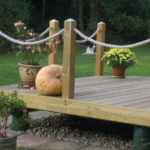
Once your stake is in the ground, plant-safe natural cordage keeps stems secured without damaging soft growth.
How to Sharpen a Bamboo Cane: Step by Step
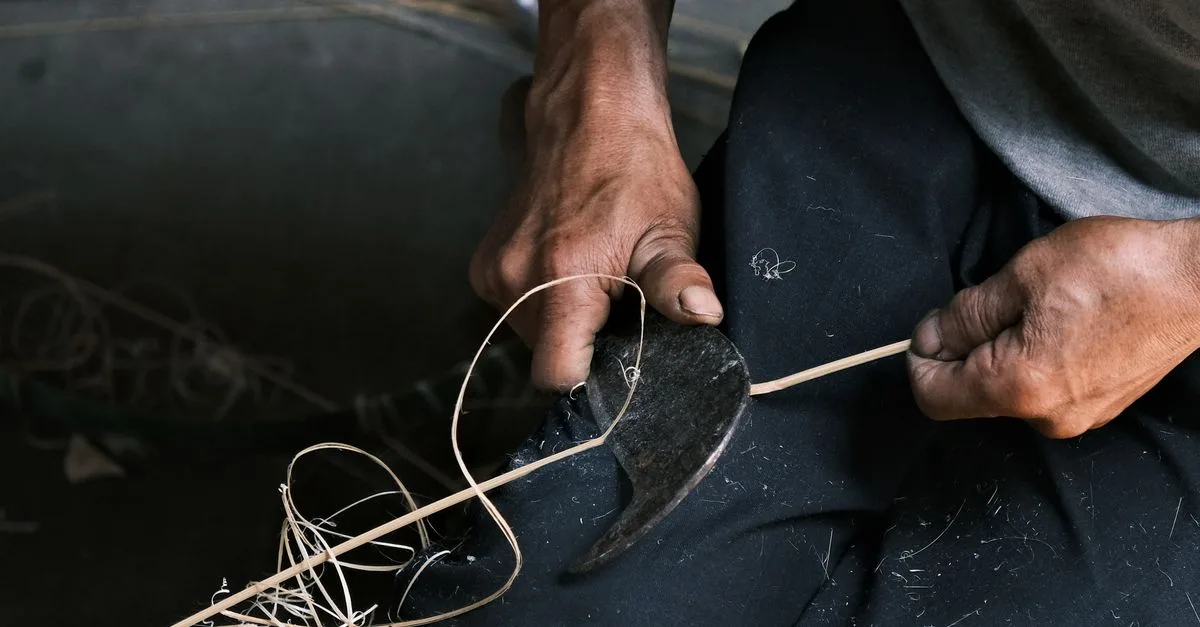
Securing the Cane
Grip matters more than people expect. A rolling or shifting cane causes blade slips. Brace the cane against your thigh, press it against a workbench edge, or clamp it in a vise.
The cane must not move during the stroke.
Identify the nearest node before you start. Mark your taper's starting point at least 4cm below it.
Shaping the Taper
Start your cuts at the far end of your planned taper. Use short, controlled forward strokes, pushing the blade away from your body. Don't try to remove a lot of material in one go.
Thin shavings give you control.
After every two or three strokes, rotate the cane a quarter turn. This keeps the taper even and symmetric. Stay on one side too long and you end up with a flat, lopsided point that snaps under lateral pressure.
Target a taper angle of 15 to 20 degrees for garden stakes. A shallower angle makes a stronger point. A steeper angle gives a sharper tip but thins the walls more.
Finishing the Point
Once the rough shape is there, switch to 120-grit sandpaper to refine the taper. Follow up with 220-grit, then 400-grit for a smooth, splinter-free surface. For canes used near children or as food skewers, this final pass is non-negotiable.
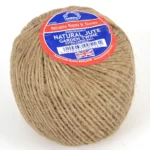
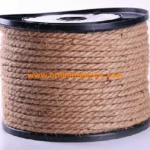
Once the stake is ready for the garden, heavy-duty natural twine holds well on thick-stemmed plants like dahlias and climbing beans. For delicate seedlings, a softer plant tie causes far less stem bruising.
Knife, Sandpaper, or Pencil Sharpener: Which Method Fits Your Cane
The right method depends on two things: cane diameter and how much precision you need.
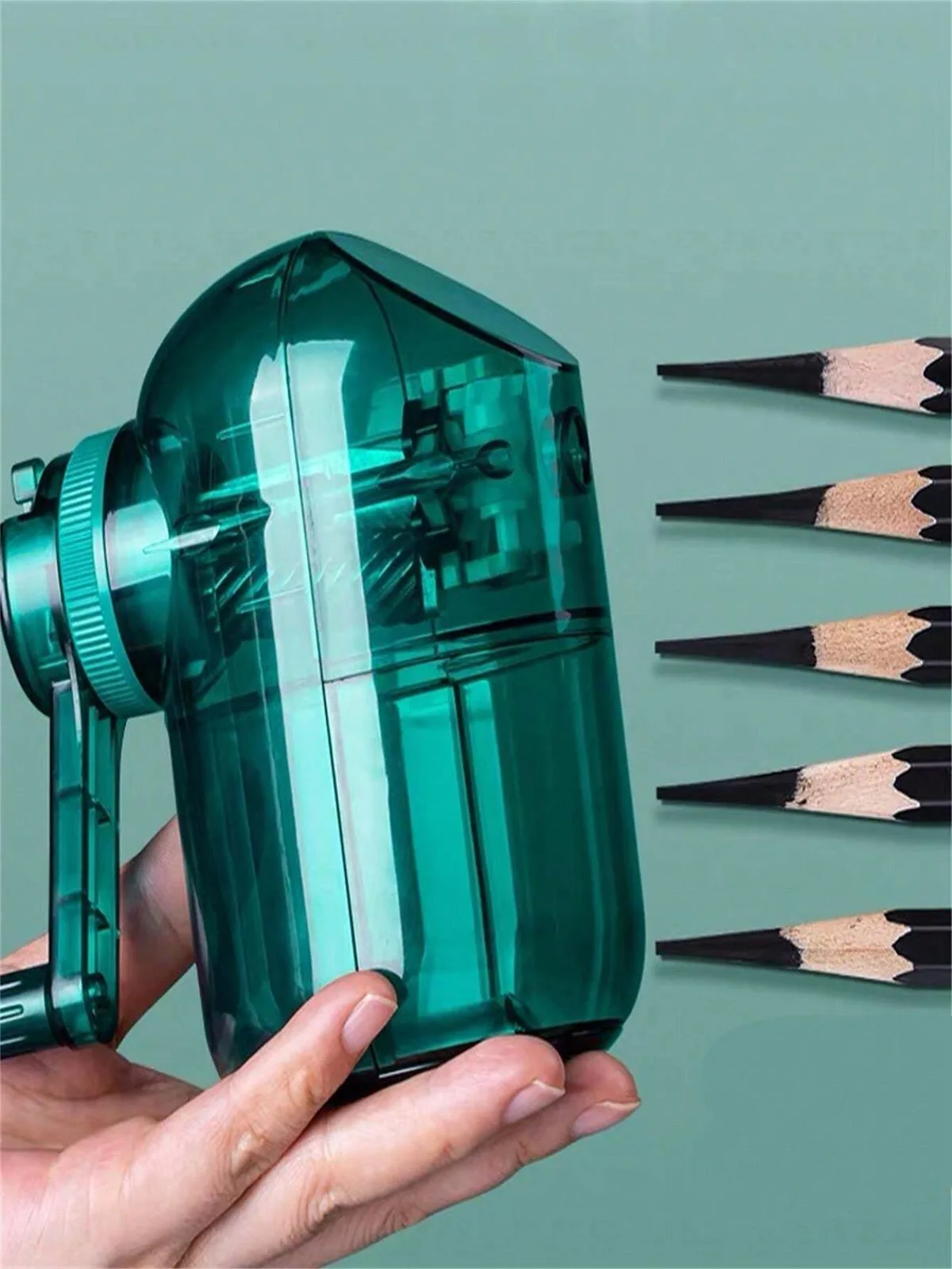
| Method | Best Cane Size | Speed | Control | Finish Quality |
|---|---|---|---|---|
| Utility knife | 8mm-25mm | Medium | High | High |
| Whittling knife | 12mm-25mm | Slow | Very high | Very high |
| Sandpaper only | 6mm-12mm | Slow | Medium | Medium |
| Pencil sharpener | Under 8mm | Fast | Low | Medium |
The utility knife is the best all-rounder. It handles most diameters, gives good control over taper angle and length, and only needs light finishing sanding.
Sandpaper only works well on thin canes where knife control is awkward. Wrap it around a flat block and rotate the cane against it. Slow, but very forgiving for beginners.
The pencil sharpener is underrated for narrow canes. A wide-barrel model fits canes up to about 8mm and produces a neat, symmetric point with minimal technique. The limitation is zero control over taper length.
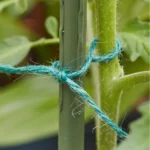
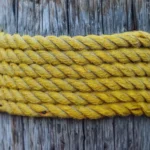
For securing vegetables and lighter climbers to stakes, plant twine rated for outdoor use holds up far better through wet seasons than synthetic alternatives.
Six Mistakes That Split or Ruin the Tip
Most sharpening failures trace back to the same small set of errors.
1. Cutting through a node. Nodes are hard and dense. Forcing a blade through one at an angle cracks the cane.
Always start the taper below a node, never through it.
2. Using a dull blade. A dull edge drags and catches the grain instead of shaving it. Per OSHA hand tool safety guidance, dull tools require more force, and excess force is what causes slips.
Replace blades often.
3. Staying on one side too long. Cutting without rotating produces a flat, asymmetric point that snaps under lateral pressure. Rotate a quarter turn after every few strokes.
4. Removing too much material at once. Deep cuts cause the grain to catch and split below the cut line. Light, thin strokes build the taper cleanly.
5. Thinning past the hollow core. As the walls thin near the tip, the hollow interior becomes exposed. Push the taper too far and there's nothing left supporting the point.
Stop before the walls become paper-thin.
6. Skipping the final sand. A knife-only tip carries micro-splinters on the surface. For natural cord to grip without fraying, and for any food use, a smooth tip is essential.
Safety Rules Worth Following Before You Pick Up a Blade
Technique mistakes ruin the cane. Safety mistakes send you to urgent care. These are not the same problem.
Always cut away from your body. Every stroke ends with the blade moving away from you, not toward your hand or torso. This applies to every stroke, without exception.
Wear eye protection. Dried bamboo sends small fiber shards airborne during both knife shaping and the sanding stage. Safety glasses eliminate this hazard entirely.
Secure the cane before every stroke. Bamboo's smooth outer skin makes it prone to rolling. A cane that shifts mid-stroke is the fastest route to a cut hand.
Fit safety caps on installed stakes. A sharpened cane at eye level in a vegetable bed is a genuine injury risk. Garden cane toppers are inexpensive and widely available. Fit one before walking away from the bed.
Store sharpened canes tip-down in a bucket, or cap them before putting them away. Loose, uncapped pointed canes stored in a bundle cause more injuries than the sharpening itself.
Frequently Asked Questions
Why does my bamboo cane keep splitting when I try to sharpen it?
The most likely cause is a dull blade. A dull edge tears the grain instead of shaving it, and once the grain catches, a split runs up fast. The second most common cause is starting too close to a node.
Start at least 4cm below the node and use a fresh blade.
Can I use a kitchen knife to sharpen bamboo canes?
A sharp kitchen knife with a thin, smooth blade will work. Avoid serrated knives entirely. A serrated edge catches the grain and tears rather than shaves.
A paring knife or carving knife is a reasonable substitute if you don't have a utility knife to hand.
How long should the sharpened taper be?
For garden stakes, 5 to 8cm is a practical taper length. Shorter than that and the stake is hard to drive into firm soil. Longer and the walls thin out too much.
Thicker canes can support a longer taper, so adjust based on your cane's diameter.
Should I sharpen green bamboo or wait for it to dry?
Wait for it to dry if you can. Green bamboo is springy and harder to control under a blade. It also tends to shrink slightly as it dries, which can distort a point shaped when wet.
Dried canes are stiffer, more predictable, and produce a cleaner finish.
Does the tip need sealing after sharpening?
Not mandatory, but it helps. A thin coat of diluted PVA glue slows moisture wicking and reduces cracking in wet soil. Wood hardener works equally well.
For canes used seasonally in a garden bed, sealing the tip noticeably extends their working life.

Similar Posts