How to Stop Bamboo Canes From Rotting in the Ground
Most gardeners only start thinking about how to stop bamboo canes rotting after they've watched a season's worth of stakes collapse. Bamboo looks durable, but untreated canes in wet soil or damp storage can fail within a single growing season. The structure that makes bamboo strong is also what makes it vulnerable.
A hollow interior, thin walls, and starch-rich inner tissue give fungi exactly what they need.
According to the International Bamboo and Rattan Organisation, untreated bamboo in ground contact typically lasts just one to three years. Treated correctly, that figure climbs to ten years or more. What treatment you need depends entirely on your specific situation, so that's where to start.
Quick Answer
To stop bamboo canes rotting, cure fresh canes fully before treating. Soak in-ground canes in a borax solution for 24 to 48 hours. Seal the buried end with charring or exterior varnish.
Coat above-ground canes with raw linseed oil and seal all cut ends. Store canes raised off damp surfaces between seasons. With proper treatment, bamboo canes can last five to fifteen years.
Why Bamboo Canes Rot So Fast (and What's Actually Driving It)
Bamboo looks like solid, hard material. It isn't. Each cane is hollow with thin walls, and the outer skin (the culm epidermis) is silica-rich and naturally moisture-resistant.
Once that outer layer is cut, cracked, or scratched, moisture gets in fast and rot follows.
Fresh bamboo makes things worse. Green canes can carry up to 80% moisture content and are packed with natural starches and sugars. Those compounds are food for fungi and bacteria.
Put an undried, untreated cane into wet soil and you've created near-perfect rot conditions.
The main entry points for moisture are:
- Cut ends: especially the hollow top, which channels rainwater directly inside the cane
- The buried section: where soil bacteria and fungal spores attack continuously
- Surface cracks: caused by rapid drying in wind or direct sun
- Damaged outer skin: any area where the natural silica barrier has been scratched or scraped
Above-ground canes face an extra problem. UV exposure bleaches bamboo, causes uneven drying, and opens surface splits that become water channels. A cane left in full sun all season without surface protection will crack even if it never touches wet soil.
Rot follows the same pattern every time. Once you know where it starts, you can stop it.
The Variable That Changes Everything: Identify Your Situation First
Before treating anything, answer three questions. Your answers determine the right approach.
Are your canes fresh and green, or already dried?
Fresh canes still hold moisture and starch throughout the culm wall. Treating them before they've dried traps the problem inside. Dried canes (tan or grey in colour, noticeably lighter in weight) are ready to treat straight away.
Will they go into the ground or stay above it?
In-ground use is the harshest environment bamboo faces. Soil moisture, bacteria, and fungal spores attack the buried end directly and persistently. Above-ground use for fencing, trellising, or decorative features is far more manageable.
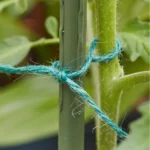
If you're tying climbers to a trellis, a heavy-duty plant cord reduces lateral stress on the cane compared to wire or rigid clips.
Are the canes already showing rot?
Press along the wall of each cane. Soft spots, dark patches, or a musty smell indicate active decay. Rot caught at a cut end can be trimmed back to firm material and resealed.
If the cane wall itself feels soft or the cane flexes under light pressure, it's structurally compromised and should be replaced.
| Situation | Main Rot Driver | Best First Action |
|---|---|---|
| Fresh green cane | Internal starch and moisture | Cure fully (4 to 8 weeks) before treating |
| Dried, in-ground use | Soil bacteria and persistent moisture | Borax soak and seal buried end |
| Dried, above-ground use | UV cracking and rain | Raw linseed oil and cut-end sealing |
| Already rotting at base | Structural failure | Replace or cut back to sound material |
Treatments Matched to Your Situation
Fresh or Green Canes: Cure Them Before You Do Anything Else
Stack fresh canes horizontally in a dry, shaded, well-ventilated space. Don't stand them upright as uneven drying causes splits. Leave them for four to eight weeks until they turn tan or grey and feel noticeably lighter.
Applying oil or borax to undried canes traps internal moisture and accelerates the rot you're trying to prevent.
In-Ground Canes: Protecting the Buried End
Borax is the most reliable treatment for canes going into soil. As of 2026, it remains the standard approach for in-ground bamboo preservation. Dissolve borax powder in hot water at 8 to 10% concentration (80 to 100g per litre).
Submerge the canes fully and soak for 24 to 48 hours.
Let them dry completely for two to four weeks before use. The RHS advises inspecting and maintaining garden plant supports each growing season, and bamboo stakes need the same attention.
For extra protection, char the bottom 30cm over an open flame until the surface carbonises. This hardens the outer cells and blocks moisture uptake at the most vulnerable zone. Pair treated in-ground canes with plant-safe hemp ties that won't trap dampness against the bamboo surface.
Above-Ground and Surface-Exposed Canes: Sealing and Oiling
Apply raw linseed oil with a cloth. Sit the tin in hot water for ten minutes first to thin it and improve penetration. Work in two to three coats, 24 hours apart.
Seal all cut ends with exterior varnish or beeswax, and reapply annually on weathered or frequently handled canes.
Canes Already Showing Rot: What Can Still Be Saved
Trim back to firm material at any rotted cut end and reseal immediately. If the cane wall itself has softened, or the cane bends noticeably under light pressure, it's no longer safe for plant support. Replace it rather than re-treating it.
How to Cut, Seal, and Store Bamboo Canes to Block Rot at the Source
Small preparation habits extend cane life more than any treatment applied over poor fundamentals.
Cut at the node, not between them. A node is the solid raised ring visible at intervals along any bamboo cane. Cutting at a node closes the hollow. Cutting between nodes leaves an open tube that collects rainwater and holds it inside the cane.
If you're buying pre-cut canes, inspect the top end and seal any open hollows before use.
Seal every cut end immediately. Use exterior varnish, beeswax, or a small amount of silicone sealant. It takes under a minute per cane and removes the main water entry point regardless of what other treatment the cane has had.
When tying plants to stakes, use plant-friendly natural twine rather than synthetic rope. Natural fibres won't hold moisture against the cane surface the way plastic-coated ties can. For heavier stems, strong plant-tying cord provides a secure hold without pressing into the bamboo.
Store canes correctly between seasons. Most cane rot happens in storage, not during active use.
- Elevate canes horizontally on timber rails or hang them on hooks
- Never lay them on bare soil or a damp concrete floor
- Keep them in a ventilated space with airflow on all sides
- Inspect every cane for soft spots before the following season
Re-treat the buried end of in-ground canes each time you pull and replant them.
The Mistakes That Accelerate Rot Even on Treated Canes
Treatment helps, but these habits will undermine even a well-executed preparation.
Treating green canes before curing them. The most common mistake. Oil or borax applied to fresh bamboo seals in the starch and moisture that rot feeds on. No treatment works properly on undried canes.
Cutting between nodes. Every open hollow is a water trap. If you've already made those cuts, seal the ends before use.
Reusing canes without inspecting them. A cane that survived last season isn't guaranteed for this one. Press the wall of each cane before reuse. Any softness means internal rot has progressed past the point where re-treatment can reverse it.
Storing canes on the ground. Direct ground contact keeps bamboo damp even in a dry shed. A slightly damp concrete floor is enough to shorten cane life significantly over a winter.
Oiling canes that are still wet. Oil over surface moisture doesn't penetrate. It forms a skin that traps dampness underneath. Let canes dry fully in open air before re-treating.
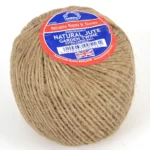
Using surface sealant alone for in-ground canes. Exterior varnish seals the surface but won't protect the buried end from soil bacteria. In-ground canes need borax as the base layer first. Jute twine for securing plant stems works well alongside treated canes, but only when the cane itself is sound enough to carry the load.
Getting these basics right means your treatments actually do their job.
How Long Should Treated Bamboo Canes Really Last?
Lifespan varies based on treatment method, use case, and whether you maintain canes between seasons. Here's a realistic breakdown:
| Treatment | Use Case | Expected Lifespan |
|---|---|---|
| No treatment | In-ground | 1 to 3 years |
| No treatment | Above-ground | 2 to 4 years |
| Borax soak | In-ground | 5 to 10+ years |
| Charred buried end only | In-ground | 3 to 7 years |
| Raw linseed oil (annual reapplication) | Above-ground | 5 to 10 years |
| Borax soak + charred end combined | In-ground | 8 to 15 years |
The biggest gains come from combining methods. A borax-soaked cane with a charred buried end, stored off the ground between seasons, will far outlast one that's only had a surface oil treatment.
Climate matters too. Aggregate feedback from UK gardeners suggests in-ground lifespan tracks toward the lower end of these ranges in wet regions without annual retreatment. In drier climates, above-ground canes hold up considerably longer between maintenance cycles.
These figures apply to properly cured bamboo. Green canes that skip the drying stage will rot faster than any treatment can compensate for.
Reapplication is what most gardeners skip. A borax-treated cane left in wet soil for five years without maintenance won't match the lifespan of one retreated at the buried end each season. Treat bamboo like any garden tool: regular attention keeps it going, neglect shortens it fast.
Frequently Asked Questions
Can I treat bamboo canes that are already planted in the ground?
Not easily while they're in situ. You can't retroactively soak the buried section without pulling the cane out. If the canes are still structurally sound, remove them at the end of the season, clean them, apply a borax soak, dry fully, and replant.
Surface treatment while canes are in active use only protects the above-ground section.
Is borax safe to use near edible crops?
Borax has low mammalian toxicity but is harmful to aquatic life and can build up in soil at high concentrations. For canes used directly alongside edible crops, charring the buried end or using raw linseed oil is the safer choice. Keep borax-treated canes away from ponds and water features.
Why do my bamboo canes turn black?
Black discolouration is almost always surface mould or mildew, not deep structural rot. It develops when canes are stored in damp conditions or kept against wet soil. Clean affected canes with a dilute white vinegar solution, dry them fully, and reseal.
If the cane wall feels soft underneath, it's structurally compromised.
How often should I reapply linseed oil to above-ground canes?
Once a year is enough for most above-ground canes. Check the surface before each growing season: if it looks bleached, dry, or shows cracking, apply a fresh coat. Canes in full sun or heavy rain exposure may need reapplication every six to eight months.
Does regular wood preservative work on bamboo?
Most solvent-based wood preservatives don't penetrate bamboo well. They sit on the silica-rich outer skin rather than soaking into the culm wall. Borax works because it's water-soluble and penetrates during soaking.
Raw linseed oil also outperforms conventional fence or timber stain as a bamboo surface treatment.

Similar Posts