Bamboo Cane Thickness: Which Size Do You Actually Need?
Founder & Lead Horticulturist at Gardener Expert · RHS Master of Horticulture, Certified Professional Horticulturist (CPH) · 16+ years in residential organic gardening, plant propagation, and structural plant training
When you're wondering what thickness bamboo cane do i need, the answer comes down to what you're growing. Most gardeners skip that calculation and grab whatever's in stock. That's why runner bean rows collapse in August and dahlia heads drag on the ground before the season's halfway through.
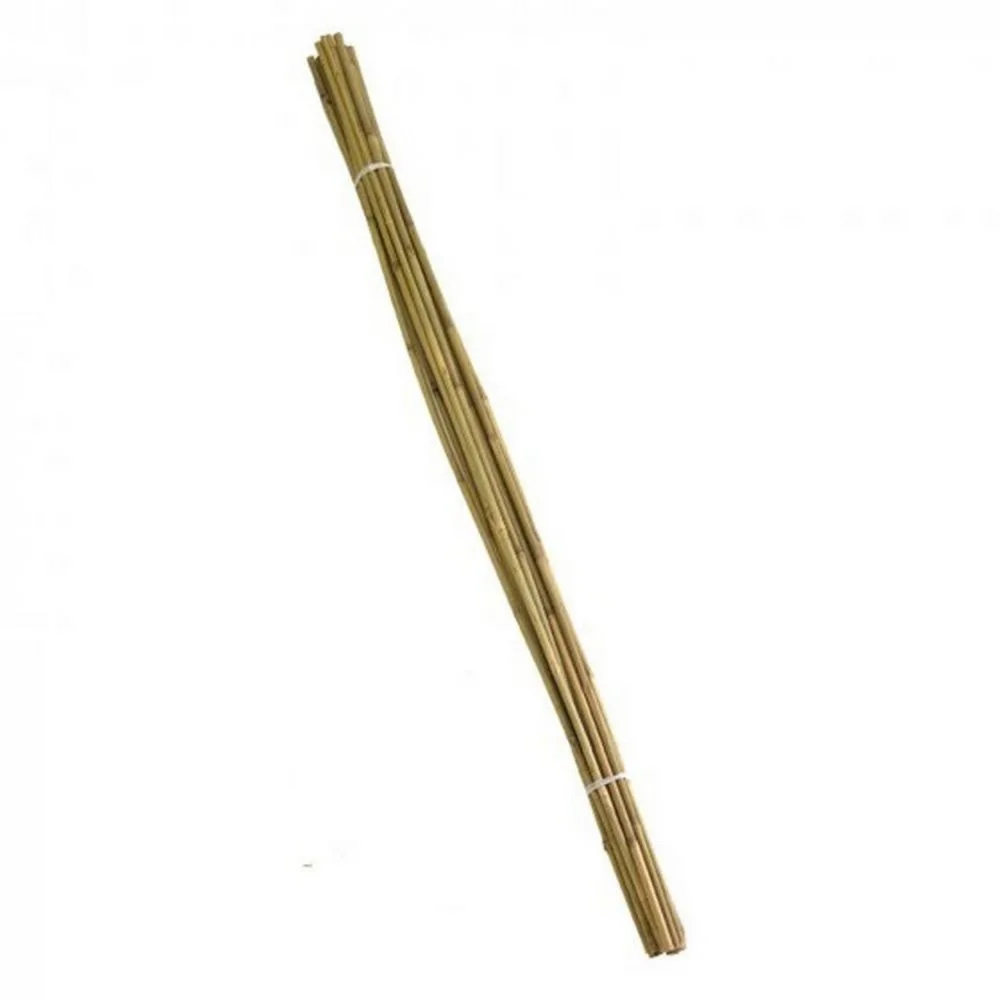
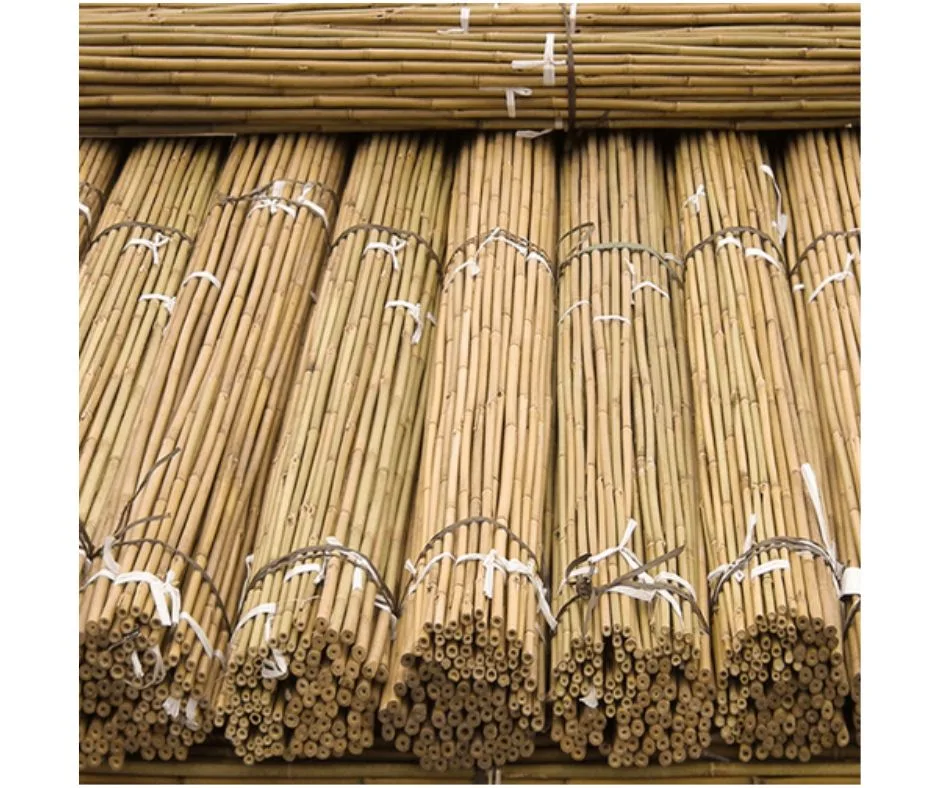
Bamboo canes are graded by diameter, typically from 8mm up to 25mm or more. The Royal Horticultural Society recommends matching cane diameter to plant load, not just height. Four simple variables will tell you exactly which bracket to buy.
Quick Answer
What thickness bamboo cane you need depends on your plant type. Use 8-10mm for seedlings and lightweight annuals. Use 12-14mm for peas, climbing flowers, and medium perennials.
Use 16-18mm for tomatoes, runner beans, and dahlias. Use 20mm or thicker for wigwam frames and tree staking.
Why Cane Thickness Is the Detail Most Gardeners Get Wrong
Most gardeners choose canes by length, not diameter. That's the wrong starting point. A 1.8m cane at 8mm feels fine in your hand.
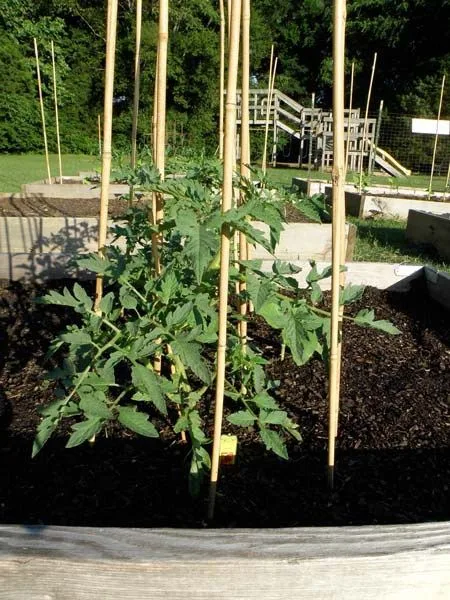
It won't carry 2kg of fruit-loaded tomato stems through a July gust.
The failure mode is predictable. Thin canes bend under lateral load long before they snap. By the time you notice the lean, it's usually too late to re-stake without disturbing the root zone.
Thicker canes tend to fail at a node, but only when badly undersized for the job.
There's a cost trap in the other direction too. Heavy-duty 20mm canes for lightweight cosmos or sweet peas waste money and are awkward to push into tight beds. The goal is matching diameter to realistic plant load, not buying the thickest thing on the shelf.
Cane labelling in most stores focuses on length. Diameter often appears in small text, or not at all. Manufacturers grade canes by millimetre, but that detail doesn't always make it to the shelf label.
One thing worth knowing: canes with more frequent nodes along the stem are stiffer and split less readily at tie points. For heavy climbers or structural builds, that's worth checking before buying in bulk.
As of 2026, UK and US retailers typically stock four main diameter groupings: thin (8-10mm), medium (12-14mm), standard heavy (16-18mm), and structural (20mm+). Matching your plant to the right bracket is what keeps your garden standing through August.
The Four Variables That Decide Which Thickness You Need
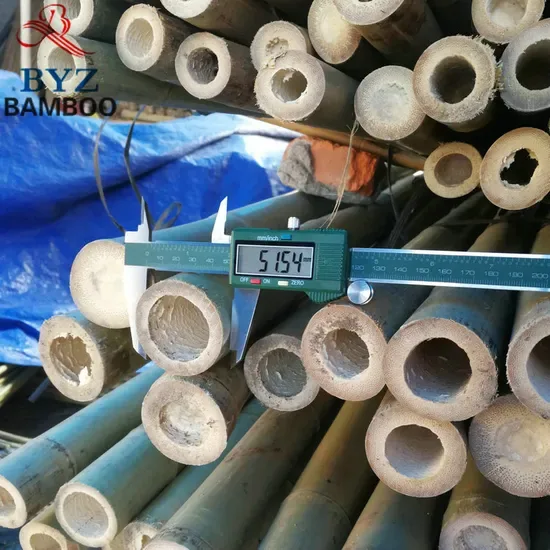
Before buying, answer these four questions. Your answers lead directly to the right diameter.
1. How tall will the plant grow at maturity?
Taller plants create more leverage on the cane. A 1.5m plant swaying in wind puts far more force at ground level than a 60cm plant does. Taller plants need thicker canes, not just longer ones.
2. How heavy will the stems, foliage, and fruit get?
A tall sweet pea is mostly lightweight foliage. A tomato plant can carry fruit trusses exceeding 3kg total. If the plant produces heavy fruit or dense flower heads, go one diameter step up from your first instinct.
3. How exposed is your growing site?
A sheltered garden bed is a different environment from an open allotment or coastal plot. Wind applies constant sideways force. Exposed sites need canes at least one diameter bracket thicker than a sheltered site growing the same plants.
4. Are you staking individual plants or building a structure?
Single-plant staking demands far less than building a wigwam or A-frame row. Structural builds where multiple canes cross and carry shared load need 20mm or above for the main uprights.
| Variable | Thinner cane OK | Go thicker |
|---|---|---|
| Plant height | Under 1m | Over 1.5m |
| Plant weight | Foliage only | Fruit or dense flower heads |
| Wind exposure | Sheltered garden | Open or coastal site |
| Use type | Single stem stake | Frame or structure |
Bamboo Cane Thickness by Plant and Use Case
Use these brackets as your decision guide. Each maps to a realistic plant load and typical growing scenario.
Small Annuals, Seedlings, and Lightweight Stems (8-10mm)
These canes suit plants with slim stems that need a gentle guide, not structural support. Think cornflowers, antirrhinums, pansies, and single-stem cosmos. They also work well for staking newly potted seedlings while they establish.
Push them at least 15cm into the soil so they anchor without flex.
Climbing Vegetables, Peas, and Tall Perennials (12-14mm)
This is the everyday workhorse bracket. Peas, mangetout, sweet peas, and climbing French beans all sit here. When tying stems, plant-safe natural cord does the job without cutting into tender growth.
Delphiniums and lupins also fit this bracket in sheltered beds.
Tomatoes, Dahlias, Runner Beans, and Heavy Climbers (16-18mm)
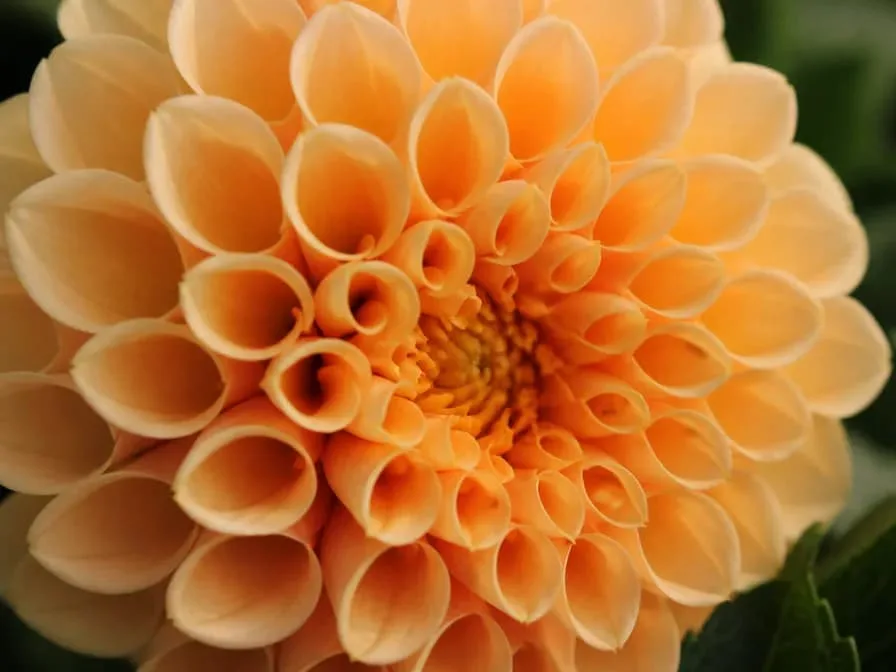
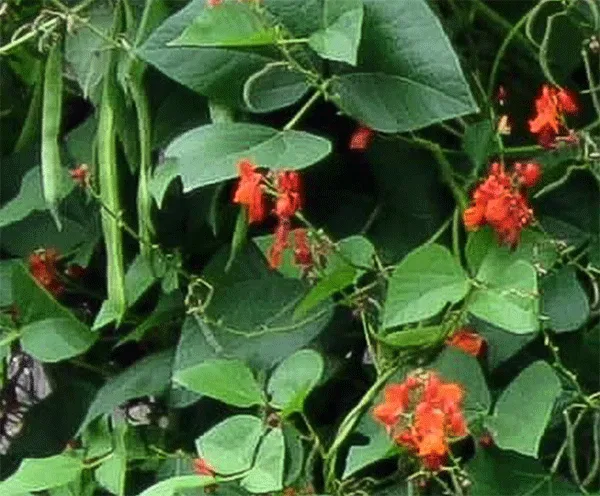
This is the most commonly under-specified bracket. Gardeners often reach for 12mm canes for tomatoes and wonder why they bend by midsummer. Tomatoes carry dense fruit trusses, and runner beans build up serious mass across a full row.
For tying heavy stems, durable natural cord handles the weight without snapping.
Wigwams, A-Frames, and Structural Garden Builds (20mm+)
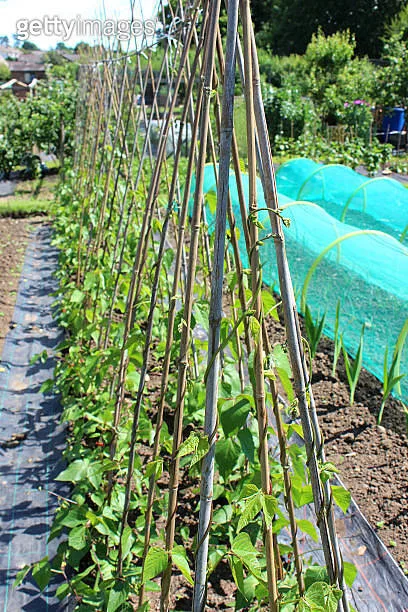
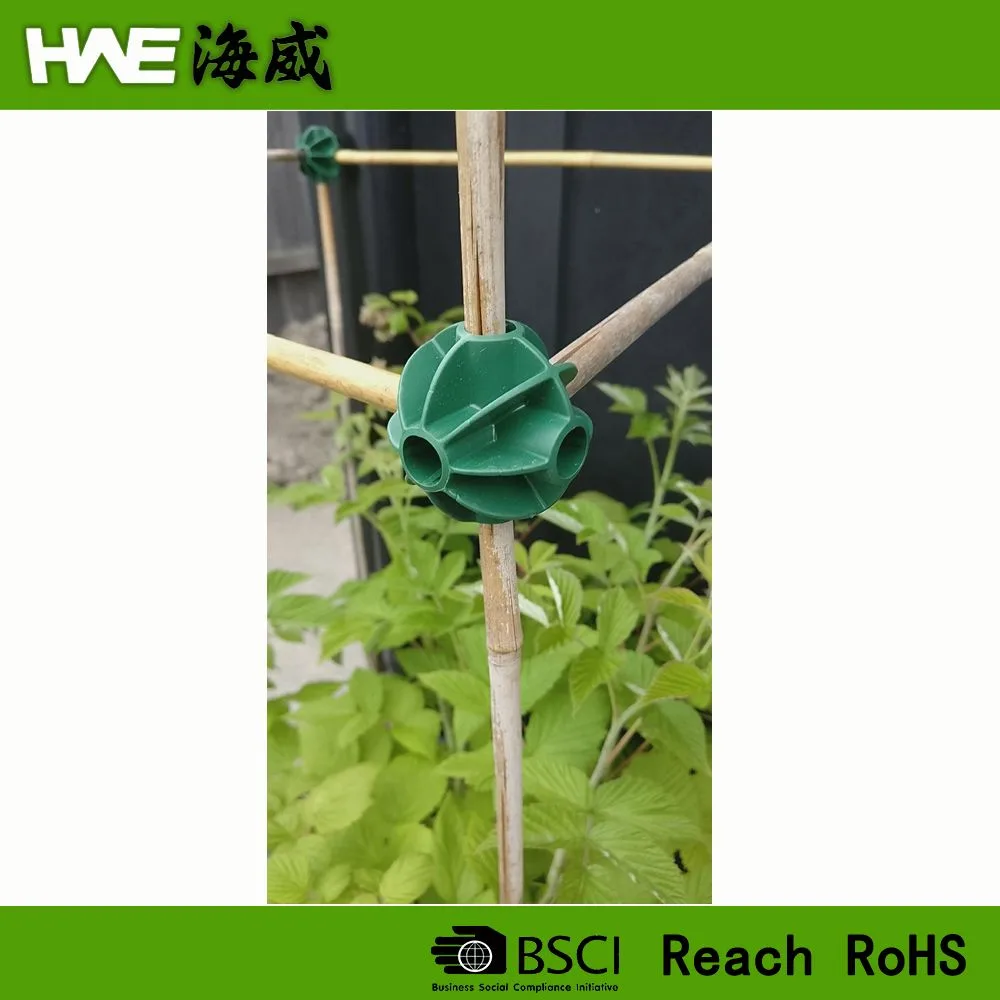
Any build where canes carry shared load needs this bracket. Tall wigwams for runner beans, A-frame rows, and decorative arch structures all qualify. The crossed canes at a wigwam top concentrate stress at the join point.
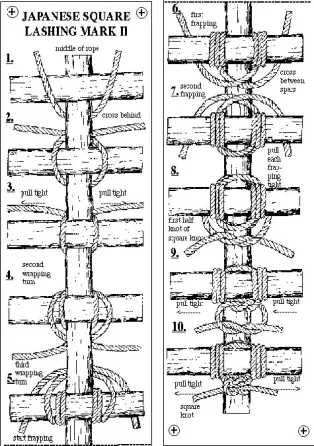
Securing that crossing with sturdy lashing cord keeps the structure rigid through windy weather.
Cane Length and Diameter Work Together
Getting the diameter right is half the job. The wrong length will undermine it.
A common mistake is buying a 1.2m cane for a plant that grows to 1.8m. By midsummer the stem overhangs the cane tip. The whole thing tips over, and the cane pulls from the ground.
The cane should extend at least 15-20cm above the plant's final height.
The reverse matters too. A thick 25mm cane cut to 60cm serves almost no purpose. You've paid for structural strength and got a cane too short for any climbing plant.
Burial depth matters just as much as length. For a 1.8m cane supporting a heavy plant, drive at least 30cm into the soil. For lighter plants on shorter canes, 15-20cm is enough.
Loose or sandy soil needs more depth to stay stable through wind.
| Cane length | Typical plant height | Recommended burial depth |
|---|---|---|
| 60-90cm | Up to 45-60cm | 15cm |
| 1.2m | Up to 90cm | 20cm |
| 1.5m | Up to 1.2m | 25cm |
| 1.8m | Up to 1.5m | 30cm |
| 2.4m+ | Over 1.8m | 30-40cm |
For vegetable plots, using fibrous plant ties alongside your canes stops soft stems rubbing against rough bamboo as they grow.
Mistakes That Cause Canes to Fail Mid-Season
Even with the right diameter, a few common errors turn a good cane into a mid-season problem.
Buying thin canes as temporary support and leaving them in place too long
Light canes bought for early-season guidance often get left in place as the plant grows heavier. By August the whole thing leans. Match the cane to the plant's final size from the start.
Inserting canes after the plant is established
Driving a cane into a bed full of established roots damages the root system. Insert canes at planting time, or shortly after. That also gives you better positioning before the plant fills out.
Tying too tightly at a single point
A tight tie halfway up a heavy stem concentrates all the stress there. The cane flexes above and below it. Use gentle natural tying cord and tie at multiple heights.
For tall plants, add a tie every 30-40cm of growth.
Reusing brittle or damaged canes
Old canes can look fine but lose tensile strength after a few outdoor seasons. A brittle cane snaps under load without warning. Before each growing season, flex each cane lightly.
If it doesn't spring back or shows surface cracking, replace it.
Underestimating wind at your site
An open allotment is not the same as a sheltered garden bed. Wind applies constant lateral force. If your plot catches wind regularly, go one diameter bracket up from what the plant type suggests.
The price difference is small. A mid-season collapse is not.
How to Get More Seasons Out of Your Canes
Thin canes are generally single-season items. Thicker dried canes in the 16-20mm range can last three to five seasons if stored properly. The difference comes down to what happens after the growing season ends.
Pull canes out before autumn rain sets in. Soil left on the base accelerates rot, especially on uncured green bamboo. Rinse them off and let them dry completely before bundling.
Store canes horizontally in a dry shed or garage. Standing them vertically causes moisture to pool at the base, which is where rot starts. A simple rack of horizontal hooks keeps them off a damp floor.
Before the next season, check each cane by applying gentle lateral pressure. A good cane springs back. One that stays bent or cracks under light flex should be composted.
The same goes for any cane that feels powdery at the surface.
Green bamboo from the supplier is more flexible and less expensive than pre-cured stock. It shrinks slightly as it dries out over the first season. For structural builds or heavy climbers, pre-cured dried canes are the better investment.
If you're topping up stock, match new canes to your existing diameter groupings. Mixing thick and thin canes in a structural frame creates uneven stress. The thinner ones will fail first.
Frequently Asked Questions
What thickness bamboo cane do I need for runner beans?
Runner beans need 16-18mm diameter canes as a minimum. A mature row carries significant weight through the full growing season. For an A-frame or wigwam build, use 20mm or above for the main uprights.
Secure the crossing point firmly at the top to prevent the structure spreading under load.
How long do bamboo garden canes last?
Thin canes (8-10mm) typically last one growing season. Medium to thick dried canes (14-20mm) can last three to five seasons with proper cleaning and dry storage. Green, uncured canes degrade faster, particularly at the soil line where moisture concentrates during wet weather.
What is the difference between 8mm and 12mm bamboo canes?
The 4mm difference in diameter translates to a meaningful difference in load capacity. An 8mm cane suits lightweight guides for small annuals. A 12mm cane handles taller perennials and climbing vegetables.
For anything producing fruit or building dense foliage mass, 12mm is the minimum worth buying.
How deep should I push a bamboo cane into the soil?
Aim for at least 15-20cm for shorter canes supporting lightweight plants. For canes 1.5m and above, drive a minimum of 30cm into the ground. Sandy or loose soil needs more depth.
Compacted or rocky soil may need a pilot hole made with a dibber or metal spike first.
Can bamboo garden canes be composted after use?
Yes, natural bamboo canes are fully compostable. Thin canes break down relatively quickly. Thick structural canes take longer, especially if surface-treated or painted.
Break them into shorter lengths before adding to a compost heap to speed up the process.
Similar Posts