How to Store Bamboo Canes Over Winter Without Damage
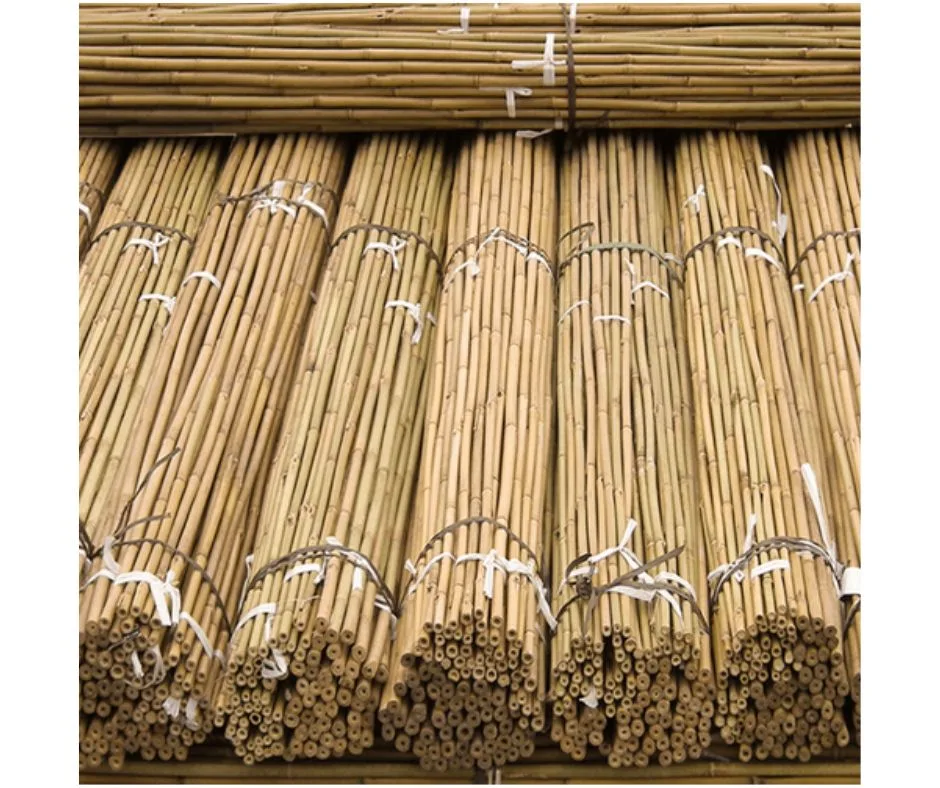
Knowing how to store bamboo canes over winter is the difference between reusable supports in spring and a bin of mouldy, snapped sticks. Most gardeners treat canes as a single-season expense. They really don't have to be.
Well-stored natural bamboo canes can last five to seven years. Poorly stored ones rarely make it through two full seasons. The failure is almost never the material.
It's moisture, soil residue, and inadequate airflow. Get those three things right and your canes will come out of storage next spring in full working order.
Quick Answer
To store bamboo canes over winter, clean off all soil first. Let them dry for 24 to 48 hours before bundling. Group canes by length and tie with natural twine.
Store horizontally in a dry, ventilated space off the ground. Avoid plastic wrapping entirely. It traps moisture and accelerates mould.
Why Most Bamboo Canes Don't Make It Through Winter
Bamboo is a grass, not a timber. Its hollow culm (the technical term for the stem) is what makes it lightweight and strong during the growing season. But that same hollow structure becomes a liability in storage when conditions aren't right.
Three things consistently destroy stored canes:
- Soil residue left on the base. Damp soil against the culm is the number one cause of rot. The bacteria naturally present in garden soil break down organic materials like bamboo from the base upward.
- Moisture trapped in storage. Canes stored in sealed environments, especially plastic, can't breathe. Condensation builds and mould takes hold within weeks.
- Freeze-thaw cycling. Water trapped inside the hollow internodes expands as it freezes and contracts as it thaws. Repeated over a winter, this splits the culm lengthwise.
None of these are signs of a weak material. They're signs of a preventable storage problem. As of 2026, gardeners who follow basic storage principles consistently get three or more full growing seasons from a single batch of natural bamboo canes.
Before You Store Anything: Clean, Dry, and Inspect First
This is where most gardeners fall short. They pull canes from the soil, lean them against the shed wall, and ignore them until March. By then, a good portion are past saving.
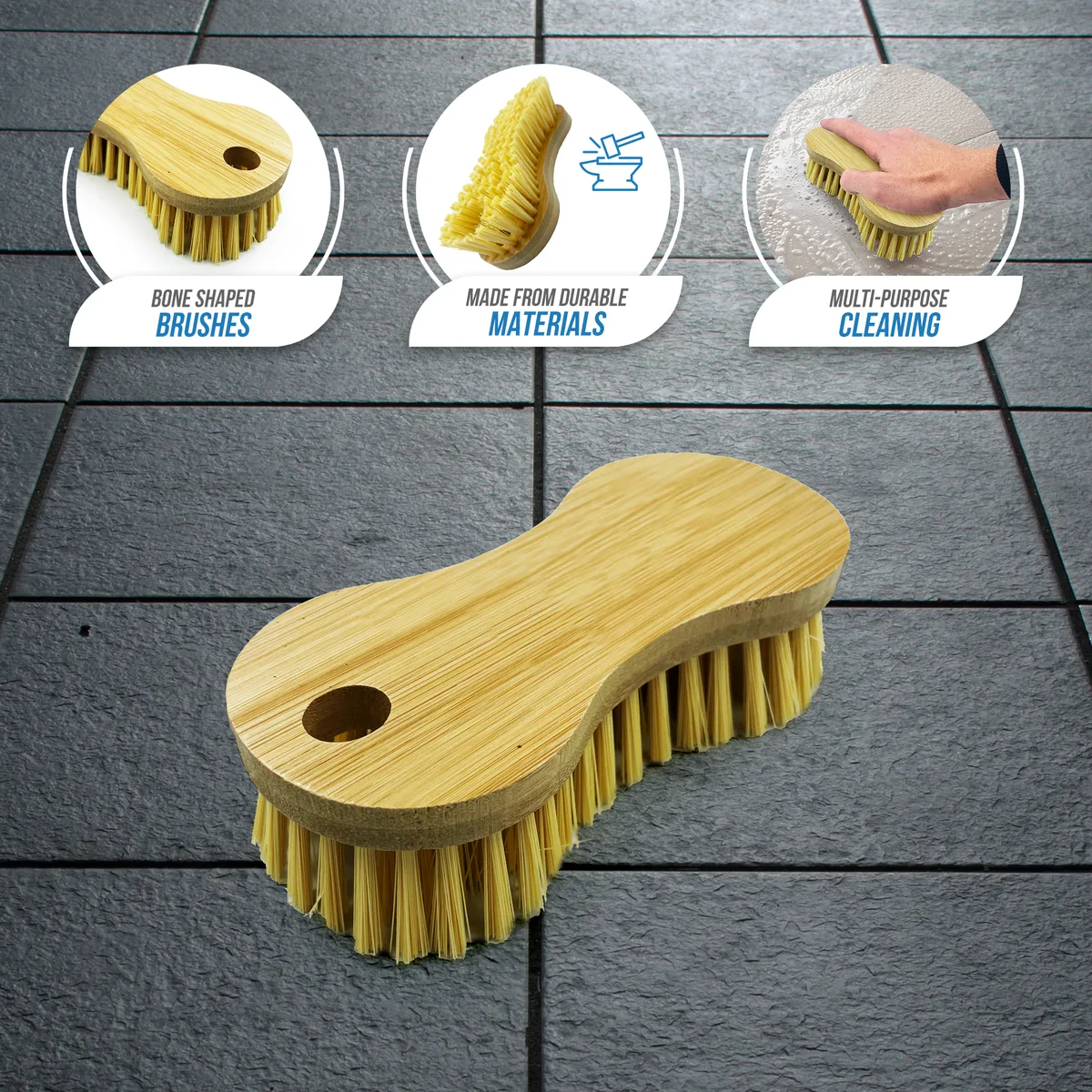
Take 20 minutes at the end of the growing season and you'll avoid buying replacements every spring. Here's the full prep sequence:
| Step | Action | Why It Matters |
|---|---|---|
| 1. Remove cleanly | Pull from soil without snapping the base | Preserves the full culm length |
| 2. Scrub the length | Stiff brush with water | Removes soil, algae, and plant residue |
| 3. Dry thoroughly | Stand upright in open air, 24 to 48 hours | Prevents mould forming in storage |
| 4. Inspect for damage | Check for soft spots, cracks, and splits | Keeps weak canes out of next season's bundles |
| 5. Discard failures | Compost structurally compromised canes | Avoids snap-failures mid-season |
Don't rush step three. Thicker canes (18mm diameter and above) may need 48 to 72 hours in a dry, airy spot before they're truly ready. If you run your hand along the length and feel any dampness at all, give them more time.
Once they're clean and dry, have some natural plant ties to hand before you start sorting.
Choosing the Right Storage Method Based on Your Space
The right method depends entirely on what storage space you actually have. If you have somewhere dry indoors, that's always the better choice. If you don't, outdoor storage can still work with the right setup.
If You Have Indoor Storage (Shed, Garage, or Polytunnel)
Indoor storage gives you direct control over moisture, and moisture control is what protects bamboo through a wet winter.
Key rules for indoor storage:
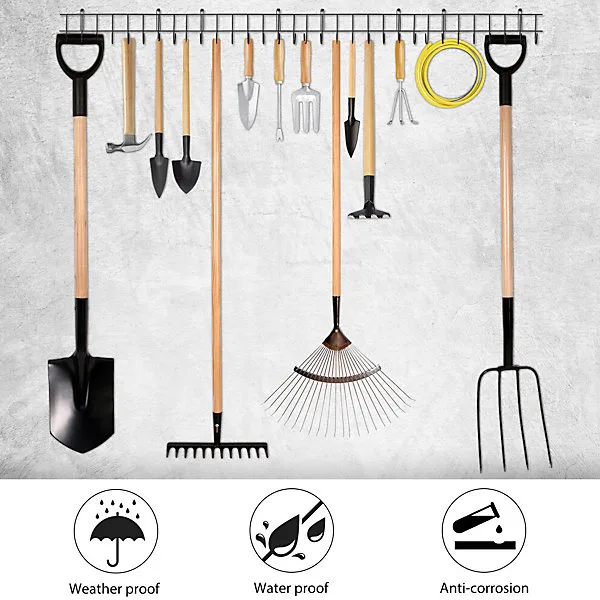
- Store bundles horizontally on wall hooks, timber battens, or a floor-standing cane rack, with support at more than one point along the length
- Keep bundles at least 10cm off the floor to avoid ground moisture
- Leave gaps between bundles to allow airflow
- Avoid leaning canes upright against a wall. Without full support, canes of 150cm and above warp under their own weight by spring
A well-ventilated shed is ideal. If your garage runs damp, crack a window or door periodically to prevent condensation building up.
If You're Storing Canes Outdoors
Outdoor storage is workable, but it needs more management. Your two goals are protection from direct rain and prevention of ground contact.
- Elevate bundles on timber pallets or a simple A-frame rack
- Cover with breathable hessian or burlap, not plastic sheeting
- Position under an overhang or lean-to where possible
- Check once mid-winter for mould or pest activity
Rodents are a real factor here. Mice will gnaw stored bamboo, and a full bundle can be damaged quickly. A basic mesh surround on the rack cuts this risk significantly.
A few turns of breathable plant cord lashed around the frame keeps the mesh in place without marking the canes beneath.
How to Bundle, Sort, and Stack Canes So They Last
Bundling properly turns a loose pile of canes into an organised, protected set of supports. It also makes spring setup much faster.
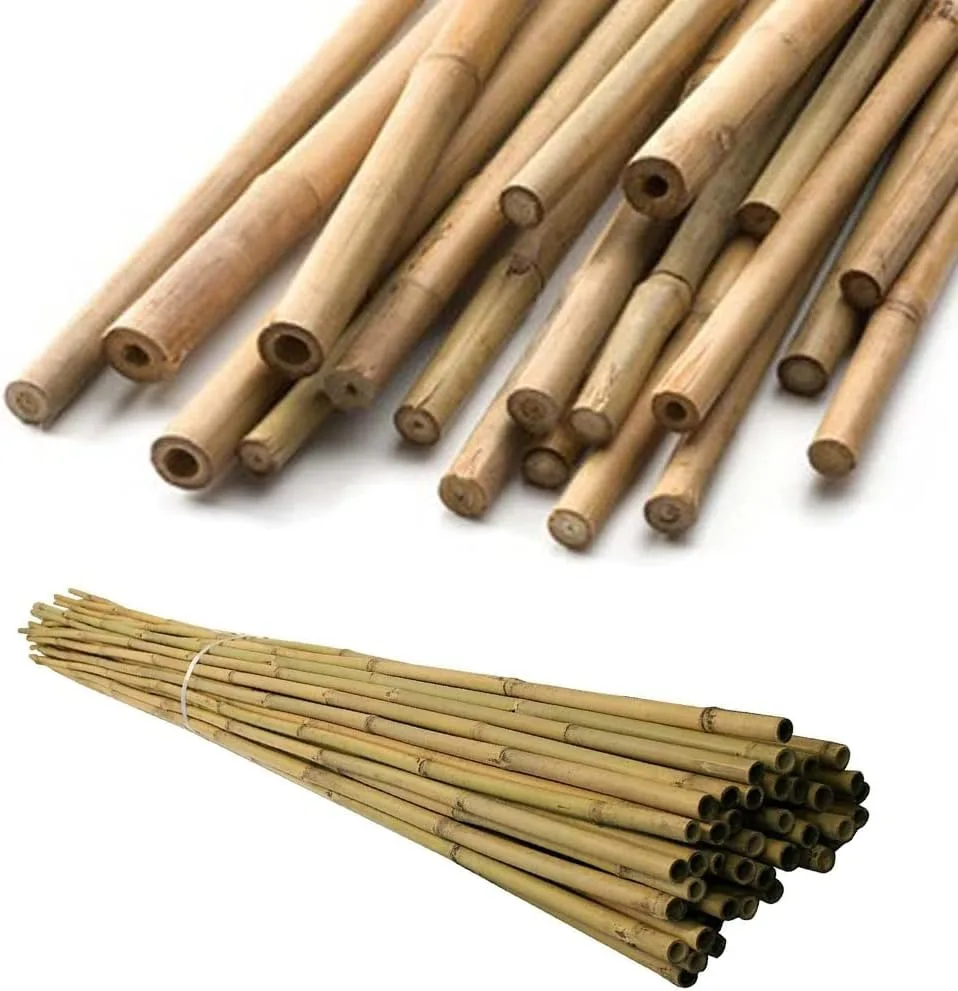
Sort by length first. Group canes into separate piles before you bundle anything: 60cm, 90cm, 120cm, 150cm, 180cm. Label each finished bundle with a strip of masking tape. A quick note of the length saves real time when you're setting up bean poles in April.
Keep bundles manageable. Aim for 10 to 20 canes per bundle. Heavier bundles are hard to move and press unevenly on canes at the bottom, which can cause warping over a long storage period.
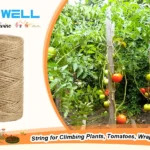
Tie at two points. For a 180cm bundle, tie roughly 60cm from each end. Natural hemp cord works well here. It's breathable and won't trap moisture against the culm the way synthetic rope can.
Jute twine is another solid option, gentle on the bamboo surface and widely available. For thick structural canes (18mm and above), a heavy-duty natural twine holds the bundle more securely and won't cut into the surface through the winter months.
Mistakes That Cut Years Off Your Canes' Life
Even experienced gardeners make these mistakes. Knowing what to avoid makes all the difference.
Storing canes damp. This is the single biggest mistake. If canes go into storage before they're thoroughly dry, mould develops within weeks. The Royal Horticultural Society advises that all natural plant supports be cleaned and dried before winter storage to prevent fungal deterioration.
Wrapping bundles in plastic. It feels protective. It isn't. Plastic seals in moisture that has nowhere to go.
As temperatures fluctuate through winter, that trapped moisture feeds mould and accelerates rot. Use rot-resistant natural twine or breathable hessian instead.
Standing long canes upright. Canes of 150cm and above will develop a permanent lean if stored vertically without full-length support. Horizontal storage with support at multiple points prevents this.
Leaving soil on the base. Even a thin layer of damp soil at the bottom of a cane accelerates rot fast. Clean the full length before storing, paying particular attention to the bottom 30cm.
Skipping mid-winter checks. A quick look in January or February catches early mould or pest damage before it spreads through an entire bundle. Five minutes can save the whole batch.
How to Tell If a Stored Cane Is Still Worth Using
A quick assessment in early spring takes less than five minutes per bundle. Start with a visual scan along the full length, then run your hand from top to base to feel for anything off.
Here's a simple pass-or-fail check:
| Check | Pass | Fail |
|---|---|---|
| Feel along full length | Firm with no soft spots | Any section feels spongy or hollow |
| Surface condition | Slight darkening is normal | Mould has worked into the surface |
| Flex test | Bends slightly and springs back | Buckles, cracks, or snaps |
| Base inspection | Solid at the bottom 20cm | Soft or crumbling near the soil-contact point |
Pay particular attention to the bottom 20 to 30cm. That's the section that spent the most time in wet soil during the season. A cane can look perfectly fine from the top and be actively rotting at the base.
If a cane fails any part of the check, compost it. A weak cane that snaps mid-season causes more damage to your plants than having no support there at all.
Thin canes (under 8mm diameter) degrade faster than thick structural canes regardless of storage quality. If a thin, older cane passes the flex test but feels noticeably less rigid than a new one, treat it as temporary support only. Use it for lightweight plants and replace it at season's end.
Frequently Asked Questions
Can I store bamboo canes outside over winter?
Yes, outdoor storage works if managed properly. Elevate bundles on pallets or an A-frame rack, cover with breathable hessian, and position under an overhang where possible. Do one mid-winter check for mould and pest damage.
Indoor storage is always preferable, but a well-managed outdoor setup is a genuine alternative.
Should I treat bamboo canes with anything before storing?
It isn't essential, but a wipe of raw linseed oil before storage helps. It conditions the surface and adds modest moisture resistance. Let the oil absorb fully before bundling the canes.
A thin application is enough and makes a noticeable difference over multiple seasons.
When should I put bamboo canes into winter storage?
After the last harvest, typically September to October in the UK. The real trigger is when crops are cleared and canes can be cleaned and dried before the first hard frost arrives. Don't leave canes standing in bare soil over winter.
That's when rot takes hold fastest.
How long do bamboo garden canes last with proper storage?
Well-stored canes consistently last five to seven years. Gardener feedback and horticultural guidance both confirm that thorough cleaning and dry horizontal storage dramatically extends usable life. Thin canes (under 8mm) wear out faster, typically after two to three seasons.
Thicker structural canes last considerably longer with the same level of care.
What's the best way to store bamboo canes in a small shed?
Wall-mounted horizontal storage is the best use of space in a small shed. Fix timber battens at two heights along a spare wall and lay sorted bundles across them. Keep the longest bundles at the back.
You can fit a large number of canes in a slim wall rack without taking up any floor space at all.

Similar Posts