Bamboo Cane Height for Runner Beans: What Works Best
Founder & Lead Horticulturist at Gardener Expert · RHS Master of Horticulture, Certified Professional Horticulturist (CPH) · 16+ years in residential organic gardening, plant propagation, and structural plant training
The question of how tall bamboo canes should be for runner beans trips up first-time growers every season. Most people grab whatever's in stock at the garden centre, and that usually means canes that are too short. A collapsing structure by mid-July is the predictable result.
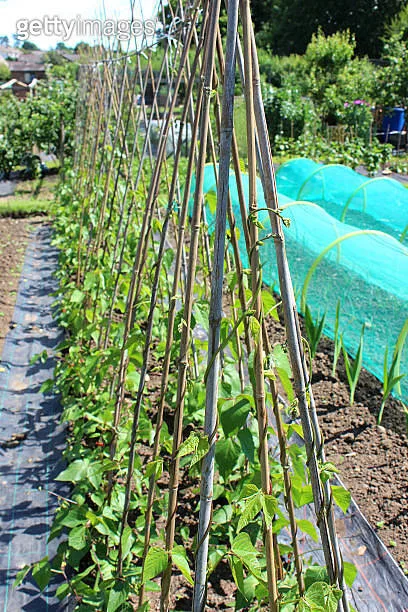
For climbing runner bean varieties, the Royal Horticultural Society recommends canes of at least 1.8 m (6 ft) above ground. That's the working baseline for most UK and US gardens. But the right height shifts depending on your bean variety, support structure, and how exposed your plot is.
Quick Answer
Bamboo canes for runner beans should be 6 to 8 ft tall. That equals 1.8 to 2.4 m above the soil surface. This applies to climbing varieties, which are the most common type grown.
Dwarf runner beans need only short twiggy support. Anchor each cane at least 20 to 30 cm into the ground.
The Right Cane Height: A Starting Point for Most Growers
Six to eight feet is the figure most experienced growers work from. It's enough to support a full-season climbing plant without becoming unmanageable. As of 2026, this is the consistent recommendation across horticultural guidance in both the UK and the US.
Runner beans are vigorous climbers. Left unchecked, Phaseolus coccineus can reach 3 to 4 m in a single season. The practical approach is to let plants climb to the cane tip, then pinch out the growing tip.
That keeps yields concentrated and stops the plant wasting energy on unsupported growth.
Six feet works in a sheltered garden with an average season. Eight feet gives more room in a warm, productive year. Most growers settle at 6.5 to 7 ft, which matches the standard cane lengths stocked by most garden centres.
One thing to know before you buy: the height on the label is not the height you get above ground. You'll push each cane 20 to 30 cm into the soil. A 7 ft cane delivers roughly 5.5 to 5.75 ft of usable growing height above the surface.
Factor that in before you buy.
Climbing vs. Dwarf Runner Beans: This Changes Everything
The single biggest variable isn't your garden layout or structure type. It's the variety of runner bean you're growing.

Climbing varieties are what most people grow. Varieties like 'Enorma', 'Painted Lady', 'White Lady', and 'Scarlet Emperor' are vigorous climbers that need full-height cane support. They'll reach the cane top in a healthy season without much encouragement.
Dwarf varieties are a different plant entirely. 'Hestia' and 'Pickwick' grow to just 40 to 45 cm tall and need nothing more than short twiggy sticks or a small mesh frame. Putting up 7 ft canes for a dwarf variety wastes both time and materials.
If you're not sure which type you have, check the seed packet. Any variety listed with a height above 1.5 m is a climber. If the packet says "no staking required" or shows a compact bush shape, you have a dwarf.
For container and patio growing, dwarf varieties are the practical choice. Tall cane structures are hard to anchor in pots without the whole thing tipping under load.
Cane Height by Support Structure
Structure type changes how height translates into real-world performance. Two setups with identical 7 ft canes can behave very differently under full leaf and pod weight.
Wigwam / Tepee Structures
A wigwam uses 6 to 8 canes pushed into a circle of roughly 60 to 90 cm in diameter. They lean inward to meet at the apex, then are tied firmly using strong natural garden twine.
Use canes of at least 6 ft for a wigwam. The inward lean slightly reduces effective vertical height compared to the cane's full length. Seven-foot canes are the sweet spot for most climbing varieties in this setup.
Wigwams suit small beds, raised beds, and circular plots. The converging design distributes wind load across all anchor points, making it naturally more stable than a flat row in exposed gardens.
Flat Double-Row Structures
A flat double row runs two parallel lines of canes, angled slightly inward to cross or touch at the top. A horizontal cane is lashed across the junction using hemp garden twine rated for outdoor use.
Go for 7 to 8 ft canes here. The flat-row layout exposes more surface area to wind than a wigwam. Taller and thicker canes give better stability along the full row.
This is the standard allotment approach for high-volume growing.
A-Frame Setups
An A-frame is similar to a double row, but the canes lean in at a steeper angle, forming an inverted V when viewed from the end of the row.
Six to seven-foot canes work well here. The steep angle gives strong wind resistance, making A-frames a solid choice for open or coastal plots. Lash the ridge securely using natural twine rated for vegetables.
The Numbers That Actually Matter: Height, Depth, Spacing, and Thickness
Height is the obvious figure. But the rest of the measurements determine whether the structure holds for the full season.
| Measurement | Recommended Value |
|---|---|
| Cane height above ground | 6 to 8 ft (1.8 to 2.4 m) |
| Anchor depth below soil | 20 to 30 cm (8 to 12 in) |
| Spacing between canes | 15 to 20 cm (6 to 8 in) |
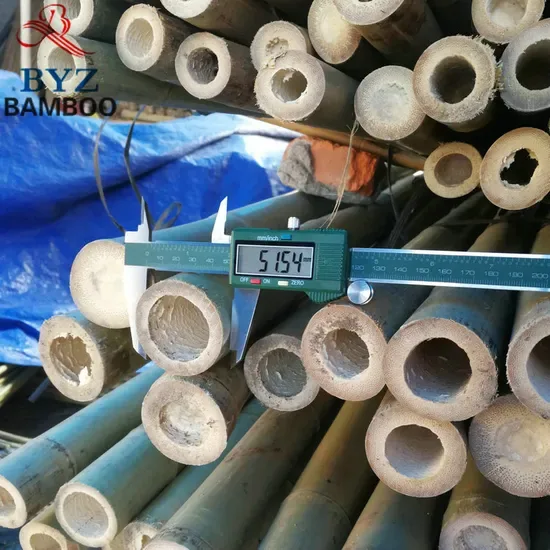
| Cane diameter | 8 to 12 mm minimum |
| Canes per wigwam | 6 to 8 |
| Canes per metre of double row | 5 to 6 |
Anchor depth is the measurement most growers underestimate. Less than 20 cm and the structure can pull free after heavy rain. Wet soil loses compaction fast, and a foliage-loaded cane acts as a lever.
On loose or sandy soil, go to 30 cm.
Cane diameter matters more than most growers expect. Thin ornamental canes under 6 mm bow and snap under a full crop load. Use 8 to 12 mm for runner beans.
In open, wind-exposed setups, 12 mm is the safer choice.
Spacing between canes affects both yield and airflow. At 15 to 20 cm apart, plants develop properly and air moves freely between stems. Closer than 15 cm raises the risk of botrytis on pods during a wet summer.
How to Set Up Your Runner Bean Canes Step by Step
Build the support structure before any seeds or transplants go in. Retrofitting canes around established plants always ends in bent stems and broken shoots.
What you'll need:
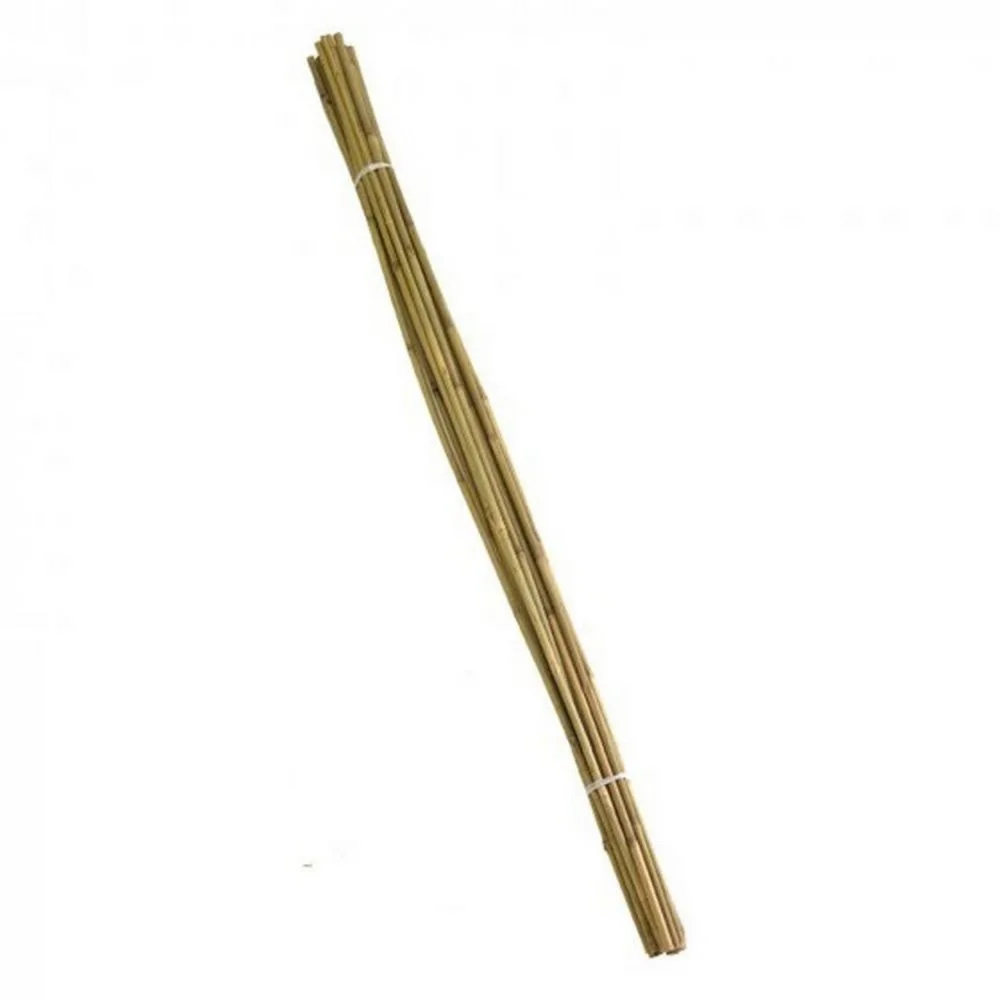
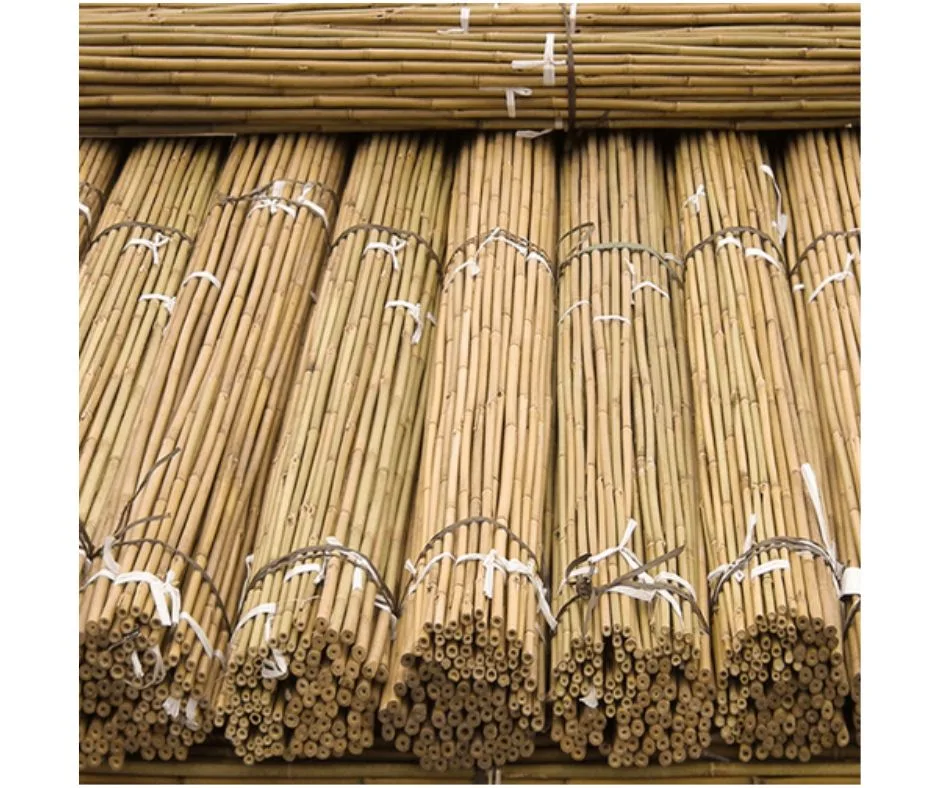
- Bamboo canes, 6 to 8 ft, 8 to 12 mm diameter
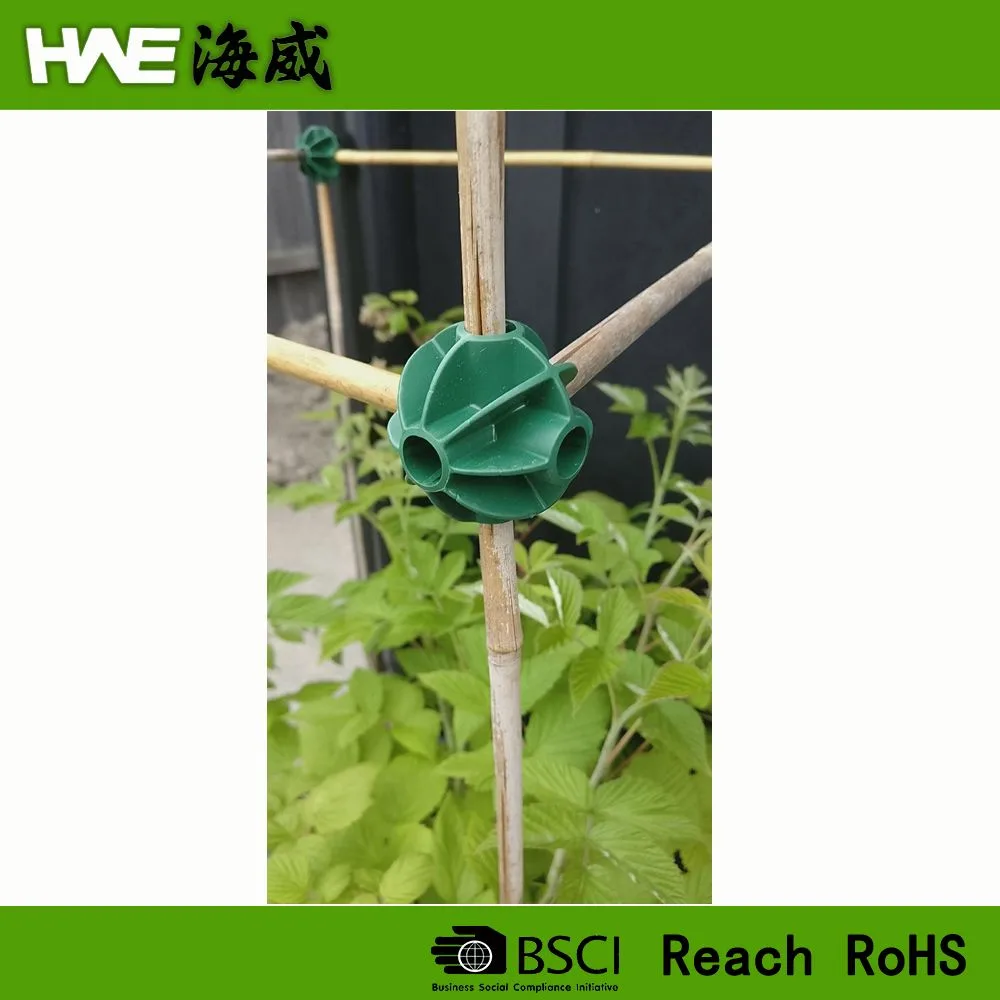
- Jute twine or outdoor-rated cord for tying
- A rubber mallet or wooden post driver
- Safety caps or wine corks for exposed cane tips
Steps:
Mark cane positions before inserting anything. For a wigwam, draw a 60 to 90 cm circle in the soil and mark 6 to 8 evenly spaced insertion points.
Drive each cane 20 to 30 cm into the ground with a mallet. Don't press your bodyweight onto the cane tip. Uneven pressure can split bamboo along the grain.
Angle canes inward for a wigwam, or toward the centre line for a double row. This creates load-sharing through triangulation.
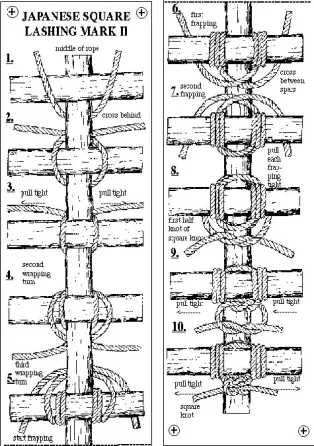
Lash the apex or cross-bar firmly. Use heavy-duty jute twine at the main stress points with a double wrap and reef knot at each junction.
Fit safety caps on every exposed tip before planting. Cane ends at face height are a genuine injury risk, especially around children.
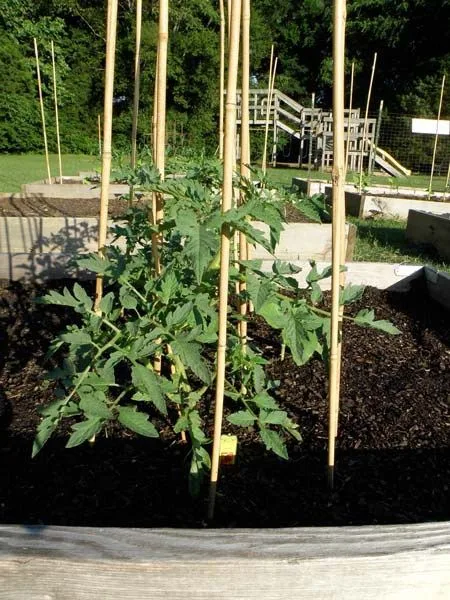
Plant one bean at the base of each cane. If the shoot doesn't find the cane within the first few days, guide it on by hand.
Mistakes That Bring Structures Down Before Harvest
The most common failure isn't bad canes. It's shallow anchoring. Growers who push canes in just 10 to 15 cm are relying on friction alone.
A week of rain followed by a windy day is enough to bring the whole structure down.
Using canes that are too thin is the second most frequent issue. Ornamental bamboo in the 4 to 6 mm range looks sturdy in the shop. It won't hold a mature runner bean plant loaded with pods and summer rain.
Use 8 mm as an absolute minimum.
Skipping the cross-bar on flat double rows is a mistake that appears late in the season. The cross-bar keeps the two sides from splaying outward under lateral load. Without it, the structure opens like a book by August.
Spacing canes closer than 15 cm restricts airflow. Dense canopies trap moisture and create the conditions botrytis needs to spread. Give each plant room to breathe.
Failing to pinch out when plants reach the cane top creates another problem. Unsupported stems above the cane tip bend and snap in wind. Pinch out at the apex as soon as the plant reaches the top of the cane.
Frequently Asked Questions
Can I reuse bamboo canes year after year?
Yes, good-quality bamboo canes last 3 to 5 seasons if cleaned and stored correctly. Rinse off soil at the end of the season, let the canes dry fully, then store them in a dry shed or garage. Canes left outdoors over winter deteriorate significantly faster.
How many canes do I need per runner bean plant?
One cane per plant is the standard. A wigwam with 8 canes supports 8 plants. For a double row, count one cane per planting position at 15 to 20 cm spacing, then mirror the row on the opposite side.
When should I put up runner bean canes?
Put up the structure in late April to mid-May for UK gardens, before any seeds go in the ground. In the US, timing depends on your growing zone. The USDA Plant Hardiness Zone Map is a useful reference for your last-frost date.
Either way, build first and plant second.
Do runner beans need tying to canes?
No, climbing runner beans twine around supports naturally using their tendrils. The young shoot may need guiding onto the cane by hand in the first week. After that, the plant climbs on its own without any tying.
What if my canes aren't quite tall enough?
Pinch out the growing tip as soon as plants reach the cane's top. This redirects energy into flower and pod production rather than upward growth. Adding a cane extension mid-season isn't reliable.
Get the right height from the start.

Similar Posts