How to Dispose of Old Bamboo Canes Properly
Founder & Lead Horticulturist at Gardener Expert · RHS Master of Horticulture, Certified Professional Horticulturist (CPH) · 16+ years in residential organic gardening, plant propagation, and structural plant training
Knowing how to dispose of old bamboo canes is one of those garden jobs that sounds simple until you're staring at a pile of them. Your green bin probably won't take them. Cold composting can take years.
And if you're thinking about a bonfire, you might already be on the wrong side of the law.
As of 2026, bamboo has a carbon-to-nitrogen ratio of roughly 150:1, meaning uncut canes can sit in a cold compost heap for three to five years without breaking down. The right disposal route depends on three specific variables, and once you know them, the answer becomes clear.
Quick Answer
First, check whether your canes are natural bamboo or synthetic plastic. Natural canes can be chipped, composted, donated, or taken to an HWRC. Whole, uncut canes won't fit in most green waste bins.
Synthetic canes are not compostable and go in general waste. Open burning is only legal outside a Smoke Control Zone.
Why Bamboo Canes Are Harder to Dispose of Than Other Garden Waste
Most garden waste is fairly predictable. Grass clippings go in the green bin. Prunings get shredded or composted.
Old bamboo canes land in an awkward middle ground that catches most gardeners off guard.
The first problem is identification. Natural bamboo canes look almost identical to synthetic plastic-coated garden stakes. They can't go the same route.
Natural bamboo is compostable and biodegradable. Synthetic canes are plastic and go to landfill. Many gardeners have been unknowingly composting synthetic stakes for years.
The second problem is structure. Bamboo is hollow and dense, with very little nitrogen content. In a standard cold compost heap, whole canes can sit largely intact for years.
Most council green waste services won't accept them unless they're cut short and bundled first.
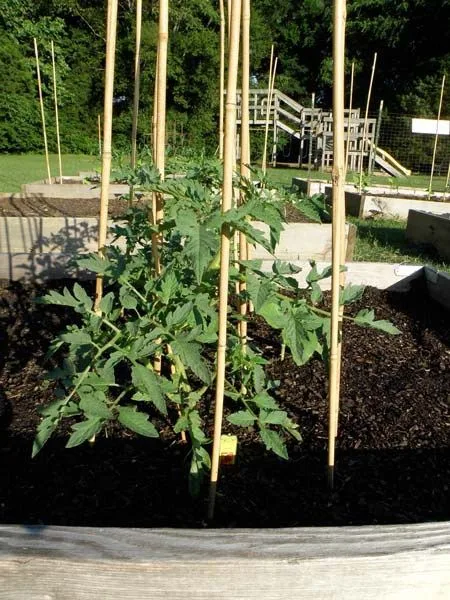
The third issue is volume. A few seasons of growing beans, tomatoes, or sweet peas leaves canes piling up fast. Most councils also expect garden waste to arrive bundled, so if you already tie canes with heavy-duty plant ties, that habit will work in your favour.
The Three Variables That Decide Your Best Disposal Route
Before you settle on a method, answer these three questions. Your answers point to the right option every time.
Variable 1: Natural bamboo or synthetic?
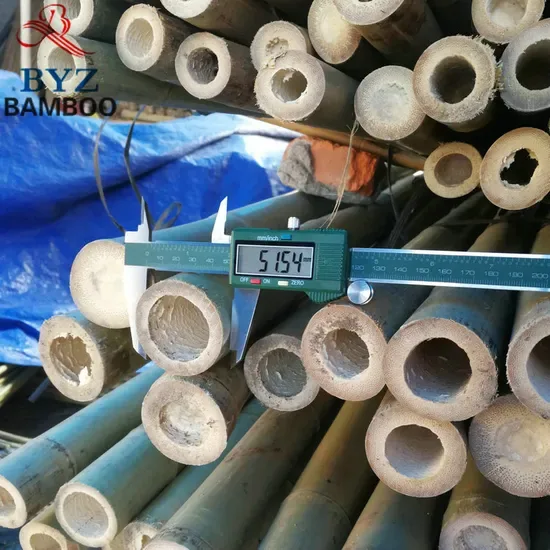
Look at the cane closely. Natural bamboo has visible nodes (the raised rings along the stem), splinters like wood when snapped, and develops a golden-tan colour as it ages. Synthetic canes crack clean with a plastic sound and look uniformly smooth.
Synthetic canes go in general waste only, regardless of condition.
Variable 2: What condition are they in, and how many?
| Condition | Volume | Best Route |
|---|---|---|
| Intact and sturdy | Any amount | Donate, repurpose, or store |
| Split or degraded | Small to medium | Chip and compost |
| Fully rotted | Small amounts | Compost or general waste |
| Any condition | Large load | HWRC or skip hire |
Variable 3: Where do you live?
Your location determines two things. First, whether your council accepts bamboo in kerbside green waste collections. Second, whether you're inside a Smoke Control Zone where open burning is illegal.
Urban gardeners typically have fewer options. Rural areas offer more flexibility, but check your zone status before lighting anything.
Your Bamboo Disposal Options — Matched to Your Situation
Work through these from the top. Stop at the first option that fits your situation.
Got Intact, Usable Canes? Donate or Repurpose First
If the canes are still straight and structurally sound, disposal is the wrong framing. They're still useful. List them on Freecycle, pass them to a local allotment network, or offer them through local Facebook groups.
Vegetable growers are almost always happy to take free canes.
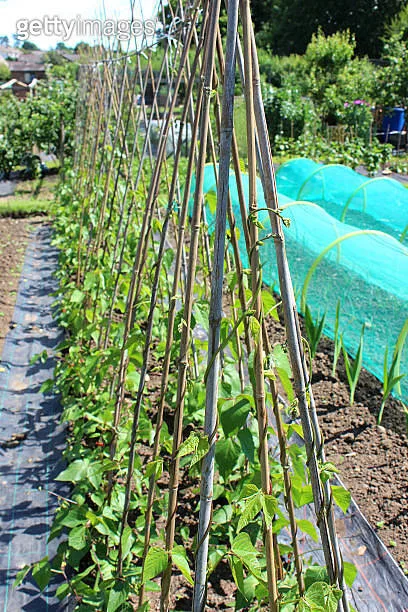
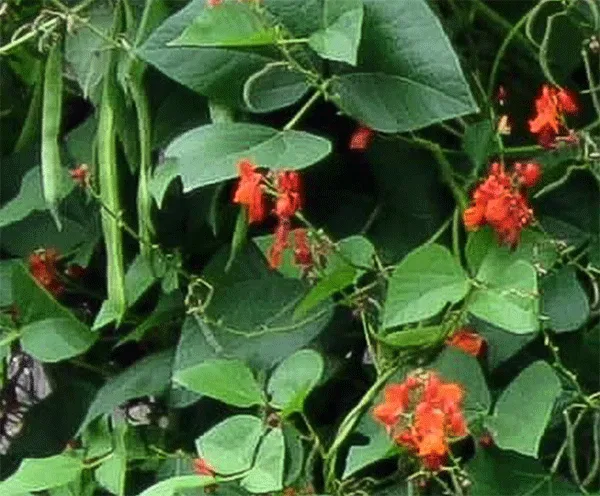
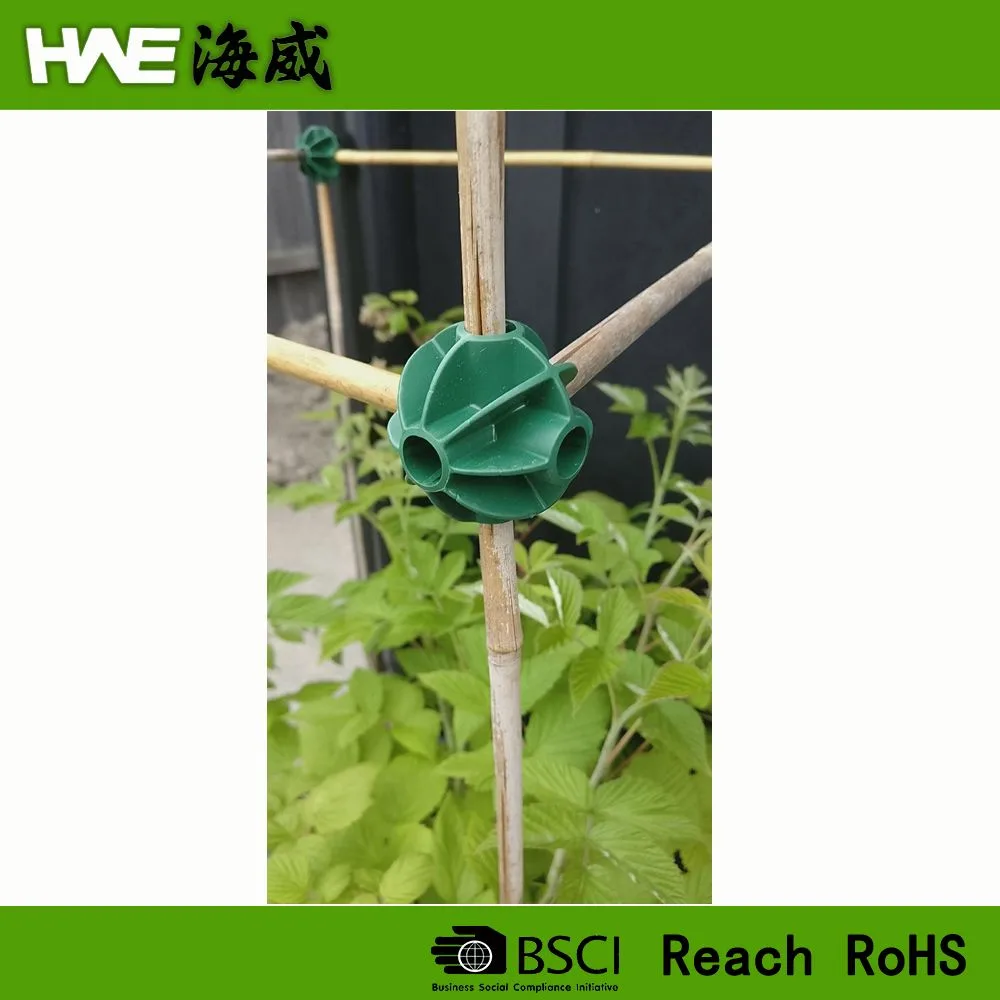
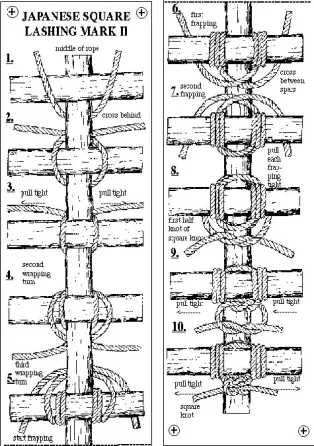
You can also repurpose them at home: wigwam frames for climbing beans, pea sticks, or a simple trellis panel. Tie bundles with biodegradable garden string and store them for next season. Zero waste, zero cost.
Small to Medium Volume: Chip, Shred, or Compost
A garden shredder is the right tool here. Cut canes into 30, 40cm lengths and feed them hollow-end first. Mix the chippings with nitrogen-rich material like grass clippings to balance the high carbon content.
The Royal Horticultural Society (RHS) advises mixing high-carbon woody material with nitrogen-rich green additions to speed up breakdown.
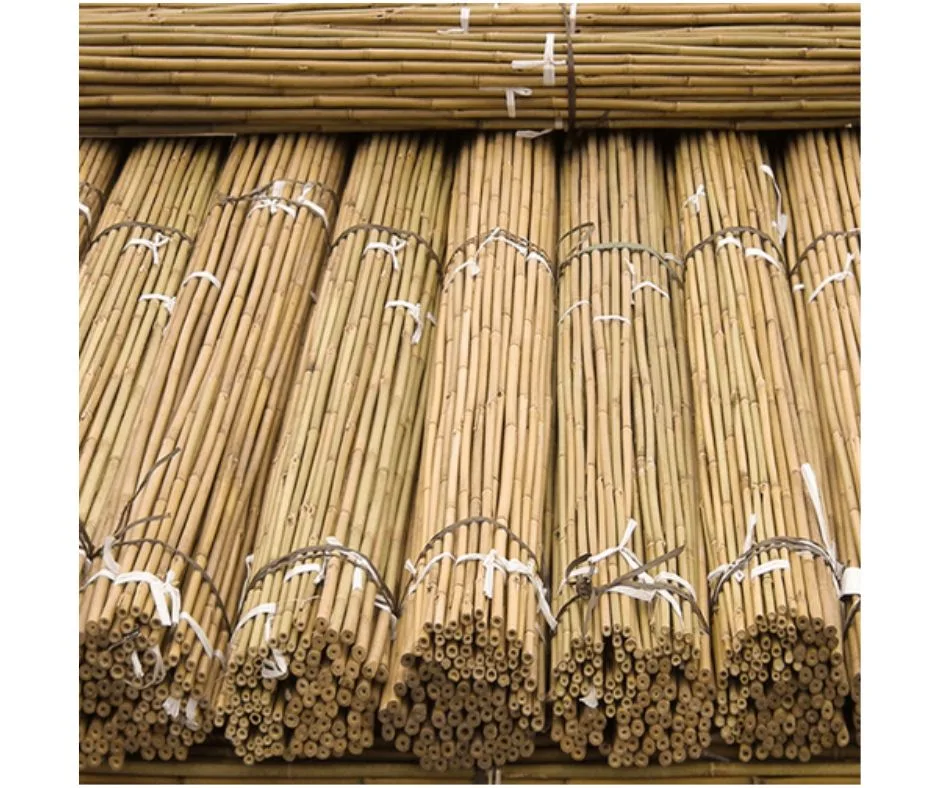
If using kerbside green waste collection, cut canes to under 1 metre and bundle them with plant-safe natural cord. Call your council first to confirm they accept bamboo. Many don't.
Large Volume: HWRC, Skip Hire, or Council Collection
A full car-boot load or more? Drive it to your nearest Household Waste Recycling Centre. Most accept garden waste for free, though some councils now cap annual visits.
Call ahead to check.
For large clearances where transport isn't practical, a small skip is the cleanest solution. Costs typically run from £120 to £300 depending on size and region. Bundle canes with strong binding cord before loading to reduce volume and make handling safer.
Rotted or Fully Degraded Canes: What Actually Works
Soft, crumbling canes are nearly compostable already. Snap them into short lengths and add to a hot compost heap layered with nitrogen-rich material. If you have a mix of natural and synthetic canes, separate them first.
Synthetic canes go in general waste regardless of condition.
What UK Law Says About Burning Bamboo Canes
Burning is the method most people reach for first. Dry bamboo lights easily, reduces volume fast, and leaves almost nothing behind. In the UK, the legal position matters before you strike a match.
The Clean Air Act 1993 established Smoke Control Areas across most urban and suburban parts of England. Inside these zones, burning garden waste outdoors is illegal, with fines up to £1,000. Check whether your property falls within a controlled zone using the Smoke Control Area search tool on GOV.UK.
The results often surprise people who assume they live far enough from town.
If you're confirmed outside a controlled zone, a bonfire works well for large, dry volumes. Burn only fully dry canes. Green or damp bamboo produces heavy smoke and doesn't burn cleanly.
Keep a safe distance from fences, sheds, and overhanging trees, and never leave the fire unattended. Bamboo can crack and spit as the hollow sections heat up.
Even where burning is legal, your council can still respond to neighbour complaints under the Clean Neighbourhoods and Environment Act 2005. Early morning burns tend to cause far fewer problems.
Mistakes That Send Bamboo Straight to Landfill
Putting synthetic canes in the green waste bin. Plastic-coated stakes contaminate green waste loads and can get entire collections rejected. If you can't confirm a cane is natural bamboo, it goes in general waste.
Dropping whole, uncut canes in any bin. Councils won't take them and most bins can't hold them. Cut to under 1 metre and bundle before any collection attempt.
Assuming your council accepts bamboo. Green waste policies vary widely. Some accept bamboo canes. Many don't. A quick phone call saves a wasted trip.
Composting without chipping first. Whole canes in a cold heap can sit largely intact for years. Cut them short and shred them first.
Binning intact canes that still have use left in them. If a cane is straight and sound, it isn't waste yet. Bundle them with garden-grade twine and store or offer them online.
Quick Decision Guide: Which Route Fits Your Situation
| Your Situation | Best Route |
|---|---|
| Intact, straight natural canes | Donate, repurpose, or store |
| Small to medium pile, natural bamboo | Chip and hot-compost |
| Council accepts bamboo in green waste | Cut under 1m, bundle, put out for collection |
| Large volume, outside a Smoke Control Zone | Bonfire (dry canes only) |
| Large volume, inside a Smoke Control Zone | HWRC drop-off or skip hire |
| Rotted natural canes | Snap short, add to hot compost |
| Synthetic or plastic-coated canes | General waste bin only |
When in doubt, start at Variable 1 above. The material type is always the first filter.
Frequently Asked Questions
Can bamboo canes go in a green waste bin?
Most councils won't accept whole bamboo canes. They're too long, too hollow, and too slow to break down. If your council does accept them, cut canes to under 1 metre and bundle them tightly.
Always call ahead to confirm before dragging a pile to the kerb.
How long do bamboo canes take to compost?
Whole, uncut canes can take three to five years in a cold compost heap. Chipped or shredded bamboo mixed with nitrogen-rich material breaks down in four to twelve weeks in a hot compost system. Cutting and mixing is the difference between years and weeks.
Can you burn bamboo canes in the UK?
Only if your property sits outside a designated Smoke Control Zone. Burning garden waste inside a controlled zone is illegal under the Clean Air Act 1993, with fines up to £1,000. Check your status using the GOV.UK Smoke Control Area tool before lighting anything.
Are bamboo garden canes biodegradable?
Natural bamboo canes are biodegradable, though they break down slowly without being chipped first. Synthetic plastic-coated garden stakes are not biodegradable and go in general waste only. The two look very similar, so confirm the material before choosing a disposal route.
What can I do with old bamboo canes instead of binning them?
Intact canes work well as wigwam frames for climbing beans, pea sticks, or simple trellis panels. You can donate them via Freecycle or to a local allotment network. If repurposing at home, tie them into bundles with biodegradable plant cord and store them for next season.
Similar Posts