Creative Ways to Use Garden Rope as Decor
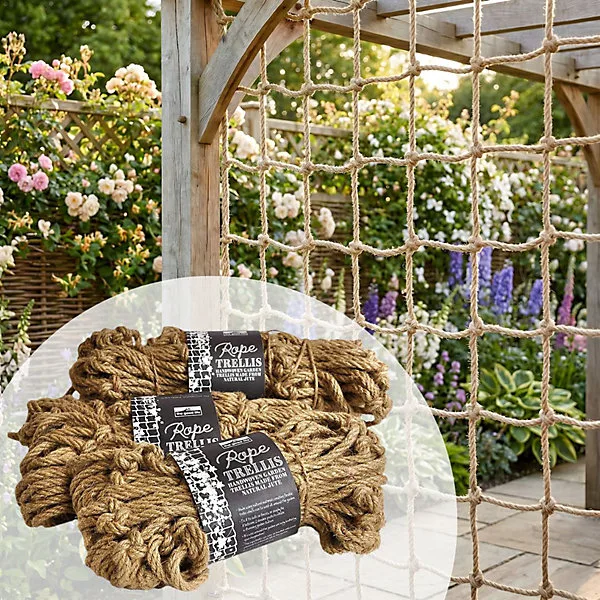
The decorative uses for garden rope go well beyond plant ties and loose stems. Natural rope adds warmth, tactile texture, and a handcrafted quality that painted surfaces and metal fittings simply can't replicate. With the right thickness and a handful of key knots, one material can carry a trellis, border a path, dress a pergola, and frame a hanging planter.
Natural fibres like jute, sisal, and hemp have become the go-to choices for garden decoration, largely because they look at home outside and biodegrade cleanly when their life is up. As of 2026, decorative rope diameters used in garden projects typically run from 6mm for visible structural work up to 20mm for bold statement features. The rope you choose shapes every decision that follows.
Quick Answer
Garden rope works for trellises, path edging, plant hangers, and pot wrapping. Jute and sisal are the most popular natural fibre options. Rope between 6mm and 12mm suits most visible decorative projects.
Natural fibre rope fully biodegrades at end of life. Basic knots like the clove hitch and square knot cover most applications.
What Garden Rope Can Actually Do for Your Outdoor Space
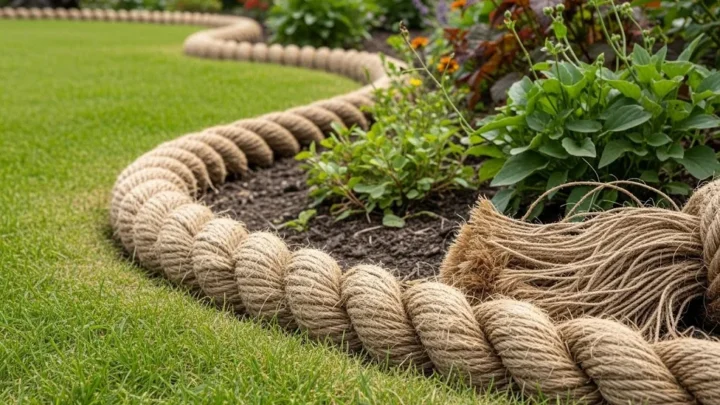
Few garden materials are as versatile as rope. A fence dressed with a rope trellis looks like something from a show garden. A gravel path bounded by thick rope edging gains immediate shape and definition.
None of this requires specialist skills or expensive tools.
One roll of rope handles pot wrapping, hanging planters, pergola decoration, and woven privacy screens. You can use plant-safe twine for fine vegetable support and switch to chunkier rope for more structural, visible work.
Rope also ages well outdoors. Where metal corrodes and paint peels, natural fibre softens into a warm, silvered tone over time. Many gardeners prefer the weathered look after a full season outside.
It fits cottage, rustic, coastal, and bohemian garden styles without effort.
Scale determines the whole effect. A 6mm rope trellis reads as delicate and fine. A 16mm to 20mm rope border reads as bold and architectural.
These two aesthetics suit very different garden characters, so knowing which you want first shapes everything that follows.
Start with one project that fits your existing space. Get comfortable with the material and the knots before going further. That's the most reliable way to avoid wasted rope and regret.
Rope Type and Thickness: Getting the Foundation Right
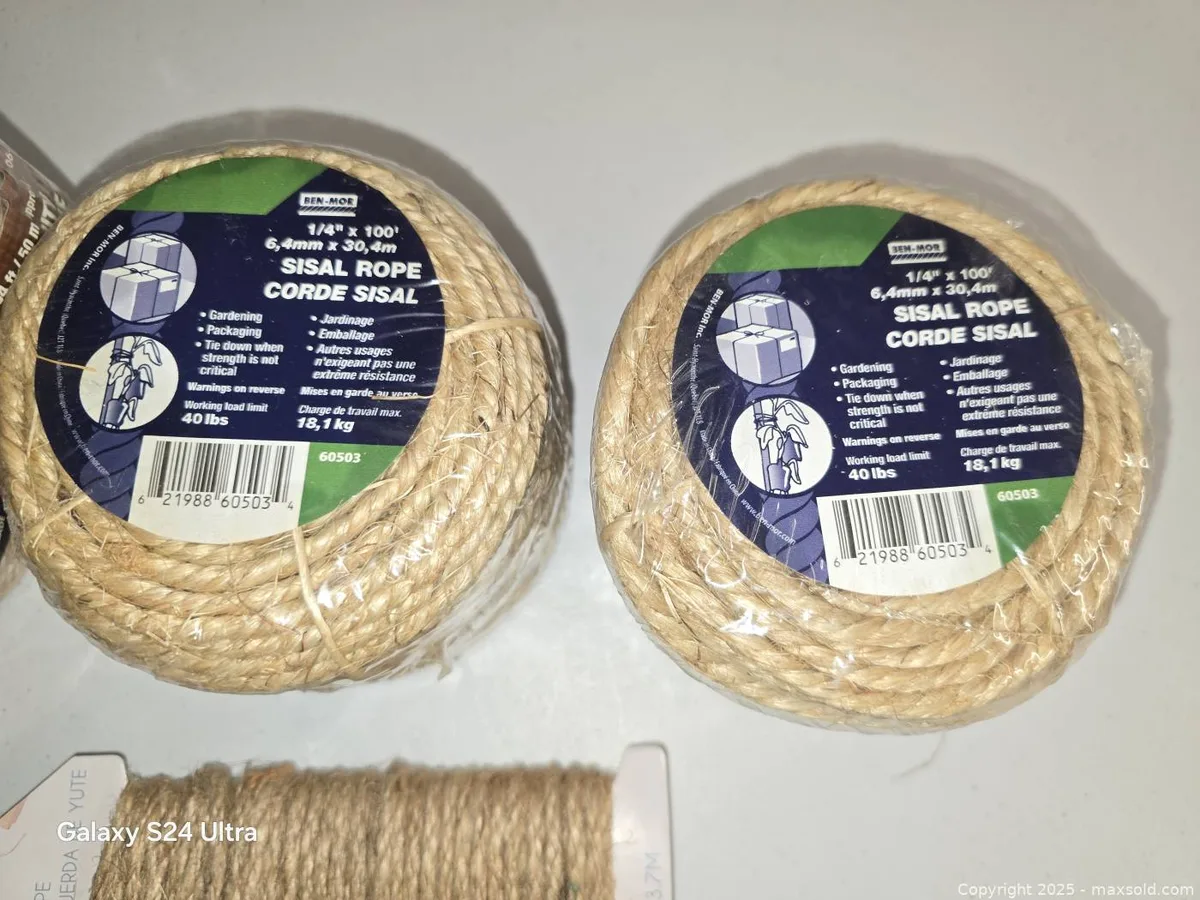
The rope you choose determines how a project looks, how long it lasts, and how easy it is to knot. This single decision matters more than most people expect.
Natural fibre options
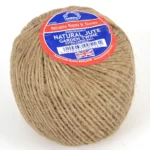
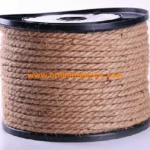
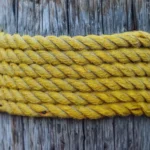
Golden-brown jute is the most affordable and accessible choice. It knots easily, has a warm natural tone, and suits seasonal decoration well. The drawback is longevity.
Jute degrades in 1 to 3 years outdoors, faster when it contacts damp soil. It's best for annual projects and features you're happy to replace each season.
Sisal is tougher. It handles moisture better than jute and typically lasts 2 to 5 years outside. Its coarser texture suits structural uses like trellises and path edging particularly well.
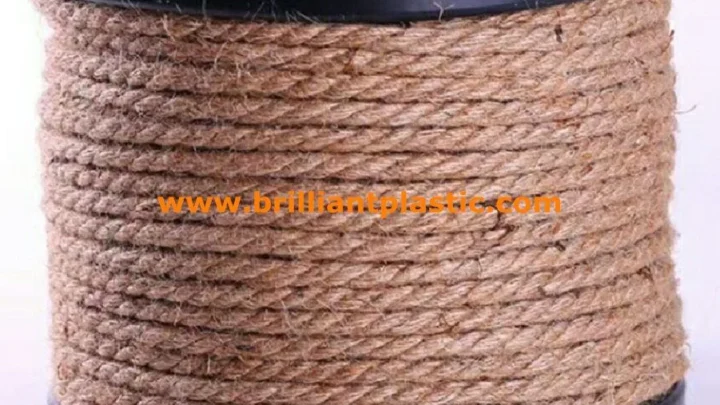
Hemp rope sits between jute and sisal on most practical measures. It resists mould naturally, handles UV exposure better than jute, and lasts 3 to 5 years outdoors. It's the strongest all-rounder for visible decorative work.
Coir rope, made from coconut fibre, handles wet conditions well. Its rough texture makes it better suited to edging and borders than anything in direct contact with plant stems.
Choosing the right thickness
| Diameter | Best for |
|---|---|
| 3–5mm | Fine plant ties, detail work |
| 6–8mm | Pot wrapping, light trellises |
| 10–12mm | Visible borders, path edging |
| 16–20mm+ | Bold statement features |
Synthetic polypropylene rope lasts 10 or more years outdoors but rarely looks natural in a garden setting. Save it for structural elements that aren't the visual focus of the space.
Six Decorative Projects (With a Clear Picture of Each)
These six projects cover most of what garden rope can do decoratively. Each needs slightly different rope weights and techniques.
Rope Trellis for Climbing Plants
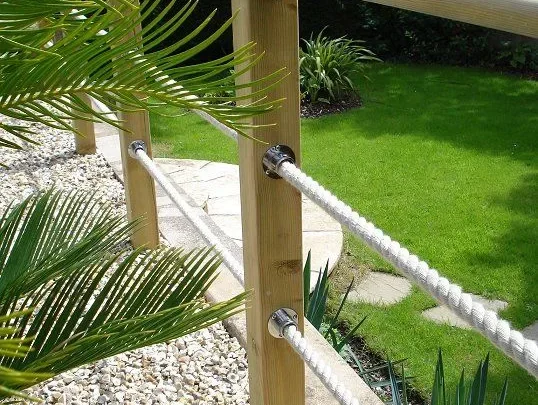
Fix eye bolts into a fence or wall 20 to 30cm apart. Run horizontal rope lengths between them, then weave vertical runs through to form a grid. Thicker structural jute or sisal at 8 to 10mm gives the right visual weight.
Climbing plants like sweet peas, clematis, and roses fill the grid within a single season.
Outdoor Macramé Plant Hangers
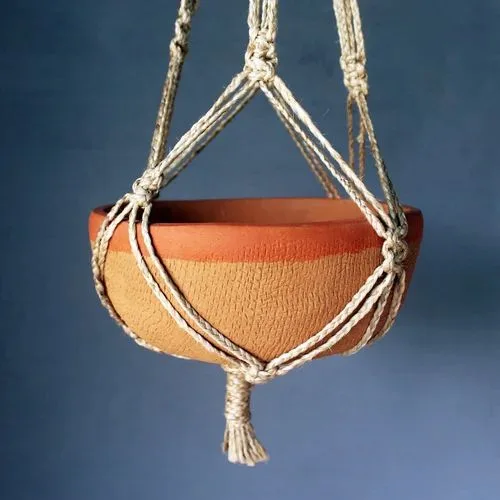
Fold six to eight rope lengths in half and attach them to a wooden dowel using lark's head knots. Work alternating square knots downward to form a suspended cradle. A 6mm jute or cotton rope gives the cleanest finish.
Most hangers support pots up to 4 to 6kg when fixed to a solid anchor point.
Rope Path Edging and Garden Borders
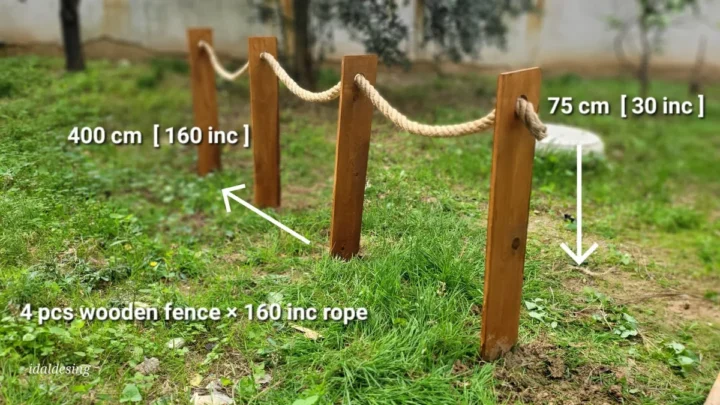
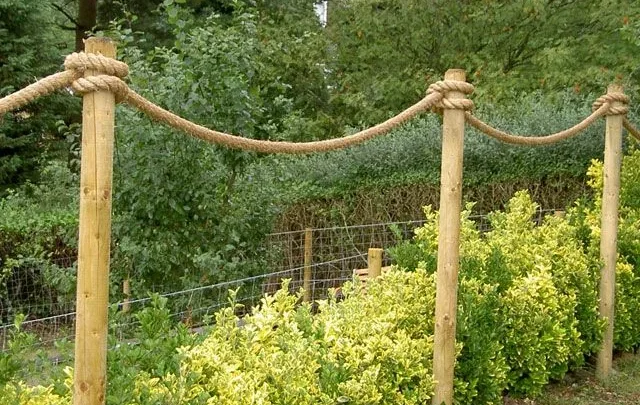
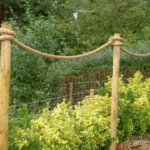
Drive timber or metal pegs into the ground at 60 to 90cm intervals. Loop 16mm to 20mm rope in a U-shape between each peg. This gives a clean, low-maintenance edge that suits coastal and cottage garden styles particularly well.
Wrapped Pots and Planters
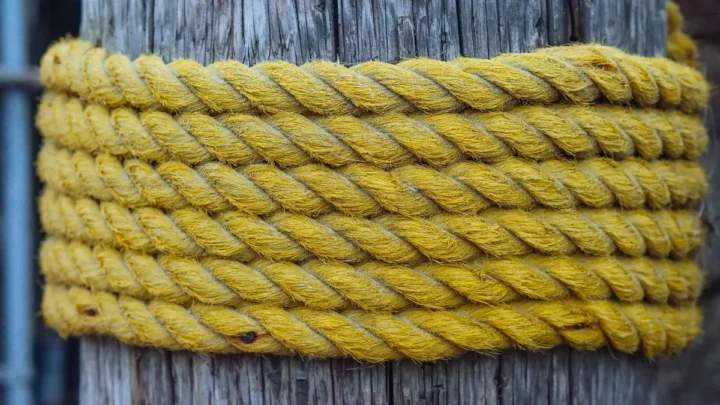
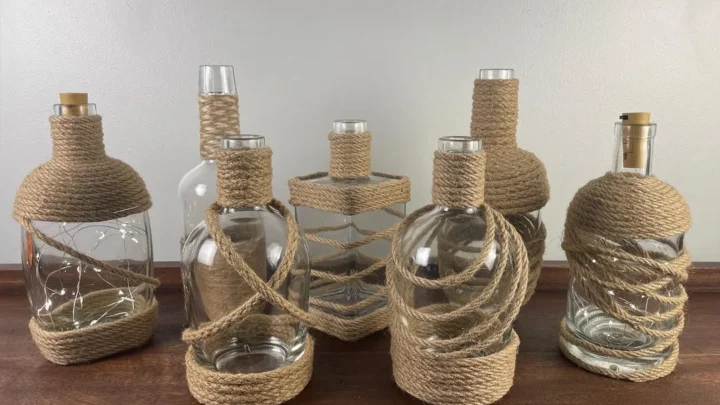
Apply adhesive to the exterior of a terracotta or plastic pot. Press rope in tight horizontal coils from the base upward. A 6 to 8mm natural rope gives an even, consistent finish that covers plain pots completely.
Pergola and Arch Rope Wrapping
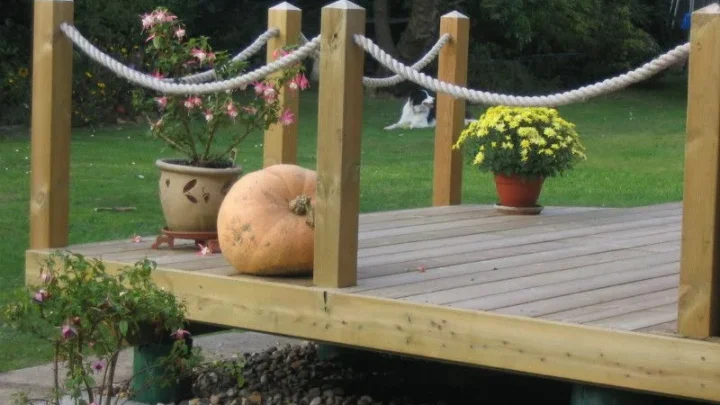
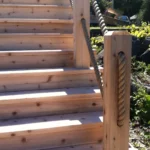
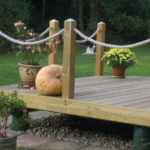
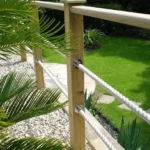
Wind rope in a spiral around pergola uprights or arch frames. Secure each section at the start and end with a clove hitch. Thick 12mm rope on a rustic timber frame creates a distinctly nautical or bohemian feel.
Woven Rope Garden Screens
Build a simple timber frame and lace rope vertically and horizontally in a plain weave. Use 10 to 12mm rope for enough visual weight. These work well as privacy screens, raised bed backdrops, or feature walls in seating areas.
The Only Knots You Need for These Projects

You don't need sailing experience or advanced macramé skills. Four knots handle almost every decorative application you'll encounter.
Lark's head knot: The starting point for any hanging work. Fold a rope in half, loop the fold over a dowel or hook, and pull both working ends through the loop. This mounts rope to any fixed point cleanly.
Square knot: The workhorse of macramé. Cross right over left and pull through, then left over right and pull through. Alternating square knots, staggered row by row, create the net-like cradle pattern used in plant hangers and woven screens.
Clove hitch: The most useful knot for trellis and pergola work. Loop rope around a post or bar twice in the same direction, then tuck the working end under the second loop. It holds under tension without slipping and releases easily when you need to adjust.
Half hitch: A quick locking finish. Wrap rope around a fixed point and tuck the working end under itself. Two consecutive half hitches hold very securely and are the standard finish for most trellis rope runs.
Per the Royal Horticultural Society's plant support guidance, any rope or tie in contact with a growing stem needs checking each spring. A knot that was loose in March can restrict growth significantly by summer. Keep all ties snug but never pressing hard against living wood or stem.
Why Rope Decor Goes Wrong (and How to Avoid It)
Even with the right materials, rope decoration can look cheap or tired within a season. Most problems come down to scale, material choice, or skipping a few finishing steps.
Wrong rope for the climate
Jute looks good but rots fast in persistent wet conditions. Using it as permanent path edging in a damp garden is a mistake many make once. Switch to sisal or hemp for anything that needs to last beyond a single growing season.
Scale that doesn't match the space
A 3mm rope border around a large raised bed disappears visually. A 20mm rope wound around a delicate arch looks clumsy. For most visible garden features, 8 to 12mm is the sweet spot where rope reads clearly without overpowering the planting around it.
Rope sitting in direct soil contact
Natural rope lying against or in soil degrades far faster than rope kept above the surface. Use pegs, stakes, or small timber feet to lift rope borders clear of the ground. Even a centimetre of clearance makes a meaningful difference to lifespan.
Skipping end finishing
Raw rope ends fray and unravel, ruining the finished look of an otherwise clean project. For natural rope, dip cut ends in PVA glue, or bind them tightly with firm natural twine. For synthetic rope, heat the cut end briefly to melt and seal the fibres.
Rope tied too tight against stems
Any rope pressing hard against a stem can girdle and kill a plant over time. Leave clear slack between the rope and the stem. Check every tie each spring as plants put on new growth.
Making Outdoor Rope Last as Long as Possible
A few consistent habits make a real difference to how long decorative rope holds up. Most failures come from skipping the basics at installation.
Pre-treat before it goes up
Work raw linseed oil into the fibres by hand before mounting the rope. Let it dry fully before use. Pre-treating natural cordage adds protection against moisture absorption and UV degradation, keeping fibres flexible for longer.
Inspect and re-tension each spring
Rope stretches over winter. Knots loosen. Plant ties that were fine in autumn may be pressing against stems by March.
A quick spring walk-through catches these problems before they cause real plant damage.
Check compatibility with treated timber
Some pressure-treated timber uses copper-based preservatives that accelerate natural rope breakdown on contact. If your fence posts or pergola frames have been treated, keep a small gap between the rope and the wood surface where possible.
Store removable pieces over winter
Macramé hangers and decorative rope panels don't need to stay outside year-round. Cleaned and fully dried, they can be stored in a shed or garage between seasons. This alone can significantly extend their usable life.
Know when to replace
Natural rope turning grey and brittle, or fraying under light tension, has reached the end of its useful life. Replace it rather than patch it. Fresh rope is inexpensive, and a deteriorating feature pulls the whole space down with it.
Frequently Asked Questions
How long does garden rope last outdoors?
It depends on the fibre. Jute lasts 1 to 3 years, sisal 2 to 5 years, and hemp 3 to 5 years outdoors. Synthetic rope lasts 10 or more years but looks more industrial.
Wet, shaded conditions shorten natural rope lifespan noticeably faster than dry, open positions.
Which rope thickness works best for a trellis?
An 8 to 10mm rope gives the best balance of visual weight and knotting ease for most trellis work. Thinner rope looks insubstantial against a wall or fence. Thicker rope becomes difficult to weave into a tight grid.
Sisal or hemp at 8 to 10mm handles climbing plant weight and weather exposure well.
Can I use jute rope in a wet climate?
You can, but expect to replace it more often. In consistently wet or shaded conditions, jute in soil contact can break down in under a year. For damp climates, sisal or hemp is a better long-term choice.
If jute is what you have, pre-treat it with linseed oil and keep it clear of the ground.
How do I stop rope ends from fraying?
Dip cut ends in PVA glue and let them dry fully before working with the rope. For a neater result, bind the end tightly with a thin length of garden twine using a basic whipping wrap. Synthetic rope ends can be heat-sealed quickly with a lighter or heat gun.
Does outdoor rope need ongoing maintenance?
A light inspection each spring covers most of what's needed. Check for fraying, test knot tension, and look for ties that have tightened against plant stems over winter. Pre-treating rope with linseed oil annually keeps natural fibres more flexible through repeated wet seasons.

Similar Posts