Bamboo Cane Sizes Explained: A Complete Guide
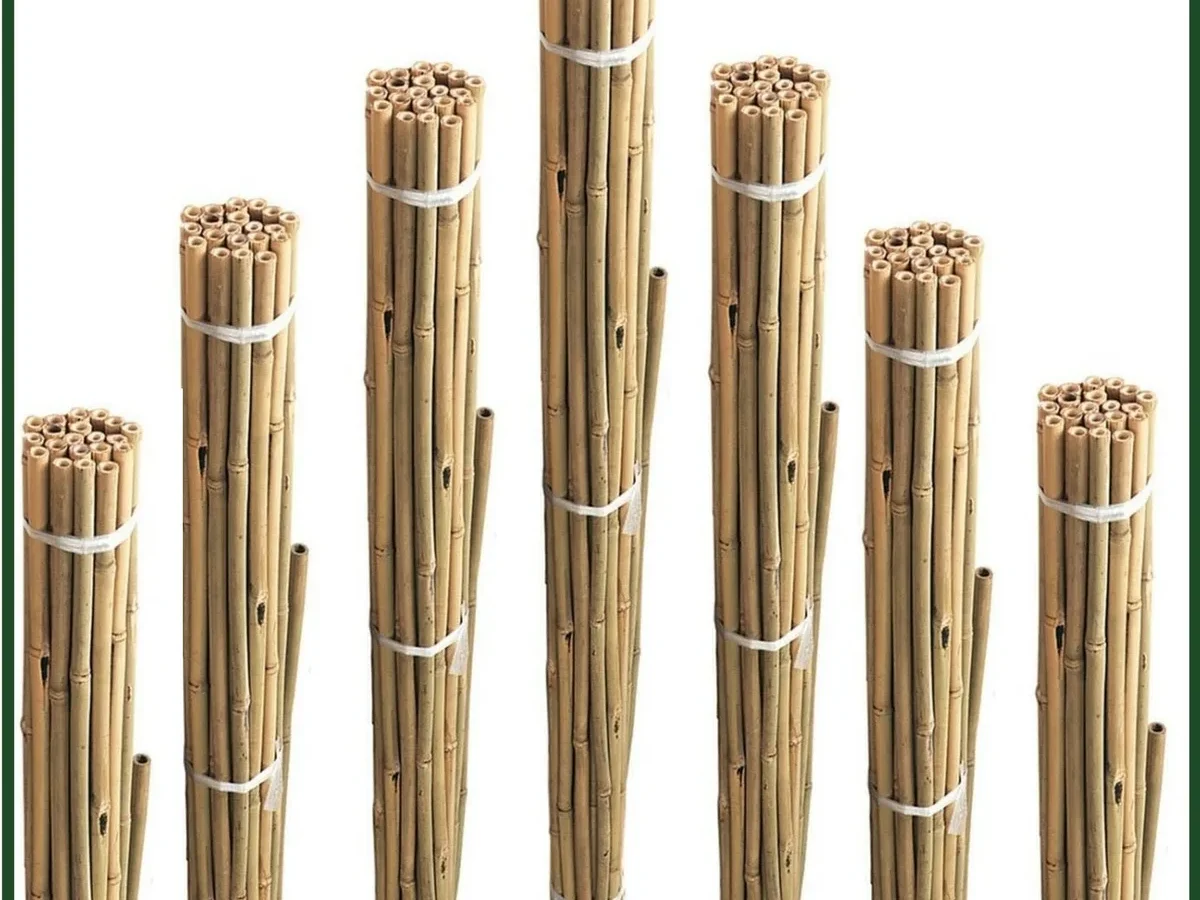
Bamboo cane sizes explained plainly: most gardeners choose by height and overlook diameter entirely. That's the mistake that causes canes to bow under fruiting tomatoes and snap in the first strong wind. The right cane depends on what you're growing, how heavy it gets at maturity, and how you're building the support.
Standard bamboo garden canes are sold in heights from 60cm (2ft) up to 3m (10ft), with diameters ranging from 8mm to 25mm or more. Both measurements determine structural performance. Here's how to read both numbers correctly and match the right cane to every plant in your garden.
Quick Answer
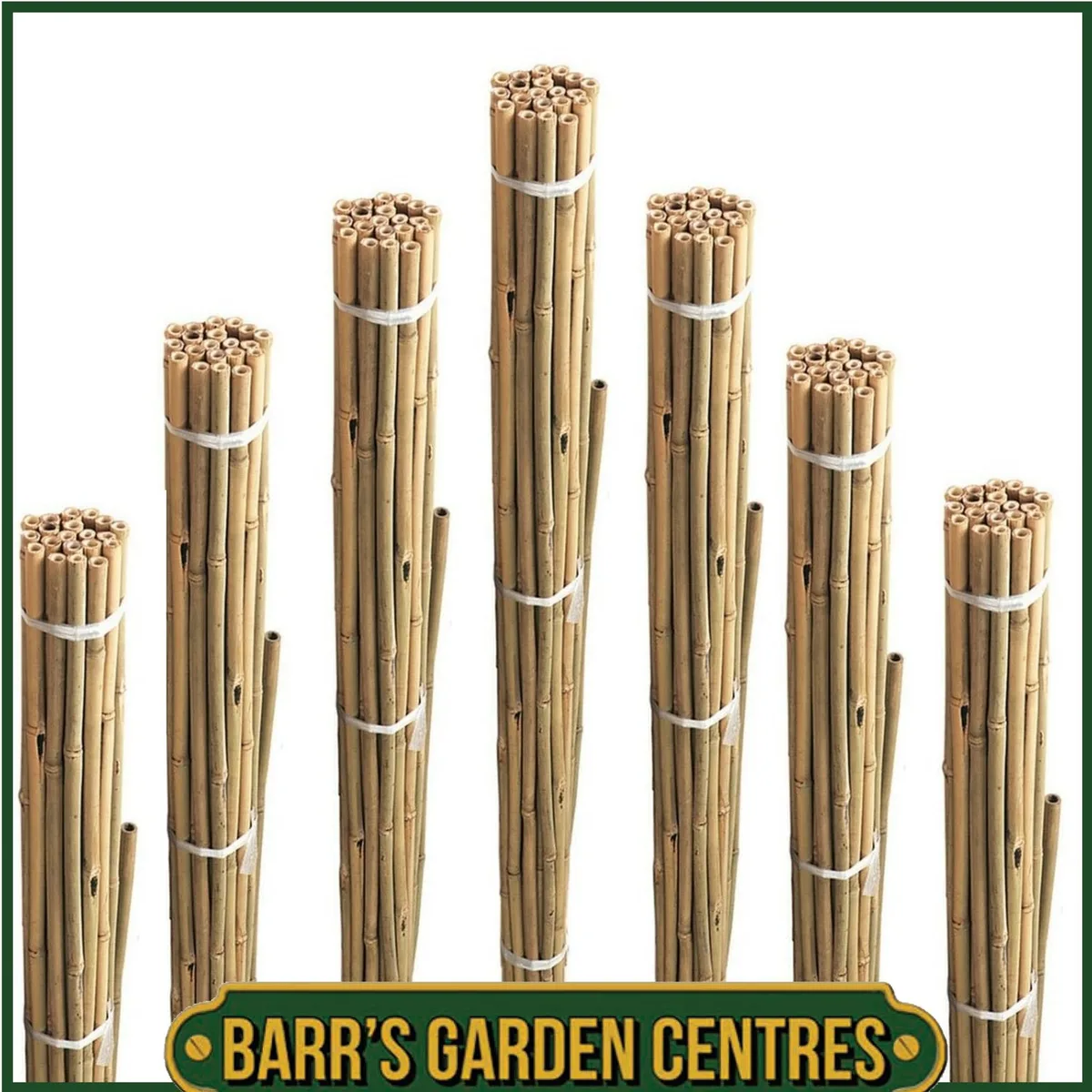
Bamboo cane sizes span 60cm to 3m in height. Diameter ranges from 8mm (thin, flexible) to 25mm+ (thick, structural). Add 25% to your plant's mature height to find the minimum cane length.
Choose diameter based on plant weight at fruiting. Heavier crops need wider canes, not just taller ones.
Why Most Gardeners Buy the Wrong Bamboo Cane
The most common buying mistake is shopping by height alone.
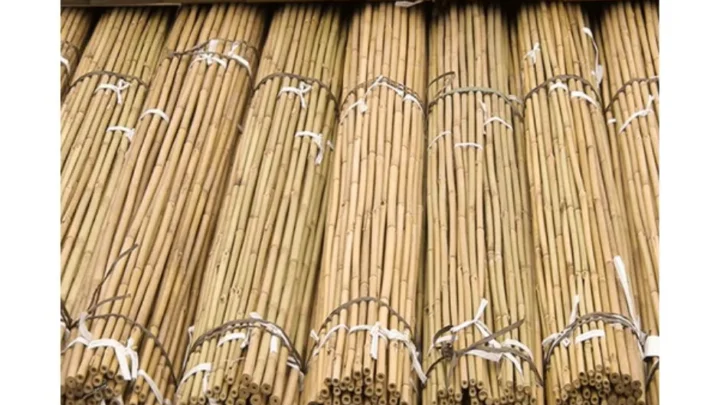
Most garden centre displays stack canes by length. Shoppers pick the one that looks roughly right and move on. Diameter rarely gets a second look, and that's the number that actually determines load capacity.
The second issue is effective height versus total cane length. Pushing a cane 25-30cm into the soil takes a meaningful chunk off what's usable above ground. A 1.8m cane gives you roughly 1.5m of usable support after insertion.
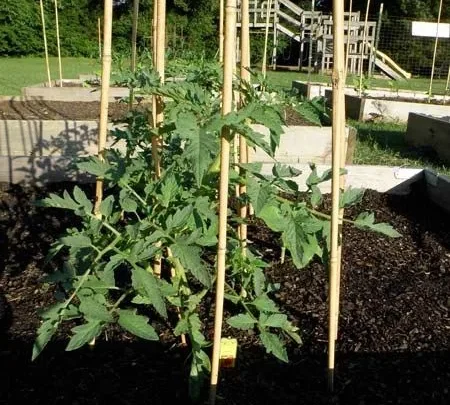
For an indeterminate tomato variety that hits 1.8m at maturity, you're undersized before the season even starts.
Aggregate gardening reviews consistently flag the same failure: canes bow or snap mid-season, usually in the first strong wind. The culprit is almost always diameter mismatch. The plant outgrew what the cane's cross-section could carry.
Re-staking a fully loaded plant mid-season risks root damage and stem breakage. Getting both numbers right from the start means you won't need to.
Height and Diameter: The Two Numbers That Decide Everything
Every bamboo cane has two specifications that matter equally: height and diameter.
Height determines how far above the soil your support extends. A cane's effective above-ground height is always less than its total length. That's because 20-30% should go into the ground for stability.
Add 25-30cm to your plant's expected mature height to find the minimum cane length you need.
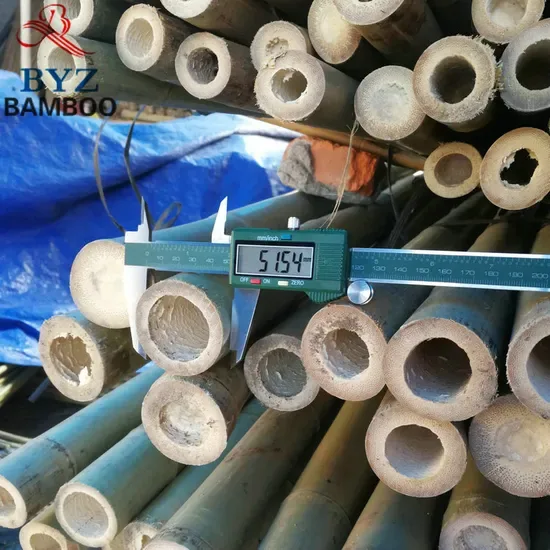
Diameter determines how much load the cane can carry before it bows or snaps. Bamboo is a hollow-stemmed grass. The diameter of that cross-section is what resists bending under a heavy plant or strong wind.
Diameter grades fall into three practical categories:
| Diameter Range | Grade | Best For |
|---|---|---|
| 8-10mm | Thin | Peas, sweet peas, herbs, lightweight annuals |
| 12-16mm | Medium | Runner beans, dahlias, wigwam frames, delphiniums |
| 18-25mm+ | Thick | Indeterminate tomatoes, squash, structural A-frames |
Node spacing matters too. Nodes are the raised rings along the cane's length, and they're its strongest structural points. Canes with tightly spaced nodes resist breaking better than those with long hollow sections between them.
When buying in bulk, reject canes with pre-split tips or uneven nodal spacing.
Standard Bamboo Cane Sizes and What Each One Is Actually Built For
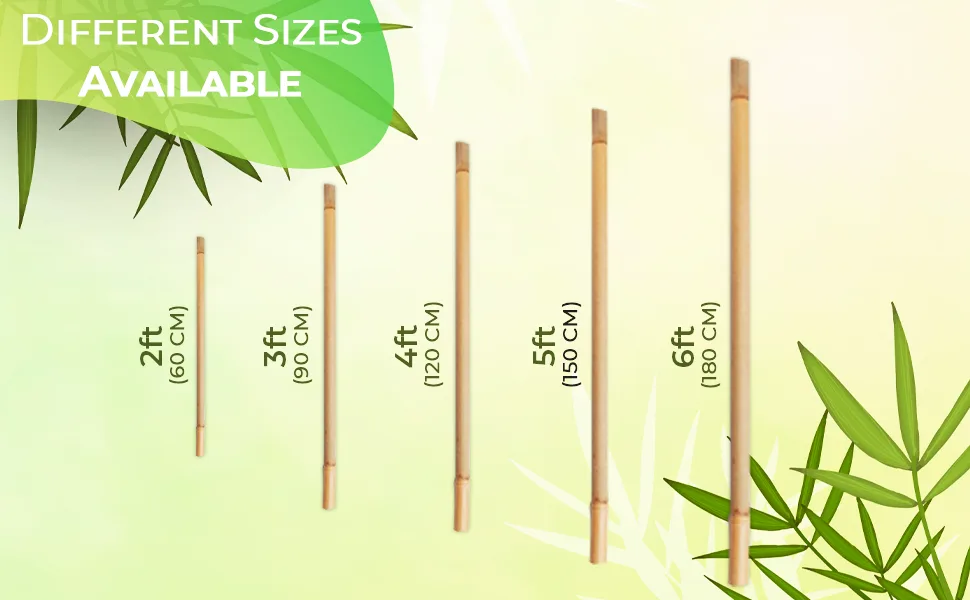
As of 2026, the standard retail range in the UK and US covers these size increments, each suited to specific garden jobs:
| Cane Height | Effective Support* | Typical Use |
|---|---|---|
| 60cm (2ft) | ~40cm | Seedlings, herbs, small container plants |
| 90cm (3ft) | ~65cm | Short-stemmed flowers, young perennials |
| 1.2m (4ft) | ~95cm | Gladioli, peas, short dahlias |
| 1.5m (5ft) | ~1.2m | French beans, standard dahlias, sweet peas |
| 1.8m (6ft) | ~1.5m | Runner beans, determinate tomatoes |
| 2.1m (7ft) | ~1.7m | Tall dahlias, large wigwam frames |
| 2.4m (8ft) | ~1.9m | Indeterminate tomatoes, heavy climbers |
| 3m (10ft) | ~2.5m | Structural frames, long-season crops |
*Based on 20-30cm soil insertion, scaled to cane length.
The 1.8m (6ft) cane is the most widely purchased size in home gardens on both sides of the Atlantic. It covers the majority of typical vegetable garden needs, from runner beans to standard dahlias.
Thin canes (8-10mm) at 60-120cm are the right call for lightweight annuals and container plants. They flex gently without snapping and won't overpower small pots visually or physically.
Thick canes (18-25mm+) are reserved for heavy-duty work only. Indeterminate tomato varieties, large bean frames, and crops with significant fruiting weight all need this grade. Under-speccing diameter here is the most consistent cause of mid-season structural failure in kitchen gardens.
How to Match the Right Cane to Your Plant: A Practical Decision Guide
Work through two questions before you buy any cane.
Question 1: What's the plant's mature height? Check the seed packet or plant label. Add 25-30cm to that figure. That gives you the minimum cane length to buy.
Question 2: How heavy is the plant at fruiting? Leafy climbers like sweet peas are light. Heavily fruiting plants like indeterminate tomatoes, mature dahlias, or runner beans at full crop carry real weight. Light plants: thin to medium-diameter canes.
Heavy fruiting plants: medium to thick.
Once you've answered both, decide on your support structure.
Single vertical stake
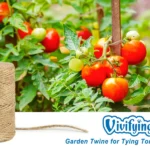
One cane per stem, right for dahlias, delphiniums, and determinate tomatoes. Choose a diameter that doesn't flex under moderate hand pressure. Tie the plant loosely using plant-safe natural twine rather than wire.
Leave a small gap between the tie and stem so it doesn't cut in as the plant grows.
Wigwam and A-frame structures
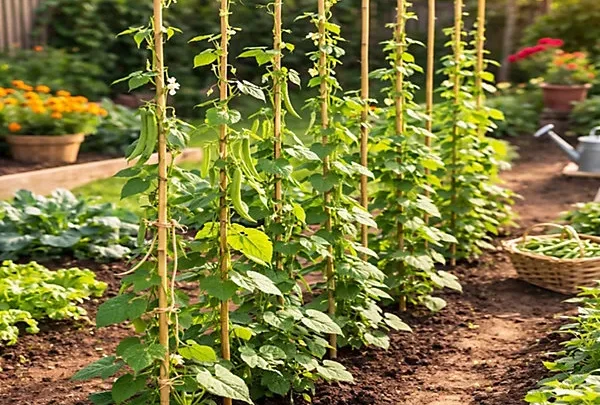
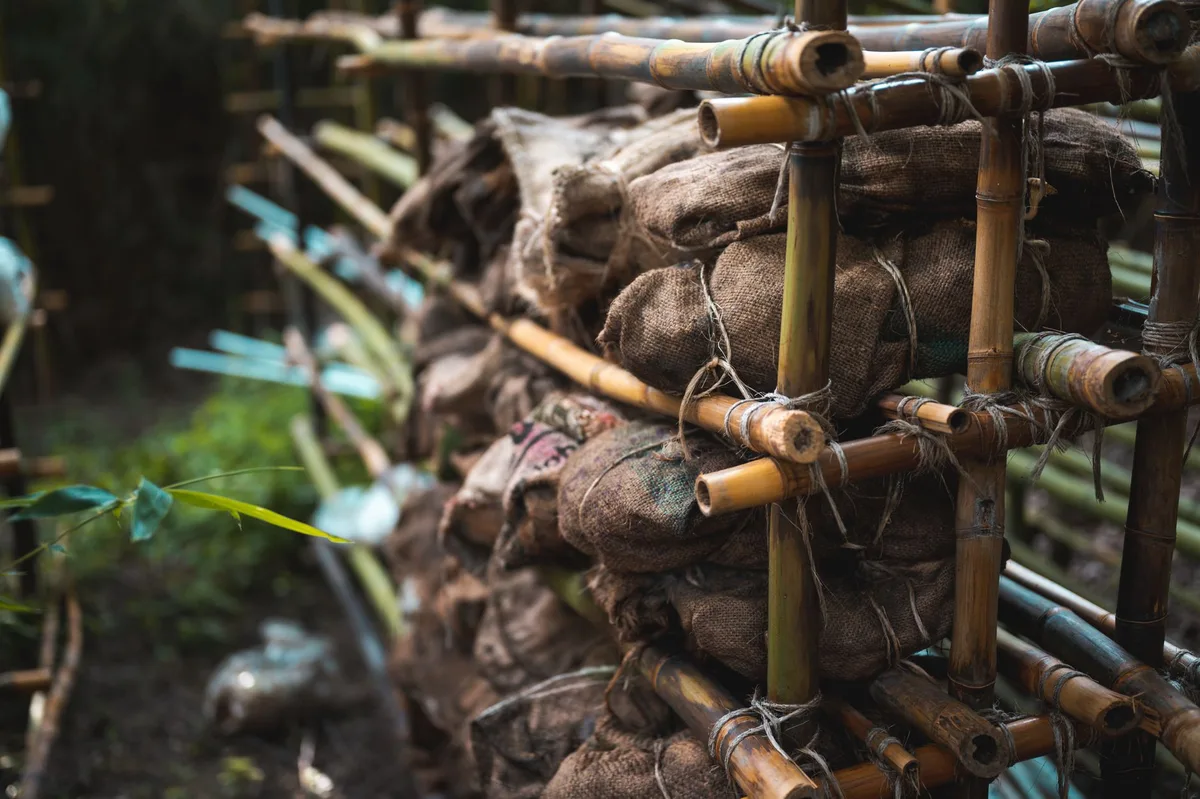
Six to eight canes of 1.8-2.4m form a standard wigwam for climbing beans or sweet peas, tied firmly at the apex with durable plant twine. An A-frame uses two angled rows connected at the top by a horizontal cross-cane. Both structures spread load across multiple canes, so medium-diameter canes (12-16mm) are usually sufficient.
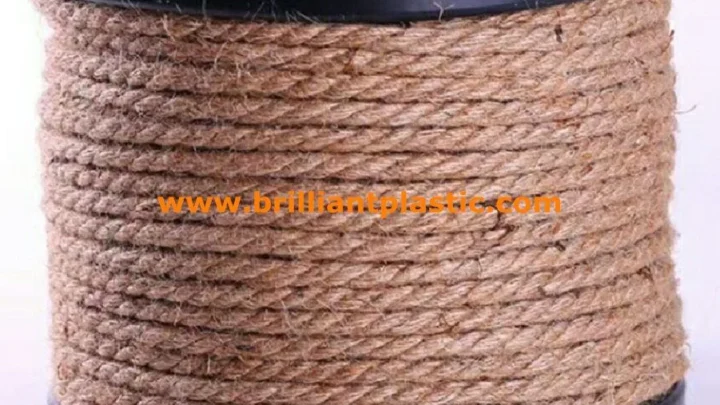
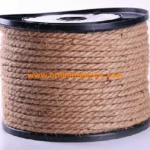
Hemp twine grips bamboo cleanly at lashing joints and breaks down naturally at season's end.
Container and raised bed staking
Use shorter canes (30-90cm) for container plants. Soil depth in pots is limited, so anchor the cane to the pot rim or an external frame rather than relying on insertion depth alone. For raised beds, standard insertion depth rules apply exactly as in open ground.
Mistakes That Snap Canes and Let Your Plants Down
Most mid-season cane failures trace back to a short list of avoidable errors.
Choosing height and ignoring diameter. A tall, thin cane can look right and still fail under load. If the plant carries heavy fruit or a dense canopy, increase diameter alongside height.
Shallow insertion. Minimum insertion is 15-20cm for canes under 1.2m and 25-30cm for anything taller. Shallower than that creates a lever effect: wind pushes the canopy, the cane pivots at the soil surface, and the structure falls. This is the most common cause of toppling, even when the cane length is otherwise correct.
Using one size for every job. A 1.8m medium-diameter cane is right for runner beans. It's too much for sweet peas and not enough for a structural wigwam loaded with heavy squash. Match size to the specific plant and structure, not to habit.
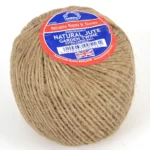
Tying too tightly. Cinching garden twine so tight that the stem can't move will cut into it as the stem thickens. Use a loose figure-of-eight knot between stem and cane. Jute twine is soft enough to avoid bark damage while holding position reliably through the season.
Reusing damaged canes. Canes with splits at node points, or soft rotted sections near the soil-insertion end, should be composted rather than reused. The Royal Horticultural Society recommends inspecting plant supports each season and replacing any that show structural weakness.
Storage, Reuse, and Safety: Getting More Than One Season From Your Canes
Bamboo canes can last two to four outdoor seasons, but only with proper care. Most rot starts at the soil-insertion end, where moisture sits against the bamboo wall after the growing season ends.
At the end of each season, pull the canes, wipe off soil and debris, and let them dry fully before storage. Storing wet canes bundled upright in a shed corner accelerates rot. Lay them flat and horizontal in a dry indoor space until spring.
Before reusing, inspect each cane along its full length. Check node points for cracks or soft spots. Press on the lower 30cm (the section that was underground): if the wall compresses or feels soft, compost the cane.
A cane that looks sound at the surface can be rotted internally at the insertion point.
Green-dyed and natural buff canes perform similarly for longevity. The dye is superficial and doesn't affect structural life. If you plan to compost spent canes, undyed natural canes break down more cleanly.
Don't burn green-dyed canes, as the dye produces unpleasant fumes.
Cane tip safety matters in polytunnels, low greenhouses, or anywhere children spend time. Cut bamboo tips are sharp and often sit at face height. Cane toppers (small rubber or plastic caps fitted over the tip) cost very little and prevent a genuinely common injury.
Horticultural safety guidance and gardener feedback both flag unguarded cane tips as one of the most frequently reported causes of minor garden accidents.
Frequently Asked Questions
What size bamboo cane do I need for tomatoes?
For indeterminate (cordon) varieties, use a 2.4m (8ft) cane with a diameter of 18-25mm. These varieties regularly exceed 1.8m at maturity, and heavy fruit load demands a thick cross-section. For determinate (bush) varieties, a 1.2-1.5m cane at medium diameter (12-16mm) is usually sufficient.
How deep should I push a bamboo cane into the soil?
Push short canes (under 1.2m) at least 15-20cm into the soil. For canes over 1.5m, aim for 25-30cm minimum. Shallower insertion creates a lever point at the soil surface that causes toppling under wind or plant weight, regardless of how sturdy the cane looks above ground.
What diameter bamboo cane is best for runner beans?
A 12-16mm diameter cane in the 1.8-2.1m height range is the standard recommendation for runner beans. This diameter carries a full crop without bowing. For frame joints, robust plant twine holds the apex connections securely without slipping under wind load.
How long do bamboo garden canes last outdoors?
With proper cleaning and dry indoor storage between seasons, bamboo canes typically last two to four growing seasons. Canes left outdoors year-round or stored damp degrade significantly faster. The insertion end is always the first point of failure, so check it carefully before each new season.
Can I reuse bamboo canes that have been in the soil all season?
Yes, if they pass inspection. Check every node for cracks or soft spots, then press on the section that was underground. Any give or visible rot means the cane should be composted.
Sound canes that are cleaned and stored dry will perform reliably the following season.

Similar Posts