Best Knots for Garden Rope: A Practical Guide
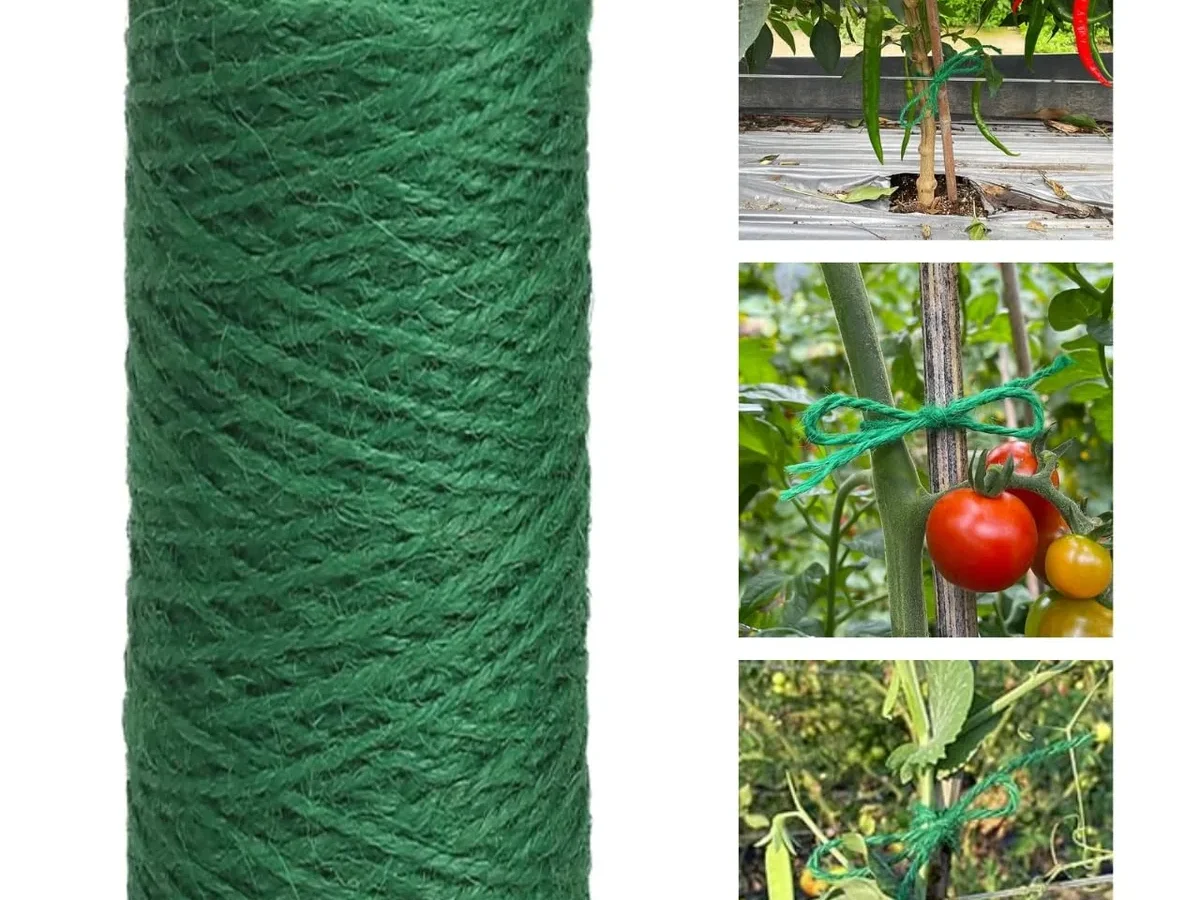
If you've ever returned to the garden to find a tomato plant flopped sideways because the knot slipped overnight, you already know why finding the best knots for garden rope actually matters. The wrong knot doesn't just fail to hold. It can tighten under load, bite into a growing stem, and cause real damage before you notice anything's wrong.
According to the International Guild of Knot Tyers, knot efficiency (the percentage of a rope's full breaking strength retained at the tied point) varies widely across knot types, and a poorly chosen knot can cut that figure by nearly half. This guide covers the five knots that handle almost every garden job reliably, and exactly when to use each one.
Quick Answer
The best knots for garden rope come down to five. Use the clove hitch, bowline, double half hitch, square knot, and constrictor knot. A clove hitch attaches rope firmly to a cane or stake.
A bowline creates a fixed loop that won't tighten on a stem. Together, these five handle nearly every garden tying situation without damaging plants or wasting rope.
Why Most Garden Knots Fail Before the Season Is Over
Most garden knot failures come down to three things: slipping, jamming, or girdling.
Slipping is the most common failure mode. It happens when the knot isn't suited to the rope material. Polypropylene and other synthetic ropes have a low-friction surface.
Knots that grip reliably in jute or sisal can work themselves loose within a few rain-and-dry cycles, and you won't notice until the plant goes with them.
Jamming is the opposite problem. An overhand knot pulled tight under the weight of a heavy tomato truss can compress until it's nearly impossible to unpick by hand. Most gardeners end up cutting the rope rather than fighting it at season's end.
The rope is gone, the cane is wrapped in a rotting remnant, and you've wasted material that should last years.
Girdling is the most damaging outcome of all. A knot placed directly against a growing stem can tighten as the plant expands in diameter through the season. It constricts the phloem layer, blocking the nutrient flow the plant depends on from leaf to root.
The Royal Horticultural Society notes that soft-stemmed plants can develop girdling damage within a single growing season from ties that were initially placed correctly but left under tension without adjustment.
The solution is five specific knots, each matched to a particular job. Every knot in this guide is releasable without cutting, holds reliably under load, and behaves predictably when wet.
The Five Knots That Cover Every Garden Job
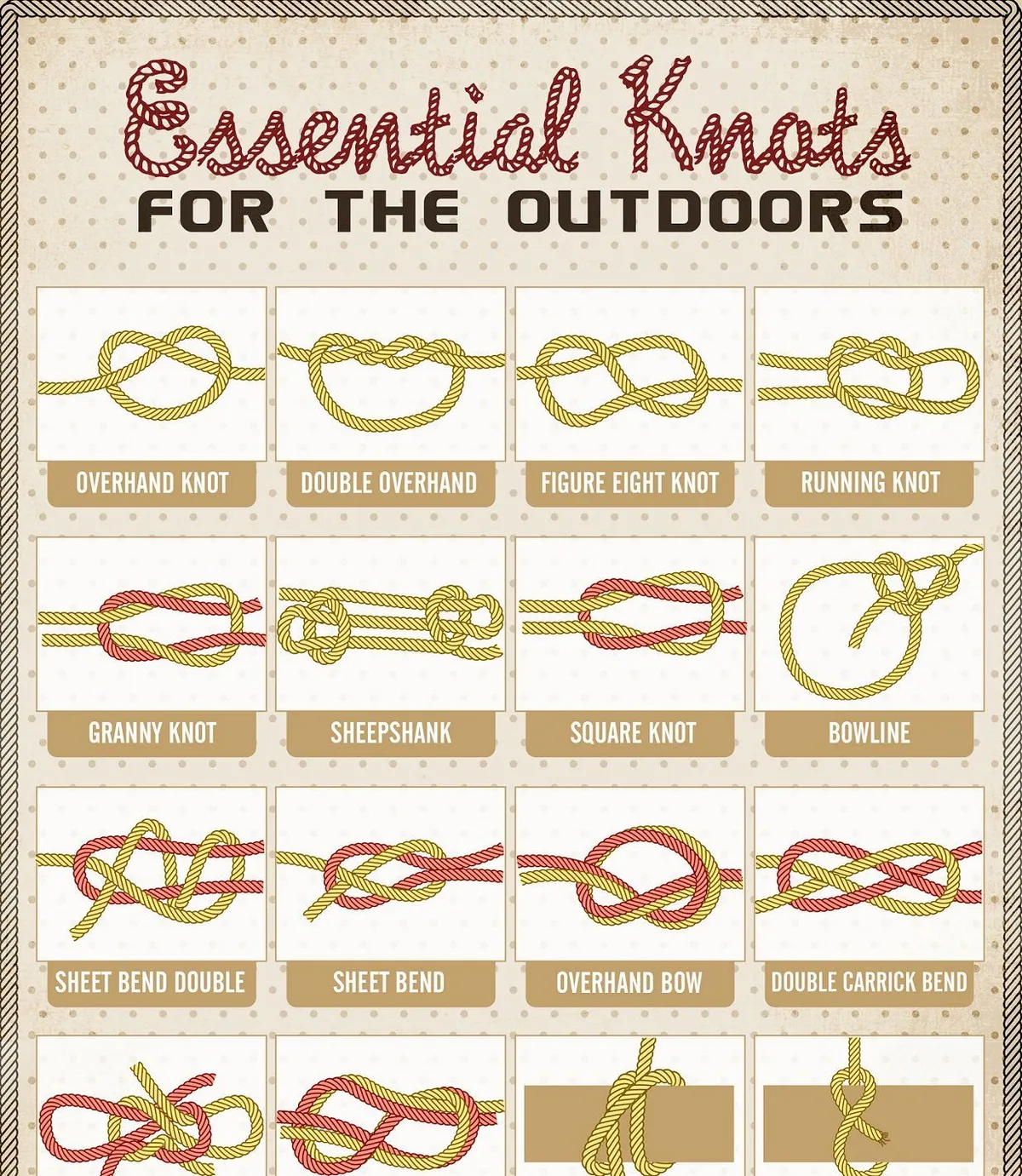
There's no need to learn a library of knots for garden work. In our research into practical horticultural tying methods, these five come up consistently as the most useful and reliable across different tasks, rope types, and plant structures.
Clove Hitch
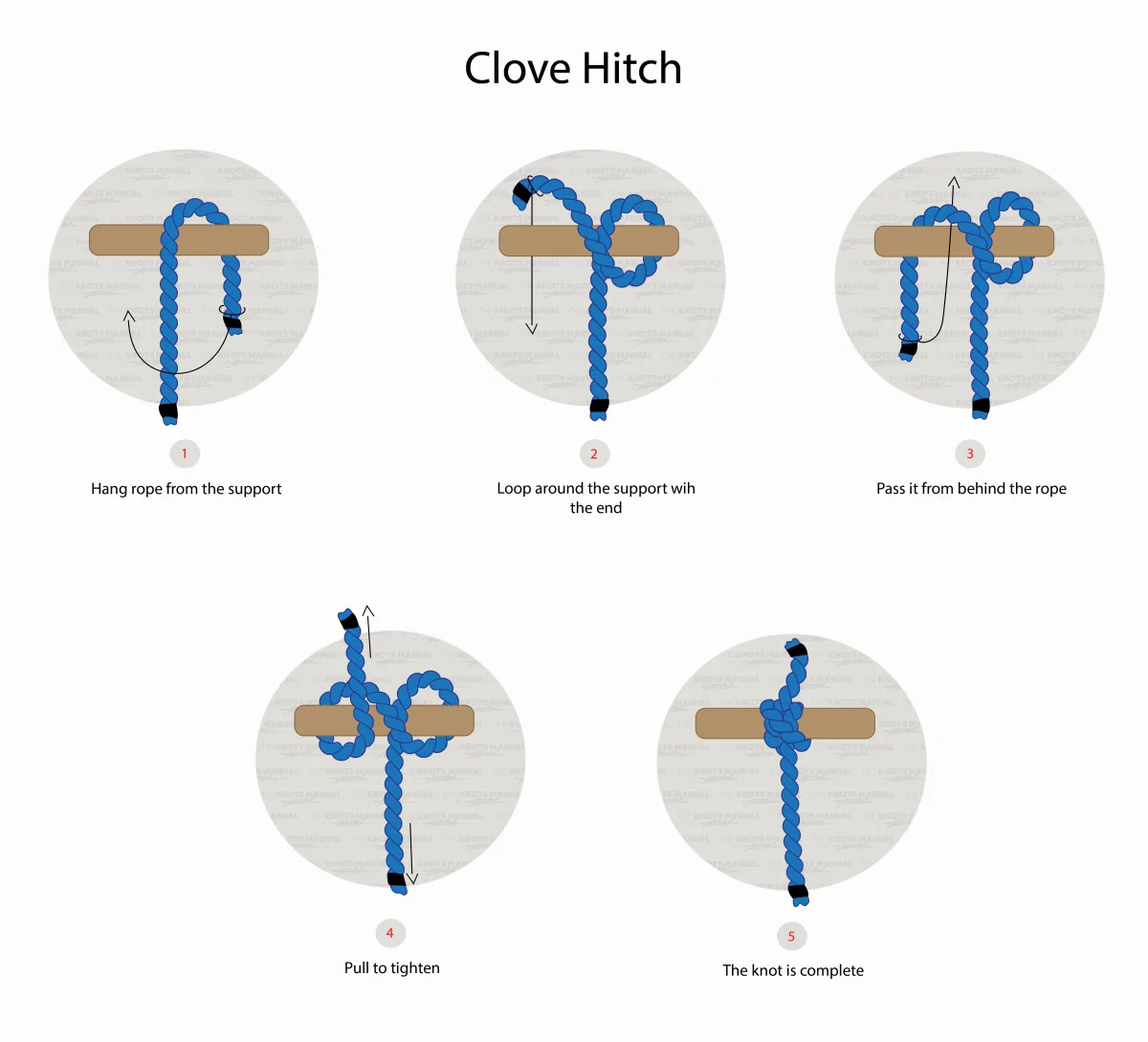
The clove hitch is the workhorse of garden tying. It attaches rope to a cane or stake at any point along its length, grips well on the textured surface of bamboo, and can be repositioned before you dress it tight. On smooth metal or plastic stakes, add a single half hitch below it to stop the knot rotating under load.
Double Half Hitch
The double half hitch gives you adjustable tension before you commit. Tie one half hitch, then a second directly below it in the same direction. The second wrap locks the first into place.
It's the natural choice for tensioning a horizontal run of robust natural twine between two posts before locking it off.
Bowline
The bowline creates a fixed loop that stays exactly the same size regardless of tension on the standing end. This makes it the right knot for any situation where the loop touches a plant stem. It holds its shape when the rope contracts in wet weather, so it won't close in on the stem mid-season.
Square Knot (Reef Knot)
The square knot joins two rope ends of the same diameter quickly and cleanly. It holds well when both sides carry equal tension, making it ideal for tying harvest bundles or joining rope lengths for a longer run. Avoid it for structural ties where the load may pull from one direction only.
Constrictor Knot
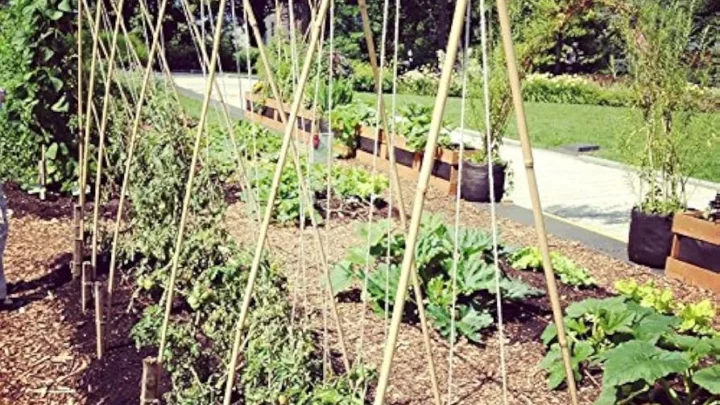
The constrictor grips harder as tension increases and is extremely difficult to undo once loaded, so plan to cut it free at the end of the season. Use it for semi-permanent jobs: lashing bamboo canes into a wigwam frame, securing netting to a fixed structure, or bundling canes for winter storage.
How to Tie Each Knot: Step-by-Step Visual Guide
Text descriptions of knots only go so far. The steps below focus on the critical rope path and hand position at each stage. Pay attention to the check cue at the end of each sequence.
That final check is where beginners most often discover the knot went wrong before it fails under load.
Clove Hitch
- Pass the working end over the cane.
- Wrap it around again, crossing over the first wrap.
- Tuck the working end under the second wrap.
- Pull both ends firmly to snug the knot tight.
Check: the two wraps should cross to form a clear X on the front face of the cane. If they run parallel, the knot hasn't formed correctly and won't grip. Untie and redo from step 1.
Double Half Hitch
- Pass the working end behind the stake.
- Bring it over the standing part and through the loop (first half hitch).
- Repeat directly below, in the same direction (second half hitch).
- Pull the standing end firm to set the knot.
Square Knot
- Left over right, tuck under.
- Right over left, tuck under.
- Pull both pairs of ends to seat.
Bowline
- Form a small loop in the standing part (the rabbit hole).
- Pass the working end up through the loop from underneath.
- Take it around behind the standing part.
- Return the working end back down through the loop.
- Pull the working end and the loop together to set.
Check: the fixed loop must stay the same size when you pull the standing end. If it tightens, the working end went through the loop in the wrong direction. Loosen and redo from step 2.
Which Knot for Which Garden Task
| Task | Best Knot | Why It Works |
|---|---|---|
| Tying tomato to bamboo cane | Clove hitch on cane, bowline on stem | Secures to stake without touching the plant |
| Training climbing beans or peas | Double half hitch | Adjustable tension as plants grow |
| Looping around a soft young stem | Bowline | Fixed loop stays the same size |
| Joining two rope lengths | Square knot | Clean, quick join for equal-diameter ropes |
| Securing bird or deer netting | Constrictor knot | Holds tight under constant, shifting load |
| Bundling bamboo canes | Constrictor knot | Grips harder under compression |
| Espalier training on wire | Clove hitch | Repositionable before final locking |
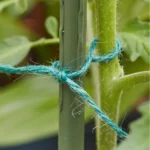
For tomato plants, the figure-eight method works best in practice. Tie a clove hitch to the cane, cross the rope once, then finish with a loose bowline loop around the stem. The cross keeps the knot body sitting between stake and plant rather than pressing against the stem.
For horizontal support runs along raised beds, use twine designed for vegetable garden use tensioned between posts with a double half hitch at each end. Re-tighten mid-season as natural fiber stretches under sustained load.
For espalier and fan-trained fruit trees, the clove hitch on training wire lets you adjust the tie position while you work the branch into place. Once the branch is seated correctly, dress the knot tight and it won't shift without deliberate effort.
Does Your Rope Type Change the Knot You Should Use?
Yes, meaningfully. This is where many home gardeners get caught out, especially when switching from natural fiber to synthetic rope for the first time.
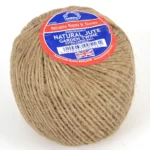
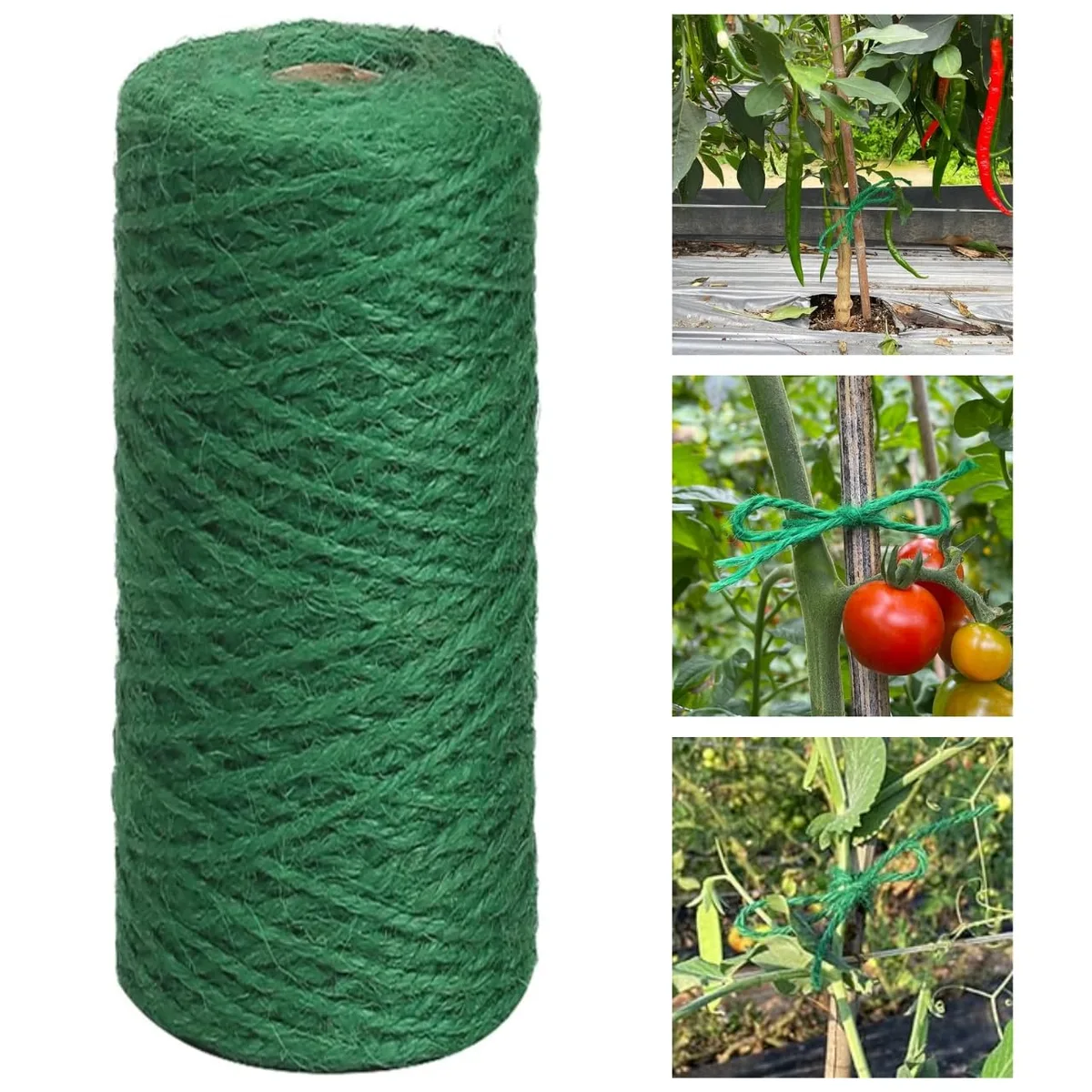
Natural fiber ropes (jute, sisal, hemp) have surface texture that causes them to grip themselves when a knot is dressed tight. Standard knots hold reliably without modification. Jute twine is the most widely used garden rope material as of 2026, and it pairs well with every knot in this guide.
Synthetic ropes (polypropylene, nylon) are smoother and more prone to slip. The square knot is particularly vulnerable on polypropylene: repeated wet-and-dry cycles can gradually work it loose without any visible warning. With synthetic rope, finish any knot with an additional locking half hitch.
One extra second of tying prevents a lot of mid-season failures.
Rope diameter affects how a knot sits on a stem. Thin twine (2 to 3mm) forms a tight, low-profile bowline with minimal contact area. Thicker rope (5 to 6mm) creates a bulkier knot that can press into soft plant tissue.
For young seedlings or soft-stemmed plants, keep to lightweight natural plant fiber.
Biodegradability matters for end-of-season management. Standard jute breaks down in one to two growing seasons. Heavier-duty jute handles wetter conditions and lasts somewhat longer before composting.
Polypropylene doesn't biodegrade, so any rope ends left in the bed accumulate into a recurring clean-up job.
Mistakes That Slip, Girdle, and Jam
The most common mistake is reaching for the overhand knot as a default. It feels intuitive, but it compresses under load until it's nearly impossible to undo. Once it's been rained on and dried out a few times, you're cutting it off rather than untying it.
Tying directly against a plant stem is the second big error. Even a loose-looking knot can tighten as the stem grows in diameter through summer. Always form the attachment on the stake or cane first, then bring the rope across to the stem with enough slack to last the season.
Not dressing the knot is a quieter mistake that causes slipping later. Dressing means pulling the knot snug and seated evenly before you put any load on it. A properly dressed knot holds better and releases more cleanly at season's end.
One that's dressed badly looks fine initially but shifts under tension.
Using the square knot on a structural tie where the pull comes from one direction only is another error worth avoiding. The square knot needs balanced tension on both sides to stay secure. Wherever the rope runs from a stake to a single anchor point, use a clove hitch or double half hitch instead.
You'll find it useful to know your garden twine options before buying your next roll, since rope type affects which knots perform best.
Finally, not checking ties mid-season costs plants. Natural fiber rope stretches when wet and contracts when dry. What felt snug in May can be too loose or too tight by July.
A quick walk-through every few weeks catches problems before they cause real damage.
Frequently Asked Questions
What is the easiest garden knot to learn first?
The clove hitch is the best starting point. It uses a simple two-wrap motion and works on bamboo canes, wooden stakes, and fence posts. Most gardeners can tie it reliably within a few minutes of practice.
Once the clove hitch feels natural, the double half hitch is the logical next step.
How do I stop a knot from tightening on a plant stem?
Use a bowline instead of a slip knot or adjustable loop. The bowline forms a fixed loop that doesn't change size under tension or when the rope gets wet. Tie it with enough room inside the loop for the stem to expand.
A gap roughly the width of your finger is sufficient for most vegetable plants.
Can I use the same knots on synthetic rope and natural fiber?
Most knots transfer across materials, but synthetic rope is more slippery. Add a locking half hitch to any knot you'd normally finish cleanly on polypropylene or nylon. The square knot is especially prone to working loose on synthetic materials, so switch to a double half hitch for any tie that carries real load.
What knot joins two pieces of garden twine most reliably?
A square knot is the standard choice for joining two ends of equal diameter. It's fast, flat, and holds well under balanced tension. If the two pieces are different thicknesses, such as thin jute twine joined to heavier sisal, use a sheet bend instead.
It handles mismatched diameters far more reliably than a square knot.
How often should garden rope ties be checked and retightened?
Check ties every three to four weeks through the main growing season. Natural fiber rope stretches when wet and contracts when dry, so tension shifts noticeably between spring and midsummer. Focus on fast-growing plants like tomatoes, cucumbers, and climbing beans, where stem diameter increases quickly enough to make last month's knot feel completely different.

Similar Posts