Are Bamboo Canes Biodegradable? The Truth Revealed
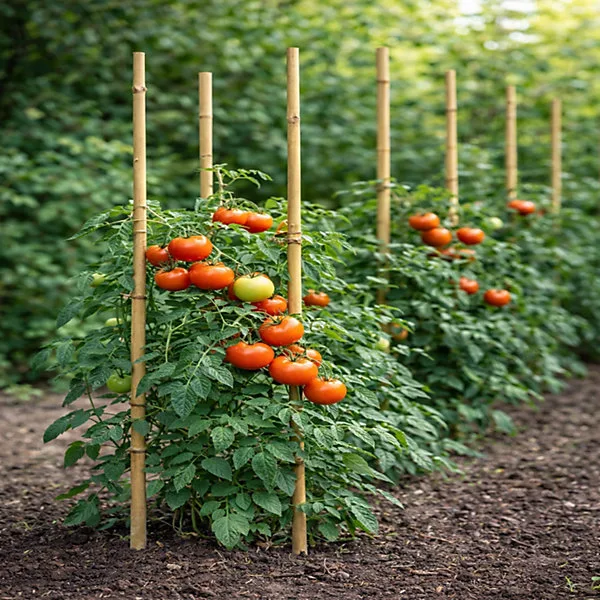
Are bamboo canes biodegradable? The short answer is yes, but most gardeners don't realise that the canes sold in garden centres aren't the same as raw, freshly harvested bamboo. Most retail canes are chemically treated or kiln-dried before they reach the shelf.
That single fact changes how and when they'll actually break down.
Bamboo has a carbon-to-nitrogen (C:N) ratio of roughly 150:1 to 200:1. That makes it an exceptionally slow-composting brown material, even without any chemical treatment. What happens to your canes depends on whether they're treated, how you prepare them, and which disposal route you choose.
The Short Answer: Yes, But Most Garden Canes Are Treated
Bamboo canes are biodegradable. All bamboo will eventually break down. The timeline ranges from months to decades, depending on treatment.
Untreated, chipped canes added to a hot compost pile break down in roughly 3-6 months. Treated canes can persist far longer and may leach chemicals into surrounding soil.
The real distinction is untreated versus treated. Untreated bamboo returns to the soil without harmful residue. Treated bamboo may never fully biodegrade within any useful gardening timeframe.
It's also worth knowing that "biodegradable" and "compostable" aren't the same thing. Biodegradable means it will break down eventually. Compostable means it breaks down within a defined timeframe under composting conditions.
Untreated bamboo is both. Treated bamboo is technically biodegradable, but not compostable in any practical sense.
As of 2026, the Soil Association prohibits treated cane use on certified organic plots. Copper-based preservatives can leach into growing soil for years after the cane is placed.
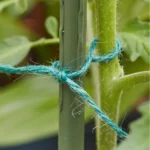
If you pair your canes with organic plant ties, it's worth confirming whether the canes themselves can follow those ties into the compost bin.
What Actually Controls How Fast Bamboo Breaks Down
Lignin and Silica: The Natural Brakes on Decomposition
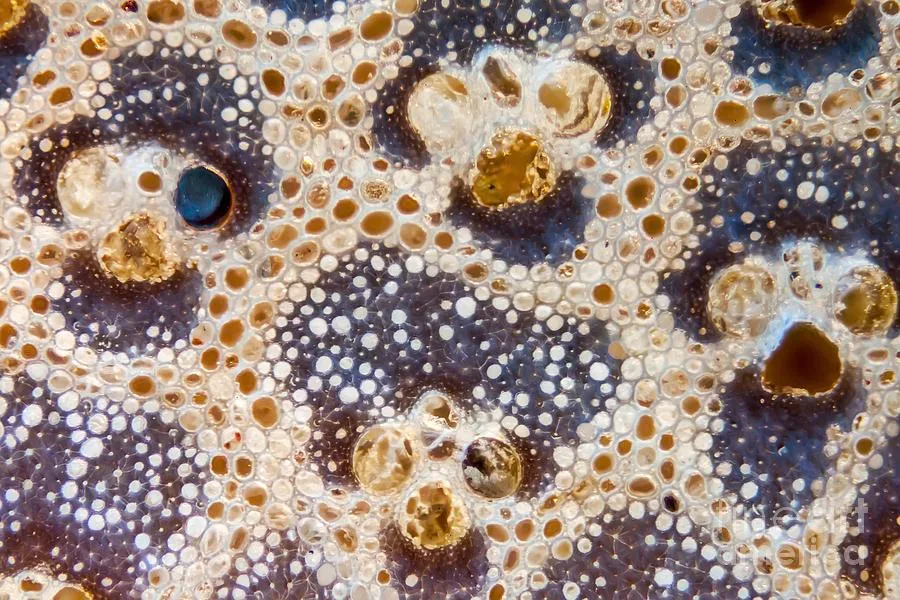
Bamboo contains roughly 20-25% lignin by dry weight. Lignin is the structural polymer that gives bamboo its toughness. It resists most common soil bacteria.
Breaking it down requires specialist white rot fungi, which work far more slowly than the bacteria handling simpler plant materials like leaves or grass clippings.
The outer skin adds another barrier. It's rich in silica, typically 2-5% by dry weight. That layer limits how quickly microbes can penetrate from the outside.
It's one key reason whole canes take so much longer to break down than chipped or shredded pieces.
Both factors together explain why even raw, untreated bamboo decomposes slowly.
Treated vs Untreated: The Variable That Changes Everything
Standard retail canes are almost always treated. Common preservatives include copper naphthenate, boric acid compounds, and proprietary fungicide coatings. These extend outdoor working life from 1-2 years to 5-7 years or more.
In composting terms, they add years, sometimes decades, to the breakdown timeline.
Here's the practical if/then rule:
- If labelled "natural" or "untreated": safe to compost with proper preparation.
- If standard retail with no origin detail: assume treated. Use council green waste or biochar instead.
- If packaging lists preservatives or claims "extended outdoor life": do not compost and do not burn.
The International Network for Bamboo and Rattan documents bamboo's material properties extensively. Their findings show preservative-treated bamboo behaves far closer to treated timber than raw organic plant material in end-of-life breakdown.
How Long Bamboo Canes Take to Decompose by Condition
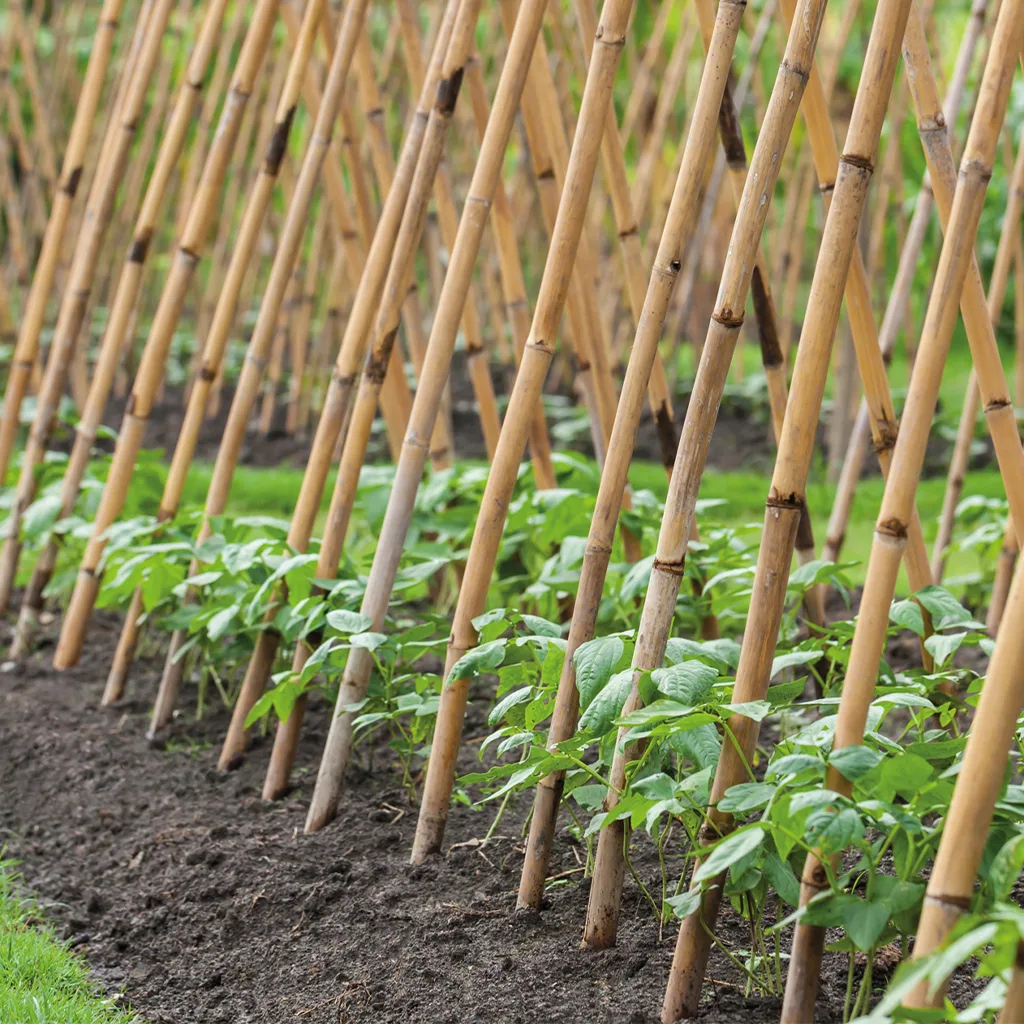
How long decomposition takes depends on three things: treatment status, physical form (whole vs. chipped), and the disposal environment.
| Condition | Form | Environment | Estimated Timeframe |
|---|---|---|---|
| Untreated | Chipped/shredded | Hot compost (55-65°C) | 3-6 months |
| Untreated | Whole cane | Hot compost | 1-3 years |
| Untreated | Whole cane | Soil burial | 2-6 years |
| Treated | Any | Hot compost | 5-20+ years |
| Treated | Whole cane | Soil burial | Decades |
| Any | Any | Landfill (anaerobic) | Decades+ |
Temperature is the biggest lever after treatment status. Hot composting at a sustained 55-65°C activates the fungal and microbial activity needed to break down lignin. Most home compost heaps don't hold that range consistently, so real-world results tend toward the longer end of each bracket.
Chipping makes a meaningful practical difference. Breaking a standard 180cm cane into short pieces multiplies the surface area available to microbes. This can cut breakdown time roughly in half compared to composting whole canes.
Climate matters too. Microbial activity drops sharply below around 10°C. Canes added to outdoor soil in autumn in a UK garden barely shift until late spring.
Which Disposal Route Is Right for Your Canes?
The decision starts with one question: are your canes treated or untreated? Once you know that, the route is straightforward.
Compost Pile (Untreated Only)
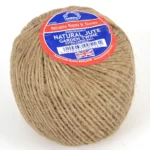
Composting is the best outcome for untreated canes. Chip or shred pieces to no longer than 10-15cm, then layer with nitrogen-rich green materials at roughly a 3:1 green-to-bamboo ratio. If you tie your plants with compostable jute twine, both canes and twine can go into the pile together at season's end.
Soil Burial (Untreated Only)
Burying whole untreated canes in the soil works, but it's slow. Expect 2-6 years for meaningful breakdown. This suits raised beds or areas you won't need to dig regularly.
Shorter pieces break down faster than whole lengths.
Council Green Waste Collection
Most UK councils accept untreated bamboo in green waste bins. Industrial composting facilities sustain far higher temperatures than a home heap, making them much better equipped for high-lignin materials.
Biochar Conversion (Treated or Untreated)
Biochar is the right option for treated canes. Low-oxygen controlled burning converts bamboo into stable carbon, locking chemical residues in rather than releasing them. This requires a dedicated kiln, not a garden bonfire.
What to Avoid: Landfill and Burning
Landfill stalls decomposition almost entirely and creates methane risk under anaerobic conditions. Burning treated canes releases toxic fumes from copper-based preservatives. Both are off the table.
How to Compost Bamboo Canes So They Actually Break Down
These steps apply to untreated canes only. If you're unsure about yours, route them to council green waste instead.
- Confirm the canes are untreated. Check the original packaging or buy from a known natural supplier. If in doubt, treat them as treated.
- Cut or chip pieces to no longer than 10-15cm. A garden shredder handles larger volumes quickly.
- Soak the pieces for 24-48 hours. Water softens the silica-rich outer layer and gives microbes an easier entry point.
- Layer into an active hot compost pile. Alternate bamboo with green materials at a 3:1 green-to-bamboo ratio by volume.
- Maintain pile temperature at 55-65°C. A compost thermometer is the only reliable way to verify this.
- Turn the pile every 1-2 weeks to keep conditions aerobic and heat consistent.
- Check at the 3-month mark. Well-prepared chipped bamboo in an active pile should be largely broken down by this point.
The Royal Horticultural Society advises that high-lignin woody materials need active hot composting to break down within any practical timeframe.
If you use natural twine on vegetable beds, the twine and canes can compost together at season's end. Pair them with hemp plant ties and your whole support system becomes end-of-season compostable.
Mistakes That Slow Decomposition or Contaminate Your Compost
Adding whole canes to the compost pile. This is the most common error. Whole canes don't break down on any useful home composting timeline. Their silica skin limits microbial access, and the low surface area gives the pile almost nothing to work with.
Always chip or shred first.
Composting treated canes by mistake. If you're not certain a cane is untreated, don't compost it. Copper naphthenate and boric acid treatments resist breakdown and can contaminate finished compost. That compost then goes onto your beds, so it's not a risk worth taking.
Using a cold, slow heap for high-lignin materials. Cold composting works well for soft kitchen scraps and grass clippings. Bamboo needs heat. Without sustained temperatures in the 55-65°C range, white rot fungi can't activate properly and the lignin barely shifts.
If your heap isn't hot, route bamboo to council green waste instead.
Not balancing the carbon-to-nitrogen ratio. Bamboo is very high carbon. Adding it without enough nitrogen-rich green material slows the whole pile down. Aim for a 3:1 green-to-bamboo ratio by volume.
Grass clippings, fresh kitchen scraps, and leafy weeds all work as balancing materials.
Burning treated canes in a garden bonfire. This is both a safety risk and, in many UK local authorities, a legal one. Burning copper-treated material releases toxic particulates.
It doesn't matter that the cane looks natural. Treated canes belong in a biochar kiln or council waste collection, not a bonfire.
Frequently Asked Questions
Can bamboo canes go in the green bin?
Untreated bamboo canes are accepted by most UK councils in green waste collections, but check your local authority's guidelines first. Industrial composting facilities handle high-lignin materials far better than home heaps. If you're uncertain whether your canes are treated, the green bin is the safer choice.
How do I know if my bamboo canes are treated?
Check the packaging for terms like "preservative treated", "extended outdoor life", or listed chemical compounds. Natural, untreated canes typically come from specialist suppliers and are clearly labelled. If there's no labelling and the canes came from a standard garden centre or DIY store, assume treated.
Will bamboo canes break down if left in the soil?
Untreated canes buried in soil will break down over roughly 2-6 years, depending on conditions. Treated canes can persist for decades without meaningful breakdown. Leaving treated canes in food-growing soil is not recommended, as preservatives can leach into the growing medium.
Are bamboo canes more eco-friendly than plastic stakes?
Untreated bamboo is a clear win over plastic. It biodegrades fully, leaves no microplastic residue, and comes from a fast-growing renewable source. Treated bamboo is more complicated, since preservatives complicate disposal.
For a fully sustainable setup, untreated bamboo paired with natural fibre ties is the better choice.
Can I speed up bamboo decomposition at home?
Yes. The two biggest accelerators are surface area and heat. Chipping or shredding canes into pieces under 10-15cm makes the biggest single difference.
Running a hot compost pile at 55-65°C and turning it every 1-2 weeks pushes breakdown further. Adding nitrogen-rich green materials balances the C:N ratio and keeps the pile active.

Similar Posts