How to Build a Cane Frame for Tomatoes (Step-by-Step)
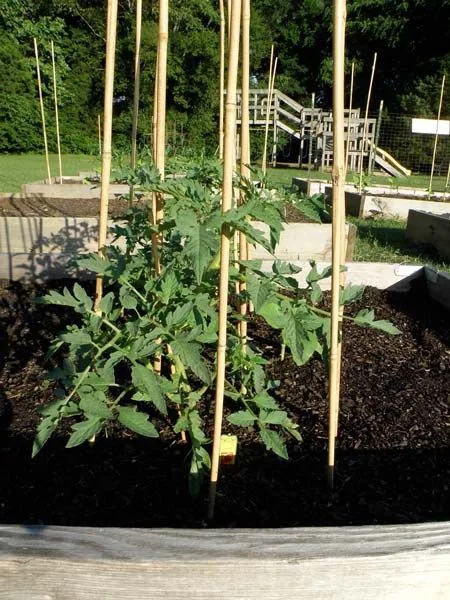
Learning how to build a cane frame for tomatoes takes less than an hour. But it's the single biggest factor in whether your plants make it to harvest intact. Heavy cordon (single-stem) varieties can top 1.8 metres and carry several kilograms of fruit.
Without solid support, stems snap and plants topple in summer wind.
Indeterminate tomatoes need canes reaching at least 1.8m above soil level, per RHS growing guidance as of 2026. That height requirement shapes every other decision in the build. Get it right from the start and the build itself is quick.
Quick Answer
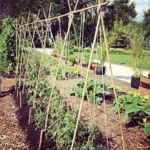
A cane frame for tomatoes uses crossed bamboo canes and a ridge pole. Push two 1.8m canes per plant into soil at a 45-degree inward angle. Cross and lash the tops with a figure-of-eight tie.
Lay the ridge pole into the V formed along the row and secure it. Space each cane pair 45 to 60cm apart along the full row length.
Which Cane Frame Design Works Best for Your Tomatoes
The right frame depends on your plant count and plot layout.
For a single plant or a small container, a wigwam works well. Push three or four canes into the soil around the plant and tie them together at the top. It takes up roughly a 30cm diameter footprint, suits compact or semi-determinate varieties, and is fast to build.
For a row of cordon tomatoes, a double-row A-frame is the better choice. It handles the full weight of multiple plants and stays rigid through wind and heavy rain. You get clean access down each side for picking and pinching out side shoots.
| Frame Type | Best For | Canes Needed | Stability |
|---|---|---|---|
| A-frame (double row) | Rows of 3+ cordon plants | 2 per plant + ridge pole | High |
| Wigwam | Single plants, containers | 3–4 per plant | Moderate |
| Single stake | Determinate / bush types | 1 per plant | Low–moderate |
| Square grid | Compact indeterminate | 4 corner posts + string | Moderate |
Bush (determinate) varieties stay compact, often under 70cm. A single 1.2m stake is plenty. Don't over-engineer support for a plant that stops growing at a fixed height.
If you're unsure which frame suits your plot, use this simple check. More than two plants in a row means A-frame. One plant in a pot or tight corner means wigwam.
Everything from here covers the A-frame, since that's what most kitchen garden and allotment growers actually need.
What You Actually Need Before You Build

Keep the kit simple. Quality matters on a few items, but nothing here is expensive or hard to source.
| Item | Specification | Notes |
|---|---|---|
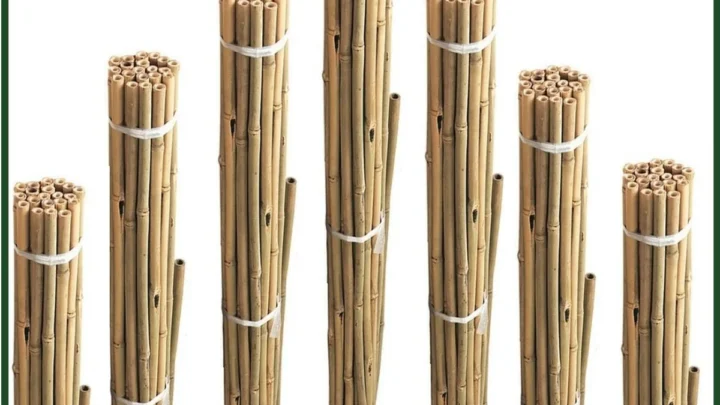
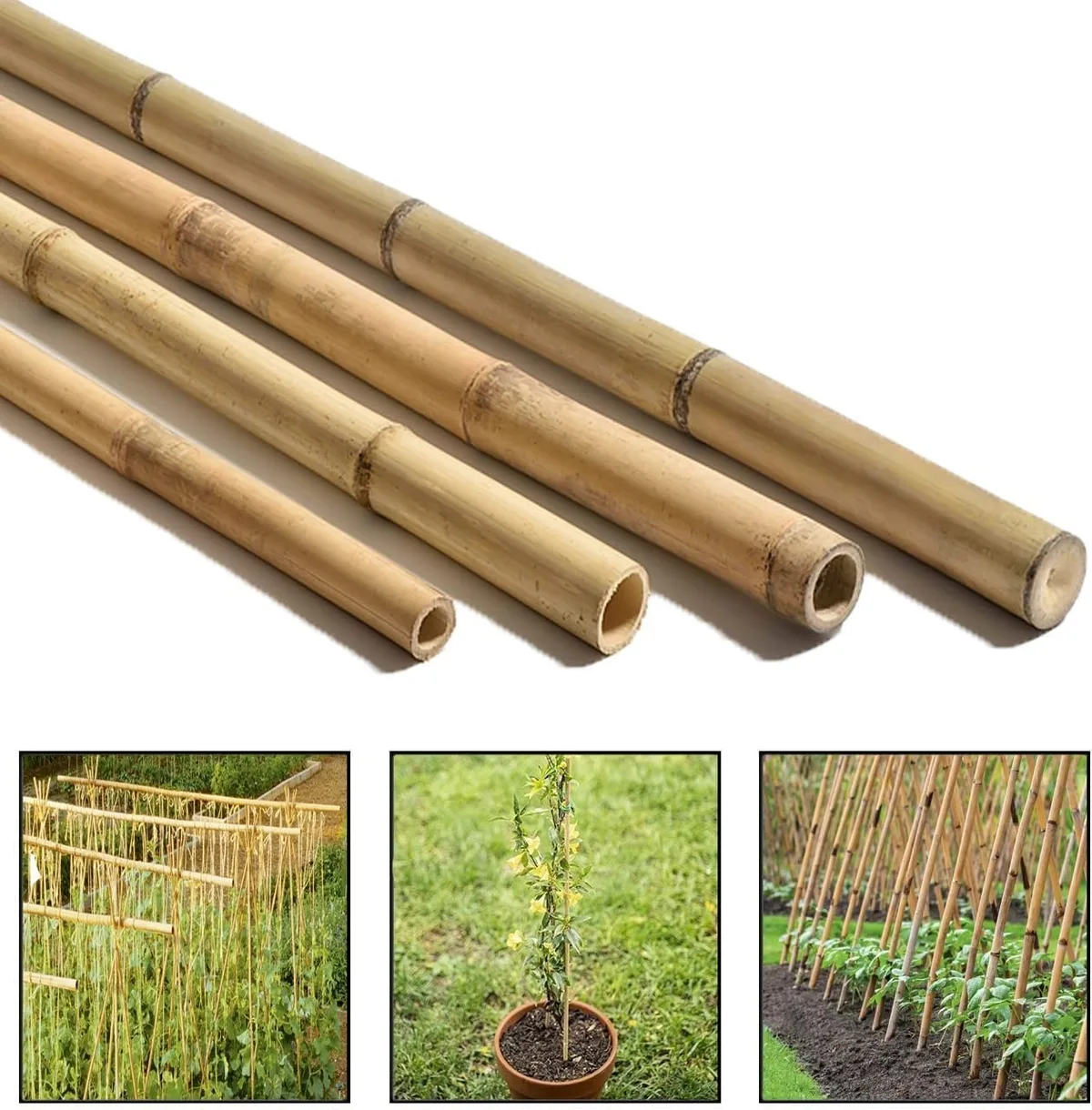
| Bamboo canes | 1.8m–2.4m tall, 25–30mm diameter | Thicker canes carry more load |
| Ridge pole cane | Length to match row | One cane spans the full row |
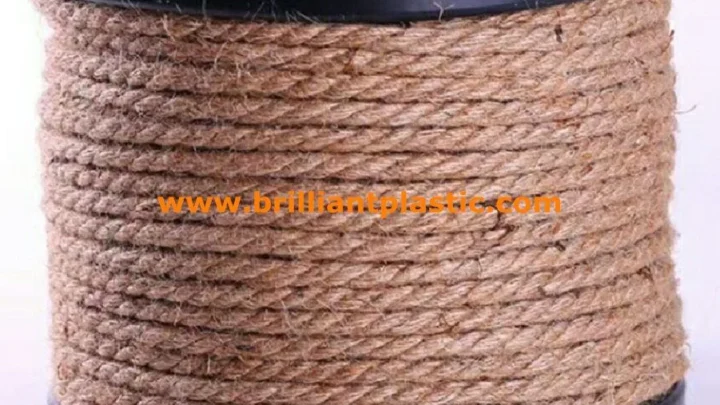
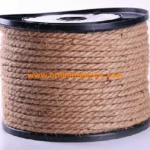
| Garden twine | Natural fibre, rot-resistant | Jute or hemp both work well |
| Cane connectors / clips | Optional | Lock crossings without knotting |
| Cane safety toppers | One per exposed tip | Eye safety, non-negotiable |
| Mallet or stake driver | Any standard type | For hard or compacted ground |
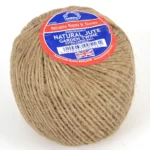
For tying, jute twine is the standard choice. It grips bamboo reliably, won't cut into plant stems, and breaks down naturally at season's end. A plant-safe hemp option works equally well with slightly more tensile strength.
The full garden twine range covers both if you want to compare weights before buying.
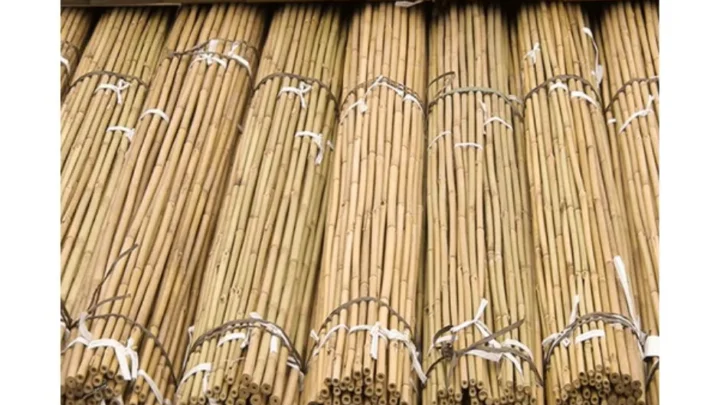
Use 25 to 30mm diameter canes for the main structure. Thinner 10mm canes flex too much under a fully laden cordon plant in full leaf. Quality canes last four or five seasons with basic dry winter storage.
Before buying, work out your quantities. For a 3-metre row of six plants spaced 50cm apart, you need 12 structural canes plus one ridge pole cane. Pick up two or three spares for mid-season breakages.
Always cap the tips before building. A 2m bamboo cane at eye level is a genuine hazard, especially in a garden where children or other people are working nearby.
How to Build a Double-Row A-Frame Step by Step
Get the angle, insertion depth, and ridge pole right. The frame will hold all season.
Step 1: Mark Out Plant Spacing and Set Your First Canes
Mark your row with a garden line or length of string. For each plant position, push one cane into the left side of the line and one into the right. Angle both inward at roughly 45 to 60 degrees from vertical, so they meet above the planting spot.
Push each cane at least 30cm into the soil. In raised beds or loose ground, go 40 to 45cm. A mallet helps in compacted clay.
After placing each pair, step back and check they form a clear X shape viewed from the side of the row.
Space each pair 45 to 60cm apart along the row. That matches the standard planting distance for cordon varieties and keeps air moving freely through the canopy.
Step 2: Cross and Lash the Tops With a Figure-of-Eight Tie
The crossing point at the top of each pair is the structural heart of the frame. Wrap the twine around both canes in a figure-of-eight pattern. Pull it tight after each pass, then finish with a reef knot.
Use a rot-resistant natural string for this lashing. It grips bamboo without slipping and holds up through a full outdoor season of rain and sun.
Never use a simple loop wrap. A straight loop spins and loosens under load. The figure-of-eight locks both canes firmly in position against each other.
Step 3: Fit the Ridge Pole and Add a Lower Horizontal Rail
Lay the ridge pole cane into the V formed at the top of each crossed pair along the row. Tie it to each pair with a clove hitch or figure-of-eight wrap. This single pole connects all the A-pairs into one rigid structure.
Add a lower horizontal rail at 30 to 40cm above ground. Tie a second cane or a length of stout twine horizontally between the base of each A pair. It stops the feet from splaying outward as the weight of mature plants builds through summer.
How to Tie In and Train Your Tomato Stems as They Grow
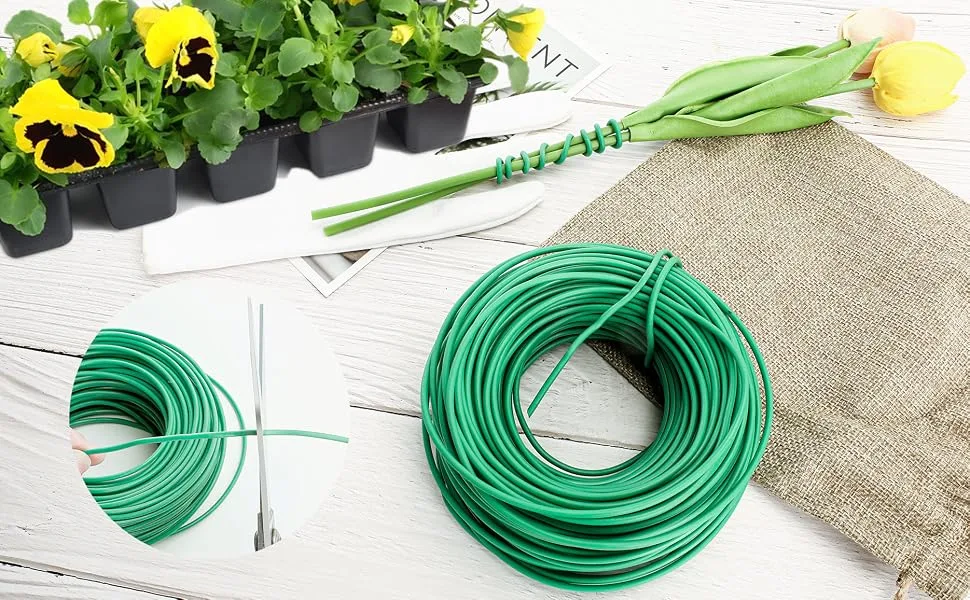
Tying in is ongoing work. Check your plants every seven to ten days through the growing season.
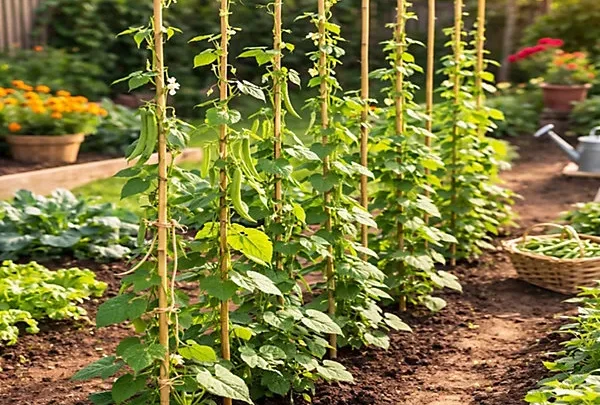
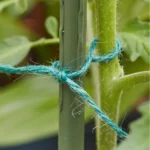
Use the figure-of-eight method for every stem tie. Loop one side of the twine around the cane. Cross in the middle, then loop the other side loosely around the stem.
That central cross creates a buffer between cane and plant tissue, preventing direct abrasion and girdling.
Choose a vegetable-safe fibre tie for this job. Natural fibre won't cut into a growing stem the way nylon string or wire can. Avoid anything rigid or non-stretching.
Tie in every 20 to 30cm of stem height. Don't wait for a stem to start flopping sideways. Ties should guide growth upright from the start, not serve as a last-minute rescue.
For cordon varieties, remove side shoots (laterals) as they appear in the leaf axils. Pinch them out while small, under 2.5cm long. Per University of Minnesota Extension research on tomato growing practices, removing laterals redirects plant energy to the main stem and fruiting trusses.
It improves both overall yield and individual fruit size.
Once the main stem reaches the top of the ridge pole, pinch out the growing tip. This stops upward growth and pushes energy into the trusses already set. In a warm July, a cordon can extend 15 to 20cm in a week.
Combine both tasks on each visit and you'll stay on top of it.
Mistakes That Bring Cane Frames Down Mid-Season
Most frame failures trace back to the same handful of errors. Catch them at build time and the frame holds all season.
Canes not deep enough. Thirty centimetres is the bare minimum. In loose soil, raised beds, or exposed plots, push to 40 to 45cm. A frame that wobbles at planting time will be on the ground by August.
No ridge pole. Individual A-pairs without a ridge pole are just separate structures. The ridge pole is what creates a single frame. Without it, the crossed tops tilt independently and the whole row sways under load.
Ties too tight. A tie that feels snug in May can cut through a stem by July as the plant puts on girth. Leave a thumb's width of slack on every stem tie. Use a heavier-duty jute for the structural lashing, but keep all plant ties gentle and loose.
Canes too thin. Ten-millimetre canes are for lightweight crops. A fully laden indeterminate plant in full leaf acts like a wind sail. Use 25 to 30mm diameter canes for the main A-frame structure.
No lower horizontal rail. The base of the A-frame is its weakest point. A cross-rail at 30 to 40cm locks the feet in place and stops the structure from spreading outward as crop weight increases.
Bare cane tips. Uncapped bamboo at eye height is a real injury risk. Cane safety caps fit in seconds and cost very little. Don't build the frame without them.
Frequently Asked Questions
How deep should bamboo canes go into the soil for a tomato frame?
Push each cane at least 30cm into the ground for a stable A-frame. In raised beds, loose soil, or exposed gardens, go to 40 to 45cm. The deeper the foot, the more the frame resists lateral pressure from a fully grown plant leaning into it during summer wind.
How many bamboo canes do I need per tomato plant?
For a double-row A-frame, plan on two canes per plant plus one ridge pole spanning the whole row. A row of six plants needs 12 structural canes and one ridge pole. Pick up two or three spares to cover any that snap or split mid-season.
Can bamboo canes be reused the following year?
Yes. Bamboo canes last four to five seasons with basic care. At the end of each season, wipe them down, let them dry fully, and store them horizontally in a dry shed or garage.
Avoid leaving them in the soil over winter, which accelerates rot at the base and weakens the cane.
What is the best knot for lashing cane frames together?
A figure-of-eight wrap finished with a reef knot is the most reliable choice. The figure-of-eight locks both canes in position by crossing between them. The reef knot holds the loose ends flat and secure.
Avoid simple loop knots, which spin and loosen under repeated lateral load.
When should I put a tomato cane frame up?
Build the frame before or at planting time, not after. Setting it up around small transplants is straightforward. Trying to retrofit a frame around a 60cm plant with developing trusses is awkward and risks snapping stems you've spent months growing.

Similar Posts