How to Use Garden Netting to Protect Your Plants

Knowing how to use garden netting correctly is the difference between a harvest you keep and one that birds, butterflies, and flies take first. Most people buy a roll, drape it loosely over their crops, and wonder why pests still get through. The problem is almost always the same: wrong mesh size or unclosed gaps at the edges.
Mesh size is the one specification that drives every other decision. A 19mm (3/4-inch) mesh stops wood pigeons but lets cabbage white butterflies pass straight through. A 6mm (1/4-inch) insect exclusion mesh blocks both, but it also shuts out pollinators at flowering time.
Start with the right mesh, and the installation logic follows naturally.
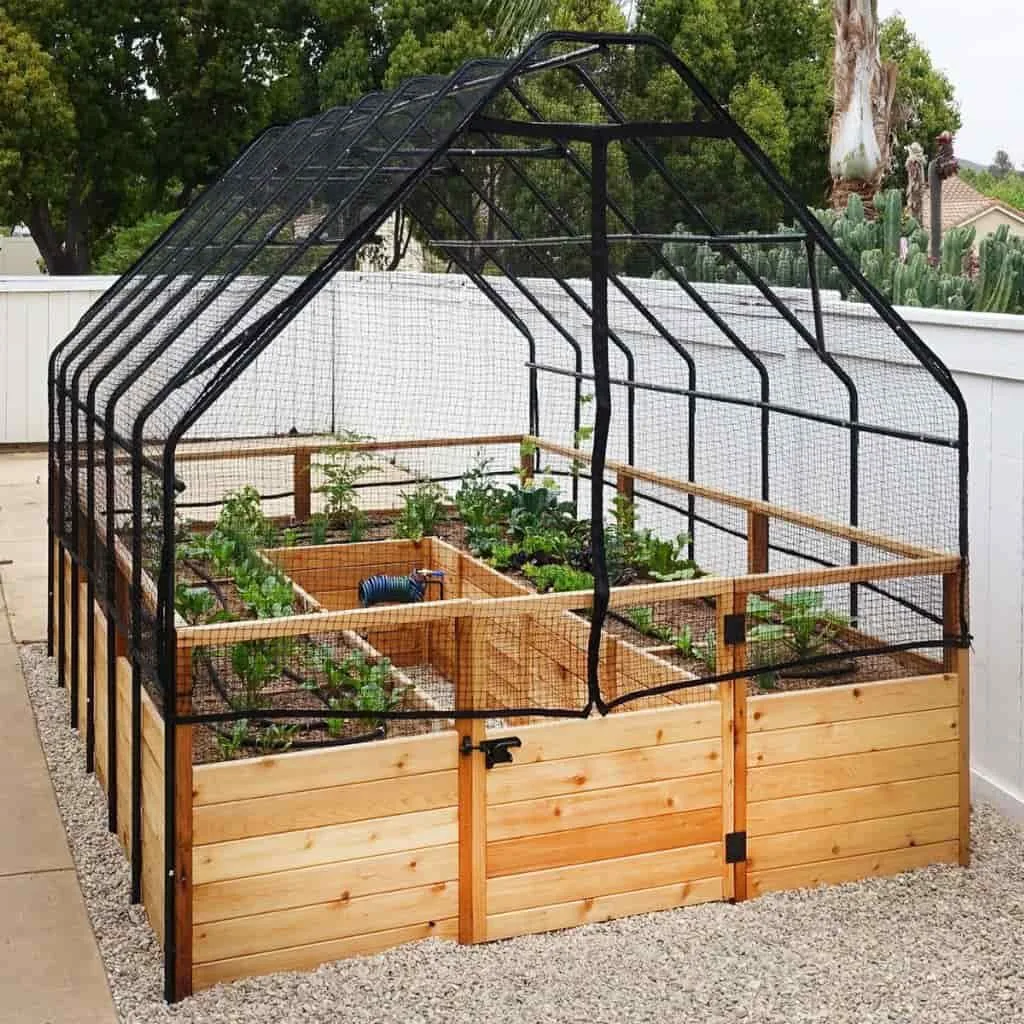
Quick Answer
To use garden netting effectively, match the mesh size to your specific pest first. Use 6mm mesh for insects, 19mm for birds, and 50mm for deer. Support the netting on hoops or a frame above the plants.
Peg every edge firmly to the ground. Remove netting during flowering so pollinators can reach your crops.
Why One Type of Garden Netting Won't Fix Every Problem
Garden netting isn't one product. It's a category that spans bird netting, insect exclusion mesh, deer fencing, frost protection netting, shade cloth, and pond netting. Each one is built for a different problem.
The mistake most gardeners make is treating them as interchangeable. Use a 19mm bird net on brassicas and cabbage white butterflies fly straight through. Use a 6mm insect mesh over flowering tomatoes and you've locked the bees out at the worst possible time.
The right approach runs on if/then logic. Ask first: what am I actually protecting against? That one question determines which mesh size to buy, which installation method to use, and when to put the netting up or take it down.
For organic growers, netting solves problems that no spray can match. A cabbage white butterfly lays its eggs before any visible damage appears. Netting stops the butterfly before it reaches the plant at all.
As of 2026, the Royal Horticultural Society ranks physical barrier netting among its top non-chemical pest controls for home vegetable and fruit gardens.
Choose Your Netting First: The Mesh Size Decision Tree
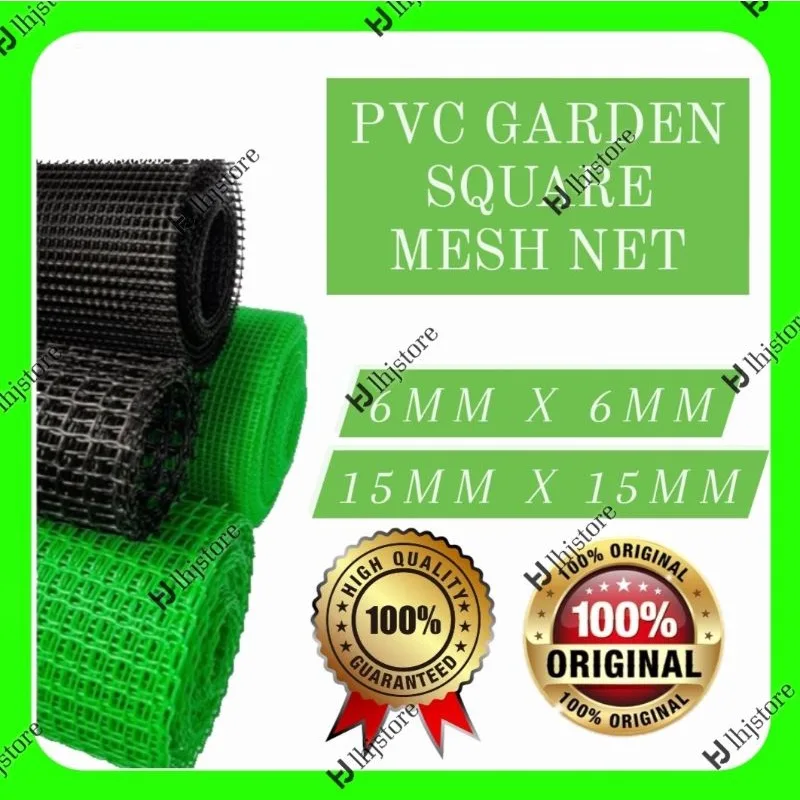
Mesh size is the variable that everything else depends on. Pick the wrong size and no amount of careful installation saves the crop.
| Mesh Size | Blocks | Best For |
|---|---|---|
| 6mm (1/4") | Insects, butterflies, carrot fly | Brassicas, carrots, alliums |
| 19mm (3/4") | Most birds | Soft fruit, peas, seedlings |
| 25mm (1") | Larger birds (pigeons, crows) | Fruit trees, pond perimeters |
| 50mm+ (2"+) | Deer, rabbits | Plot boundaries, raised beds |
Bird Netting
Bird netting runs at 19mm to 25mm mesh. Use it when pigeons, starlings, or crows are threatening peas, soft fruit, or freshly sown beds. Always buy knotless construction.
Knotted netting traps birds and hedgehogs, which is both a welfare problem and, in the UK, a legal issue under the Wildlife and Countryside Act 1981.
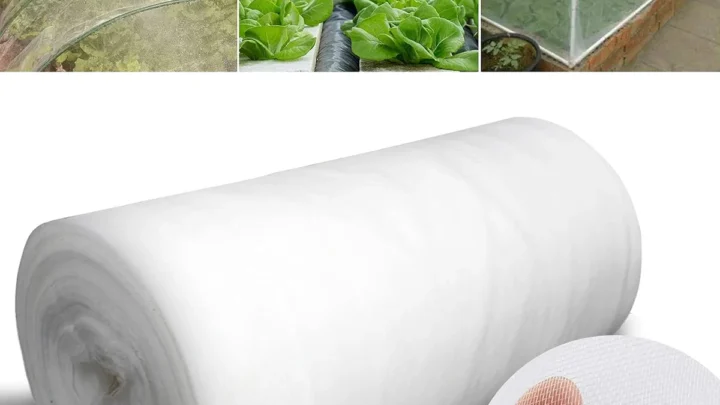
Insect Exclusion Netting
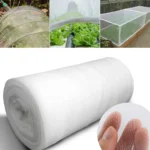
A 6mm insect mesh (sold as Enviromesh and similar brands in the UK) blocks cabbage white butterflies, carrot fly, cabbage root fly, and most aphid species. Timing matters more here than anywhere else. Install it before the pest's main flight season, not after you spot the damage.
Deer and Rabbit Netting
For deer, minimum height is 1.8m (6 feet) and the base must be firmly staked. Rabbits squeeze under any slack, so peg the bottom edge every 30cm or bury it slightly. This is perimeter fencing logic, not crop covering.
Frost, Shade, and Pond Netting
Frost protection netting at around 17 GSM gives roughly 2 to 3°C of protection. Shade cloth is rated by light blockage: 50% shade cloth cuts incoming light by half, useful for lettuces in summer heat. Pond netting sits flat across the water surface, anchored at all edges to prevent herons wading in from the bank.
How to Install Garden Netting: Matching the Method to the Crop
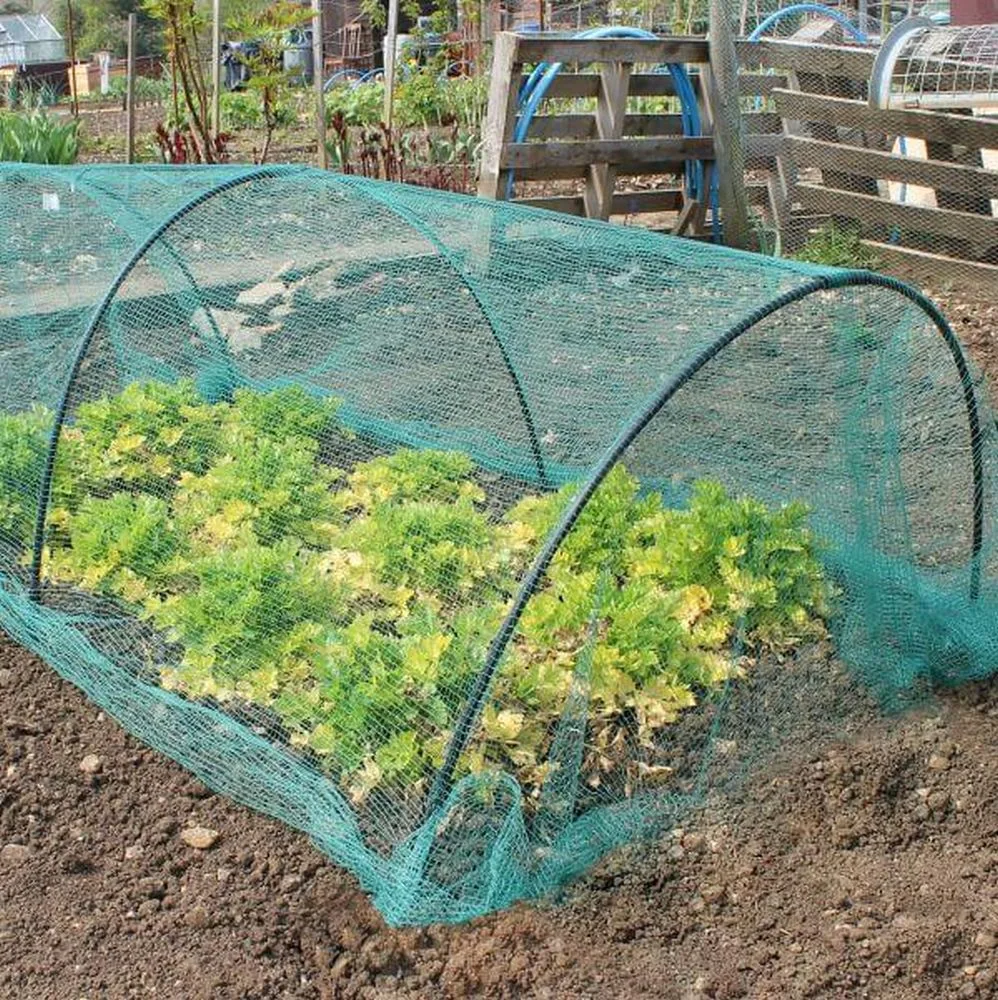
The biggest installation mistake is resting netting directly on your plants. Pests reach leaves through contact points, and the weight can damage soft stems. Always support the netting above the crop.
Hoop Tunnel
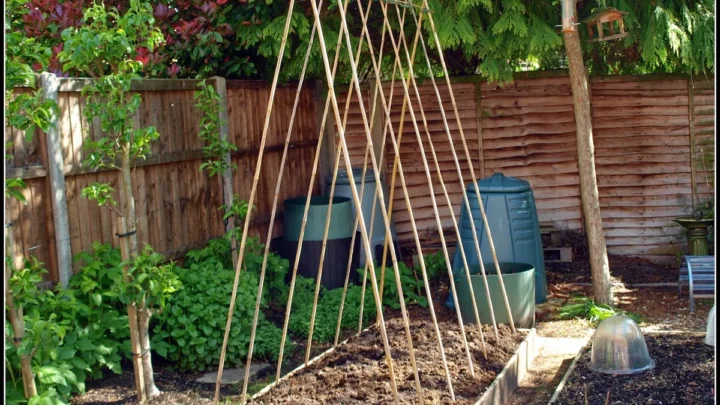
Push wire hoops or fibreglass rods into the soil every 90cm along the row. Drape the netting over the top, leaving a 30cm overhang on all sides. Peg every edge with U-pins or bury it in soil.
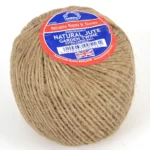
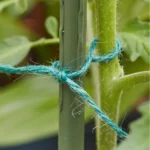
Cinch the netting loosely at the tunnel ends using natural plant cord rather than rigid clips that can abrade the mesh.
Flat Draping
Flat draping works for very low-growing crops and short-term frost protection. The netting must be light enough to float rather than press down on leaves. Secure every edge without exception, since any gap is enough for birds or butterflies to find their way in.
Rigid Frame or Soft Fruit Cage
Build or source a rigid frame for permanent soft fruit bushes. Net the sides and top as separate panels. Attach panel joins with biodegradable plant cord rather than plastic clips that crack and fail under UV exposure.
Perimeter Fence for Deer and Rabbits
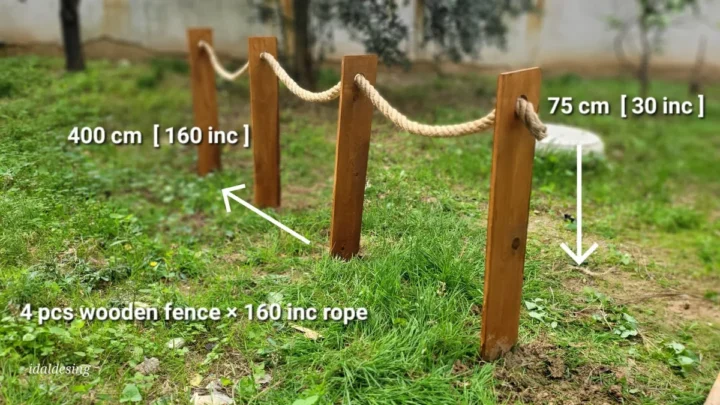
Drive stakes at 1.8 to 2.1m height every 2 to 3 metres. Tension the netting between them and peg the base firmly into the ground at close intervals. For rabbits, fold the bottom 15cm outward along the soil surface to stop them digging directly under the fence line.
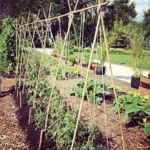
For climbing crops like beans or sweet peas trained through trellis netting, thread stems through the mesh early, before they're too thick to manoeuvre.
When to Put It Up and When to Take It Down
Timing is as important as mesh choice. Per the USDA's guidance on organic production, physical barriers only work when they're in place before the pest arrives, not after. Put netting up too late and the damage is already done.
Leave it up too long and you block pollinators when they're most needed.
Brassica insect mesh: Install at transplanting or sowing, before the cabbage white butterfly's first spring flight. In the UK, that means early April at the latest.
Bird netting over soft fruit: Put it up as fruit begins to colour. By the time strawberries are fully red, the birds have been watching for days.
Carrot fly protection: Install at sowing. The main flight windows are May to June and August to September. Have the netting in place before either window opens.
Frost protection netting: Install when overnight temperatures are forecast below 2°C. Remove it during the day when conditions allow, as heat buildup under fine mesh can stress plants.
Pond netting: Put it up in October before the main leaf fall. Remove it in spring once heron pressure eases and breeding frogs need open access to the water.
When guiding climbing crops through trellis netting, use soft plant ties and check them weekly during peak growth so they haven't tightened around expanding stems.
One practical rule: if you're wondering whether it's time to put the netting up, you're probably already a week late.
Mistakes That Let Pests Through Anyway
Most netting failures come from the same short list of errors.
Resting netting on the plants. Butterflies lay eggs through any contact point with flat-draped netting. Raise the netting above the crop without exception.
Leaving gaps at edges and corners. A single unclosed corner is an open invitation. Peg every edge down, overlap joining panels by at least 15cm, and check after any windy night.
Using the wrong mesh. Bird netting doesn't stop insects. Insect mesh doesn't deter deer. This single error wastes an entire growing season.
Leaving insect mesh up through flowering. Peas, beans, courgettes, and squash all need pollinators. Lift the edges on warm mornings when bees are active and resecure in the evening.
Buying netting that degrades mid-season. Choose UV-stabilised polypropylene rated for at least five years. Budget netting goes brittle and develops gaps before the season ends.
Poor storage. Netting left in a heap over winter comes out tangled and rodent-damaged. Rinse it, dry it fully, then roll it onto a cardboard tube. Store it alongside any plant support ties in a sealed, rodent-proof container.
Wildlife Safety Rules Most Gardeners Overlook
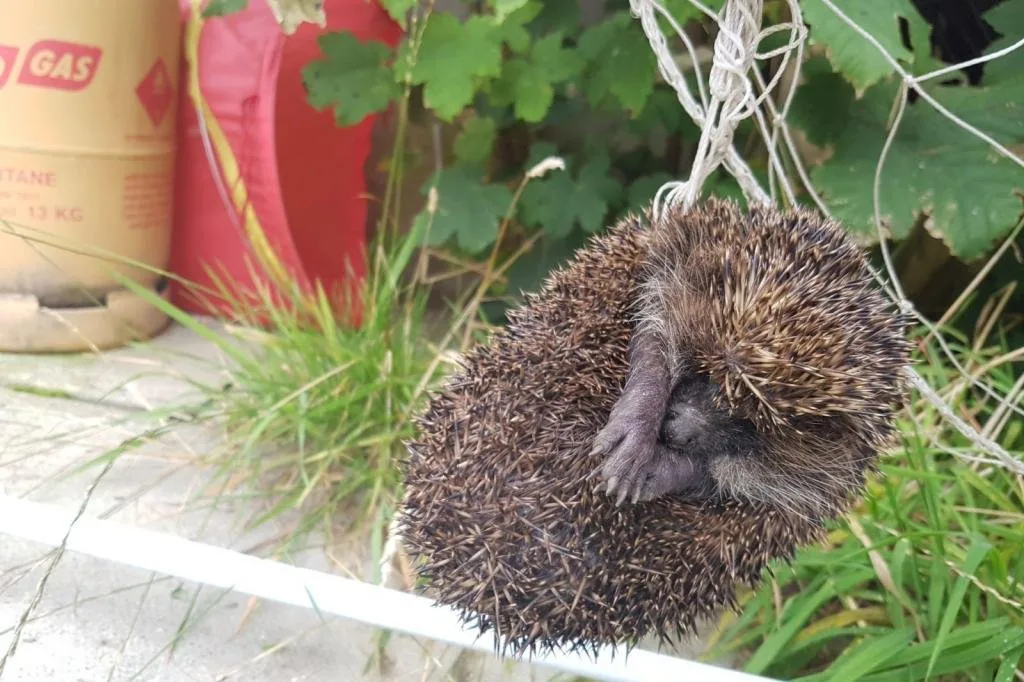
The wrong netting kills wildlife. Hedgehogs, slow worms, frogs, and toads regularly die entangled in knotted or monofilament netting left slack at ground level.
Always choose knotless, woven netting rather than knotted or monofilament designs. Knotless mesh has no loops for legs or snouts to catch on. It's the construction type recommended by both the People's Trust for Endangered Species (PTES) and the RSPB for garden use.
Keep netting at least 10 to 15cm above the soil surface at the edges. Hedgehogs travel at ground level. If the netting skirt lies slack on the ground, a hedgehog investigating the edge will push its head through and get stuck.
For pond netting, raise the edges off the water surface and secure them above ground. Use weather-resistant natural cord to tie the netting to bankside stakes rather than pegging it flat at water level. Frogs and toads need open pond access in spring to breed.
A tightly pegged net blocks them entirely.
In the UK, bats and their roosts are legally protected under the Wildlife and Countryside Act 1981. If you're netting near roof overhangs, old trees, or outbuildings, check for roost activity first. Netting that blocks a bat roost entrance is a criminal offence, regardless of intent.
If you find a hedgehog or bird caught in netting, cut the mesh rather than pulling the animal free. Then contact a local wildlife rescue centre immediately.
Frequently Asked Questions
How long does garden netting last?
Good quality UV-stabilised polypropylene netting lasts 5 to 10 years with proper care. Budget netting typically degrades within one to two seasons. The main enemies are UV breakdown, rodent damage in storage, and mechanical tearing from wind.
Rinse it, dry it fully, and store it indoors and it'll last considerably longer.
Can I leave garden netting on all year?
That depends on the crop. Bird netting on a permanent fruit cage can stay up year-round if it's knotless and edges are kept clear of the ground. Insect mesh over vegetable crops should come off during flowering to allow pollination, and be removed at harvest to avoid restricting plant growth unnecessarily.
What mesh size stops pigeons getting to my vegetables?
A 19mm (3/4-inch) mesh is the standard choice for wood pigeon exclusion. If you're also dealing with smaller birds like sparrows, step down to a 13mm mesh. For brassicas, use a 6mm insect mesh instead, since it blocks both pigeons and cabbage white butterflies.
Does garden netting block rain and sunlight?
Most bird and insect netting has minimal effect on rainfall. Water passes freely through the open mesh. Light depends on mesh density: standard bird netting blocks very little, while fine 6mm insect mesh reduces it slightly.
Shade cloth is the only type designed to restrict light, available in 30%, 50%, and 70% blockage ratings.
How do I stop birds getting trapped in my garden netting?
Buy knotless netting and keep all edges raised off the ground. Inspect the netting weekly for gaps or sagging. Birds typically enter through unclosed edges or corners, not through the mesh itself.
Closing every edge securely is more effective than switching netting type.

Similar Posts