Protect Brassicas From Cabbage White Butterflies
Founder & Lead Horticulturist at Gardener Expert · RHS Master of Horticulture, Certified Professional Horticulturist (CPH) · 16+ years in residential organic gardening, plant propagation, and structural plant training
Knowing how to protect brassicas from cabbage white butterfly is one of the most practical skills a vegetable grower can have. These butterflies are persistent and widespread. Left unchecked, their larvae can strip a kale or cabbage plant to the stem in under a week.
As of 2026, the Royal Horticultural Society records two species active across the UK. The small white (Pieris rapae) and the large white (Pieris brassicae) both fly from April through October, completing up to three generations. That long flight window means protection can't be a one-time fix.
The right method depends on where you are in the season.
Quick Answer
Protect brassicas from cabbage white butterfly using fine exclusion netting. Use a mesh aperture of 7mm or finer. Net before the first spring butterflies arrive.
If they're already flying, apply Bacillus thuringiensis var. kurstaki (Btk) spray. Check leaf undersides weekly for eggs and green larvae.
What Cabbage White Butterflies Actually Do to Your Brassicas
The damage isn't done by the butterfly itself. It's the caterpillars that cause the problem. Adult females of both species lay their eggs on brassica plants, triggering a feeding cycle that can escalate fast.
Pieris brassicae (the large white) lays eggs in clusters of 20 to 100 on leaf undersides. Its larvae feed in groups, which is why damage from this species tends to be explosive and concentrated. A single cluster can strip an outer cabbage leaf within days.
Pieris rapae (the small white) works differently. It lays eggs singly, scattered across multiple plants. The larvae are camouflaged pale green and burrow into the plant heart.
This makes them much harder to spot before they've caused real damage.
Both species complete two to three generations per year in the UK, with peak activity from April through October. In warmer US climates or Mediterranean regions, some seasons bring four to five generations. That makes protection a near-constant commitment from spring into autumn.
Unchecked feeding leads to defoliation. Leaves get stripped to the midrib, plants can't photosynthesise, and crops fail or produce misshapen heads. In a bad season, a bed of young transplants can look fine on Monday and be bare stalks by Friday.
How to Spot the Threat Before Your Crop Is Damaged
The earlier you catch this, the easier it is to manage. Weekly monitoring during the flight season is the habit that separates a healthy crop from a ruined one.
Identifying Eggs
Small white eggs are pale yellow, ribbed vertically, and about 1mm tall. They're laid singly on leaf undersides, easy to miss at a glance. Large white eggs are also pale yellow but come in clusters of 20 or more, making them much easier to spot.
Run your fingers along the underside of all outer leaves once a week from April onwards.
Identifying Larvae and Frass
Small white larvae are pale green with faint yellow side stripes: near-perfect camouflage against brassica foliage. Large white larvae are more obvious, with clear yellow and black banding. Both species produce frass (small dark pellets) that builds up on leaves and inside the plant heart.
Fresh frass is often your earliest warning that larvae are actively feeding.
Reading the Damage Pattern
Ragged holes through the leaf blade (not through the veins) are the classic indicator. Large white larvae attack from the outside in, so outer leaf damage is visible first. Small white larvae burrow into the heart, so you'll see a relatively intact exterior with significant internal damage.
If that's the pattern, peel back the inner leaves carefully before concluding the plant is clean.
Choosing the Right Protection Method for Your Situation
Your best move depends on where you are in the season and whether butterflies are already active. Use this as a quick decision guide before settling on any single approach.
| Situation | Best first action |
|---|---|
| About to transplant | Install exclusion netting immediately |
| Butterflies already flying | Btk spray and hand-pick larvae |
| Small patch, low butterfly pressure | Hand-pick eggs and larvae weekly |
| Any situation | Add companion plants as secondary support |
Before or at Transplanting Time: Exclusion Netting
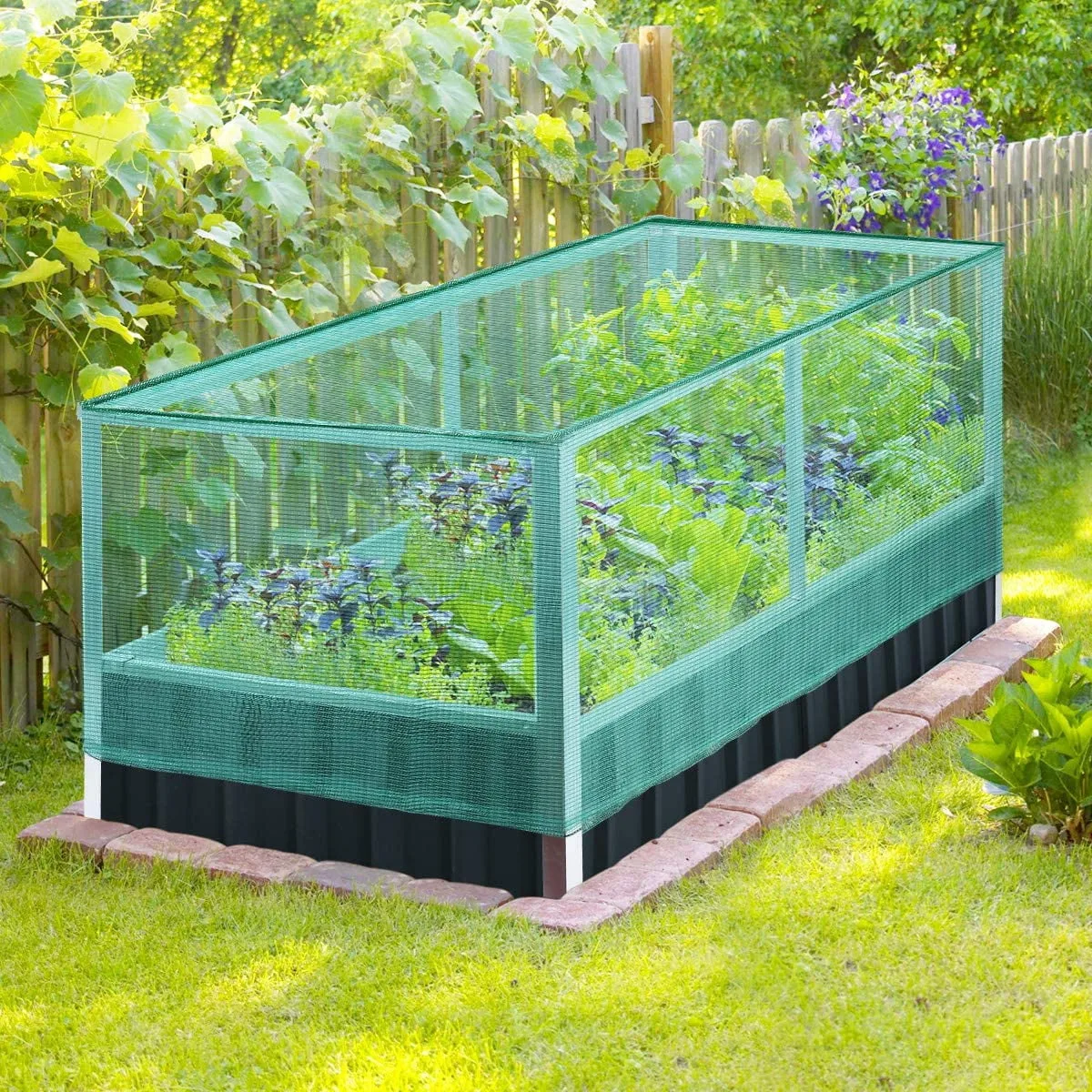
If you're about to transplant or have just put plants in the ground, netting is your strongest move. Physical exclusion stops egg-laying entirely, which means no larvae and no crop damage. No other method matches it for reliability.
Make netting your first priority whenever timing allows.
Butterflies Already Flying: Btk Spray
If you've already seen adult butterflies around your brassicas, they've likely been laying. Bacillus thuringiensis var. kurstaki (Btk) is a naturally occurring soil bacterium approved for organic growing. It disrupts the gut lining of caterpillars when they eat treated foliage, killing them within a few days. It doesn't harm bees, birds, or beneficial insects.
Low-Pressure Seasons or Small Patches: Hand-Picking
For a small plot or a season with low butterfly numbers, hand-picking works well if you stay consistent. Pick larvae into a bucket of soapy water and crush or remove egg clusters on contact. Do this at least twice a week during peak season.
It's effective as a supplementary action but won't keep up with heavy pressure alone.
Supporting Any Method: Companion Planting
Companion plants don't stop cabbage whites outright, but they reduce your plot's attractiveness to egg-laying females and draw in natural predators like parasitic wasps. French marigolds, nasturtiums, and alliums (chives, garlic, onions) are the most reliable options. Nasturtiums also work as a sacrificial trap crop, pulling butterflies away from your brassicas.
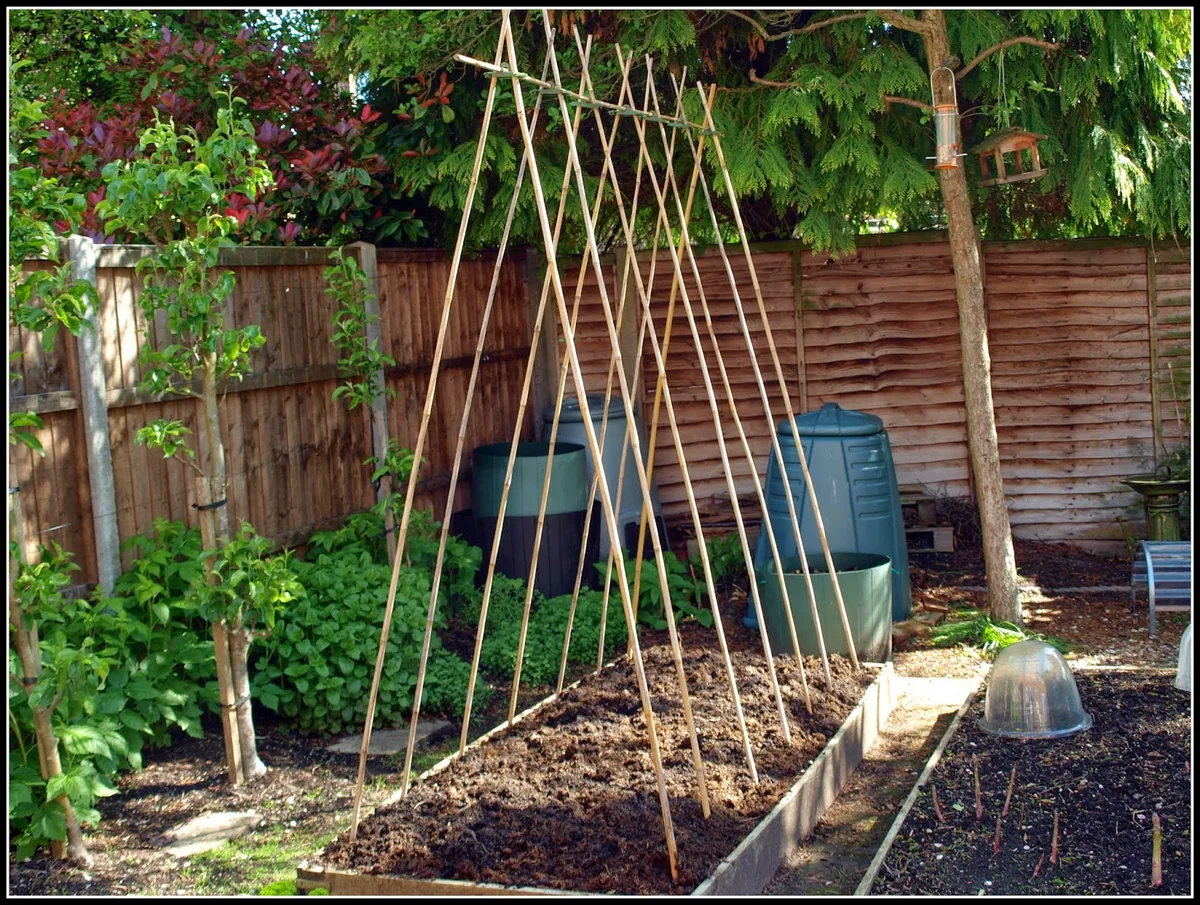
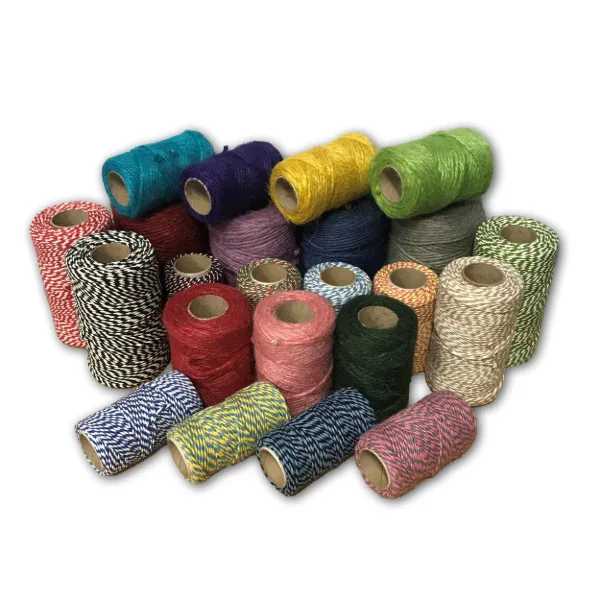
Use natural plant cord to tie taller companions to canes so they stay upright all season.
How to Install Exclusion Netting So It Actually Works
Netting only works when it's installed without gaps. Gaps are where every protection plan falls apart.
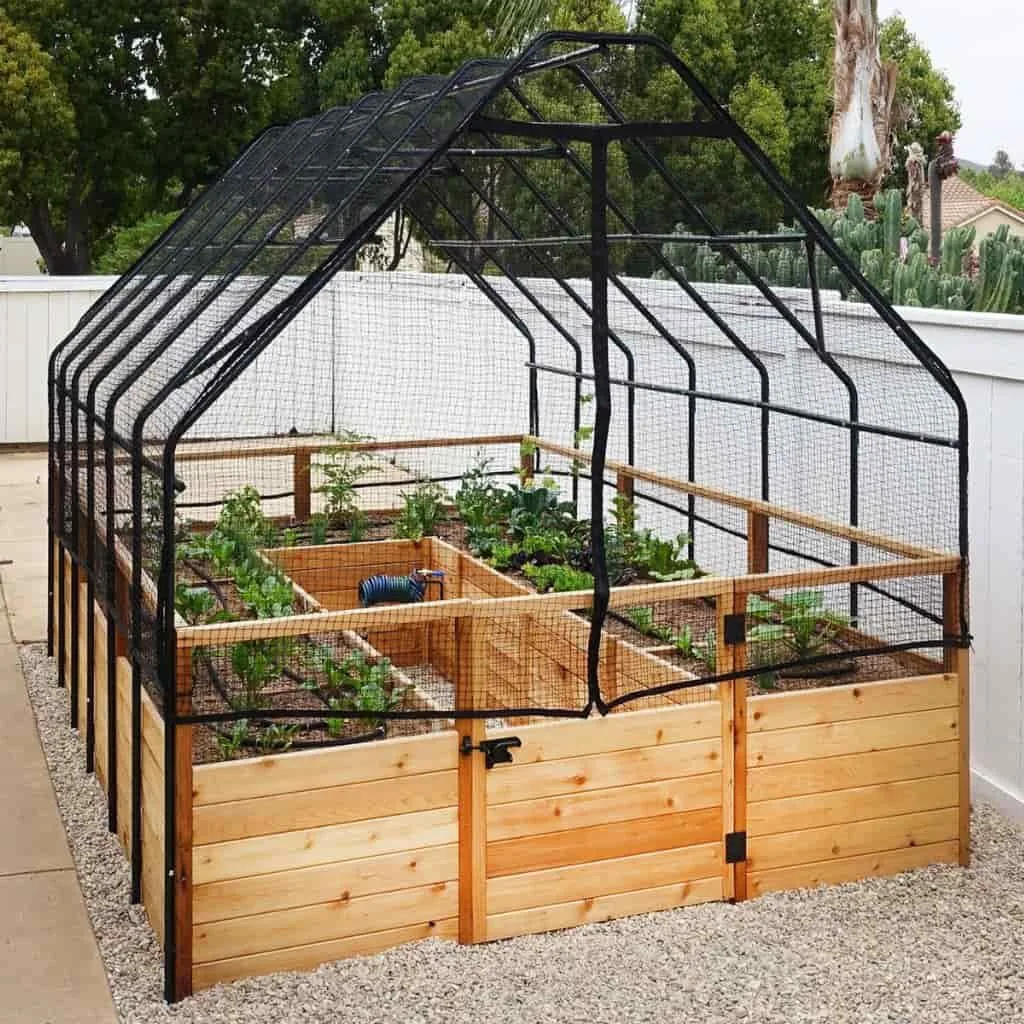
- Set up hoops or a frame before transplanting. Wire hoops, bamboo arches, or a PVC tunnel all work. The net must sit clear of the leaves, not rest on them.
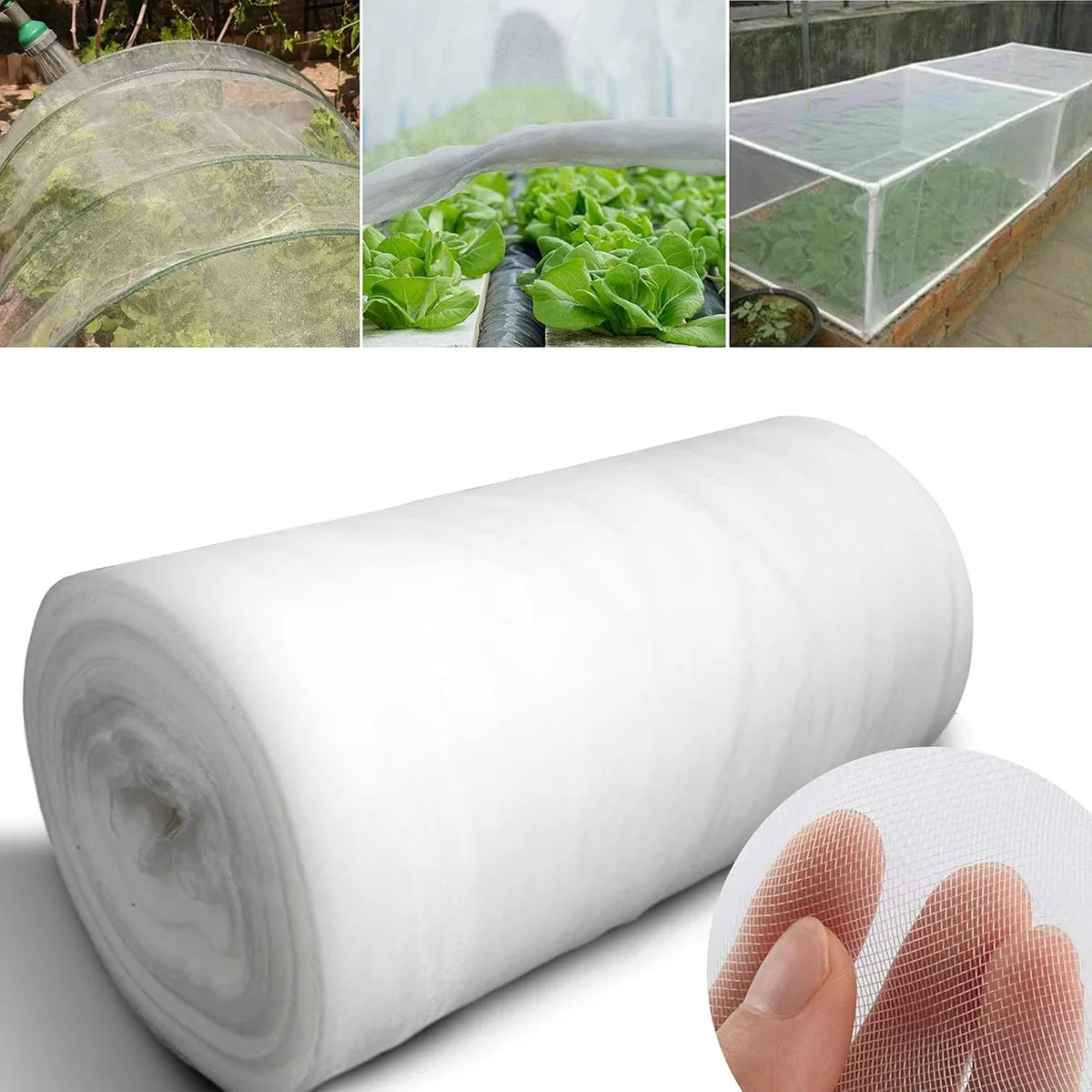
- Choose the right mesh. Use 7mm aperture or finer to exclude adult butterflies. A finer 1.3mm mesh will also block aphids and whitefly.
- Drape the net with generous overhang. Leave at least 30cm of excess netting on every side.
- Anchor every edge firmly to the ground. Soil staples, heavy stones, or sandbags all work. A gap the width of a thumb is enough for a butterfly to squeeze through.
- Check anchors after wind or heavy rain. Edges lift easily, and butterflies find openings fast.
For tying frame sections together, biodegradable hemp twine is a practical choice that won't damage netting material. If your hoop frames are heavier, strong natural plant cord gives a more secure hold at the joints. Durable jute cord handles the trickiest anchor points without cutting into the frame.
Net on transplanting day or the day before. Every day without it is an open window for egg-laying.
When You're Past the Netting Window: Btk and Recovery Steps
Finding larvae already feeding doesn't mean the crop is lost. Work through these steps to get things back under control.
Step 1: Hand-pick first. Remove any visible larvae before you spray anything. This immediately reduces the feeding load and makes your Btk application more effective.
Step 2: Apply Btk to full leaf coverage. Focus on leaf undersides, where larvae spend most of their time. Btk only works when caterpillars ingest it, so thorough coverage matters. Per USDA guidance on biological pest management, Btk degrades within 3 to 7 days in UV light.
Reapply after rain and on a 5 to 7 day cycle during an active infestation.
Step 3: Check the plant heart. If small white larvae are involved, they'll be burrowed into the inner leaves. Remove and destroy those leaves rather than composting them.
Step 4: Net after treatment. Once you've knocked the population back, install netting to stop new adults from laying. Use plant-safe jute ties to secure frame sections without putting pressure on stems.
Most brassicas recover well from moderate defoliation if the growing tip is intact. Give them a balanced feed and keep them well-watered while they regrow.
Mistakes That Give Cabbage Whites the Upper Hand
The most common mistake is delaying netting. If you wait until you've seen adult butterflies near your plants, they've likely been laying for several days. The net goes on at transplanting time, not when the problem becomes visible.
The second most costly error is a poorly anchored edge. A corner lifted by wind or an unsecured side is all a butterfly needs to get in.
Many growers assume "close enough" is fine. It isn't. Check the perimeter every week during the flight season.
Relying on companion planting as a standalone defence is a frequent trap. French marigolds and nasturtiums reduce pressure, but they won't hold the line in a high-butterfly year. They're support measures, not substitutes for netting or Btk.
Watch for these traps too:
- Checking only the top of leaves. Eggs and larvae live on the underside. Scanning from above means missing the problem at its earliest stage.
- Not reapplying Btk after rain. Btk washes off. An application that gets rained on within 24 hours achieves very little.
- Netting over plants that already have eggs inside. If butterflies were active on your crop before you netted, inspect thoroughly first. You could seal caterpillars in alongside your brassicas.
- Composting infested leaves. Larvae inside removed leaves can still pupate. Destroy infested material rather than recycling it.
If you lift the netting to weed or feed, re-seal every edge before walking away. An open net left unattended for even an hour can mean a fresh round of egg-laying.
Frequently Asked Questions
What mesh size do I need to keep cabbage white butterflies out?
Use a mesh aperture of 7mm or finer. This size excludes adult Pieris rapae and Pieris brassicae butterflies while still allowing good airflow. If you also want to block aphids, whitefly, and other small insects, a finer 1.3mm insect mesh is the better choice.
When should I start protecting my brassicas from cabbage white butterfly?
Start as soon as you transplant, ideally in March or April before the first spring butterflies appear. In the UK, both white butterfly species typically emerge from overwintering pupae from late March onwards. Getting your netting in place before their first flight is the most effective timing.
Is Btk spray safe to use on edible brassicas?
Yes. Bacillus thuringiensis var. kurstaki (Btk) is approved for use on edible crops and listed for organic production. It breaks down in sunlight within days and leaves no harmful residue. Always follow the product label for timing, application rate, and pre-harvest intervals.
Will companion planting alone protect my brassicas?
No, companion planting alone is not sufficient under moderate to heavy butterfly pressure. Research and aggregate grower feedback consistently show that physical exclusion via netting is the only reliably effective standalone method. Use companions like nasturtiums and French marigolds as supporting measures alongside netting or Btk.
What should I do if I find caterpillars inside my netting?
Remove them by hand immediately and inspect every leaf for eggs or additional larvae. Then check the entire net perimeter for gaps, lifted edges, or tears. If you haven't already applied Btk, do so now to catch any larvae you may have missed.
Similar Posts