Garden Netting Mesh Sizes: A Complete Guide
Founder & Lead Horticulturist at Gardener Expert · RHS Master of Horticulture, Certified Professional Horticulturist (CPH) · 16+ years in residential organic gardening, plant propagation, and structural plant training
Garden netting mesh sizes explained means one thing in practice: the aperture, or hole size, measured in millimetres. Pick the wrong size and your pest walks straight through, regardless of how heavy-duty the netting looks. A cabbage white butterfly passes comfortably through 7mm bird netting.
That leaves your brassicas covered but completely unprotected.
The aperture is the single number that determines whether netting does its job. As of 2026, available mesh runs from 0.4mm ultra-fine insect mesh up to 50mm deer-exclusion netting. Identifying your pest is always the first step.
Everything else follows from there.
Quick Answer
Garden netting mesh sizes come down to one number: the aperture in millimetres. Use 0.4mm to 0.8mm for aphids, carrot fly, and thrips. Use 1.35mm for cabbage white butterflies and leek moth.
Use 4mm to 7mm for birds and pigeons. Use 19mm or larger for rabbits and deer.
Why Mesh Size Is the Only Netting Decision That Actually Matters
Netting labels push colour, material, and UV rating. Those details matter for durability. They don't determine whether the netting keeps pests out.
The mechanism is simple. If the hole is bigger than the pest, the pest passes through. No weight, no UV grade, and no premium weave changes that basic fact.
The confusion usually comes from buying by product name rather than by measurement. Two products both labelled "insect mesh" can have different apertures. Only one might stop your specific pest.
Getting it wrong costs more than the pest damage itself. A season with the wrong mesh means replanting, lost yield, or pesticides you were trying to avoid.
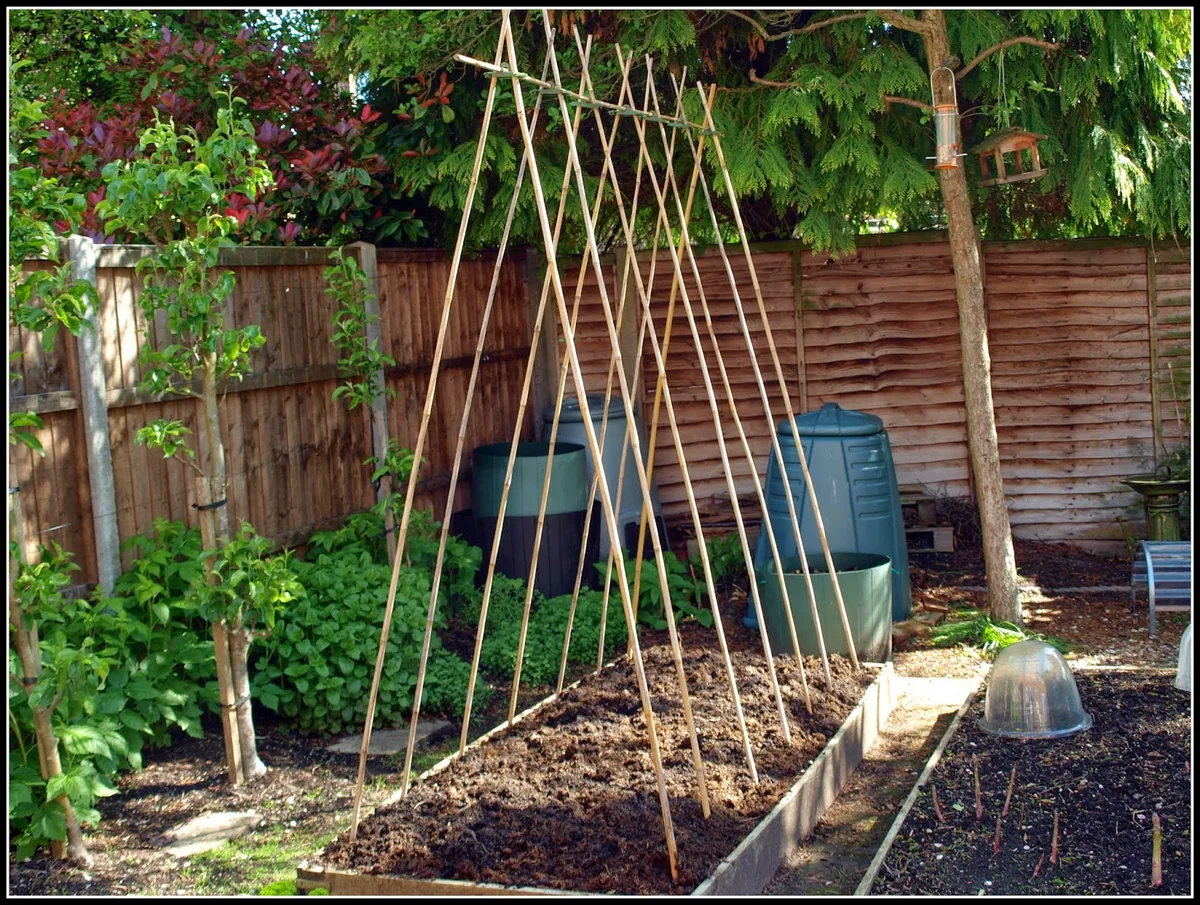
Most garden retailers organise netting by application (bird, insect, deer) rather than by aperture. That's a useful starting point, but it leads shoppers toward category buying when measurement is what actually matters. If you're training climbing vegetables on cane frames before adding netting, get the aperture confirmed first.
The support structure is secondary.
Mesh Aperture Explained: What the Numbers Mean and How to Read Them
Aperture is the measured width of a single hole in the netting, taken from one strand edge to the opposite. It's listed in millimetres. A 0.8mm mesh has holes just under one millimetre wide.
A 7mm mesh has holes roughly the width of a pencil tip.
Netting labels typically show three figures: aperture, GSM (grams per square metre), and mesh pattern. GSM is a durability indicator. Mesh pattern describes the hole shape.
Only the aperture tells you whether the mesh can physically stop your pest.
Diamond mesh has more stretch and sits softer against plant stems if it sags. Square mesh holds its shape better under tension, which suits permanent fruit cage frames. For pest exclusion, both work equally well as long as the aperture is right.
One thing to watch: some manufacturers state aperture as a diagonal measurement rather than a width, particularly on diamond mesh. The diagonal is always larger than the width. For fine insect mesh where 0.2mm makes a real difference, always confirm which dimension the product specifies.
Plant-safe natural ties work well on hoop joints and cane frames that hold mesh clear of the crop canopy.
Identify Your Pest First: Everything Else Follows From There
The whole decision hangs on one starting point: knowing what you're protecting against. Get this right and the aperture choice becomes almost automatic.
Start with the damage pattern. Ragged holes in brassica leaves usually mean caterpillars. Silvery leaf streaks suggest thrips.
Tunnelled carrot tops indicate carrot fly larvae. Each symptom narrows the pest, and the pest determines the aperture.
Here's a quick reference for common garden pests and the aperture needed to exclude them:
| Pest | Profile | Required aperture |
|---|---|---|
| Thrips | Under 0.5mm body | 0.4mm or finer |
| Carrot fly | 2mm body, low-flight | 0.45mm to 0.8mm |
| Aphid | 1mm to 3mm | 0.8mm or finer |
| Flea beetle | 2mm to 3mm | 0.8mm |
| Cabbage white butterfly | Large wingspan, folds small | 1.35mm |
| Leek moth | Small slender body | 1.35mm to 2mm |
| Pigeon or sparrow | 20mm to 30mm body | 4mm to 6mm |
| Rabbit | 80mm+ | 19mm to 25mm |
| Deer | Large body and leg clearance | 50mm physical barrier |
One practical nuance: carrot fly travels within 45 to 60cm of the soil surface. A 0.8mm mesh works, but only if the barrier reaches ground level with no gaps and stands at least 60cm tall to intercept that low flight path.
Mesh Size by Pest: The Decision Tree
Match your identified pest to the aperture range below. Each section covers the practical mesh size for that pest group and the key installation point that makes it work.

0.4mm to 0.8mm: Carrot Fly, Aphids, Thrips, and Flea Beetles
This is the finest practical range for outdoor pest exclusion. The RHS recommends insect-proof mesh with an aperture of 0.8mm or finer for reliable aphid exclusion on vegetable crops. Carrot fly sits in the same bracket, with the added requirement that mesh reaches ground level with no gaps.
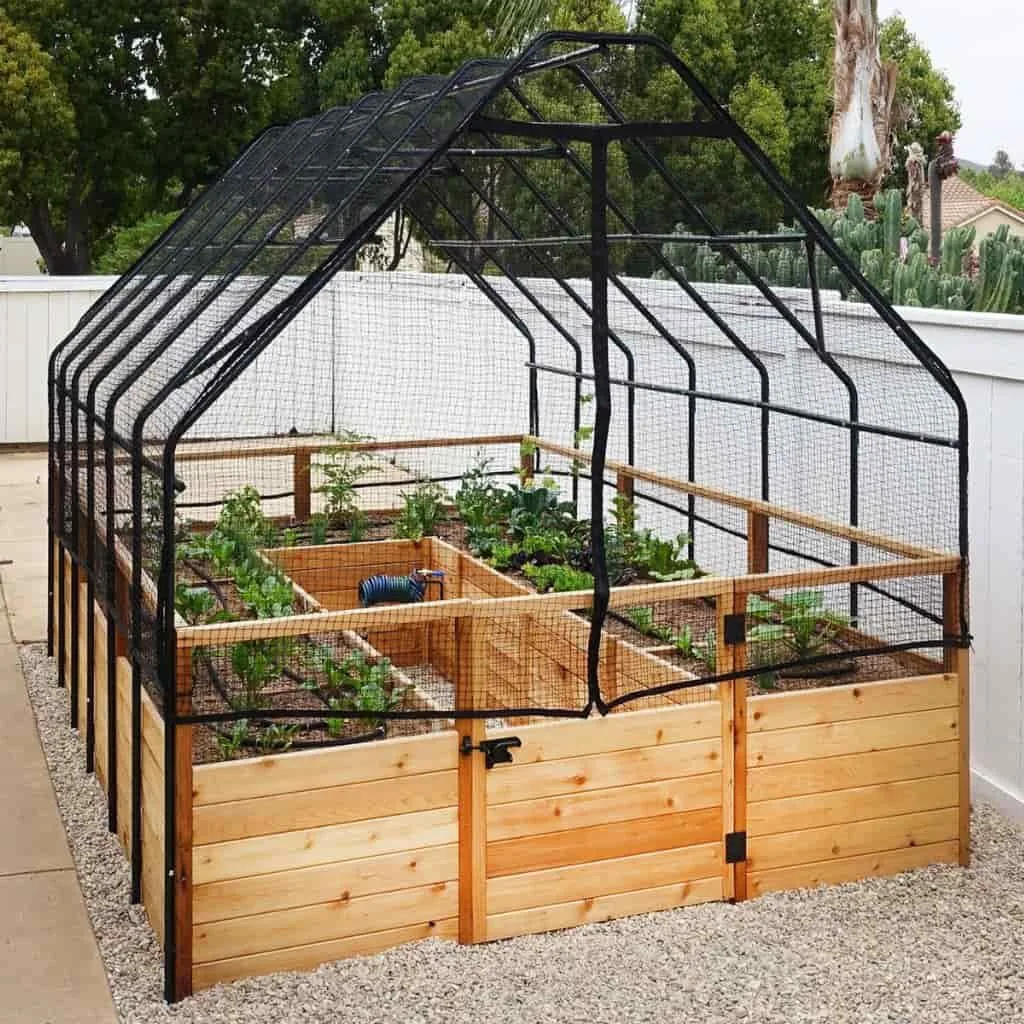
Mesh this fine restricts airflow, so always keep it elevated on hoops or a rigid frame.
1.35mm to 2mm: Cabbage White Butterfly and Leek Moth
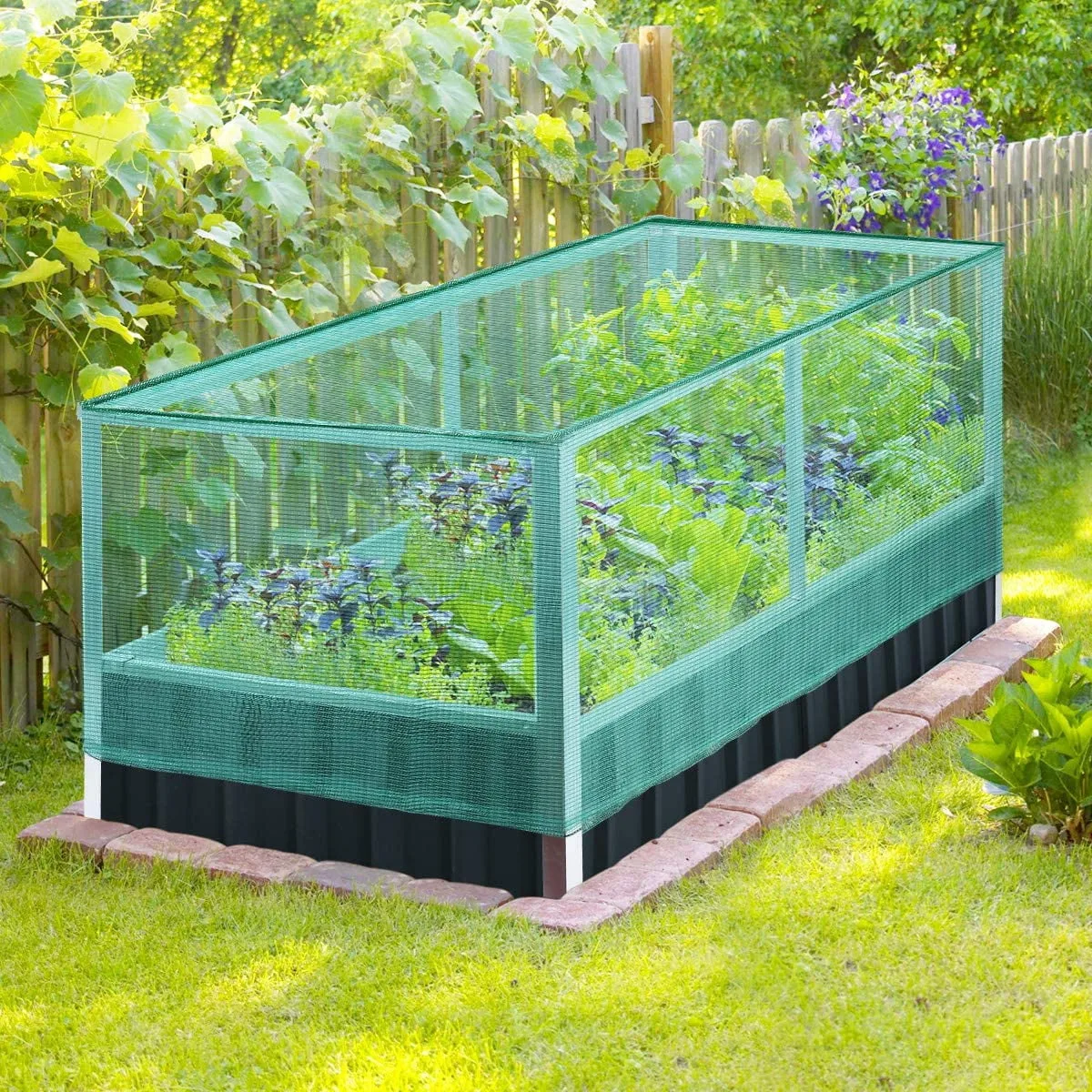
Butterfly netting at 1.35mm is the standard for brassica protection across UK kitchen gardens and allotments. It's light enough to drape over hoops without flattening plants, allows reasonable airflow, and stops adult butterflies and moths before they reach leaves to lay eggs. For permanent brassica cage frames, firm ties at hoop joints keep the structure rigid and the mesh taut.
4mm to 7mm: Pigeons, Sparrows, and Soft Fruit Birds
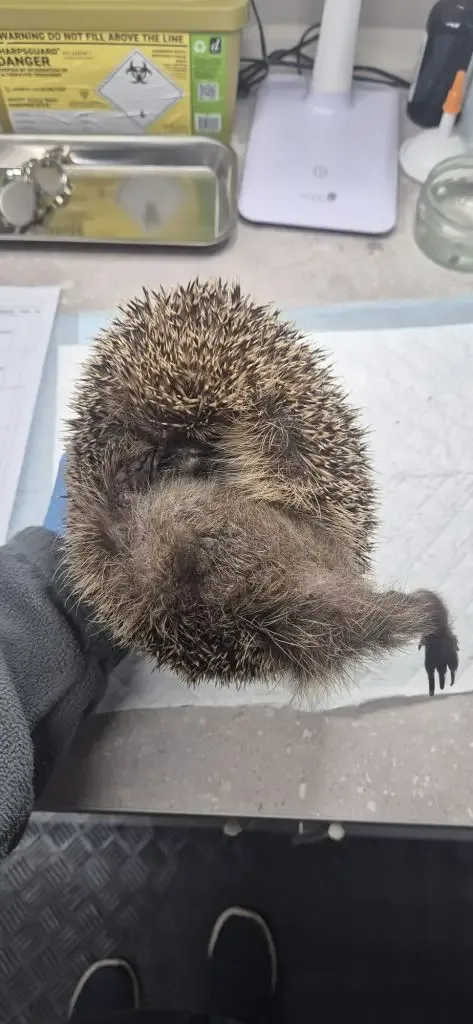
Standard bird netting in this range covers most soft fruit and vegetable scenarios involving birds. The RSPB advises using taut netting with no loose loops, since slack mesh is a documented entanglement risk for birds and hedgehogs. Their wildlife safety guidance covers installation best practice in detail.
Peg or bury all edges so birds can't enter from underneath.
19mm to 50mm+: Rabbits, Squirrels, and Deer
Rabbit exclusion uses 19mm to 25mm galvanised wire mesh, buried at least 15cm into the soil and angled outward underground to prevent burrowing. Deer exclusion requires a physical barrier of 1.8m to 2m in height with 50mm aperture wire or plastic deer netting. These are structural installations, not seasonal draping.
Pollination Access, Ventilation, and Other Variables That Change the Calculation
Once you've matched aperture to pest, three other factors can affect which mesh is right for your setup.
Does Your Crop Need Pollinators?
Fine insect mesh blocks bees completely. If you're growing courgettes, squash, or climbing beans outdoors, you'll need to remove the mesh during flowering or hand-pollinate. Tomatoes and peppers are largely self-fertile, so fine mesh is less disruptive for those.
Strawberries and raspberries need pollinator access for a decent yield.
Will Ventilation Become a Problem?
Ultra-fine mesh at 0.4mm to 0.8mm noticeably reduces airflow. In a warm, sheltered spot, that creates elevated humidity, which encourages botrytis and powdery mildew. If ventilation matters, check whether a coarser aperture still excludes your pest.
For brassica protection, 1.35mm provides both butterfly exclusion and adequate airflow, making it the practical default for most kitchen gardens.
How Long Do You Need Protection?
Short-term protection during seedling establishment (four to six weeks) suits any lightweight mesh. For multi-season use, prioritise UV stabilisation and GSM weight. Store the mesh dry, loosely rolled, and away from direct sunlight to maximise its lifespan.
Securing hoop bases to the soil edge with natural jute ties reduces the gaps where pests find their way underneath the mesh.
Mistakes That Let Pests Through Even With the Right Mesh
The most common reason correctly-sized netting fails isn't the aperture. It's the installation.
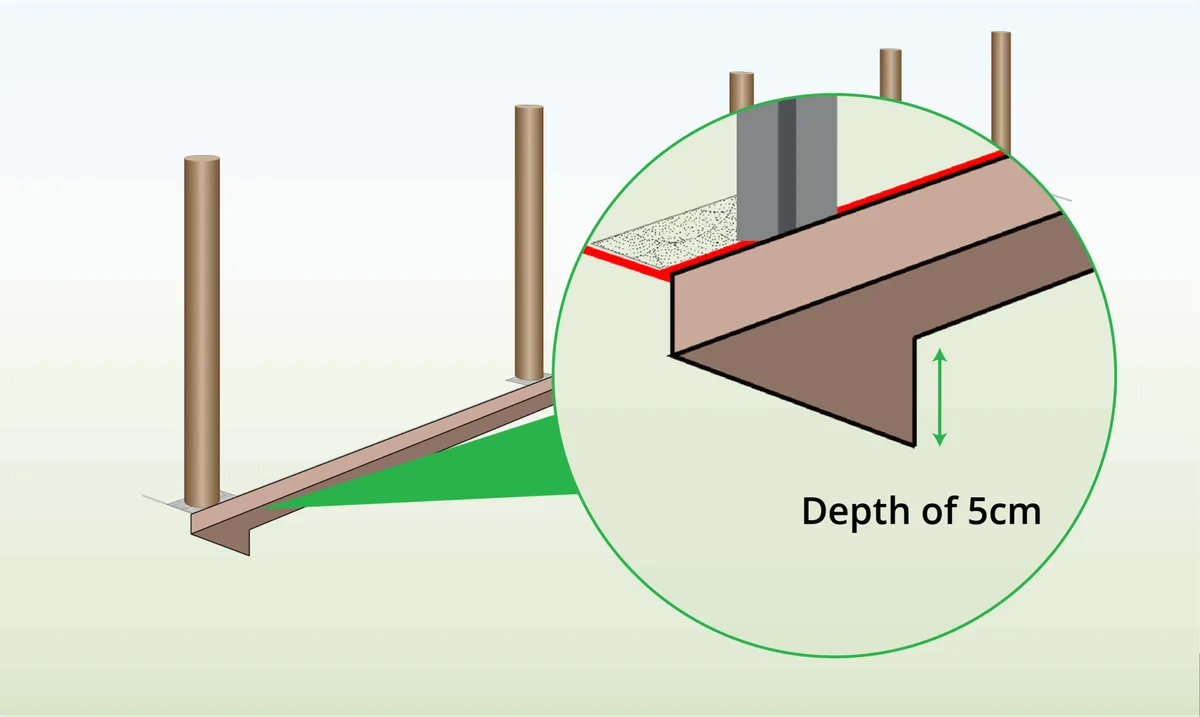
Gaps at ground level are the number one culprit. Carrot fly and cabbage white butterflies find exposed edges fast. If the mesh isn't pegged firmly into the soil or buried 5cm down along the base, pests get underneath.
Installing too late is the second major mistake. If butterflies have already visited your brassicas before the netting goes on, you're trapping the problem inside. Netting should go up at the start of the pest's active season, not after you spot the first damage.
Mesh resting on the plant canopy causes problems of its own. Caterpillars and aphids can feed through netting that touches leaves directly. That contact also traps moisture against the foliage, which encourages fungal disease.
Use hoops, canes, or a frame secured with sturdy natural twine to keep mesh elevated above the crop.
Old or UV-degraded netting develops micro-tears that aren't always visible. Inspect your mesh before each season and replace sections that feel brittle or show holes. Storing it dry and loosely rolled adds years to its useful life.
One final point worth making explicit: 1.35mm butterfly mesh does not stop aphids. Aphids need 0.8mm or finer. If you're protecting brassicas from both threats, you need to account for each pest separately.
Frequently Asked Questions
What mesh size keeps cabbage white butterflies out?
A 1.35mm aperture is the standard for cabbage white butterfly exclusion. At that size, adult butterflies can't pass through to lay eggs on brassica leaves. It's the most widely used insect mesh in UK kitchen gardens for protecting cabbages, broccoli, kale, and cauliflower through the main growing season.
Can I use bird netting to protect vegetables from insects?
No. Standard bird netting has a 7mm aperture, and insects pass through it easily. For insect exclusion you need dedicated insect mesh with an aperture of 0.8mm to 1.35mm depending on the pest.
Using bird netting for insect protection is the most common netting mistake in the vegetable garden.
How fine does netting need to be for carrot fly?
Carrot fly exclusion requires a mesh aperture of 0.8mm or finer, ideally in the 0.45mm to 0.8mm range. Barrier height matters just as much: carrot fly travels within 60cm of the soil surface, so the mesh must reach ground level with no gaps and stand at least 60cm tall.
What is the difference between insect mesh and garden fleece?
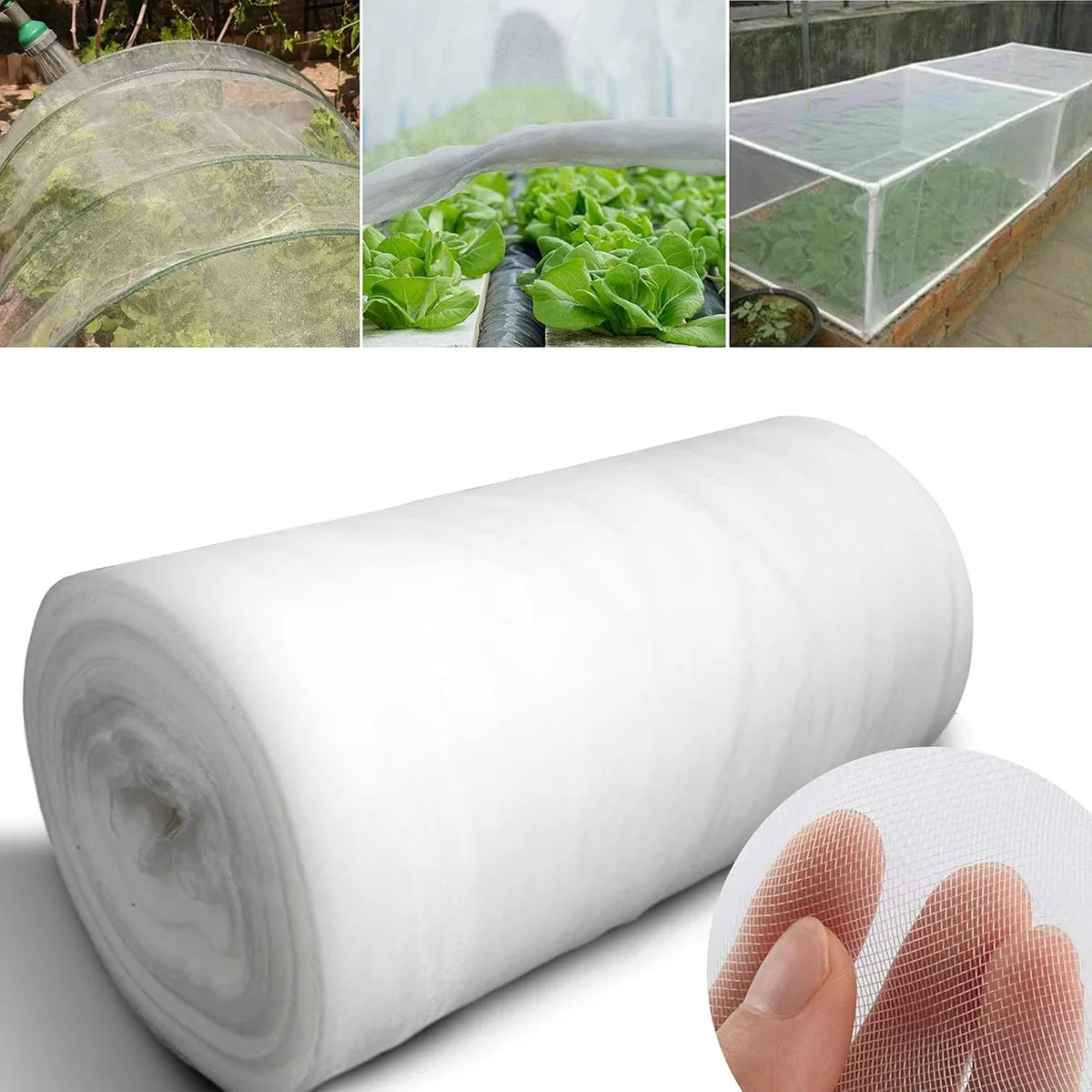
Insect mesh is a structured net with a fixed aperture that blocks specific pests by size. Garden fleece is a spun fibre fabric used mainly for frost protection. It offers some insect deterrence but isn't a reliable pest barrier.
Use insect mesh for pest exclusion and fleece for temperature management.
How long does garden netting last?
A UV-stabilised polypropylene or polyethylene mesh typically lasts three to five years when stored correctly. Keep it dry, loosely rolled, and away from prolonged direct sunlight between seasons. Non-UV-treated mesh can degrade after a single season in exposed outdoor conditions.
Similar Posts