Best Garden Rope for Rustic Fencing: A Practical Guide

Figuring out what garden rope to use for rustic fencing sounds like a simple trip to the garden centre. It rarely is. Pick the wrong material and you're looking at a sagging, mouldy mess by October.
The good news is there are only a handful of natural fibres worth considering, and each has a clear sweet spot.
Natural fibre ropes vary enormously in how they handle rain, UV, and cold. As of 2026, manila rope remains the most widely used choice for outdoor rope fencing, with an untreated lifespan of two to five years in temperate garden conditions. What follows breaks down every option so you can choose once and get it right.
The Short Answer: Which Rope Actually Works for Rustic Fencing
Manila rope is the best general-purpose choice for rustic fencing. It ages beautifully, holds knots well, and lasts two to five years outdoors. Sisal is a close second for drier gardens.
Avoid jute outdoors. It rots within a single wet season. For coastal or consistently wet gardens, tarred manila or coir handles moisture best.
Why Rope Choice Makes or Breaks an Outdoor Fence
Most gardeners assume any natural rope will do. That assumption costs them a fence before the first winter is out.
Jute looks convincing at the garden centre. It's cheap, earthy-toned, and widely stocked. But untreated jute is essentially a sponge.
Aggregate reviews from verified buyers consistently report visible rot and fibre breakdown within three to six months in wet UK or Pacific Northwest conditions. Once the fibres go, the rope loses tension and the fence sags.
Rope shrinkage is another issue people rarely expect. Natural fibres absorb moisture and contract when wet. A tightly strung sisal fence in August can pull timber posts inward by spring.
This happens when repeated wet cycles swell the fibres with no slack to absorb the movement.
UV exposure causes a different failure. Hemp and sisal bleach and grow brittle over multiple summers if left untreated. The fibres don't just lose colour.
They lose tensile strength and begin fraying from the surface inward.
Getting the rope right from the start determines how long the fence holds its shape and how often you're out there replacing it.
The Main Contenders: Manila, Sisal, Hemp, Coir, and Jute

These five natural fibres cover the full range of options for rustic garden fencing. Each behaves differently outdoors, and the distinctions matter before you spend anything.
Manila Rope
Manila comes from the abaca plant, native to the Philippines, and has a long track record as the working rope of choice in wet maritime environments. That heritage carries into garden use. Manufacturer specifications confirm tensile strength of around 1,000 to 1,400 kg for a 12mm three-strand manila rope.
Outdoors and untreated, it lasts two to five years in typical temperate conditions.
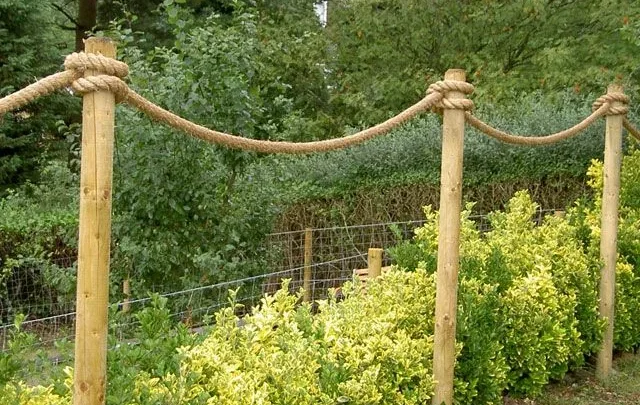
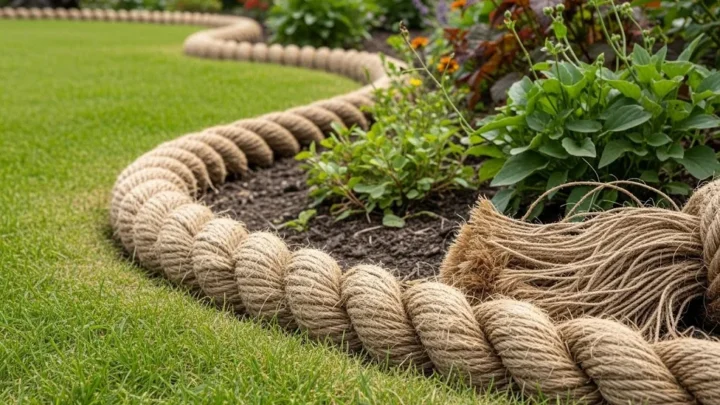
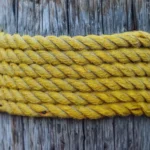
Tarred manila, pre-treated with a tar-based preservative, pushes that lifespan to seven or more years. The colour is a warm honey-brown that weathers into a grey-tan patina over time. That aged look is exactly what rustic fencing is going for, and it arrives without any effort on your part.
Sisal Rope
Sisal is made from agave leaf fibres and holds up better than jute outdoors, though not as long as manila. Expect one to three years in a wet climate, and longer in a sheltered or drier garden.
It's slightly stiffer than manila, which makes tight knotting around posts a little more effort. The off-white to golden colour looks striking against dark timber like oak or larch. Aggregate reviews suggest sisal is the most popular choice among UK cottage garden designers for precisely that visual reason.
Hemp Rope
Hemp is durable, naturally rot-resistant, and sustainably sourced. If you're running natural cordage near food crops or working in an eco-conscious garden, hemp is a strong candidate. For structural fence rope, untreated hemp lasts roughly two to four years depending on climate and diameter.
Hemp fibres are flexible and knot cleanly. They won't cut into your hands the way coarser fibres do during a long installation session.
Coir Rope
Coir is made from coconut husk fibres and is the moisture-tolerant outlier of this group. It's coarser and visually rougher than the other options, but it genuinely tolerates sustained damp better than sisal, hemp, or untreated manila.
In consistently wet gardens or coastal settings, coir's expected outdoor lifespan of three to five years puts it ahead of most alternatives. Wear gloves during installation. The surface texture can irritate skin with prolonged handling.
Jute Rope
Jute is biodegradable, low-cost, and easy to find. For lighter-duty plant-tying tasks or indoor decorating, it works well. For outdoor rustic fencing, it doesn't hold up.
Jute degrades rapidly in wet conditions, visibly breaking down within a single rainy season in most UK or northern US gardens. Keep it in the greenhouse, not the border.
For a wider selection of natural garden twines from fine ties to heavier cordage, browse the full garden twine range.
How They Compare Side by Side
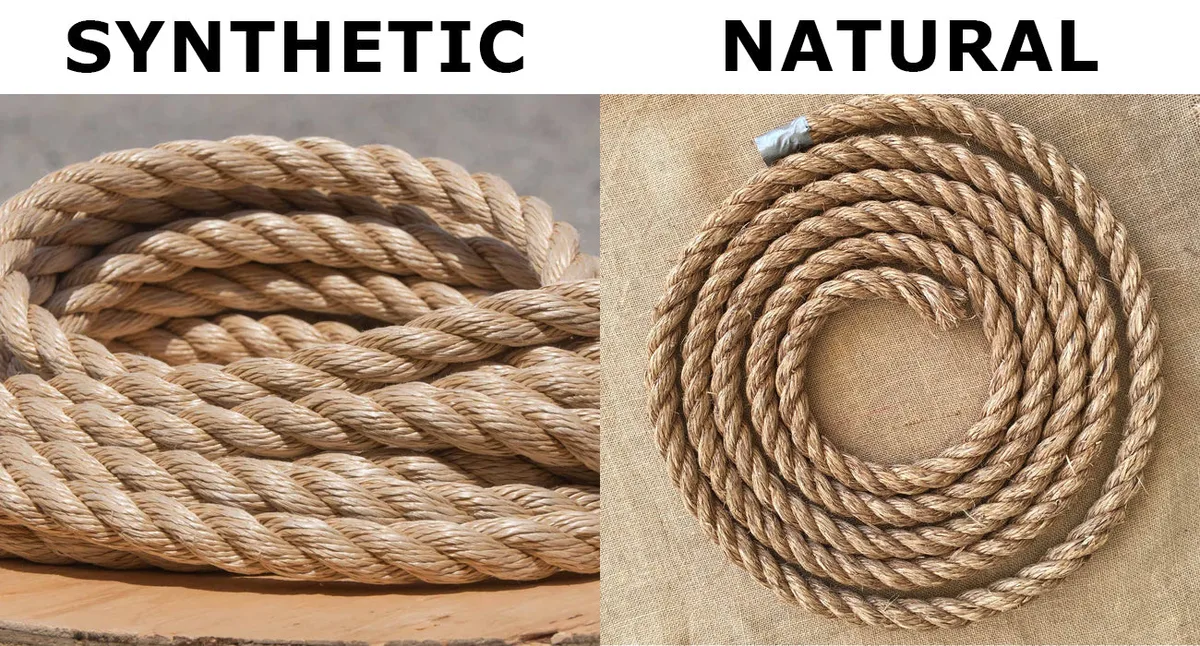
Here's how the five main options stack up on the factors that matter most for rustic fencing:
| Rope Type | Outdoor Lifespan | Moisture Resistance | Colour | Approx. Cost per Metre |
|---|---|---|---|---|
| Manila (untreated) | 2-5 years | Good | Warm honey-brown | £2-£4 / $2-$4 |
| Tarred Manila | 5-7+ years | Excellent | Deep rustic brown | £3-£5 / $3-$5 |
| Sisal | 1-3 years | Moderate | Golden-cream | £1.50-£3 / $1.50-$3 |
| Hemp | 2-4 years | Moderate | Natural beige | £2-£4 / $2-$4 |
| Coir | 3-5 years | Excellent | Rough earthy tan | £2-£4 / $2-$4 |
| Jute | Under 1 year | Poor | Golden-brown | £1-£2 / $1-$2 |
The Cordage Institute, the recognised US standards body for rope fibre classification, defines natural fibre ropes by base plant material, twist construction, and moisture resistance. The durability ranges in the table align with those classifications.
On diameter: for post-and-rope garden fencing, 10mm to 16mm is the practical range. Anything below 8mm looks undersized against most timber posts. For lighter plant support cordage in the 2-5mm range, you're working in a different category entirely.
Which Rope to Choose Based on Your Garden Situation
The right rope comes down to three things: your climate, how long you want it to last, and the look you're going for.
Wet or coastal garden: Go with tarred manila or coir. Both handle sustained moisture far better than untreated alternatives. The Royal Horticultural Society advises using naturally durable materials in permanent garden structures, and tarred manila fits that guidance directly.
Their advice on structural garden materials is available at rhs.org.uk.
Dry or sheltered garden: Sisal stands out here. Its golden tone works well against oak or chestnut posts, and in a drier setting it reaches two to three years without any treatment.
Eco-conscious or kitchen garden: Hemp is the better pick. It's sustainably sourced, performs well outdoors, and is safe to use near vegetable beds and edible crops.
Budget-focused: Sisal gives the best balance of cost and durability. Don't be tempted by jute just because it's cheaper. The replacement cost quickly cancels out the saving.
Maximum longevity: Tarred manila wins clearly. The preservative treatment extends fibre life significantly and gives the rope a deeply weathered look from day one. For heavy-gauge applications where durability is the priority, tarred manila is the strongest natural option available.
Getting It Right: Installation Tips and Mistakes to Avoid
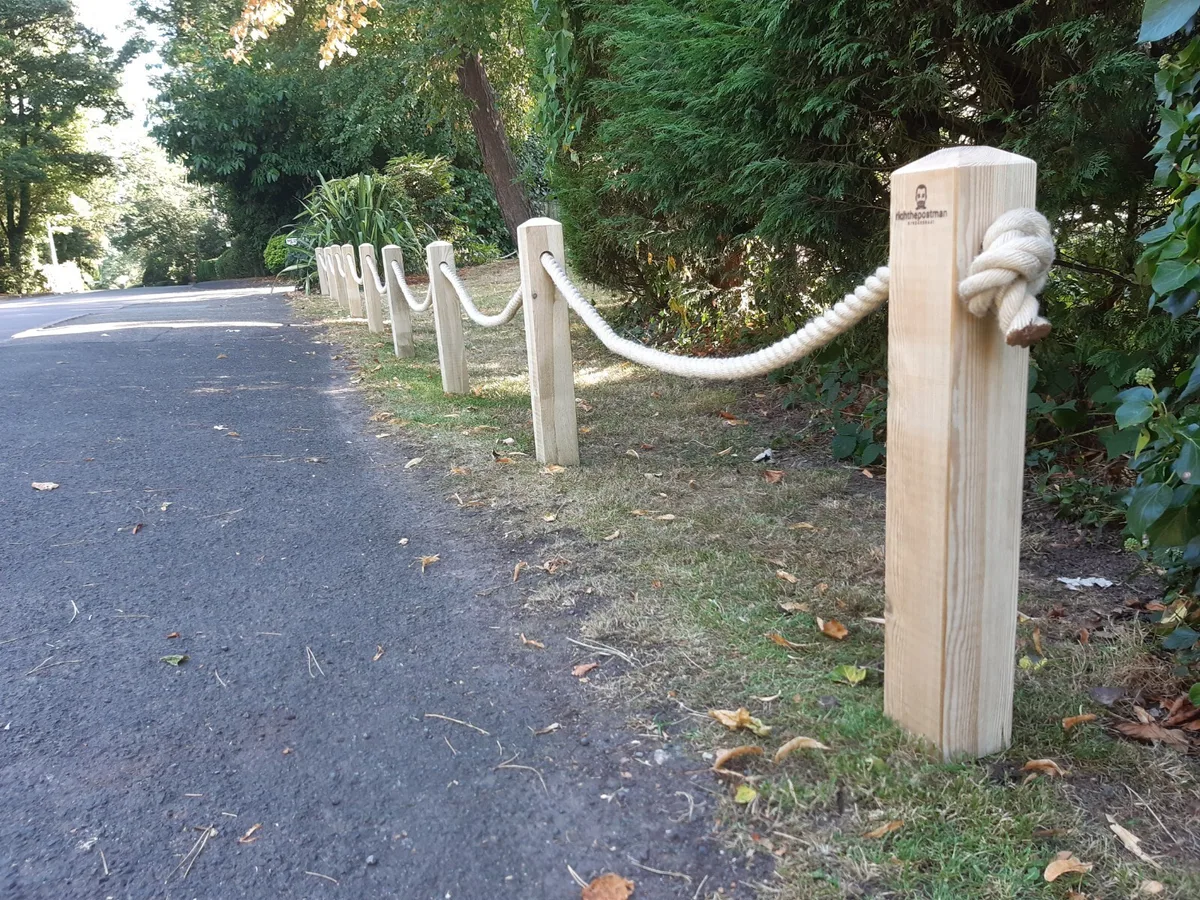
Good rope choice only gets you halfway. How you install it determines whether the fence holds its shape for years or starts pulling apart before the season ends.
The most common mistake is over-tensioning. Natural fibres expand and contract with moisture and temperature. Pull the rope drum-tight on a dry summer day and it will snap or drag the posts inward by winter.
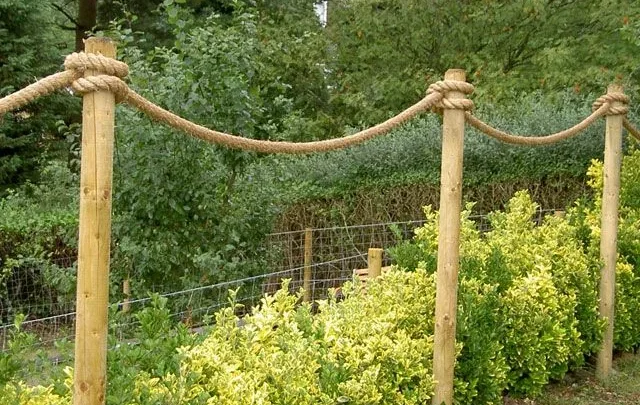
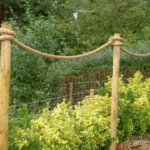
Aim for a gentle natural sag between posts. That curve suits the rustic look anyway, and it gives the rope room to move with the seasons.
For post spacing, 1.2m to 1.8m apart is the standard range for decorative rope fencing. Any wider and the rope droops visually. Any tighter and the fence loses its open, relaxed feel.
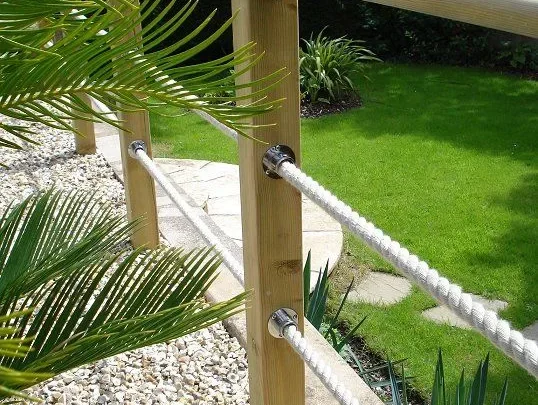
- Thread rope through drilled holes rather than tying around the post. It gives a cleaner finish and keeps tension consistent across the whole run.
- Seal cut ends immediately. Natural rope unravels fast once cut. Whipping the end with thin twine is the most durable method. Dipping in undiluted PVA glue or wrapping tightly with tape works well enough for decorative use.
- Use a clove hitch on round posts. It holds under sustained load and is easy to readjust. A figure-eight stopper knot works cleanly where rope threads through a drilled hole.
Rubbing untreated manila or hemp with raw linseed oil once a year slows surface degradation noticeably. Aggregate user feedback consistently reports better durability on treated rope compared to rope left bare through multiple wet seasons.
Frequently Asked Questions
How long does natural rope last on a garden fence?
Lifespan depends on fibre type and climate. Tarred manila lasts five to seven-plus years in wet conditions. Untreated manila and hemp typically manage two to four years.
Sisal sits at one to three years. Coir handles persistent moisture best among the budget options, lasting three to five years in damp or coastal settings.
Can I treat natural rope to make it last longer?
Yes, and it's worth doing. Rubbing untreated manila or hemp with raw linseed oil once a year slows UV degradation and surface fraying. Beeswax is a lighter alternative that adds water resistance.
Neither matches tarred manila's durability, but aggregate user reviews report meaningful improvements over untreated rope left bare through winter.
What rope diameter works best for rustic post-and-rope fencing?
Ten to sixteen millimetres is the practical range for decorative garden fencing. Thinner rope looks out of proportion against standard timber posts. Thicker rope becomes heavy and difficult to knot cleanly.
For most domestic gardens with 1.5m post spacing, 12mm three-strand twisted rope in manila or sisal hits the right visual balance.
How do I stop rope ends from fraying after cutting?
Whipping is the most durable method. Wind thin twine tightly around the cut end and finish with a half-hitch. For a quicker fix, dip the end in undiluted PVA glue and let it dry fully before threading it through the post.
Heat-sealing works on synthetic rope but scorches natural fibre rather than fusing it.
Is synthetic rope a viable alternative for rustic-style fencing?
Polypropylene and polyester ropes last longer outdoors and handle moisture better than most natural fibres. But both look noticeably artificial next to timber posts and never age into the weathered look rustic fencing is built around. If authenticity matters to the overall garden aesthetic, stick with manila, sisal, or coir.

Similar Posts