Garden Rope Nautical Decor: Creative Ideas That Work
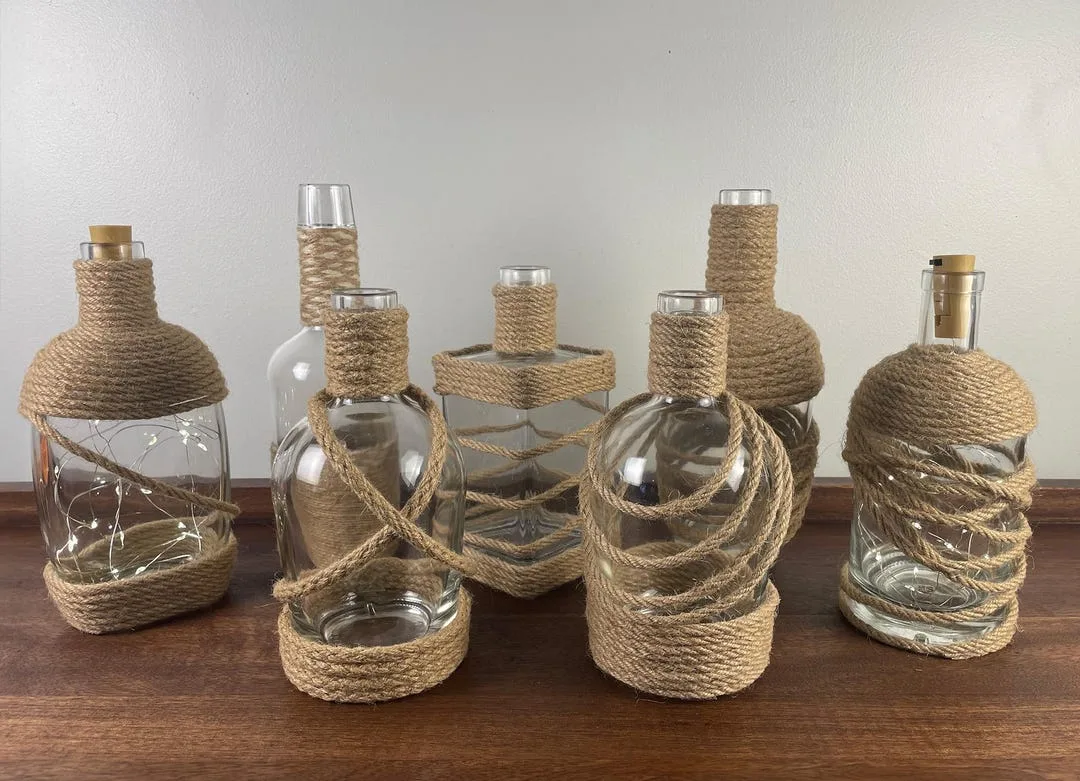
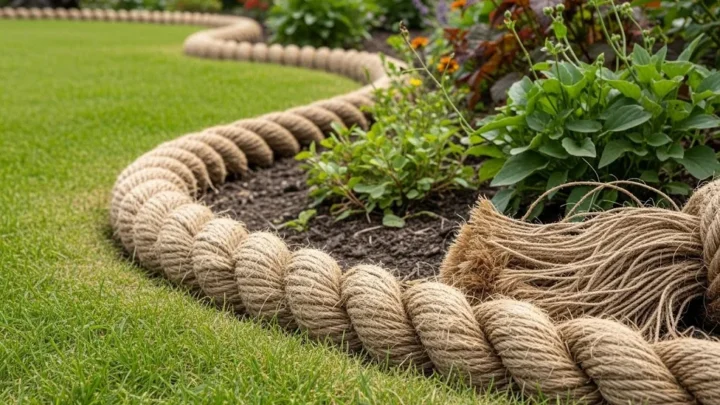
Knowing how to use garden rope for a nautical theme is one of the most cost-effective decorating moves available. Natural fiber rope from your local garden center shares the exact texture, twisted construction, and earthy color palette of traditional maritime cordage. The difference is almost entirely in the price.
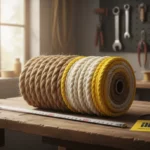
Garden rope comes in three main types: jute, sisal, and manila, in diameters ranging from 3mm to 12mm. As of 2026, a 100-meter roll of 6mm jute costs as little as $3 to $6 at most garden centers. The projects below show you exactly where to start.
Quick Answer
Garden rope works for a nautical theme by wrapping, knotting, and framing everyday objects with natural fiber rope. Use 6mm jute or sisal for most projects. Wrap vases and bottles, knot garlands with driftwood, or coil rope tightly around mirror frames.
Seal every cut end with clear nail polish. Pair finished pieces with shells, weathered wood, and neutral linens.
Why Garden Rope Actually Works for a Nautical Theme
Traditional maritime rope is either white braided polyester or tarred black hemp. You won't find either in a garden center. But jute and sisal share enough visual DNA with classic sailing cordage to work convincingly in coastal decor.
The earthy tan and beige tones of natural jute mimic sun-bleached maritime rope. The twisted, laid construction reads as authentically "rope" to the eye, far more convincingly than smooth synthetic cord. That visual shortcut is what lets this inexpensive material look high-end.
The supporting elements are just as important as the rope itself. Driftwood, raw linen, whitewashed wood, sea glass, and natural shells reinforce the coastal story. Without them, rope alone tips into rustic farmhouse territory.
Get the composition right and the whole thing looks intentional.
The range of natural fiber rope options is wider than most people expect, and picking the right weight before you start saves significant rework.
Choosing the Right Rope: Jute, Sisal, or Manila
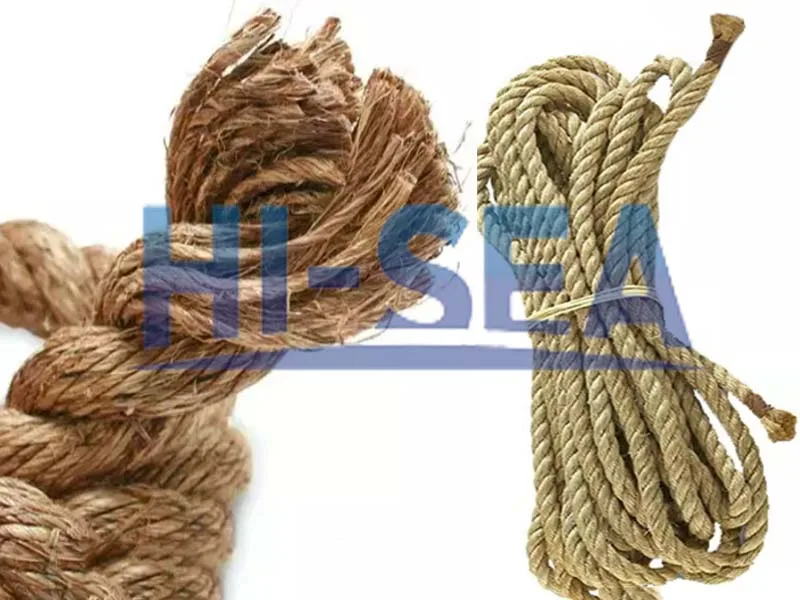
The three main types of garden rope behave differently in decor applications.
| Rope Type | Flexibility | Best Use | Outdoor Durability |
|---|---|---|---|
| Jute | High | Wrapping, garlands, light framing | 1–2 seasons |
| Sisal | Medium | Knots, coasters, humid spaces | 2–3 seasons |
| Manila | Medium | Hanging, framing, statement pieces | 2–3 seasons |
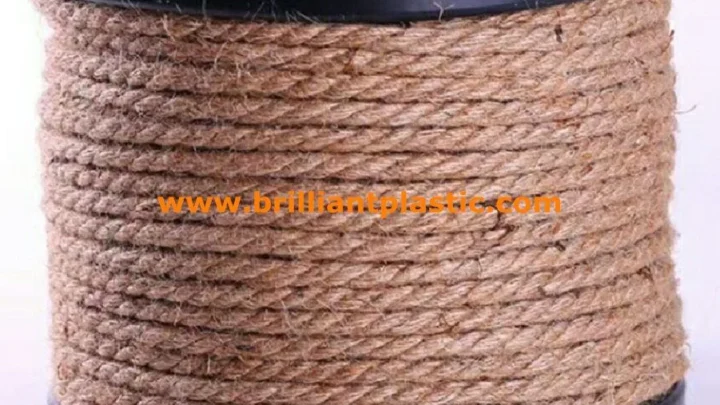
Jute is the easiest starting point. It's softer and more pliable, ideal for tight coil work on curved surfaces. Jute used for plant support and jute used for decor share the same warm golden-tan tone that photographs well in coastal interiors.
Sisal is stiffer and coarser. That coarseness is an advantage when you need defined knots that hold their shape without slipping. It also handles humidity better than jute, making it a stronger choice for bathroom walls or covered porch displays.
Diameter matters as much as material. Use 3mm for fine detail work. Use 6mm for most mid-size projects and knot work.
Reserve 10mm and above for large statement pieces and hanging planters where visual weight is the goal.
According to the Food and Agriculture Organization of the United Nations, jute is one of the most widely produced natural fiber crops in the world. That's why heavy-gauge jute rope stays consistently available and affordable at garden centers year-round.
6 Nautical Decor Projects You Can Make With Garden Rope
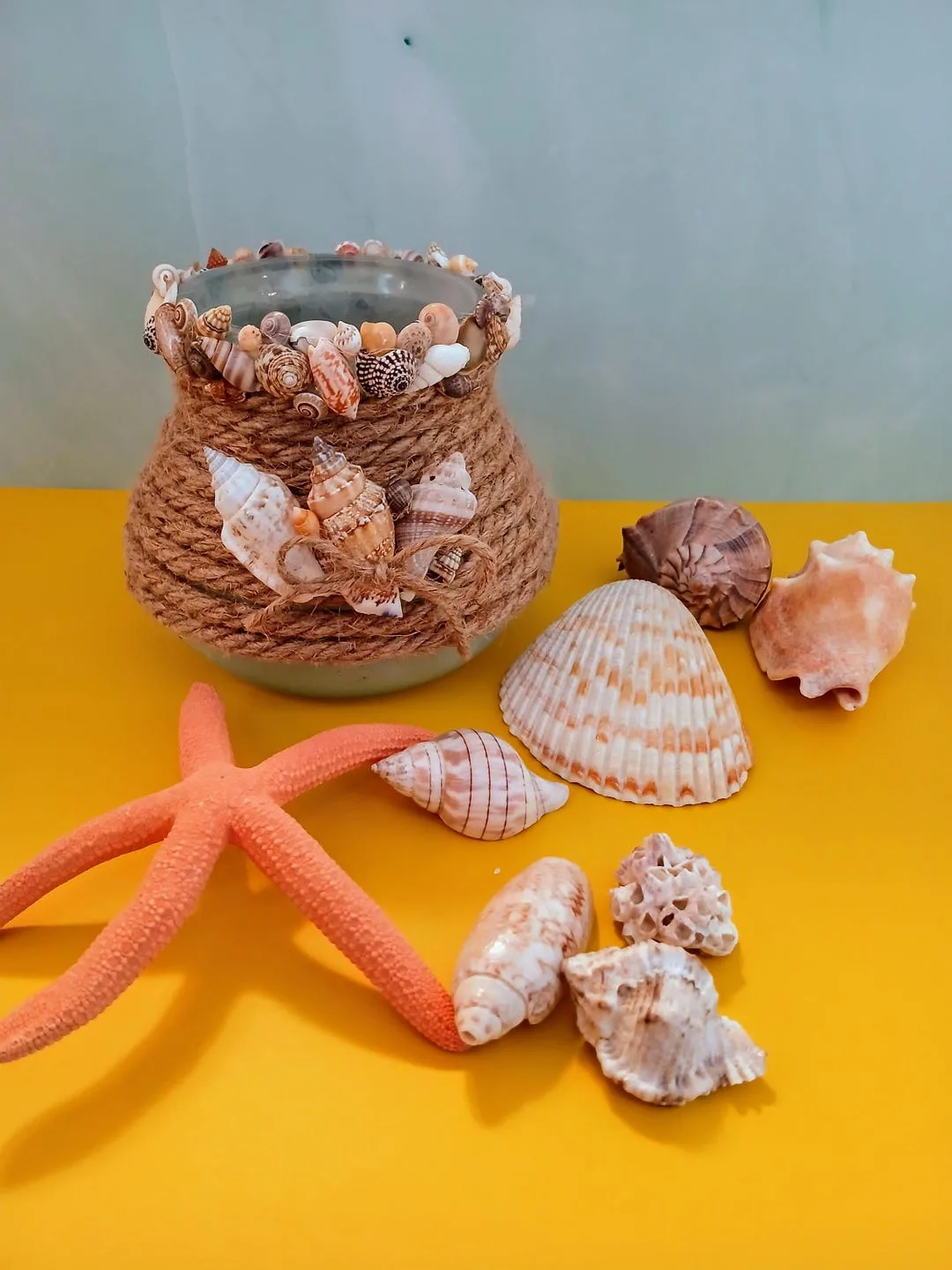
Rope-Wrapped Vases and Bottles
Clean the surface with rubbing alcohol first. Run a thin hot glue bead just above the base, press the rope end firmly down, and coil upward in tight, even rows. Maintain consistent tension throughout.
A 20cm bottle needs roughly 8 to 10 meters of 6mm rope. Finish with a securing knot or a small glue dot at the top.
Driftwood and Rope Garlands
Cut driftwood pieces to similar lengths, around 20 to 30cm each. Knot each piece onto a horizontal rope using overhand loops, spacing them every 15 to 20cm. Thread shells or sea glass between pieces for variety.
For porch or patio garlands, hemp rope built for outdoor conditions holds up far better than jute in humid environments.
Rope-Framed Mirrors and Picture Frames
Apply hot glue in short sections around the frame edge and press 6mm rope into each section before it cools. Cut and restart at each corner rather than trying to bend the rope around it. A standard 40cm mirror frame uses roughly 12 to 15 meters of rope.
Rope Coasters and Table Runners
Coil 6mm rope flat from the center outward and bond each new row to the previous with a low-temperature hot glue gun. A 10cm coaster uses about 2.5 meters of rope. For a table runner, extend the coil into a long rectangle or join multiple rope sections with reef knots.
Hanging Planters with Decorative Knotwork
Fold four 2-meter rope lengths in half and knot them together at the fold. Work alternating square knots down the length, then gather the tails under a pot to test the fit. Finish with a large gathering knot at the base.
For planters carrying real weight, thicker structural rope is a better choice than lightweight decorative twine.
Rope Net Display Panels
Fix a horizontal rope between two anchor points. Hang vertical lengths every 10cm from it, then connect them with half hitch cross-ropes every 10 to 15cm. The resulting net panel works well as a feature wall display for shells, photos, and lightweight coastal objects.
The Knots That Make It Look Intentional (Not Homemade)
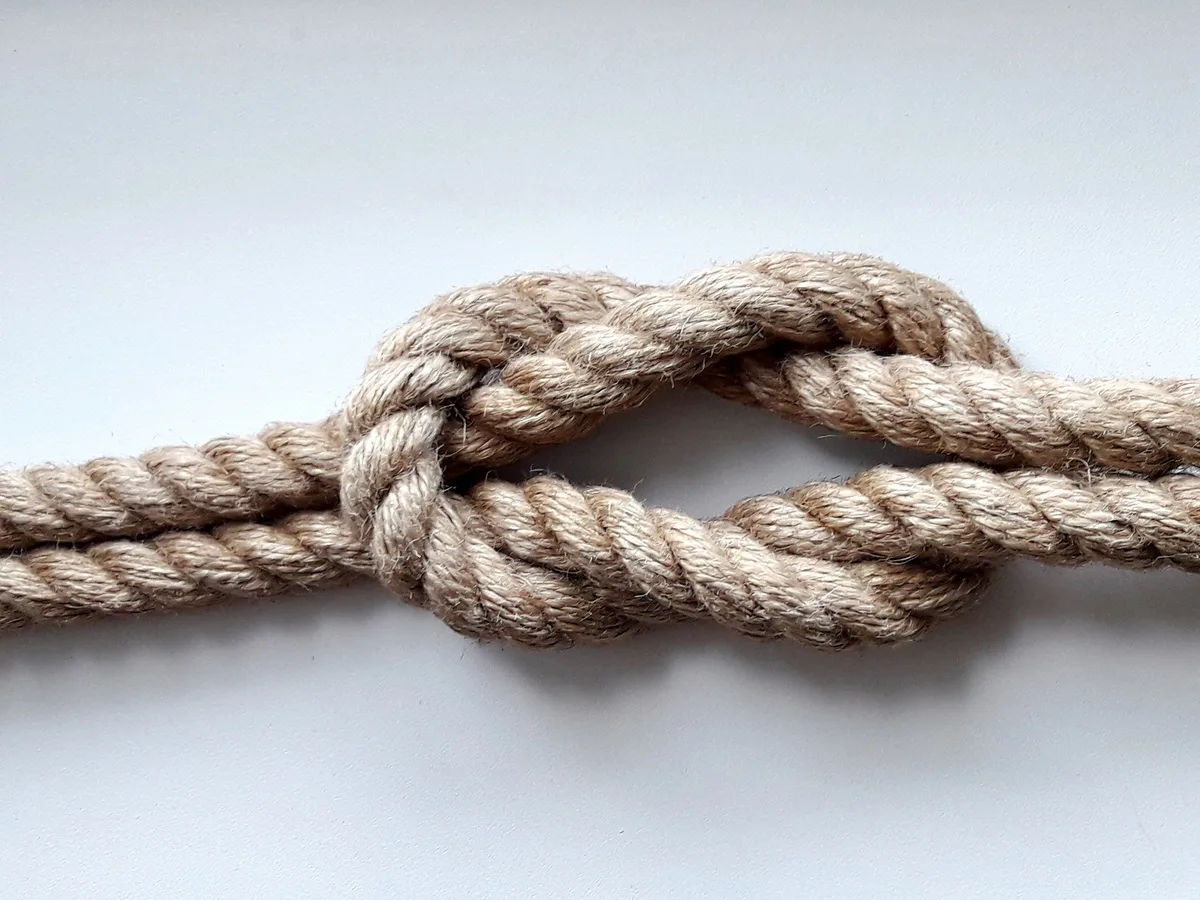
Three knots cover the vast majority of nautical decor projects.
Square knot (reef knot): Cross right over left, then left over right. Use this to join rope lengths and build garlands. It lies flat and sits cleanly against the rope's natural twist without bulking up.
Overhand loop knot: Form a loop and pass the tail through it, then pull tight. Use this to attach shells, driftwood, or accent pieces to a garland. It's compact and keeps the overall line clean.
Half hitch repeat: Wrap the working rope around a base rope and pass the tail under itself. Repeat every few centimeters. This produces a tidy spiral pattern used across net panels and ladder-style wall hangings.
Clifford W. Ashley's reference on knotwork, first published in 1944, catalogues over 3,800 distinct knots. For decorative rope decor, you'll rarely need more than five.
Add a cleat hitch and a figure-eight stopper knot to the three above and you're equipped for every project here.
For projects where knot integrity matters, naturally strong garden twine holds under sustained tension without slipping at the knot point.
Mistakes That Kill the Coastal Look
Rope too thin. Twine under 4mm reads as craft fair rather than coastal. For wall art and display pieces, 6mm is the practical minimum. Thin rope disappears from any normal viewing distance.
Skipping end treatment. Cut rope ends fray within days. Seal every cut end with clear nail polish or wood glue before starting. For natural fibers, glue is safer and more reliable than heat.
Inconsistent wrapping tension. Uneven coils break the nautical illusion immediately. If hand fatigue causes tension to drift mid-project, the rows will visually stray. Work in short sessions and keep pressure steady throughout.
Mixing rope colors without intent. Natural tan jute combined with bright white cotton rope on the same piece creates a disconnected look. Stick to natural fiber tones, or pre-bleach your rope to a consistent pale cream. Understanding how natural twine absorbs color helps you predict the result before committing a full roll.
Ignoring scale. One rope-wrapped bottle on a large shelf vanishes. Group pieces in odd numbers and vary the heights. Scale is what separates a styled coastal arrangement from a lone object sitting on a surface.
Pro Tips for Finishing and Styling the Theme
Bleach rope for a sun-weathered look. Natural jute is a warm tan straight from the roll. A bleached cream reads more convincingly as aged maritime rope. Soak lengths in a diluted bleach solution (one part bleach to four parts water) for 20 to 30 minutes, rinse thoroughly, then dry flat for 24 hours before use.
Seal outdoor projects. Jute degrades fast in wet conditions. A light coat of matte acrylic spray sealant adds water resistance without changing the rope's texture or color. Reapply at the start of each outdoor season.
Style in groups, not singles. Rope decor reads far better in clusters than as lone pieces. Group three to five objects of varying heights. Mix rope-wrapped vessels with a driftwood garland and a coaster or two.
That layered combination creates a coastal vignette rather than a collection of scattered items.
Keep the palette tight. The strongest nautical setups work within a narrow range: natural rope tones, whitewashed or raw wood, navy blue, and sandy neutrals. Introducing too many competing colors dilutes the coastal effect.
Add texture contrast deliberately. Rope's rough surface reads best next to smooth or softly woven materials. Linen fabric, frosted glass, and polished driftwood all work well alongside it. That contrast makes the rope stand out rather than disappear into its surroundings.
Frequently Asked Questions
Can I use garden rope outdoors for a nautical theme?
Yes, but material choice matters. Jute degrades quickly outdoors, typically lasting one to two seasons in mild conditions. Sisal and manila hold up better at two to three seasons.
For anything permanently exposed to rain or humidity, seal the finished piece with matte acrylic spray and plan to refresh it each season.
How do I stop jute rope from fraying at the cut ends?
Apply clear nail polish or wood glue to each cut end immediately after cutting. Let it dry fully before working with the rope. For thicker ropes, wrapping the cut point with masking tape before cutting also reduces fraying at the moment the blade passes through.
What rope diameter works best for most nautical decor projects?
6mm is the most versatile choice. It's thick enough to read clearly on display pieces, pliable enough for tight coil work on bottles, and holds knots cleanly without bulk. Use 3mm for fine detail wrapping and 10mm or above only for large statement pieces or load-bearing planter hangers.
Can I paint or dye garden rope to match a color scheme?
Yes. Natural fiber rope takes fabric dye and diluted acrylic paint well. Pre-wetting the rope before applying dye produces more even color absorption.
For a bleached coastal look, a diluted bleach soak works faster than white paint and gives a more authentic sun-faded result.
How long does rope decor last indoors?
Kept away from direct sunlight and moisture, natural fiber rope decor holds its look for several years. Jute may shed small fibers over time and slowly darken with dust. Wiping pieces down occasionally with a dry cloth keeps them looking clean without damaging the fiber or loosening the adhesive.

Similar Posts