Natural vs Synthetic Garden Rope: Which Should You Use?
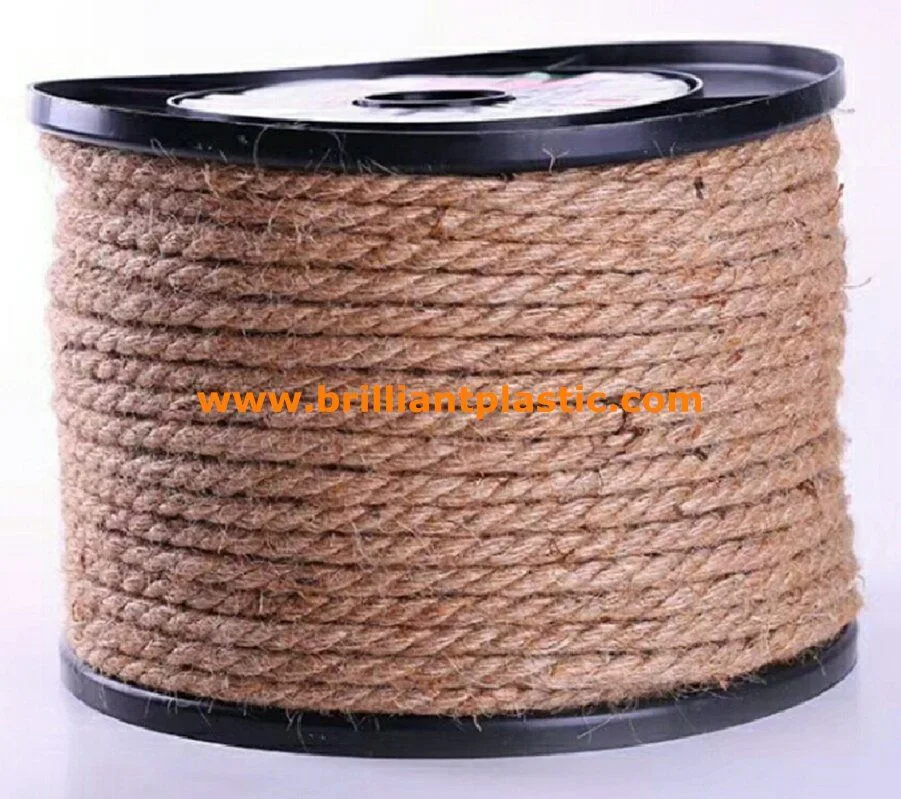
The choice between natural vs synthetic garden rope is more practical than most gardeners expect. Both look capable in the shop, and both will hold a tomato plant through the first few weeks. The real differences appear when the weather turns wet, UV exposure builds, or the season runs longer than planned.
Here's a detail most packaging skips: tensile strength ratings on rope are nearly always measured dry. Jute, for example, loses 40 to 60% of its rated strength when waterlogged, based on natural fibre properties documented by the Food and Agriculture Organization of the United Nations. That gap between the label number and real-world wet performance is exactly what this comparison unpacks.
The Short Answer: It Depends on One Key Factor
Quick answer:
Natural rope suits short-season ties and organic gardens best. Synthetic rope outperforms natural in wet climates and multi-season use. Your climate, crop type, and season length make the call.
One growing season? Natural is usually enough. Permanent outdoor structure?
Synthetic is the reliable choice.
The four practical questions to guide your decision:
- How long does the rope need to hold up?
- How wet and sunny is your growing environment?
- Will the rope be in direct contact with edible crops?
- Do you want to compost everything at season end?
Most home vegetable gardeners find that plant-safe natural twine covers their needs well. It's gentle on stems, affordable, and composts cleanly at the end of the season.
For permanent trellises, fruit tree training, or high-rainfall gardens, synthetic is the more reliable call. Rope that rots mid-season isn't saving money. It's just failing at a critical time.
"One growing season" also covers more ground than it sounds. A tomato plant tied in May and harvested in October endures five months of rain, sun, and sustained load. That's enough to expose every weakness in poorly matched twine.
One thing to flag early: "natural" doesn't automatically mean safe. Treated jute, dyed sisal, and conventionally grown cotton can carry chemical residues near food plants. The type of natural rope matters, not just the category.
What You're Actually Getting with Natural Rope (Jute, Sisal, Hemp, Cotton)
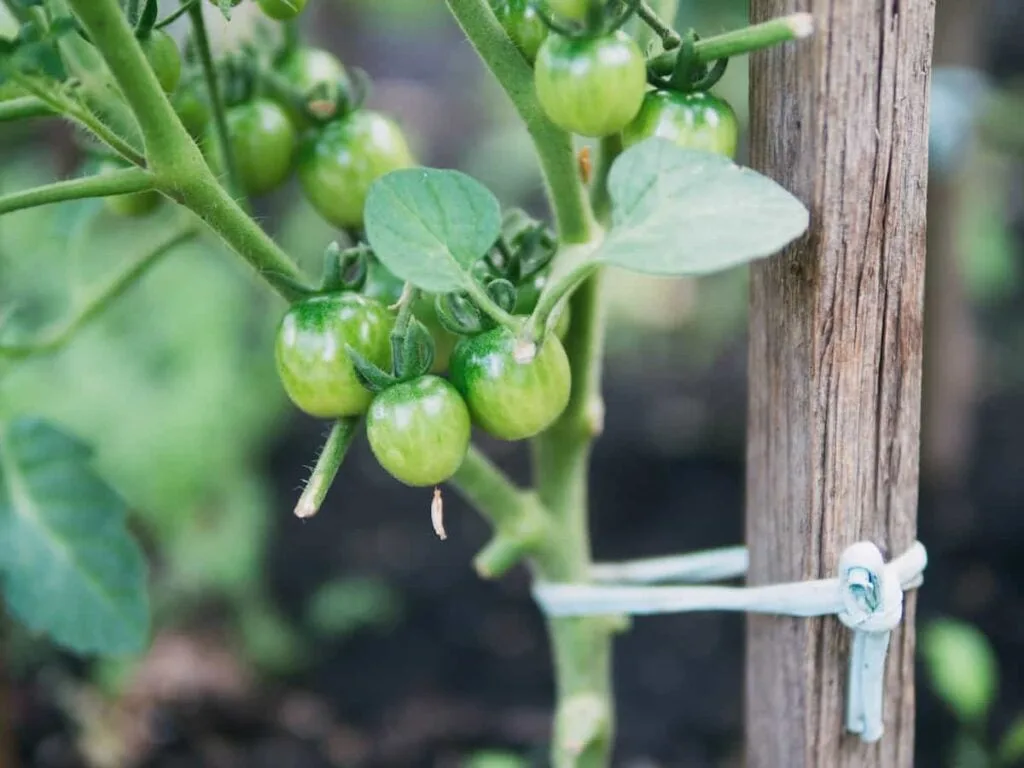
Natural garden rope covers four main fibre types. They're often sold interchangeably, but their real-world performance varies considerably.
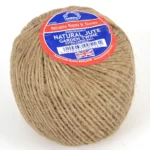
Jute is the most common and most affordable. It's soft on plant stems, easy to knot, and biodegrades in roughly one to two years in soil. Aggregate buyer reviews confirm it's best for light, short-season tying.
Jute twine for garden plants works well across most vegetable plots, but avoid bleached or treated varieties near edibles.
Sisal is tougher and degrades more slowly, roughly two to three years in soil. It handles heavier loads than jute. The coarse surface can abrade soft stems and causes skin irritation during extended handling.
Worth noting: sisal and jute are frequently mislabelled at mass-market retailers, so check the actual fibre before buying.
Hemp is the most durable natural option. It resists mould better than jute, holds its structure when damp, and lasts a full growing season without significant strength loss. Hemp twine for plants costs a little more than jute but earns it when you need reliable support near food crops.
As of 2026, hemp is the preferred natural rope among organic growers in both the UK and US.
Cotton is the gentlest on stems but the weakest under load when wet. Use it for light duties only: cut flower bundles, delicate seedling loops, or anything that won't carry real weight.
Regardless of fibre type, check whether the rope is untreated and undyed. Non-organic natural fibres can carry pesticide residues or azo dyes that don't belong near food plants.
What You're Actually Getting with Synthetic Rope (Polypropylene, Polyester, Nylon)
Synthetic garden rope maintains near-full tensile strength whether wet or dry. That consistency is its core appeal, especially in wet-climate gardens or for structures that need to outlast a single season.
Polypropylene is the most widely sold synthetic. It's cheap, lightweight, and moisture-resistant. The problem is UV degradation.
Unstabilised polypropylene turns brittle and fragments in one season of direct sun, leaving plastic debris in your beds and compost. Always check the packaging says UV-stabilised before buying.
UV-stabilised polyester is the better long-term option. Manufacturer specifications confirm a typical outdoor lifespan of five to ten years. It's the standard choice for permanent trellises, espalier training, and any structure that stays outdoors year-round.
Nylon (polyamide) offers the best stretch tolerance of the three. It absorbs tension rather than transferring it rigidly into stems, which lowers girdling risk compared to stiff polypropylene. Nylon takes on a small amount of moisture over time but still outperforms every natural fibre in consistently wet conditions.
The concern with all synthetics near food crops is chemical leaching and microplastic shedding. The USDA National Organic Program restricts synthetic material contact with certified organic produce. Verify your input rules before using synthetic rope anywhere in a food garden.
For non-edible ornamental structures, UV-stabilised polyester is the best long-term choice for the money.
Natural vs Synthetic Garden Rope: Side-by-Side Comparison
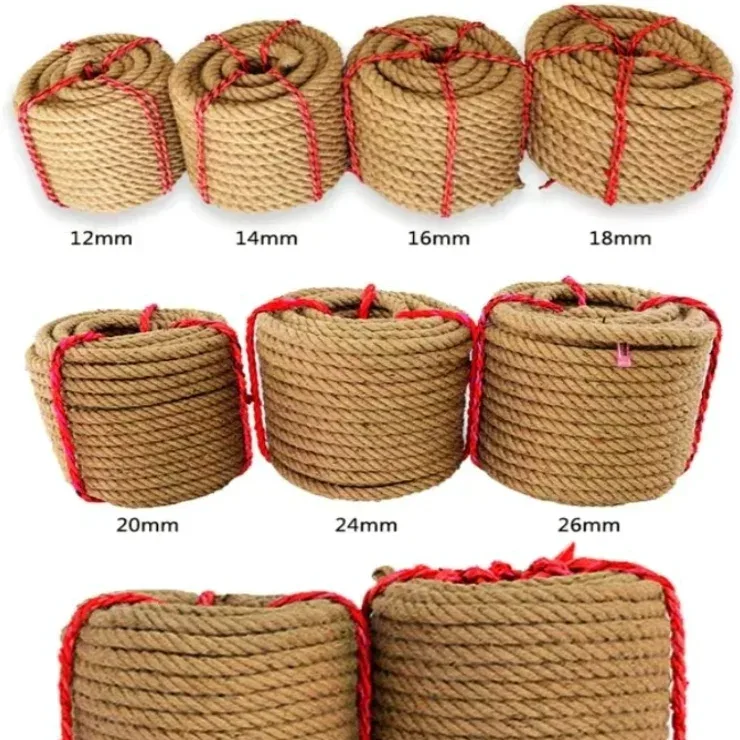
Here's how the main types compare across the factors that matter most at ground level.
| Property | Jute | Hemp | Sisal | Polypropylene | UV Polyester |
|---|---|---|---|---|---|
| Wet strength | Low | Good | Moderate | Very high | Very high |
| Biodegradable | Yes (1-2 yr) | Yes (2-3 yr) | Yes (2-3 yr) | No | No |
| UV resistance | Poor | Moderate | Moderate | Poor (unstabilised) | Excellent |
| Stem safety | High | High | Moderate | Low-moderate | Low-moderate |
| Safe near edibles | Yes (untreated) | Yes | Yes | Caution | Caution |
| Approx. cost per 100m | £2-5 | £6-15 | £4-10 | £2-4 | £8-20 |
Natural fibres win on stem safety, biodegradability, and edible-crop compatibility. Synthetic fibres win on wet strength, UV resistance, and longevity. Those two trade-offs are the whole comparison.
The wet strength column is the most overlooked. That's the figure that determines real performance in a wet-climate garden. In the UK or Pacific Northwest, rope is rarely fully dry through a full summer.
Hemp fills the best middle ground. It's the only natural rope that holds up well when wet and lasts a full growing season. For robust natural garden rope without going synthetic, hemp is the practical answer.
On the synthetic side, the cost gap between cheap polypropylene (£2 to 4 per 100m) and UV-stabilised polyester (£8 to 20) is real. Polypropylene that fragments after one season isn't a bargain. UV polyester earns that extra cost across multiple seasons of reliable use.
Which Type of Rope Fits Your Garden Situation
Choose natural rope if:
- You're tying single-season crops: tomatoes, beans, climbing peas, cucumbers
- You garden organically or follow certified-input guidelines
- The rope will contact edible plants directly
- You want to compost everything at harvest with no sorting
For vegetable plots, browsing by rope type and use covers most of what a home gardener needs across a full season. Seasonal tying, gentle on stems, and zero end-of-season cleanup.
Choose synthetic rope if:
- You're building or maintaining a permanent or semi-permanent trellis
- You garden in a high-rainfall or exposed coastal environment
- You're training fruit trees, wisteria, or other long-lived climbers
- Your natural rope keeps failing mid-season under load
For heavy-duty or multi-season support, stepping up to a higher-strength rope option is worth the extra cost over rope that fails at the wrong moment.
Most experienced gardeners use both: natural twine for the vegetable patch, synthetic for permanent frames. That split is practical and works across a wide range of growing conditions.
Mistakes That Cost Gardeners a Whole Season

Most rope failures come down to a handful of avoidable errors.
Trusting dry tensile ratings on jute. Packaging numbers are measured on dry rope. A jute rope rated at 40kg can drop to 20kg or less under sustained wet conditions. If your tomatoes are heavy and your summer is wet, that's a mid-season snap waiting to happen.
Using polypropylene without checking for UV stabilisation. Standard polypropylene degrades fast in direct sun. By midsummer it can turn brittle enough to crumble, leaving plastic fragments in your compost and beds. Always check the label before buying.
Assuming treated or dyed natural rope is safe near edibles. Brightly coloured jute and bleached sisal carry dyes or chemical treatments that don't belong near food crops. Stick to undyed, untreated fibres for the vegetable garden.
Tying too tightly with synthetic rope. Natural rope softens and stretches slightly as it weathers, giving stems room to expand. Polypropylene doesn't. Aggregate gardening reviews consistently flag girdling as the most common stem damage from synthetic ties on fast-growing summer crops.
Leave slack at every tie point and check again mid-season.
Not removing synthetic rope at season end. Synthetic doesn't break down in soil. Left through autumn and winter, it can embed into bark and cause permanent damage before the following spring.
Frequently Asked Questions
How long does natural garden rope last outdoors?
Jute typically survives one growing season in wet conditions and up to two years in a dry climate. Sisal and hemp last two to three years in soil. Lifespan shortens in high-rainfall environments.
Inspect ties mid-season and replace any rope showing rot or fibre breakdown before it fails under load.
Is jute rope safe to use near vegetables?
Untreated, undyed jute is safe near vegetables. The concern is bleached or conventionally grown jute, which can carry chemical residues from production. For edible crops, choose unbleached food-safe jute or untreated hemp, which offers the same safety profile with better performance in wet conditions.
Can garden rope go in the compost bin?
Untreated natural rope in jute, sisal, hemp, or cotton composts cleanly and adds carbon to the pile. Avoid composting dyed or treated fibres. Never compost synthetic rope.
Polypropylene and polyester don't break down in a home compost environment and will contaminate the finished material.
Which garden rope is best for tomatoes?
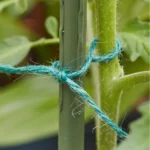
Jute twine is the most widely used choice for tomatoes and works well for most home gardeners. For heavier indeterminate varieties or a longer season, untreated hemp holds up better under sustained load. In either case, tie loosely and use a figure-of-eight knot to keep the stem clear of the stake.
Does synthetic rope leach chemicals into garden soil?
Research into microplastic shedding from garden rope is ongoing, with no universal testing standard established for this category yet. As a precaution, most organic growers avoid synthetic rope near edible crops. For non-edible ornamental beds, UV-stabilised polyester poses minimal documented risk under normal garden use conditions.

Similar Posts