Garden Rope for Decking: A Complete How-To Guide
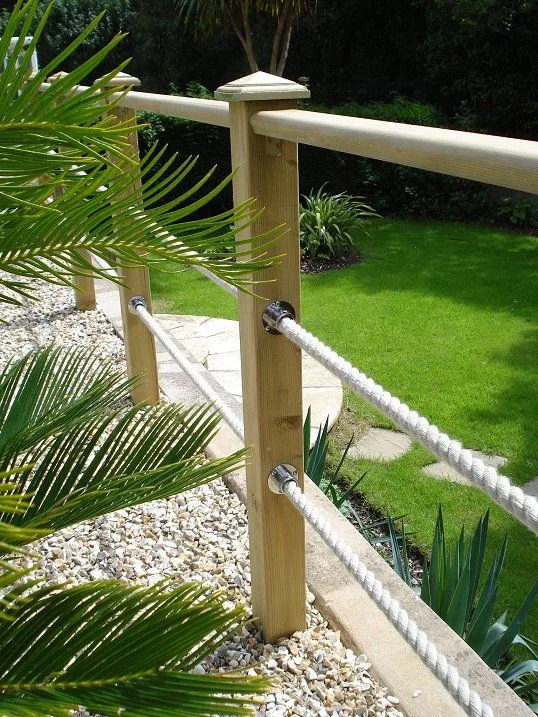
Knowing how to use garden rope for decking is simpler than most guides make it look. Whether you're fitting a rope balustrade, defining a deck edge, or wrapping posts for a nautical finish, the method depends entirely on what you're building.
The detail most people miss: not every rope handles outdoor conditions. UK Building Regulations Part K sets a minimum balustrade height of 900mm for domestic decking, and infill gaps must stay under 100mm. Get the materials and hardware right from the start, and the rest follows naturally.
Quick Answer
Garden rope for decking is threaded through drilled post holes. Secure each end with a clove hitch or figure-8 knot. Space rope runs no more than 100mm apart for safety.
Use 16mm to 24mm diameter rope for balustrade applications. Synthetic polypropylene rope outlasts natural jute outdoors by several years.
What Garden Rope on Decking Actually Means: Three Distinct Applications
"Garden rope for decking" covers three genuinely different uses. Mixing them up leads to the wrong rope, wrong knots, and money spent on a job that needs redoing.
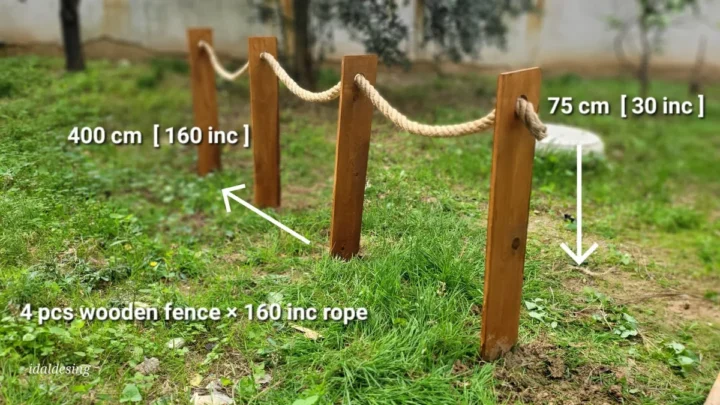
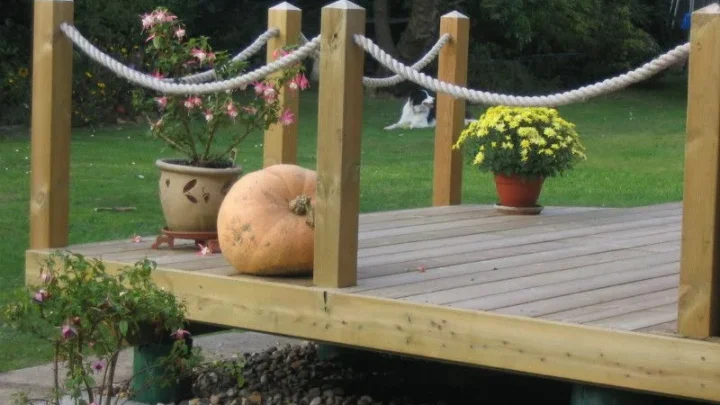
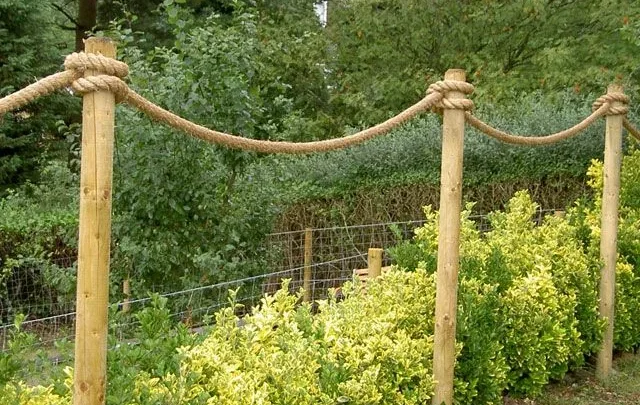
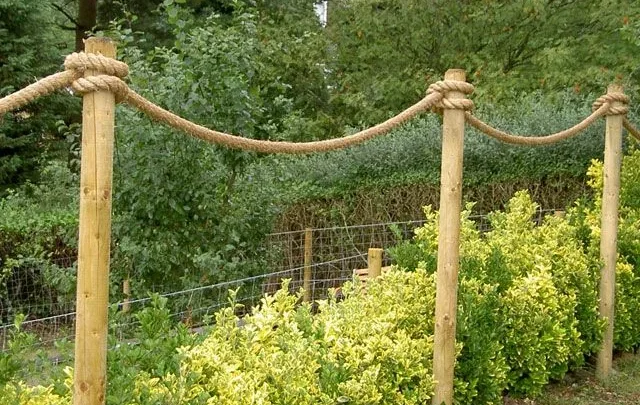
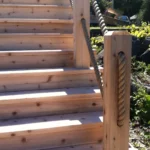
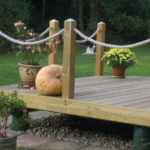
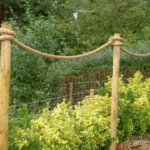
Rope balustrade infill is the most common application. Horizontal rope runs thread through holes drilled in deck posts, forming a nautical or rustic railing. This is a structural use, so the rope must be properly tensioned with robust hardware.
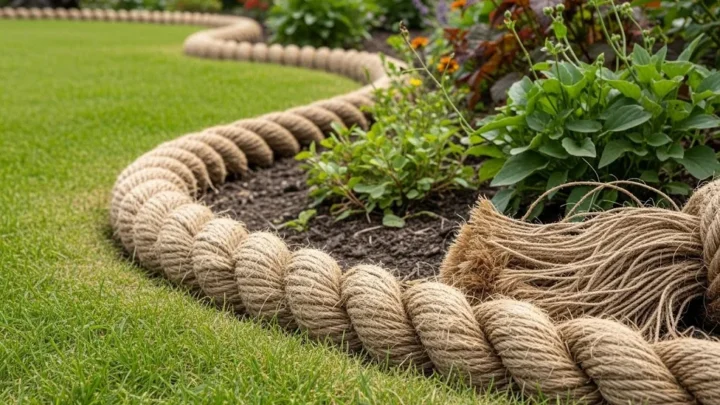
Rope edging runs at ground level around the deck perimeter. It defines the border visually but carries no structural load. Thinner rope in the 12mm to 14mm range works well here.
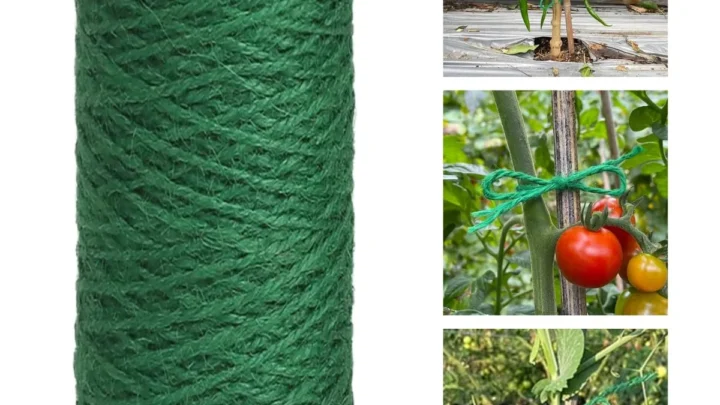
You can even use a garden twine for a light-touch decorative border at low cost.
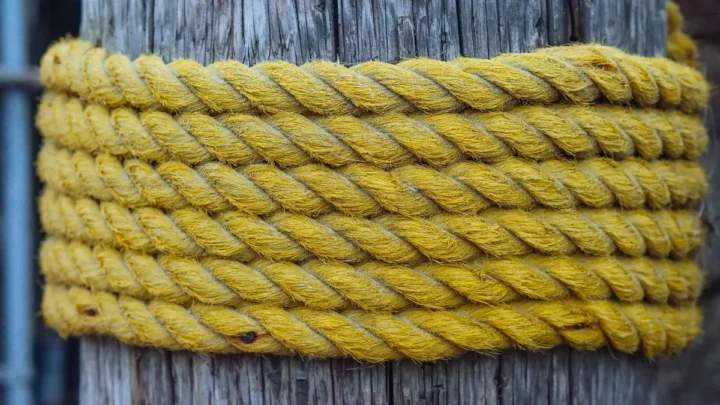
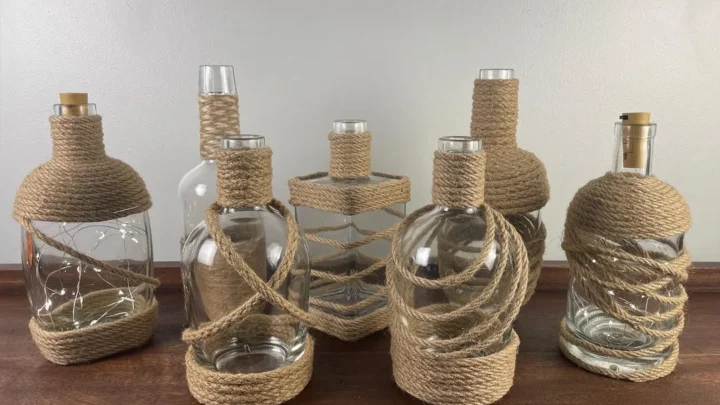
Post wrapping is purely decorative. Rope winds tightly around each post from base to top and is secured at both ends. No threading or drilling needed, and it adds real texture to plain timber posts instantly.
Choosing the Right Rope: Material, Diameter, and Outdoor Durability
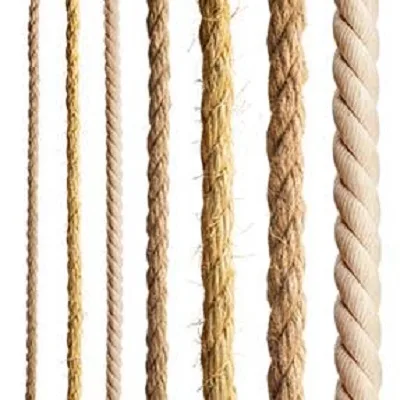
Rope material is the single biggest factor in how long your decking project lasts. Natural fibres look the part, but they carry a real performance trade-off outdoors.
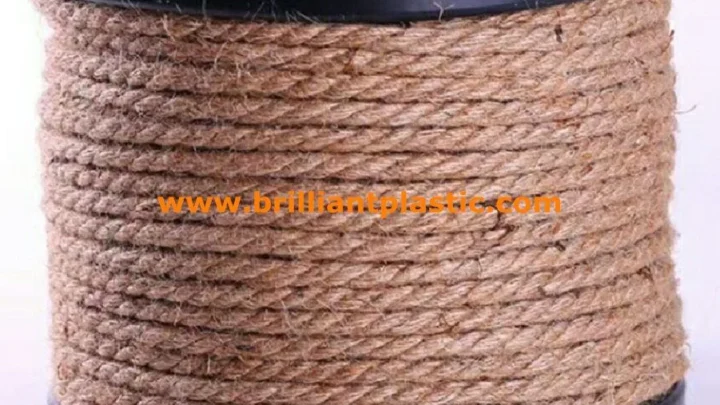
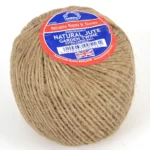
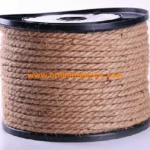
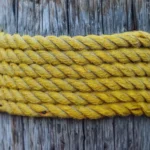
Jute rope and sisal absorb moisture readily and rot within two to five years in typical UK conditions. Even heavy-duty jute cord struggles with persistent damp, making it better suited to post wrapping than structural balustrade work.
Hemp twine is worth considering for lightweight decorative edging. It's stronger than jute for its weight but carries the same moisture limitations in exposed outdoor settings.
Synthetic rope performs very differently. Polypropylene resists UV, repels water, and regularly lasts ten years or more without losing tension. Polyester braided rope handles UV stress even better and suits coastal or high-sun gardens particularly well.
| Rope Material | Outdoor Lifespan | UV Resistance | Best Use |
|---|---|---|---|
| Jute | 1–3 years | Poor | Decorative edging only |
| Manila | 2–5 years | Fair | Low-exposure settings |
| Sisal | 2–4 years | Poor | Post wrapping |
| Polypropylene | 10+ years | Good | All outdoor applications |
| Polyester (braided) | 12–15 years | Excellent | Coastal and high-UV gardens |
For balustrade infill, 16mm is the minimum rope diameter. As of 2026, 24mm polypropylene is the most widely used choice in UK garden projects, balancing visual weight with ease of threading. For rope edging, 12mm to 14mm is sufficient.
Tools, Fittings, and Hardware You Need Before You Start
The fittings matter as much as the rope itself, especially for tensioned balustrade work. Get everything on hand before you begin.
| Item | Purpose |
|---|---|
| Auger or spade bit (18–22mm) | Drilling clean rope holes through posts |
| Tape measure and pencil | Marking consistent hole positions |
| Stainless steel eye bolts | Anchor points at end posts |
| Turnbuckles | Adjusting and maintaining rope tension |
| Heat gun or rope end caps | Sealing synthetic rope ends against fraying |
| Whipping cord | Finishing natural rope ends traditionally |
| Rubber mallet | Seating rope through snug post holes |
Drill post holes 2mm to 4mm wider than the rope diameter. A 16mm rope needs an 18mm to 20mm hole. Too tight and threading becomes a battle.
Too loose and the rope shifts at the contact point, wearing it out faster.
Stainless steel fittings are worth the extra cost. Galvanised steel works fine inland, but in exposed or coastal gardens it oxidises and stains the rope over time.
For lightweight edging at deck borders, you can skip eye bolts and turnbuckles entirely. Simple anchoring knots at fixed posts are all you need.
How to Fit Garden Rope Between Deck Posts: Full Step-by-Step
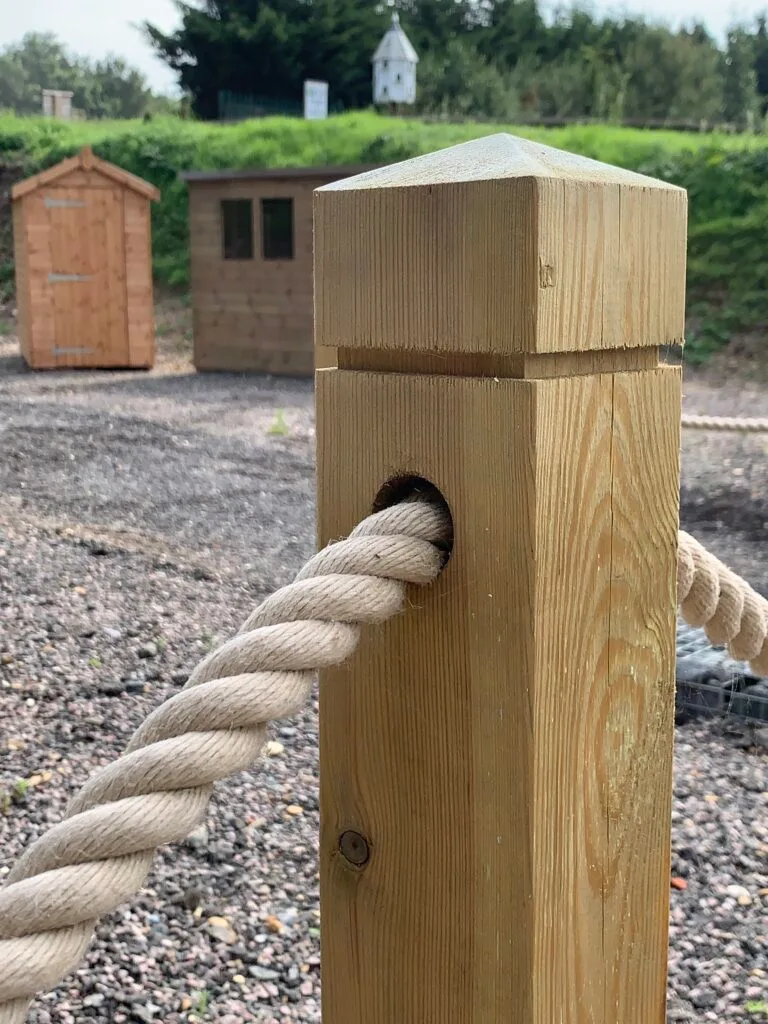
Measuring, Marking, and Drilling Your Post Holes
Start by deciding your rope spacing. UK Building Regulations Part K requires a maximum 100mm gap between infill runs, which means at least eight rope runs on a 900mm balustrade. Mark the first hole at 100mm from the deck surface, then every 100mm upward.
Use a builder's square to keep hole positions level across all posts. Misaligned holes make the rope look crooked even when the tension is correct. Drill slowly through hardwood to avoid splitting the post face.
Threading, Knotting, and Setting Tension Correctly
Cut each rope run longer than the post-to-post span. A 1.8m gap needs roughly 2.2m per run to allow for threading and knotting at both ends.
Thread the rope from one anchor post through to the other. At each intermediate post, the rope should pass through the hole cleanly without kinking. Tap it through with a rubber mallet if the fit is snug.
At the anchor end, tie off behind the post hole with a clove hitch or figure-8 stopper knot. Pull the rope to working tension at the far end and secure it. Fit a turnbuckle at the end post for fine adjustment.
The rope should feel firm but not rigid. Natural fibres tighten slightly after rain, so a little give on day one is correct.
The Knots That Hold Outdoors, and the Ones That Slip
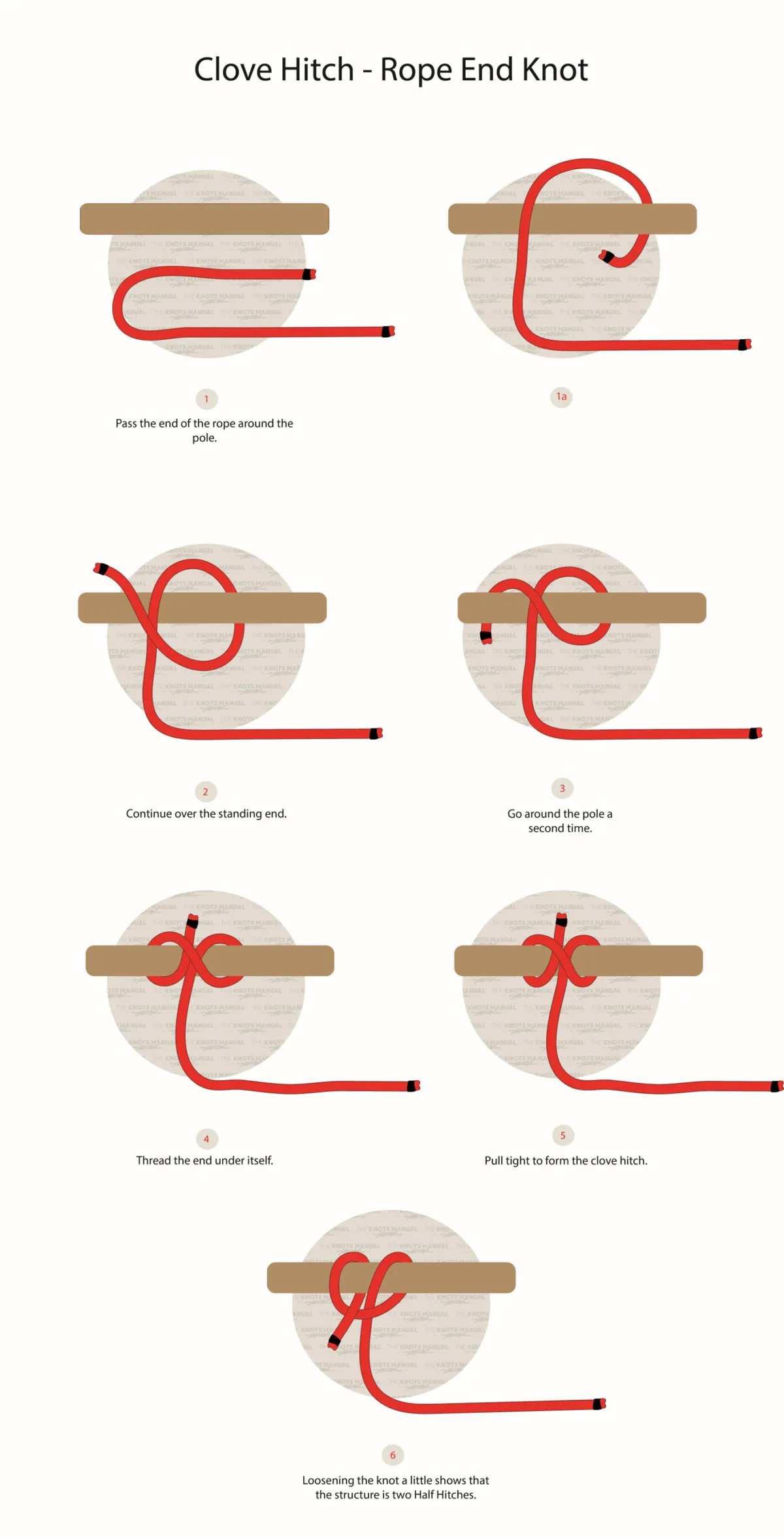
Knot choice decides whether a rope balustrade holds for years or loosens by spring. The wrong knot looks fine on installation day and quietly fails under sustained tension.
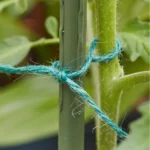
The clove hitch is the workhorse for outdoor post work. It grips firmly under load, adjusts easily, and works on both round and square timber. Use it at intermediate posts where you need a solid hold without bulk.
The figure-8 stopper knot works best as a tail behind a post hole. It's bulky enough to stop the rope pulling through and won't come undone under tension.
The timber hitch is a strong choice at the working end for longer spans. It cinches tighter as the load increases, which is exactly what you want on a tensioned balustrade run.
Avoid the reef knot for any load-bearing use. It looks tidy but can capsize and slip when the rope shifts direction under stress.
| Knot | Best Use | Load Bearing? |
|---|---|---|
| Clove hitch | Anchoring at intermediate posts | Yes |
| Figure-8 stopper | Tail knot behind post hole | Yes |
| Timber hitch | Tensioned working end | Yes |
| Reef knot | Avoid for outdoor tension | No |
For simple decorative edging rather than a full balustrade, natural garden cord paired with a figure-8 stopper is the simplest reliable starting point.
Mistakes That Cause Sagging, Rot, and Slipped Rope Over Time
The most common mistake is skipping rope end sealing. Cut ends fray fast outdoors and work loose from knots within weeks. For synthetic rope, a quick pass with a heat gun melts the fibres into a clean seal.
For natural rope, wrap the end with whipping cord or apply a PVA sealer before tying the first knot.
Equally damaging is using natural fibre rope in a high-moisture setting. Jute and sisal look great on day one but absorb every rain shower and never fully dry in UK autumn conditions. Real-world reports show visible rot within 12 to 18 months in north-facing or shaded deck installations.
Post holes drilled too tight also cause premature wear. The rope rubs against the post edge with every wind gust or tension shift. That steady abrasion cuts through outer fibres faster than UV or moisture.
Size your holes correctly and add a short plastic sleeve at each contact point to reduce friction.
Don't skip seasonal re-tensioning. Natural rope shrinks through winter wet-dry cycles and loosens noticeably by spring. A quick turnbuckle adjustment each year keeps the runs firm and the rope looking sharp.
UK Building Regulations and Safety Rules for Rope Balustrades
Domestic decking balustrades must reach a minimum height of 900mm above the deck surface. For commercial or public-facing spaces, that rises to 1100mm. Both requirements are set out in Approved Document K of the UK Building Regulations.
The 100mm gap rule carries equal weight. No opening in the infill should allow a 100mm sphere to pass through. This is the child entrapment standard, and eight rope runs on a 900mm balustrade at 100mm intervals satisfies it.
The structural load requirement is what most DIYers miss entirely. A balustrade must withstand a minimum horizontal imposed load of 0.36kN per metre. Decorative rope tensioned by hand won't meet this without anchored end posts, stainless eye bolt fittings, and turnbuckle-adjusted tension.
If you're unsure whether your setup is compliant, the Timber Decking and Cladding Association (TDCA) publishes installation guidance worth reviewing before the posts go in.
If your decking sits more than 300mm above ground level, it may trigger a building notice requirement with your local authority. A balustrade that fails the load spec won't pass building control sign-off. Get it right at the planning stage.
Frequently Asked Questions
How long does garden rope last on decking?
Natural rope lasts two to five years in typical UK conditions before rot or UV degradation becomes visible. Synthetic polypropylene or polyester rope regularly lasts ten to fifteen years with minimal maintenance. Shaded or north-facing decks age natural rope faster than open, sun-exposed installations.
Can I use jute rope for a rope balustrade?
Jute is not suitable for a structural balustrade. It degrades too quickly in wet weather and lacks the tensile strength needed for load-bearing infill. It works well as decorative post wrap or low-level edging where no safety function is required.
What diameter rope is best for decking balustrades?
Sixteen millimetres is the minimum for balustrade work. Most installations use 24mm for better visual presence and more consistent tension across longer spans. Thicker rope holds its shape between fixings and knots more reliably over time.
How do I stop garden rope from sagging between deck posts?
Sag is almost always a tensioning problem. Fit stainless steel turnbuckles at the end posts so you can tighten each run independently. Keep post spacing to 1.5m or less for 16mm rope, and use a heavier diameter or an intermediate post for wider spans.
Do I need planning permission for a rope balustrade on decking?
The balustrade itself rarely triggers planning permission. However, decking raised more than 300mm above ground level may need building regulations approval for the deck structure. Any rope balustrade within that structure must meet Approved Document K requirements for height and gap spacing.

Similar Posts