Garden Rope for Borders: A Simple How-To Guide
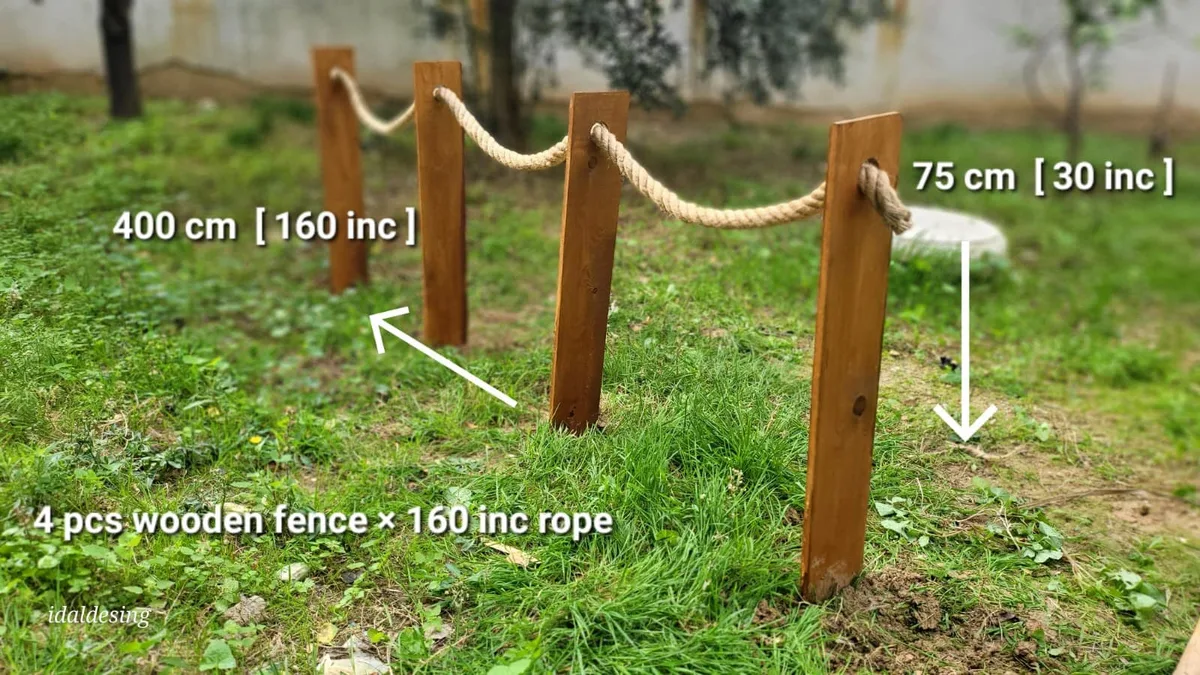
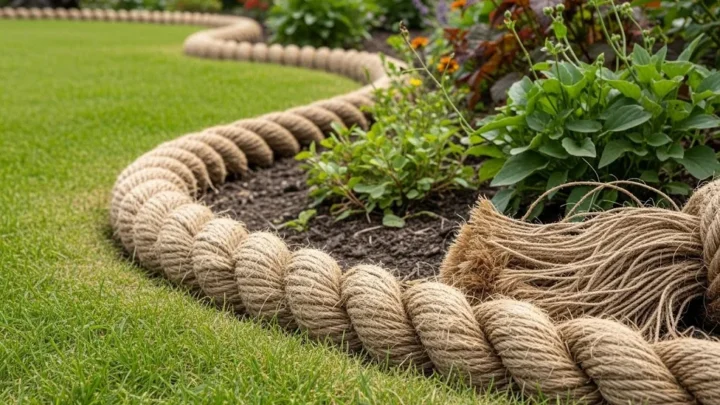
If you've been wondering how to use garden rope for garden borders, the answer is simpler than it looks. A spool of natural rope, a bag of stakes, and an afternoon is all it takes to give a bed or pathway a clean, defined edge.
The material choice matters more than most guides let on. Rope between 8mm and 16mm in diameter gives a border enough visual weight to read clearly at ground level. Get that right, along with consistent stake spacing and solid tension, and a rope border holds its shape for several seasons with very little upkeep.
Quick Answer
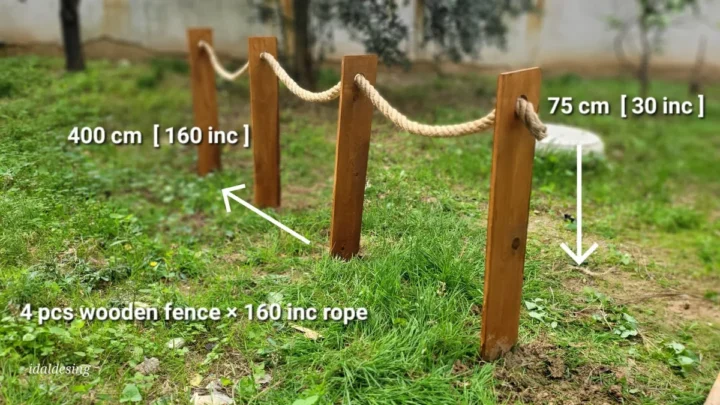
To use garden rope for garden borders, mark your border line first. Drive stakes into the ground every 30 to 60cm. Tie the rope securely to the first stake.
Pull it taut and loop or knot it around each stake as you go. Use 8mm to 16mm rope for a result that reads clearly at ground level.
What Makes Garden Rope a Practical Border Option (and When It Works Best)
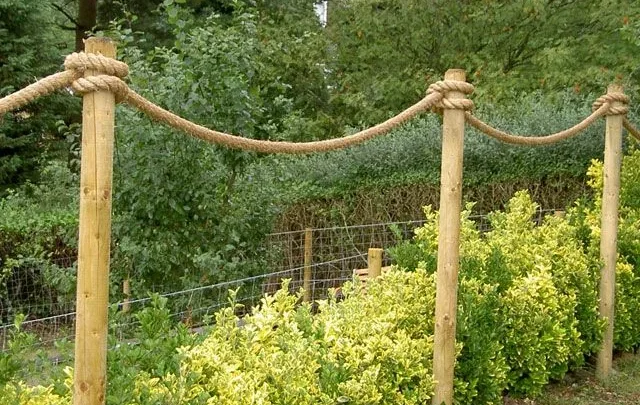
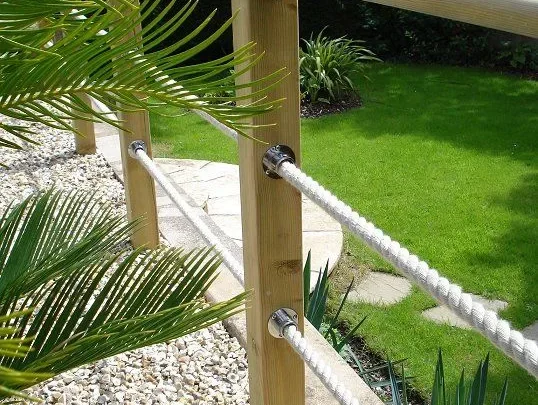
Garden rope borders work because they're flexible, affordable, and quick to install. There's no digging, no concrete, no specialist equipment. You get a defined edge that looks intentional without turning a weekend into a construction project.
They work particularly well in cottage gardens, kitchen plots, allotment pathways, and any space where a soft, natural aesthetic matters. They're also ideal for marking out a new bed before you commit to a permanent hard edge, since the whole setup pulls up and repositions in minutes.
The cost advantage compared to hard edging is real. A basic rope border typically costs a fraction of the equivalent length in brick, steel, or composite edging, and installation is measured in hours rather than days.
That said, rope won't stop grass creeping into a bed the way steel or deep-set plastic edging does. What it does brilliantly is provide visual definition and character. It pairs naturally with plant-supporting twines and ties already part of a productive garden setup.
If sustainability matters, biodegradable rope like coir or jute fits cleanly into a low-waste garden approach, breaking down in the soil once it reaches the end of its useful life.
Jute, Sisal, Coir, or Synthetic: Picking the Right Rope for Your Garden
The rope you choose affects lifespan, appearance, and how the border behaves in your specific climate. As of 2026, the four most practical options for visible garden border work are jute, sisal, coir, and polypropylene.

| Rope Type | Typical Outdoor Lifespan | Best For | Biodegradable |
|---|---|---|---|
| Jute | 1 to 3 years | Dry climates, seasonal borders | Yes |
| Sisal | 2 to 4 years | General temperate garden use | Yes |
| Coir (coconut fiber) | 3 to 5 years | Wet climates, long-term borders | Yes |
| Polypropylene | 7 to 10+ years | Permanent, low-maintenance installs | No |
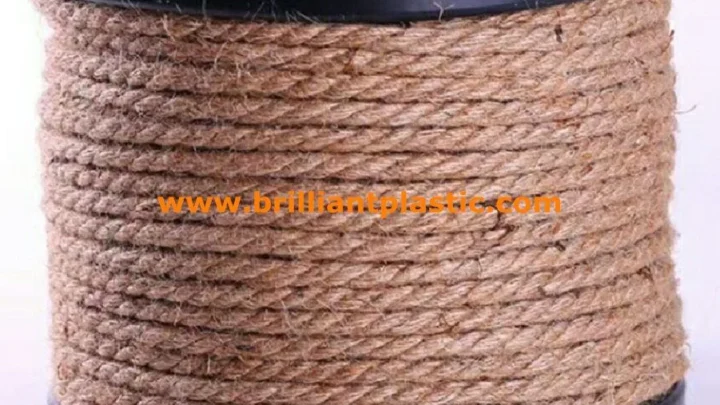
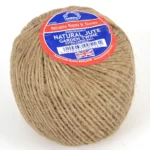
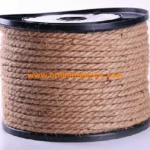
Jute rope is the most popular natural choice. It has a warm brown tone, costs very little per metre, and looks immediately at home in a garden setting. Its main weakness is moisture: consistent wet soil accelerates breakdown, sometimes within a single winter.
Sisal is marginally tougher and more mold-resistant than jute, making it a solid middle-ground for most temperate gardens. Hemp rope sits in a similar category and is worth considering if sisal isn't locally available.
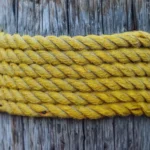
Coir is the most durable natural fiber. It's naturally resistant to moisture and salt, making it the best biodegradable pick for wet or coastal climates. Polypropylene wins on longevity but loses on aesthetics.
For a decorative border where appearance counts, natural fiber is almost always the better call.
Tools and Materials to Gather Before You Start
Having everything ready before you start makes the whole job run smoothly.
| Item | Notes |
|---|---|
| Garden rope (8 to 16mm diameter) | Measured to border length, plus 10% extra for knotting |
| Border stakes or edging pegs | Wood, bamboo, or galvanized metal; 30 to 40cm long |
| Club hammer or rubber mallet | For driving stakes without splitting |
| Measuring tape | For consistent, repeatable stake spacing |
| Sand, flour, or spray marker | To trace the border line before staking |
| Scissors or cable cutters | For cutting rope ends cleanly |
| Lighter or binding tape | Lighter for synthetic ends; tape for natural fiber |
One detail that catches people out: rope quantity. Measure your full perimeter, then add 10 to 15% for knotting allowance. Running short halfway through a border run is hard to fix neatly.
For stakes, 30cm works fine in firm, well-draining soil. In soft or waterlogged ground, go to 40cm minimum. Driving stakes to at least two-thirds of their length is the benchmark for reliable anchoring.
The Royal Horticultural Society offers detailed soil preparation guidance if your ground has drainage issues that could affect how well stakes hold over winter.
For a lighter decorative border rather than full structural rope, weather-resistant natural twine is a flexible alternative worth considering.
How to Install a Rope Garden Border Step by Step
Marking the Line and Spacing Your Stakes
Mark the border line on the ground before a single stake goes in. Use a trail of sand, flour, or spray marker to trace the path. For straight runs, stretch a string between two fixed anchor points as your guide.
For curves, lay a garden hose flat and trace its outline.
Place all stakes along the marked line before driving any of them. You can see the spacing clearly and adjust freely before committing. Standard spacing on straight runs is 30 to 60cm.
On curves, bring it down to 15 to 30cm.
Securing the Rope and Getting the Tension Right
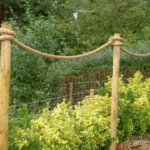
Tie the rope to your first stake with a double half-hitch or a cleat hitch. Both knots hold firmly and release cleanly if you need to adjust. Move along the line, pulling the rope taut before looping or knotting around each stake.
Consistent tension is what separates a crisp border from one that sags within a week.
In loose or sandy soil, avoid over-tightening. Too much tension gradually pulls stakes inward over several weeks.
How to Handle Curves and Corners Cleanly
Curves trip up most first-time installs. The fix is always closer stake spacing: 15cm apart on a tight arc keeps the rope following the shape naturally. Angle each stake very slightly toward the inside of the curve to resist the rope's outward pull.
At corners, drive one stake precisely at the turning point. Knot the rope fully to it before starting the new run. A knotted corner looks deliberate.
A simple loop creates slack that worsens over time.
The Most Common Rope Border Mistakes (and What to Do Instead)
These are the failure points that show up most often in garden forums and verified buyer feedback.
Stakes too shallow. Anything less than 15cm in the ground will tilt or pull free once rope tension and seasonal movement do their work. Drive deeper on corners and curves where the pull is highest. In soft or clay-heavy soil, 20cm is a better target.
Uneven stake spacing. Eyeballing gaps leads to a border that looks irregular, especially on straight runs. Measure every spacing until it becomes instinctive.
Skipping the line marker. Without a guide, even careful work tends to drift. Three minutes with sand or spray marker saves an hour of corrective staking.
Leaving rope ends to fray. Wrap natural rope ends with binding tape immediately after cutting. For synthetic rope, a quick pass with a lighter melts and seals the end cleanly.
Rope that's too thin. For heavier border projects, anything under 8mm disappears visually against soil and mulch. Go thicker than feels necessary.
Skipping corner knots. At any direction change, tie the rope fully to the stake rather than looping around it. A proper knot holds the angle. A loop creates slack that multiplies over time.
How Long Garden Rope Edging Lasts and How to Get More Life Out of It

Lifespan depends on rope material and your local climate. Jute in a dry, sheltered garden can look good for two to three years. The same jute in a consistently wet climate may start breaking down within twelve months.
Coir consistently outperforms other natural fibers in damp conditions. Aggregate user feedback from garden retailers confirms that coir rope borders in temperate, wet climates regularly reach the three-to-five-year mark before needing replacement.
To extend the life of any rope border:
- Inspect stakes every spring. Frost heave can loosen anchors over winter without them looking visibly shifted.
- Re-tension the rope at the start of each season. Natural fiber stretches as it absorbs and releases moisture.
- Treat wooden stakes with an exterior wood preservative before installation. Untreated timber in direct soil contact degrades significantly faster.
- Store leftover rope somewhere dry. Damp storage breaks down natural fiber before it even goes into the ground.
When a rope section starts looking grey, brittle, or frayed across more than a third of its length, replace that section rather than waiting for it to fail. Cut out the damaged length, overlap the new piece by at least one stake on each side, and tie off both ends cleanly.
Frequently Asked Questions
How far apart should stakes be for a rope garden border?
On straight runs, space stakes 30 to 60cm apart. On curves, reduce that to 15 to 30cm so the rope follows the arc cleanly. The tighter the curve, the closer the stakes need to be.
Consistent spacing matters more than hitting an exact number.
What is the best rope to use for garden edging?
Coir is the most durable natural option, lasting three to five years in temperate climates. Jute works well in drier conditions and costs less per metre. If longevity is the priority and aesthetics are secondary, polypropylene outlasts all natural fibers comfortably.
How do I keep garden rope taut between stakes?
Tie securely to the first stake and maintain firm tension as you loop around each subsequent one. Natural rope stretches with moisture changes, so re-tension at the start of each season. Closer stake spacing also reduces visible sag on longer straight runs.
Can I use garden rope edging in a wet or rainy climate?
Yes, but material choice matters. Jute breaks down quickly in consistently wet conditions. Coir is naturally moisture-resistant and holds up far better in damp gardens.
For coastal or very wet climates, coir or a UV-stable synthetic rope is the practical choice.
What rope diameter works best for garden borders?
8mm to 16mm is the recommended range for a border that reads clearly at ground level. Anything under 8mm tends to disappear against soil and mulch. For decorative borders where visual impact matters, 10mm to 12mm is a reliable default.

Similar Posts