Garden Rope for Climbing Plants: A Complete Guide
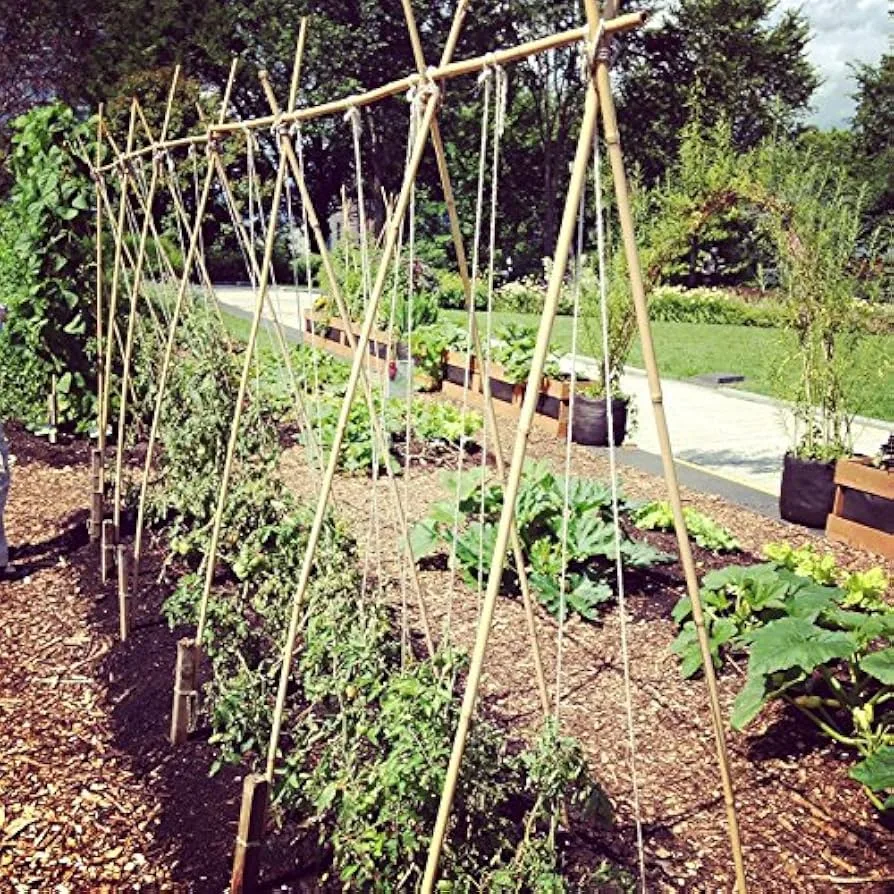
Knowing how to use garden rope for climbing plants is one of those skills that looks simple but gets messy fast. Tie it too tight and you'll strangle the stem. Use the wrong material and you're left picking plastic fragments from your beds at season end.
Get the method right, though, and your plants climb cleanly, produce more, and stay upright through summer storms.
The technique isn't complicated. In our research, jute twine at 2-3mm gauge handles most vegetable climbers well, while heavier plants like grapevines or wisteria need 4-6mm rope. Get the material and the method right, and the rest follows naturally.
Quick Answer
To use garden rope for climbing plants, anchor the rope to your support structure first. Then loop it loosely around the stem using a figure-eight shape. Leave a 1-2 cm gap inside the stem loop.
Add a fresh tie every 15-25 cm as the plant grows taller. Biodegradable jute or sisal twine makes end-of-season cleanup simple.
Why Garden Rope Makes or Breaks Your Climbing Plants
Most climbing plants don't self-support the way you'd expect. Tomatoes, beans, cucumbers, sweet peas, and cordon-trained roses all need a physical anchor to grow upward and carry their weight as the season progresses.
Without support, stems bend under fruit load, snap in wind, and drag foliage onto the soil. That soil contact is where fungal disease takes hold. A cordon tomato left unsupported in wet conditions can lose significant foliage to blight before you spot the problem.
Garden rope is cheap, flexible, and adaptable across every growing setup. No specialist tools, no expensive clip systems. But the material you choose and the way you tie it makes a real difference to how plants perform.
The Royal Horticultural Society recommends tying in climbing and scrambling plants throughout the growing season rather than doing it once at planting. That single habit prevents the majority of stem damage and wind-related losses.
Jute, Sisal, or Synthetic: Choosing the Right Rope for the Job
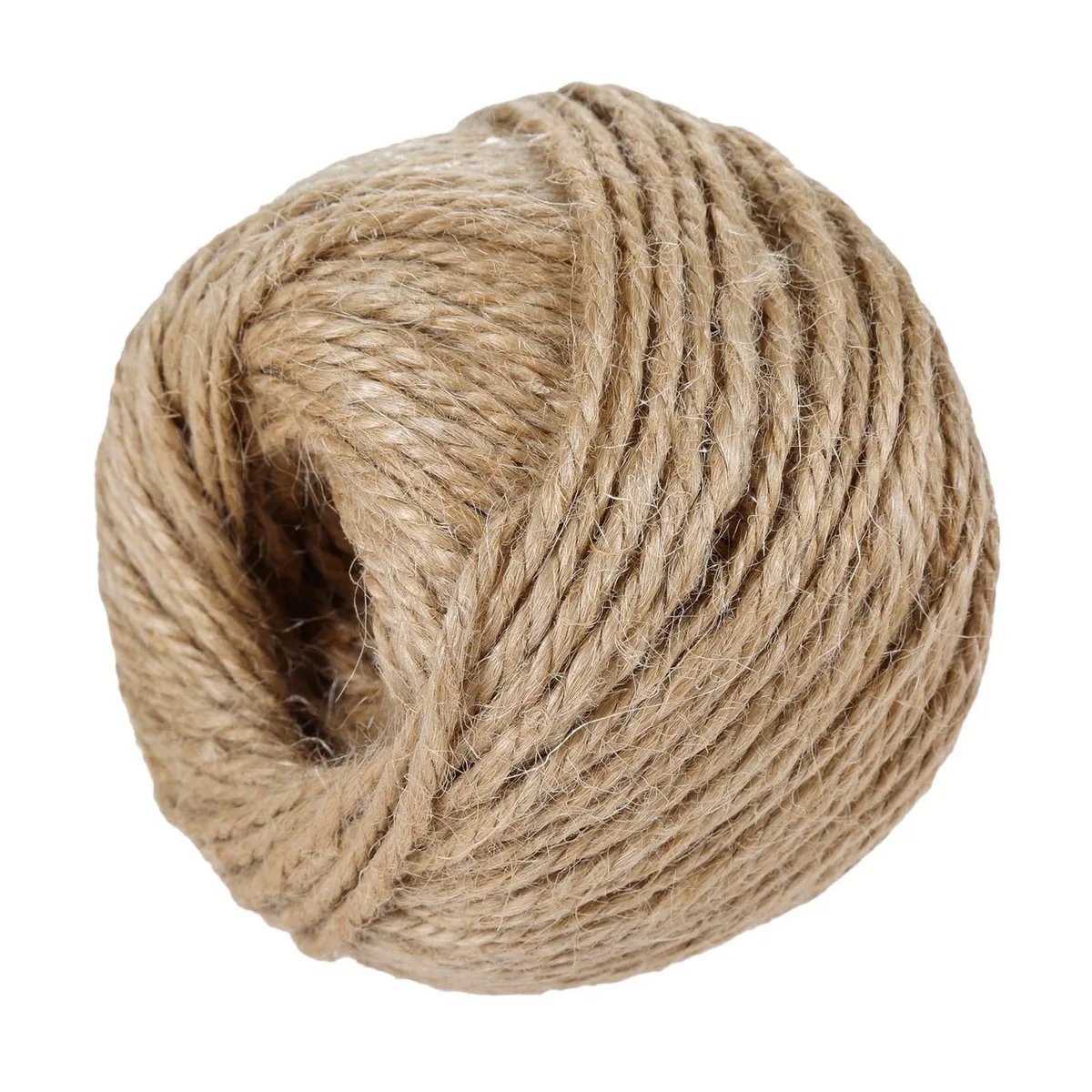
The rope you choose affects how plants grow, how easy cleanup is, and whether you're adding microplastic to your soil. Here's how the main options compare:
| Rope Type | Material | Breaks Down? | Best For |
|---|---|---|---|
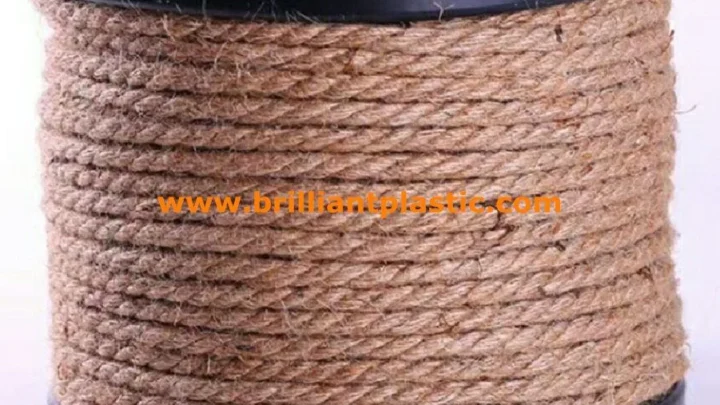
| Jute twine | Natural plant fibre | Yes (~2-6 months) | Vegetables, annual flowers |
| Sisal rope | Agave plant fibre | Yes (~1-2 years) | Heavier climbers |
| Coir twine | Coconut husk fibre | Yes | Delicate stems, roses |
| Polypropylene | Synthetic | No (400+ years) | Commercial greenhouse use |
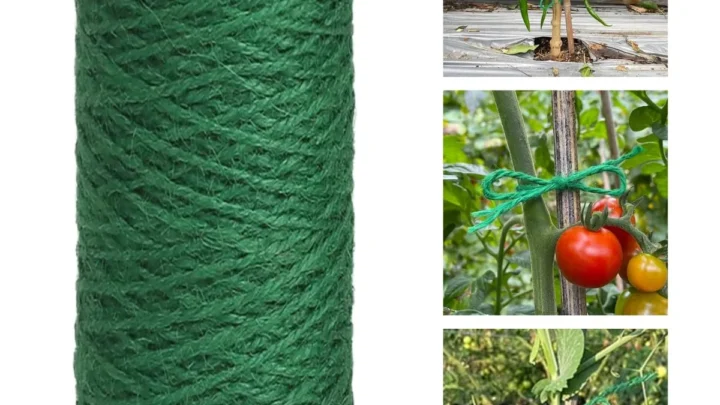
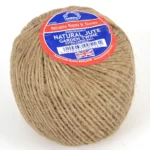
For most home gardeners, this widely used natural fibre at 2-3mm gauge is the right starting point. It's strong enough for tomatoes and beans and composts cleanly with plant waste when the season ends.
If you're growing heavier climbers like grapevines or climbing hydrangea, look at heavier-gauge options for woody plants or a higher-tensile natural fibre with a greater breaking strain.
Coir is the softest choice and worth using on anything with thin or fragile stems. Polypropylene works in commercial settings where multi-season reuse matters, but avoid it in organic and compost-based growing systems.
As of 2026, plant-friendly hemp twine is increasingly popular. It's naturally rot-resistant, holds knots reliably, and won't abrade tender stems.
How to Tie Garden Rope Without Damaging Your Plants
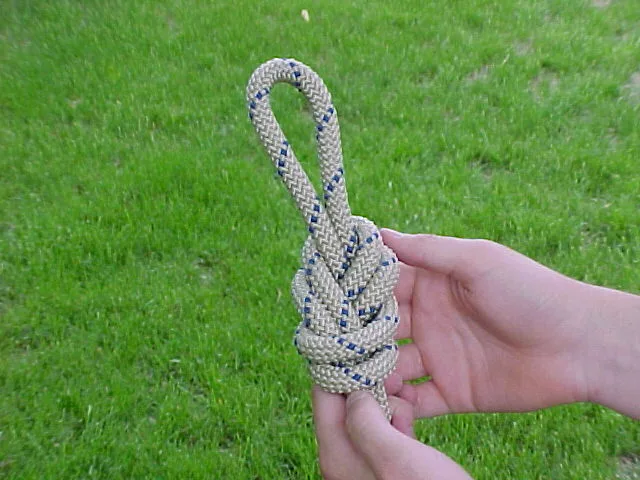
The tying method matters just as much as the rope type. This is where most mistakes happen.
The Figure-Eight Knot: The Right Way to Attach a Stem
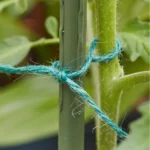
The figure-eight is the standard technique for good reason. Loop the rope around the support post or wire first, cross it over itself to form a figure-eight shape, then bring the second loop around the plant stem.
The crossed section sits between the stem and the support. That gap stops the rope from pressing the stem against a hard surface and allows natural movement as the plant sways.
Always leave 1-2 cm of slack inside the stem loop. A loop that fits snugly in spring will bite into the stem by late summer as the plant expands.
Anchoring to Canes, Trellis, and Wire Frames
Always anchor your rope to the structure before touching the plant. Tying to the stem first puts direct tension on it as you pull the knot tight.
For bamboo canes, wrap twice around the cane before tying off. For wire frames and trellis rails, a cleat hitch or double half-hitch holds firmly without slipping under plant weight.
Tie Spacing and Height Guidelines by Plant Type
| Plant | Tie Spacing | Rope Gauge |
|---|---|---|
| Peas / sweet peas | Every 20-25 cm | 2mm |
| Cucumbers / beans | Every 20 cm | 2-3mm |
| Tomatoes (cordon) | Every 15-20 cm | 3mm |
| Climbing roses | Every 25-30 cm | 3-4mm |
| Grapevines | Every 30 cm | 4-6mm |
For a dependable natural twine across veg crops, 2-3mm biodegradable options cover everything from pea vines to cordon tomatoes.
Matching Your Rope Technique to the Plant You're Growing
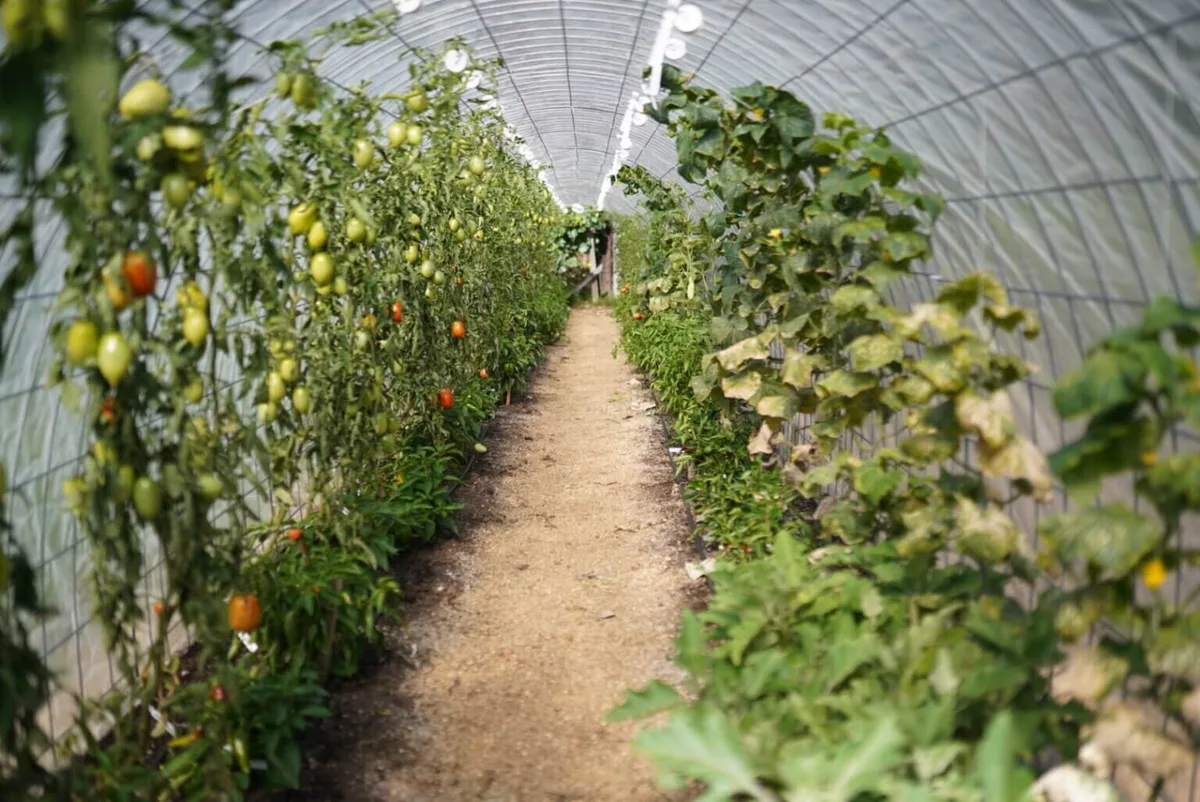
The method that works for a cordon tomato won't suit a clematis or a rambling rose. Match your approach to how the plant naturally grows.
Indeterminate tomatoes need consistent support on a single vertical main stem. The drop-string method works well in a greenhouse: anchor a long rope to an overhead rail, then twist it around the growing tip as it gains height. No individual ties needed at each node.
Beans and peas are natural twiners that grab canes and netting on their own. Guide the first shoots early with a light tie, though. Left unsupported for the first few weeks, they head in the wrong direction and become hard to redirect.
Climbing and rambling roses benefit from lateral training. Rather than tying shoots vertically, bring them toward horizontal and secure them along a wall wire or fence rail. Horizontal canes produce far more flowering side shoots.
Use soft coir twine to avoid abrasion on rose bark.
Clematis has hollow stems that snap easily. Use 2mm soft twine, keep the figure-eight loose, and never pull the stem toward the support at a sharp angle.
Grapevines and wisteria are heavy once established. Both need 4-6mm sisal or a robust woven natural rope anchored to solid supports. Training the permanent framework in the first two seasons makes ongoing tying far simpler.
The Mistakes That Strangle, Snap, and Set You Back
Most rope-related plant damage comes from a handful of predictable errors.
- Tying too tight. A snug loop in May becomes a strangling wire by August. Always leave 1-2 cm of slack inside the stem loop.
- Tying to the stem first. This pulls the stem sideways as you tighten the knot. Anchor to the structure first, then loop around the stem.
- Using rough rope on delicate stems. Sisal and polypropylene on thin stems causes bark scraping. Use coir or soft jute on anything fragile.
- Not checking ties through the season. A tie that was fine six weeks ago may now be cutting in. Check every two to three weeks during peak growth.
- Using zip ties or wire. These have no give. As the stem expands, they cut straight through. Stick to plant-appropriate twine.
- Waiting too long to start tying. Stems that have flopped over rarely straighten out. Start early and add new tie points as the plant grows.
- A single tie on a tall stem. One tie on a cordon tomato leaves everything above unsupported. Add a fresh tie for every 20 cm of new growth.
Checking and Adjusting Ties Through the Growing Season
Tying your plants once and walking away is a recipe for problems. Stems grow, swell, and change direction all season long.
Check all ties every two to three weeks during active growth. Look for two things: ties that have tightened around expanding stems, and stems that have grown past their highest tie point with no support above.
If a tie has visibly bitten into the bark, remove it carefully and retie with fresh rope above the damaged area. Most plants recover well if you catch it early. Prolonged constriction cuts off sap flow and stunts everything above that point.
At the end of the season, cut all ties cleanly before pulling out supports. Trying to unwind old knotted twine from dried stems tears bark. Biodegradable twine composts with the plant material, which makes it far easier to clear up than polypropylene.
For plants that overwinter in place (climbing roses, wisteria, grapevines), inspect ties in late autumn and again in early spring. Woody stems keep expanding even when dormant. A tie placed in summer can be surprisingly tight by the following March.
Frequently Asked Questions
What is the best knot for tying climbing plants to a support?
The figure-eight knot is the most reliable choice. It creates a buffer between the stem and the support, distributes pressure evenly, and holds without slipping. A simple loop knot works for very light stems like sweet peas, but on anything heavier, the figure-eight is the practical standard.
How often should I check ties on climbing plants?
Check every two to three weeks during the growing season. Fast-growing plants like cordon tomatoes may need a new tie point weekly during peak summer growth. A quick visual check takes only a few minutes and prevents the most common causes of stem damage and yield loss.
Can I use the same rope for both heavy and light climbing plants?
Not ideally. Light climbers like peas and sweet peas need 2mm soft twine that won't abrade fragile stems. Heavy climbers like grapevines or wisteria need 4-6mm rope with a greater breaking strain.
Using undersized rope on heavy plants risks the tie snapping under full fruit or stem weight.
Is biodegradable twine strong enough to last a full growing season?
Yes, for most plants and conditions. Jute twine at 2-3mm has a breaking strain of roughly 8-20kg depending on ply, which handles vegetables and most ornamental climbers well. It does soften after prolonged wet weather, so inspect it more frequently if your season is particularly rainy.
Does garden rope ever need replacing mid-season?
Sometimes. Natural fibre twine can degrade faster than expected in a wet summer. If a tie looks frayed or feels soft and weak, replace it before the plant puts full weight on it.
Synthetic rope won't degrade mid-season but can still slip if the original knot wasn't tied correctly.

Similar Posts