Is Jute Rope Weatherproof? The Truth Explained
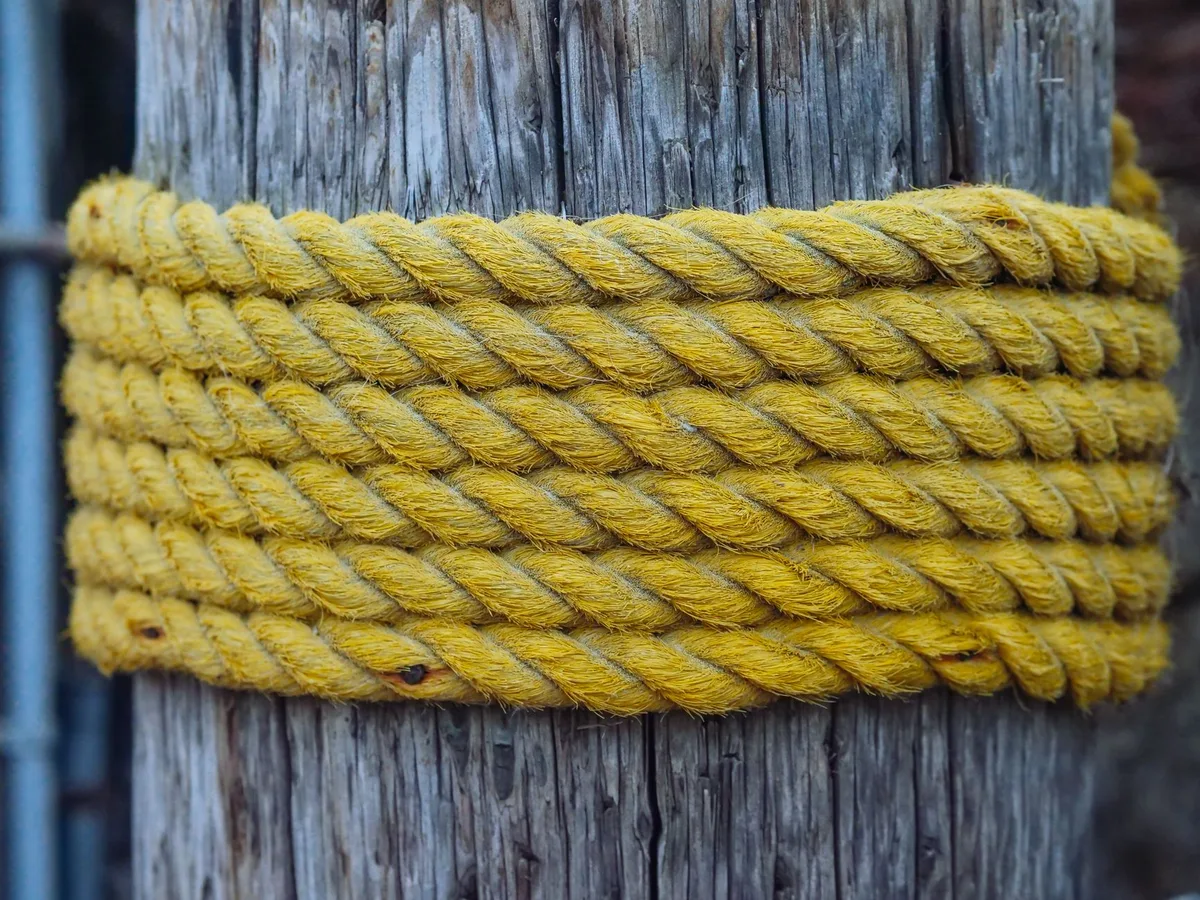
Is jute rope weatherproof? No. Jute is a natural plant fiber that absorbs moisture quickly, loses strength when wet, and breaks down outdoors far faster than most buyers expect.
That said, it's not a flat "never use it outside." Jute handles short, dry spells reasonably well, and as of 2026, commercially treated versions hold up noticeably better than raw rope. FAO fiber research confirms jute absorbs roughly 15 to 20 percent of its own weight in water, directly weakening its structure. Your climate, intended use, and exposure level determine the real answer.
The Short Answer: No — But It's More Complicated Than That
Jute rope is not weatherproof. It absorbs moisture fast and weakens when wet. Untreated jute can begin rotting within a few weeks outdoors.
Treated or waxed jute buys more time, but still has real limits. Moisture, UV exposure, and mold are the three main causes of failure.
Why Jute Breaks Down Outdoors (The Material Science, Simply Explained)
Jute fibers come from the stalks of the Corchorus plant. They're lightweight, biodegradable, and naturally porous. That porosity is exactly what causes problems outside.
When jute gets wet, it swells and loses tensile strength rapidly. Textile fiber studies show strength losses of 20 to 40 percent when jute is fully saturated. The rope goes limp when wet, stiff as it dries, then brittle over repeated cycles.
UV exposure compounds the damage. Direct sunlight breaks down cellulose within jute fibers from the surface inward. Within days of full sun exposure, surface fibers begin to weaken and fray.
After a few weeks, both color and structural integrity are compromised.
Then there's mold. Damp jute is an ideal environment for mold and mildew, particularly in humid spots. Once mold penetrates deep into the fiber bundle, strength drops sharply.
Drying the rope out afterward doesn't reverse that damage.

If you're tying up plants with jute during a dry spell, the problems may not surface immediately. But once regular rain arrives, deterioration accelerates fast.
The Variables That Change Everything
The real question isn't just "is jute weatherproof?" It's "will jute work for my situation?" Four variables decide that.
Climate and Rainfall
In persistently wet climates, including the UK, Ireland, and the US Pacific Northwest, untreated jute can show visible rot within two to four weeks. Humidity, rainfall, and poor drying conditions all accelerate breakdown.
In drier climates, the US Southwest, parts of Australia, and the Mediterranean, jute performs noticeably better in sheltered spots. Limited persistent moisture gives the fiber a much longer usable window.
Sheltered vs. Fully Exposed Placement
A covered pergola, barn overhang, or shaded garden nook changes the picture considerably. Rope that consistently avoids direct rain and heavy dew can remain functional for several months. Fully exposed rope faces rain, dew, and UV every day with no recovery time between.
Decorative vs. Load-Bearing Use
For light garden support or short-term decorative work, gradual degradation is acceptable. For anything load-bearing outdoors, jute is genuinely unsafe. It can lose 20 to 40 percent of its tensile strength without any visible surface warning.
Treated vs. Untreated Jute Rope
Raw jute has essentially no inherent water resistance. Waxed or linseed-oiled jute, whether treated commercially or at home, provides a temporary but meaningful moisture barrier. The coating wears off with time and needs periodic reapplication to stay effective.
When Jute Rope Is Fine Outdoors — and When It Isn't
Here's the practical breakdown for your situation.
Jute works outdoors when:
- Use is short-term, a few days to two or three weeks
- The rope stays mostly dry or sheltered from direct rain
- The purpose is decorative, not structural
- You're in a dry or low-humidity climate
- It's a seasonal, compostable garden tie you'll replace each growing season
Jute struggles outdoors when:
- You're in a wet, humid, or coastal climate
- The rope needs to hold meaningful weight
- Exposure will be long-term, months or more
- It faces direct sun and rain daily with no shelter
- The use involves any safety or structural risk
Here's the pattern: if the rope gets genuinely wet more than once, expect weakening. Wet repeatedly over several weeks, expect failure. These aren't edge cases.
They're normal conditions across most of the UK and large parts of the US.
For anything longer-term or weight-bearing, stronger natural twine made from sisal, manila, or coir will serve you far better.
How to Waterproof Jute Rope and Extend Its Outdoor Life
You can't make jute fully weatherproof. But two practical treatments slow its degradation significantly: linseed oil and beeswax.
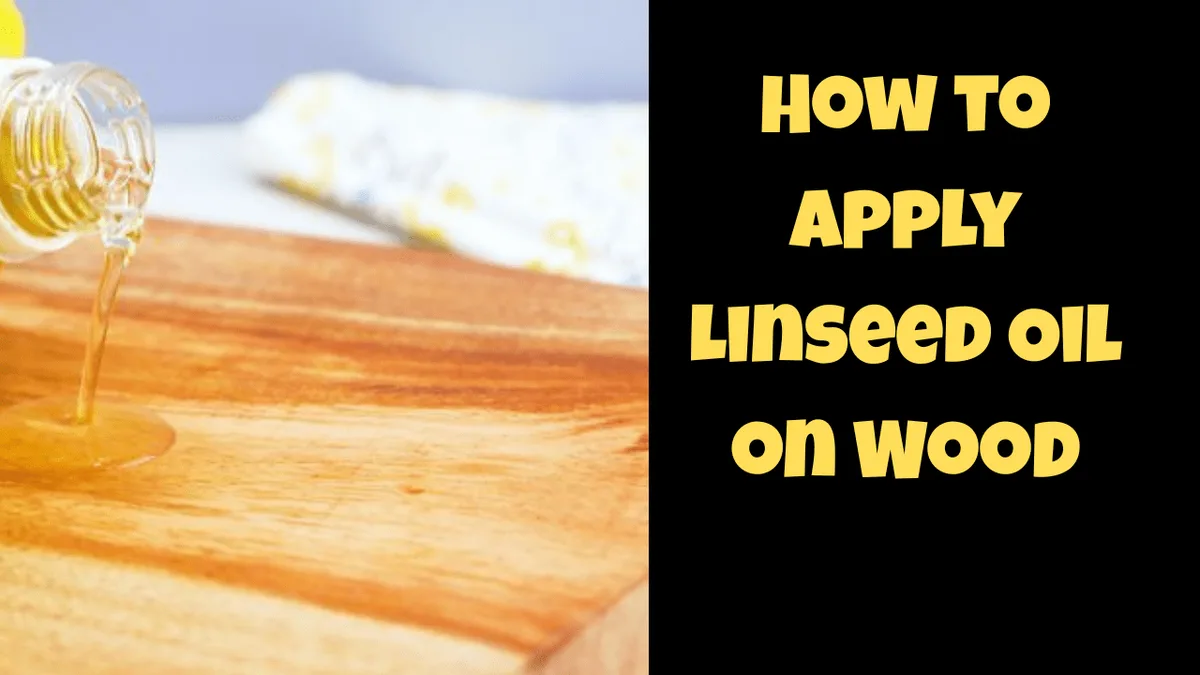
Linseed oil method:
- Use boiled linseed oil (it penetrates and dries faster than raw).
- Submerge or thoroughly coat the rope in oil.
- Work the oil into the fibers by hand for even coverage.
- Hang in a warm, ventilated area.
- Allow 24 to 48 hours of drying time before outdoor use.
Beeswax method:
- Gently melt beeswax in a double boiler.
- Run the rope slowly through the warm liquid wax.
- Work the wax into the braid with your hands while it's still warm.
- Allow it to cool and set fully before outdoor use.
Aggregate user reports suggest treated jute lasts two to three times longer outdoors than untreated rope under comparable conditions. That's still not a permanent fix.
The coating wears off every couple of months, faster in wet or high-UV conditions. Reapply as soon as the rope starts absorbing water visibly again. OSHA's rope safety guidelines require load-bearing rope to be rated for the intended material and environmental conditions.
Treated jute doesn't meet that standard outdoors.
For outdoor jobs that demand real durability, plant-safe hemp twine handles moisture and UV far better than jute while staying fully biodegradable.
Jute vs. Sisal, Manila, Coir, and Synthetic Rope: Which Holds Up Better Outside?
If you've decided jute won't work for your project, several alternatives hold up considerably better outdoors.

| Rope Type | Weather Resistance | Outdoor Lifespan (approx.) | Best Outdoor Use |
|---|---|---|---|
| Jute (untreated) | Poor | 2–8 weeks | Dry, sheltered, short-term decorative |
| Jute (treated) | Low | 2–4 months | Short-term decorative, dry climates only |
| Sisal | Moderate | 6–12 months | Garden support, light outdoor rigging |
| Manila | Good | 1–3 years | Outdoor rigging, moderate loads |
| Coir (coconut) | Good | 1–3 years | Wet climates, mulching, marine-adjacent |
| Hemp | Moderate | 6–18 months | Garden bundling, outdoor craft |
| Polypropylene | Excellent | 5+ years | Permanent outdoor, marine use |
| Polyester | Excellent | 5+ years | High-UV outdoor, load-bearing |
Sisal is the most practical upgrade from jute for garden work. It's similarly priced, still biodegradable, and handles moderate moisture far better. For wet climates or longer-term use, coir or manila is the smarter choice.
Hemp sits between sisal and manila in durability. It resists moisture better than jute, stays compostable, and suits garden bundling and outdoor craft work well. It's worth the switch if weather performance matters more than cost.
Synthetic options like polypropylene and polyester don't rot, mold, or weaken in rain. The tradeoff is environmental: they aren't compostable and can shed microplastics with wear. For a full look at natural rope choices by condition, our garden twine range covers options across different exposure levels.
Frequently Asked Questions
How long does jute rope last outside?
Untreated jute rope typically lasts two to eight weeks outdoors, depending on climate and exposure. In wet climates, visible rot can appear within two to four weeks. In dry climates with shelter, it may hold up two to three months before significant degradation sets in.
Can you use jute rope in the rain?
Not reliably. Jute absorbs water quickly and loses significant tensile strength when saturated. A single downpour won't destroy it immediately, but repeated exposure accelerates mold, fiber rot, and structural failure.
If your rope will regularly get rained on, jute is the wrong material for the job.
Is waxed jute rope waterproof?
No. Waxed jute is more moisture-resistant than raw rope, but it's not waterproof. The coating slows water absorption and buys extra time outdoors.
It needs reapplying every couple of months and won't prevent mold or rot in persistently wet conditions.
What natural rope holds up best outside?
For light outdoor use, sisal is the best upgrade from jute at a similar price point. For wet climates or more demanding applications, coir and manila perform significantly better. Of the commonly available natural fiber options, coir handles sustained moisture most reliably.
Does jute rope go moldy outside?
Yes, and quickly. Mold growth begins within days of sustained damp conditions. Once it penetrates the fiber bundle, the rope loses structural strength and drying it out won't recover it.
In warm, humid climates, mold is essentially unavoidable if jute is left outside.

Similar Posts