How to Use Bamboo Canes in Your Garden

If you've ever wondered how to use bamboo canes in the garden, the answer is broader than most people expect. They're cheap, lightweight, and genuinely versatile. A single bundle can serve as an upright stake one day and a full bean-row frame the next.
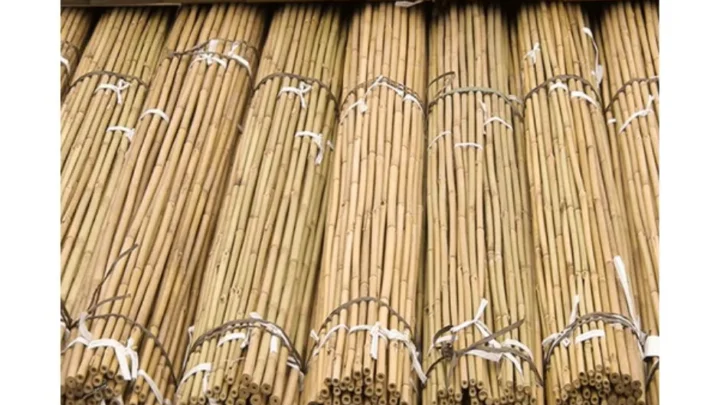
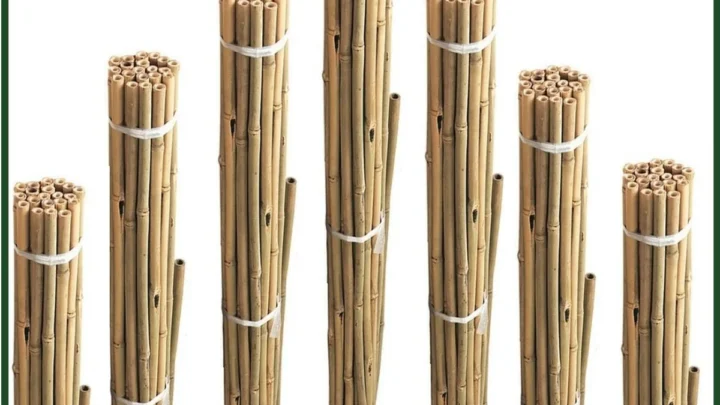
Bamboo canes come in lengths from 60cm to 3m and diameters from 6mm to 16mm. Choosing the wrong size is where most growers go wrong. Get it right and a set of canes will hold up through a full season, often for several years running.
Quick Answer
Bamboo canes support plants by acting as stakes, frames, or growing structures. Push each cane at least one-third of its length into the soil. Tie plants using a loose figure-of-eight knot.
Always fit a safety cap on canes at waist height or above. A 1.8m cane suits cordon tomatoes. A 2.4m cane handles runner beans well.
What Bamboo Canes Can Actually Do in the Garden
Most gardeners use bamboo canes for one or two things. In practice, they handle far more, and knowing the full range saves you buying separate kit for every job.
Single Stake Support
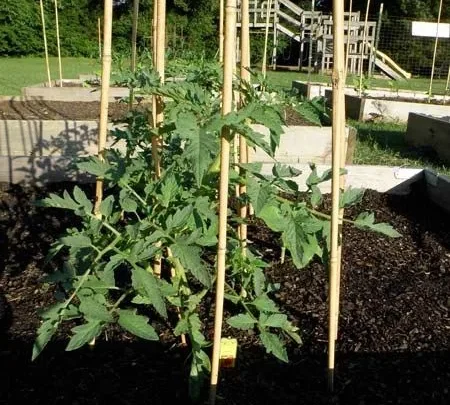
A single cane is the standard fix for tall or top-heavy plants. Dahlias, gladioli, sunflowers, and cordon tomatoes all need this kind of upright support. Drive the cane in close to the main stem, then tie at the base, mid-height, and just below the flower head.
Row and Frame Structures
The double-row A-frame is the go-to structure for climbing beans. Two rows of canes angle inward, cross at the top, and are lashed at each junction. A horizontal ridge cane runs the full length through the V-shaped crossings and locks everything together.
This structure distributes crop weight evenly and stands up to wind far better than a loose row of individual stakes.
Wigwam and Tripod Builds
A wigwam uses 4 to 8 canes arranged in a circle, tilted inward, and lashed at the top. It suits runner beans, sweet peas, and climbing cucumbers in open beds or large containers.
For stability, the base circle should be roughly one-third of the total structure height in diameter. A 1.8m wigwam needs a base at least 60cm across to avoid splaying under a full crop.
Low Markers, Tunnels, and Creative Uses
Short canes at 60 to 90cm mark seed rows and protect freshly sown patches. Bent into hoops and pushed into soil at intervals, they form frames for fleece or netting.
For peas, a row of short canes with natural cord woven horizontally between them creates a fast, effective pea net that takes under ten minutes to set up.
Picking the Right Cane: Length and Diameter by Plant Type
The most common mistake is grabbing a short, thin cane for a plant that needs height and strength. A 6mm cane that handles a sweet pea seedling in May will snap under a fully loaded tomato by late July. Matching cane specs to the plant avoids costly mid-season failures.
| Plant | Recommended Length | Minimum Diameter |
|---|---|---|
| Cordon tomato | 1.8m | 10mm |
| Runner beans | 2.4m | 10mm |
| Sweet peas | 1.5m to 1.8m | 8mm |
| Dahlias | 1.2m to 1.5m | 10mm |
| Gladioli | 1.2m | 8mm |
| Peas (row support) | 90cm to 1.2m | 6mm to 8mm |
| Seedling row markers | 30cm to 60cm | 6mm |
| Cucumber (greenhouse) | 1.8m to 2.1m | 10mm |
On exposed or windy plots, go one size up in diameter. The added stiffness is worth the small extra cost.
Untreated bamboo has a typical outdoor lifespan of two to five seasons. As of 2026, a bundle of 10 canes at 1.8m retails between £3 and £12 depending on diameter and supplier.
How to Build a Wigwam or Bean Row Frame Step by Step
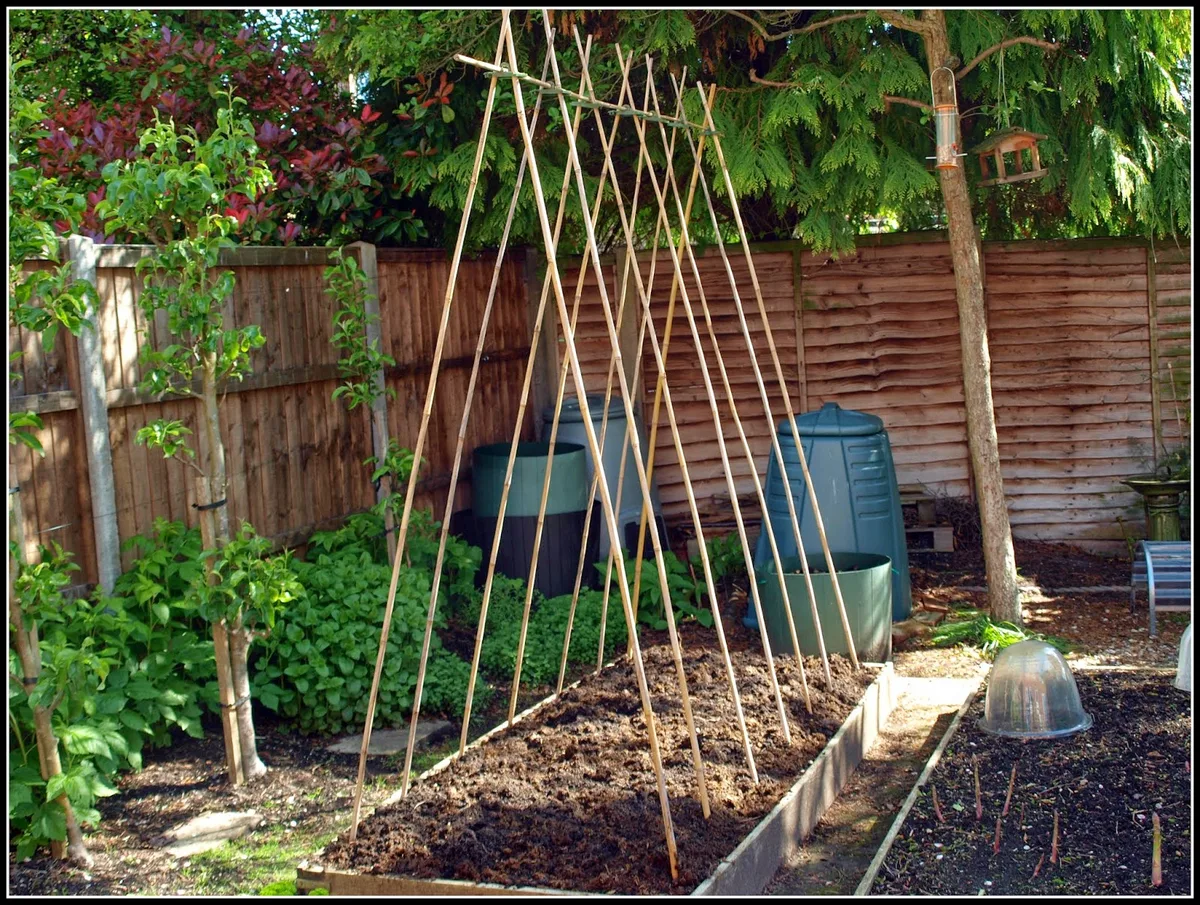
These two structures cover most climbing plant situations. A wigwam works for a single planting spot. An A-frame suits a long row.
Both stay solid when the key steps are followed correctly.
Wigwam Method
- Push 6 to 8 canes into the ground in a circle, evenly spaced, with a base diameter of 30 to 60cm.
- Angle each cane inward by about 15 to 20 degrees.
- Gather the tops together and lash with a clove hitch, wrapping the twine several times before securing.
- Add a mid-height collar using plant-safe hemp cord to stop the frame splaying under wind or a heavy crop.
- Plant one climber at the base of each cane.
If you feel wobble in the finished frame, add a second collar halfway down the structure.
Double-Row A-Frame Method
- Mark two parallel rows 40 to 50cm apart along the length of the bed.
- Push cane pairs into the soil every 25 to 30cm, one on each row, angling each pair inward until they cross 10 to 20cm above the top.
- Lash each crossing point firmly.
- Lay a horizontal ridge cane in the V-junction running the full length of the row.
- Tie the ridge cane at every junction using heavy-duty natural twine.
The ridge cane is not optional. It locks the entire structure together. Without it, the pairs collapse inward once the crop gets heavy.
How to Stake Individual Plants the Right Way

Single-stake support looks simple, but small errors cause real damage. Too close to the stem and you pierce roots. Too tight and you strangle it.
The right approach takes two minutes and holds reliably all season.
Positioning and Depth
Position the cane 5 to 8cm from the main stem. On windy plots, place it on the windward side so the plant leans gently into the cane rather than away from it.
Drive it deep enough that one-third of the total length sits underground. A 1.8m cane needs at least 60cm in the soil. If you can rock the cane by gripping near the top, it hasn't gone in far enough.
Tying Without Damaging the Stem
The figure-of-eight tie is the method the Royal Horticultural Society recommends for single-stake support. Loop twine around the stake, cross it over, then loop around the stem, with the cross-point sitting between them as a cushion. The stem sits in the loop, not pressed flat against the cane.
Leave a finger's width of slack. Stems swell through the season, and a snug tie in May can constrict growth by August. Soft jute cord is well suited here.
It won't cut into plant tissue the way nylon or wire does.
Retie at the base, mid-height, and just below the fruiting zone. Check and loosen every few weeks as the stem thickens.
Mistakes That Damage Plants (and One That Sends Gardeners to A&E)

Most cane problems come down to a short list of avoidable errors. These are the ones that actually cost gardeners plants, and sometimes much more.
Skipping the safety cap. This is the most serious mistake. Uncapped bamboo canes at eye level are a real injury hazard. The Royal Society for the Prevention of Accidents flags garden cane eye injuries as a consistent source of preventable A&E visits.
Fit a rubber or plastic mushroom cap on every cane at waist height or above.
Using an undersized cane. A 6mm cane cannot support a fully loaded 2m tomato or mature dahlia. Base your choice on the plant's end-of-season weight, not its size at planting.
Tying too tight. A tie that fits well in spring becomes a problem by midsummer. Always leave slack. Use a soft, biodegradable tying cord that gives slightly under pressure rather than cutting in.
Not driving deep enough. A cane that rocks when loaded damages roots with every gust of wind. Check it's firm before you tie anything to it.
Leaving canes in wet soil all winter. Bamboo breaks down fastest at the soil line. Pull canes at season's end, brush off the soil, and store them dry. This one habit alone can add two or three seasons to their useful life.
How to Make Bamboo Canes Last Multiple Seasons
Good end-of-season care is the single biggest factor in how long canes last. A few simple steps at the close of the growing season pay back across several seasons after.
Pull canes from the soil before the first hard frost. Knock off the dirt, then wipe each cane down with a damp cloth to clear plant sap, debris, and fungal residue.
If you've used canes near plants affected by blight or rust, rinse them with a mild garden disinfectant before storing. This stops disease transferring to next year's crops on the same structure.
Before storing, inspect each cane. Discard any with lengthways splits or black patches near the base. A cane that feels noticeably lighter than when you bought it usually has its internal walls starting to break down.
Store canes horizontally in a cool, dry place off the ground. A shed shelf or a pair of wall hooks works well. Storing them upright lets moisture pool inside the hollow internodes and speeds up internal decay.
Bundle canes by length and diameter so they're easy to find at the start of next season. Wrap each bundle with a loop of garden-safe natural cord to keep things tidy and stop canes rattling and splitting against each other.
Frequently Asked Questions
How long do bamboo garden canes last outdoors?
Untreated bamboo canes last two to five seasons outdoors. Storage makes the biggest difference. Canes cleaned at season's end and kept dry and horizontal in a shed regularly reach five seasons or more.
Left in wet ground all winter, they rarely survive past two.
Can I use bamboo canes for plants growing in containers?
Yes, and they work well in pots. A wigwam of 4 to 5 canes suits a large container growing climbing beans, sweet peas, or cucumbers. Use 1.5m to 1.8m canes and push them deep into the compost to compensate for the shallower rooting depth.
Choose a wide, stable pot over a tall, narrow one.
What is the best twine for tying plants to bamboo canes?
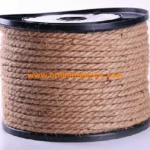
Soft natural twines like jute and hemp are the best choice. They're gentle on stems, biodegrade at the end of the season, and won't cut into plant tissue the way nylon or wire does. Keep a few different weights on hand so you have the right option for each job.
How deep should I push a bamboo cane into the ground?
At least one-third of the cane's total length must sit underground. A 1.8m cane needs roughly 60cm buried. On soft or sandy soil, go deeper still.
If the cane rocks when you grip and push near the top, it hasn't gone far enough to support the plant properly.
Do bamboo canes need treating before first use?
No. Standard garden bamboo canes are naturally rot-resistant and ready to use straight from the bundle. For longer life, standing the base end in a wood preservative for 24 hours before the first season can slow breakdown at the soil line.
It's a useful extra step, not a requirement.

Similar Posts