How to Weatherproof Natural Rope: Keep It Strong Outdoors
Founder & Lead Horticulturist at Gardener Expert · RHS Master of Horticulture, Certified Professional Horticulturist (CPH) · 16+ years in residential organic gardening, plant propagation, and structural plant training
Knowing how to weatherproof natural rope isn't complicated. But getting the method wrong can cost you an entire batch after one wet season. Natural fibers like manila, hemp, sisal, and jute are hygroscopic.
They pull moisture from the air and hold it deep inside the twisted structure, creating ideal conditions for rot and mold.
According to USDA research on natural fiber durability, untreated manila rope in full outdoor exposure can lose significant tensile strength within one to two seasons. The right treatment depends on fiber type, local climate, and what the rope is used for. That's the decision this guide works through, step by step.
Quick Answer
Apply a penetrating oil or wax to weatherproof natural rope. Choose the treatment based on fiber type and environment. Beeswax and boiled linseed oil suit most outdoor and garden use.
Pine tar or tung oil works better in marine conditions. Always dry the rope fully before treating. Reapply every six to twelve months.
Why Natural Rope Breaks Down Outdoors Faster Than You'd Expect
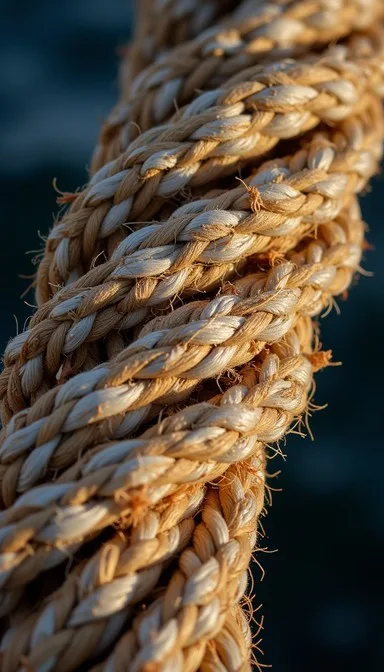
Natural fibers don't just get wet on the surface. They're hygroscopic, meaning they draw moisture inward and hold it inside the rope's twisted structure. That trapped dampness lingers long after outside conditions have dried.
Once moisture is locked in, fungal rot begins breaking down cellulose fibers from the inside. Repeated wet-dry cycles add mechanical fatigue on top of that. By the time deterioration shows on the surface, internal damage is often already advanced.
UV exposure is a separate but equally serious threat. Direct sunlight oxidizes natural fibers, turning them brittle and chalky. In high-UV climates, noticeable degradation can appear within a single growing season on unprotected rope.
Coastal environments add salt to the equation. When salt-laden water evaporates from rope, crystals deposit inside the lay. Every time the rope flexes, those crystals act as microscopic cutting edges against the fiber.
Treating rope before rot or UV damage sets in costs far less than replacing failed cordage mid-season. If you're relying on plant-supporting hemp twine in an outdoor garden setup, the same deterioration process applies.
Rope Type First: How Manila, Hemp, Sisal, Jute, and Cotton Each Weather
The right treatment starts with knowing your rope's fiber. Each natural material has a different baseline resistance to moisture, rot, and UV. Pick the wrong treatment for the fiber type and the whole effort falls apart.

| Rope Type | Moisture Resistance | UV Tolerance | Best Treatment Approach |
|---|---|---|---|
| Manila | Moderate | Good | Linseed oil, pine tar |
| Hemp | Moderate to good | Moderate | Beeswax, tung oil |
| Sisal | Low | Poor | Boiled linseed oil, light beeswax |
| Jute | Very low | Poor | Light beeswax coat only |
| Cotton | Low | Poor | Thin beeswax coat, not heavy oil |
Manila is the most durable natural fiber for outdoor use and absorbs oil-based treatments well. Hemp has naturally better rot resistance than sisal or jute, making it a reliable choice for garden applications. If you use jute for tying climbing plants, note that it has the lowest natural resistance and won't hold up to prolonged moisture, even when treated.
Sisal is strong for its weight but breaks down quickly under repeated wetting. Cotton absorbs water aggressively and needs a breathable wax treatment rather than a heavy oil soak. Always identify the fiber type before choosing a product.
Check the packaging or ask your supplier if you're unsure.
How to Choose the Right Weatherproofing Treatment for Your Rope and Environment
Two factors drive this decision: rope fiber type and the environment the rope lives in. Beeswax that works perfectly on a garden hemp rope would fall short on a dock line in a coastal marsh.
Marine and Coastal Use: Pine Tar, Tung Oil, and Stockholm Tar
Marine environments need deep-penetrating treatments with genuine rot resistance. Pine tar and Stockholm tar have been used on natural cordage for centuries. They penetrate the fiber lay effectively, repel moisture, and inhibit biological growth.
As of 2026, tung oil has become a strong and widely available modern alternative, offering similar penetration and water resistance without the sharp odor of tar.
High-UV and Dry Climates: Beeswax and Boiled Linseed Oil
When UV oxidation is the primary threat, beeswax creates a surface film that slows fiber oxidation. Boiled linseed oil (BLO) penetrates more deeply and lasts longer between reapplications. For full-sun outdoor settings, apply BLO first as a base coat, let it cure fully, then apply a thin beeswax topcoat.
The combination outperforms either product used alone.
General Outdoor and Garden Use: BLO, Beeswax, or Neatsfoot Oil
For everyday outdoor applications including vegetable garden ties and landscape rope, BLO or beeswax are the most practical starting points. Neatsfoot oil works well here too, especially where preserving rope flexibility is a priority over maximum water resistance.
Decorative and Light-Duty Rope: Minimal Treatment, Maximum Appearance
A thin beeswax coat is sufficient for decorative or lightly loaded rope. Avoid heavy oil saturation. It darkens the fiber noticeably and develops an odor as the oil ages on the surface.
How to Apply Weatherproofing to Natural Rope Step by Step
Application technique matters as much as product choice. A good treatment applied incorrectly gives partial protection at best.
The rope must be completely dry before you start. Any moisture sealed inside the fiber will accelerate rot rather than prevent it.
- Inspect the rope. Check for soft spots, discoloration, or existing rot. Don't treat a structurally compromised rope.
- Clean it thoroughly. Brush off dirt and debris. For salt-contaminated rope, rinse with fresh water and allow 24 to 48 hours of drying time depending on diameter and humidity.
- Warm the treatment slightly. Oils and waxes penetrate better when warm. Use a double boiler for beeswax, or sit the oil container in warm water for 15 minutes.
- Work it in along the lay. Apply with a cloth or bristle brush, following the rope's twist direction. Flex and rotate the rope while applying to open the fiber structure.
- Remove surface excess. Wipe off any pooling. Heavy surface buildup creates a sticky layer that collects dirt and makes knots slippery.
- Hang to cure. Hang in a loose loop in a ventilated space. BLO needs 24 to 48 hours. Beeswax sets within a few hours. Don't coil the rope until fully cured.
If you're using thicker structural garden rope for load-bearing work, test knot grip after treatment before putting any load on it.
Mistakes That Ruin the Treatment Before It Even Works
Most treatment failures come back to the same handful of errors. Here's what to watch for.
Treating damp rope. This is the most damaging mistake. Moisture sealed inside the fiber creates an internal rot environment. The rope looks protected, but it's decaying from within.
Using the wrong product for the fiber. Petroleum-based products can degrade certain natural fibers over time. Stick to natural treatments: linseed oil, tung oil, beeswax, neatsfoot oil, or pine tar for marine use.
Over-saturating with oil. Excess oil doesn't penetrate deeper. It pools on the surface, makes knots slippery, and goes rancid over time. Per the Cordage Institute, overtreatment of tensioned rope can reduce effective knot grip in load-bearing applications.
Skipping the inspection. Treating a rope that already has internal rot just delays visible deterioration. It doesn't reverse fiber damage. Inspect before you treat, every time.
Mishandling linseed oil rags. Linseed oil-soaked rags can spontaneously combust as the oil oxidizes during curing. Spread used rags flat outdoors to dry completely, or submerge them in water in a sealed metal container before disposal. Never bunch them or leave them indoors.
OSHA's combustible materials guidance documents this hazard in full.
For heavy outdoor cordage used under regular load, check knot areas first on every reapplication. That's where moisture re-entry typically starts.
How Long Treatment Lasts and When to Reapply
Treatment longevity depends on the product used, the rope's environment, and how heavily the rope is used. There's no universal schedule that fits all conditions.
| Environment | Recommended Treatment | Reapplication Interval |
|---|---|---|
| Marine / coastal | Pine tar, tung oil | Every 3 to 6 months |
| High-UV / dry | Beeswax, BLO | Every 6 to 12 months |
| General outdoor | BLO, neatsfoot oil | Every 12 to 18 months |
| Decorative / sheltered | Light beeswax | Every 18 to 24 months |
Marine conditions are the most demanding. Salt spray, UV, and constant moisture combine to break down treatments faster than any other environment, which is why coastal rope needs the most frequent attention.
Watch the rope rather than a calendar. When water stops beading on the surface, or the fiber feels dry and chalky, it's time to reapply. Noticeably faded color means the treatment has worn thin.
For rope used in load-bearing or high-tension situations, inspect every two months regardless of treatment interval. Treatment slows degradation. It doesn't replace proper rope inspection and timely replacement.
If you're storing natural rope over winter, treat it before putting it away. Treated rope in a dry, ventilated space holds up far better than an untreated coil left in a shed. If you use natural twine through the growing season, a pre-winter treatment pass is worth building into your routine.
Frequently Asked Questions
Can I use WD-40 or petroleum-based sprays on natural rope?
No. Petroleum-based products don't penetrate natural fiber effectively and can degrade cellulose over time. Use natural oil or wax treatments instead: linseed oil, tung oil, beeswax, neatsfoot oil, or pine tar for marine use.
These work with the fiber chemistry rather than against it.
Does weatherproofing reduce rope strength?
A correctly applied treatment doesn't reduce tensile strength. Over-saturation with oil can make knots slippery, which reduces load-holding capacity in working rope. Always wipe off surface excess after application, and test knot grip before putting any treated rope under tension.
Can I treat rope that has already been outdoors without any prior treatment?
Yes, but inspect it thoroughly first. If the fiber still has structural integrity and shows no signs of internal rot, treatment will slow further degradation. It won't reverse existing fiber damage.
Replace any rope with soft, discolored, or brittle sections rather than treating it.
Is treated natural rope safe to use around edible plants?
Beeswax and food-grade linseed oil are generally considered safe around edible plants once fully cured. Pine tar and Stockholm tar are not recommended near vegetables or herbs. For produce gardens, beeswax is the safest choice.
Check the product's safety data sheet before using any treatment near food crops.
How should I store natural rope over winter?
Clean the rope and let it dry completely before storage. Apply a fresh coat of your chosen treatment, then hang or loosely coil it in a dry, ventilated space away from direct ground contact. Never store untreated rope in a sealed bag or bin.
Trapped moisture during cold months accelerates rot from the inside.

Similar Posts