How to Use Rope to Train Climbing Plants
Founder & Lead Horticulturist at Gardener Expert · RHS Master of Horticulture, Certified Professional Horticulturist (CPH) · 16+ years in residential organic gardening, plant propagation, and structural plant training
Knowing how to use rope to train climbing plants is one of those skills that looks simple. Done right, it makes a real difference in how your climbers actually perform. Most vigorous climbers, left alone, scramble randomly and shade their own growth out.
They push energy upward rather than into flowers or fruit.
The shift shows up fast once rope is involved. Training stems horizontally to improve flowering is a core part of Royal Horticultural Society guidance on managing wall-trained plants. As of 2026, soft jute twine at 2 to 3mm diameter remains the most widely recommended biodegradable option for most home gardens.
Quick Answer
To train climbing plants with rope, tie each stem loosely to a support. Use a figure-eight knot so the rope doesn't cinch tight against the stem. The twist in the middle keeps the stem in its own separate loop.
Choose a soft natural fibre like jute or coir. Check and retie every two to four weeks as stems thicken.
Why Training Climbing Plants with Rope Makes Such a Difference

Most climbing plants are driven by apical dominance. They put their strongest growth into the leading vertical shoot, while everything below receives less energy. That's fine for sheer coverage, but not ideal if you want flowers rather than a tangle of growth bunched at the top.
Rope training breaks that pattern. When you bend a stem horizontally and secure it, you slow the flow of growth hormones toward the tip. Side shoots then receive more energy, and those are the shoots that carry flowers and fruit.
Trained plants also benefit from better air circulation through the canopy. That directly reduces the risk of fungal problems like powdery mildew and botrytis, both of which thrive in dense, stagnant growth. Foliage gets more even light across the whole plant, rather than the top shading everything below.
Rope suits this job better than wire or plastic because it's flexible and forgiving. Wire cuts bark. Plastic twist ties go brittle under UV exposure.
A length of soft jute or coir rope, properly knotted, works with the plant rather than against it.
The Right Rope for the Job: Jute, Sisal, Coir, Cotton, and Soft Synthetics
The rope you choose matters more than most gardeners expect. A rough cord can abrade bark, trap moisture against the stem, and open entry points for disease. Soft, flexible, and ideally biodegradable are the three qualities to prioritise.
| Rope Type | Best For | Outdoor Lifespan | Key Notes |
|---|---|---|---|
| Jute | Most climbing plants | 1-2 seasons | Soft, cheap, fully biodegradable |
| Sisal | Heavy woody climbers | 2-3 seasons | Rougher texture, not ideal for tender stems |
| Coir (coconut fibre) | Fruit crops, greenhouse plants | 2-3 seasons | Very gentle, ideal for edibles |
| Cotton twine | Seedlings, delicate stems | 1 season | Low tensile strength, light use only |
| Soft synthetic | Permanent support structures | 5-10 years | UV-stable but not biodegradable |
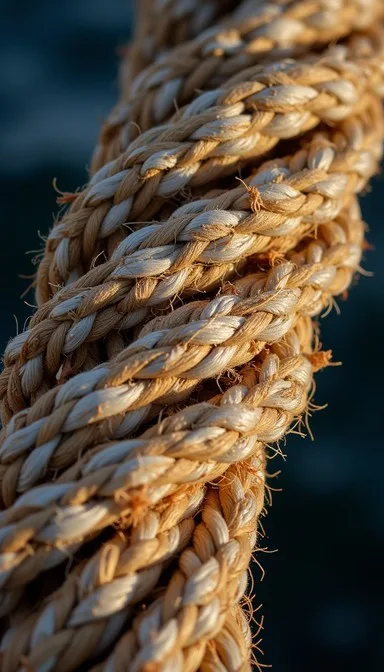
For most home gardens, plant-based jute twine is the natural starting point. It's gentle on stems, breaks down into the soil at season's end, and costs very little. Options made from hemp fibre are worth a look if you need slightly higher tensile strength for heavier stems.
For vigorous climbers like wisteria or large roses, standard-weight jute won't last the season. A thicker, more durable natural cord handles the load without snapping mid-growth. For food crops, twine made for vegetable gardens leaves no microplastics in the soil when it degrades.
There's a broader selection of garden-grade natural twines worth exploring before defaulting to whatever's nearest on the shelf.
Skip standard household string, nylon fishing line, and wire-core twist ties. Nylon line cuts into bark. Household string loses strength when wet.
Wire-core ties are too rigid for living stems.
Setting Up Anchor Points and Support Structures Before You Tie Anything
Before any rope goes on a plant, the support needs to be solid. Rope training only works if the anchor holds. A plant that pulls a vine eye free mid-summer ends up worse off than if you'd left it untrained.
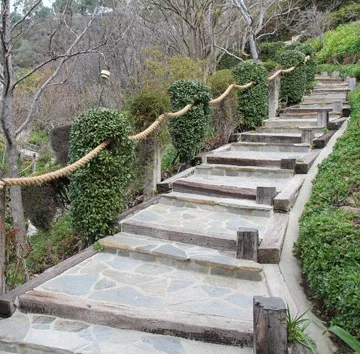
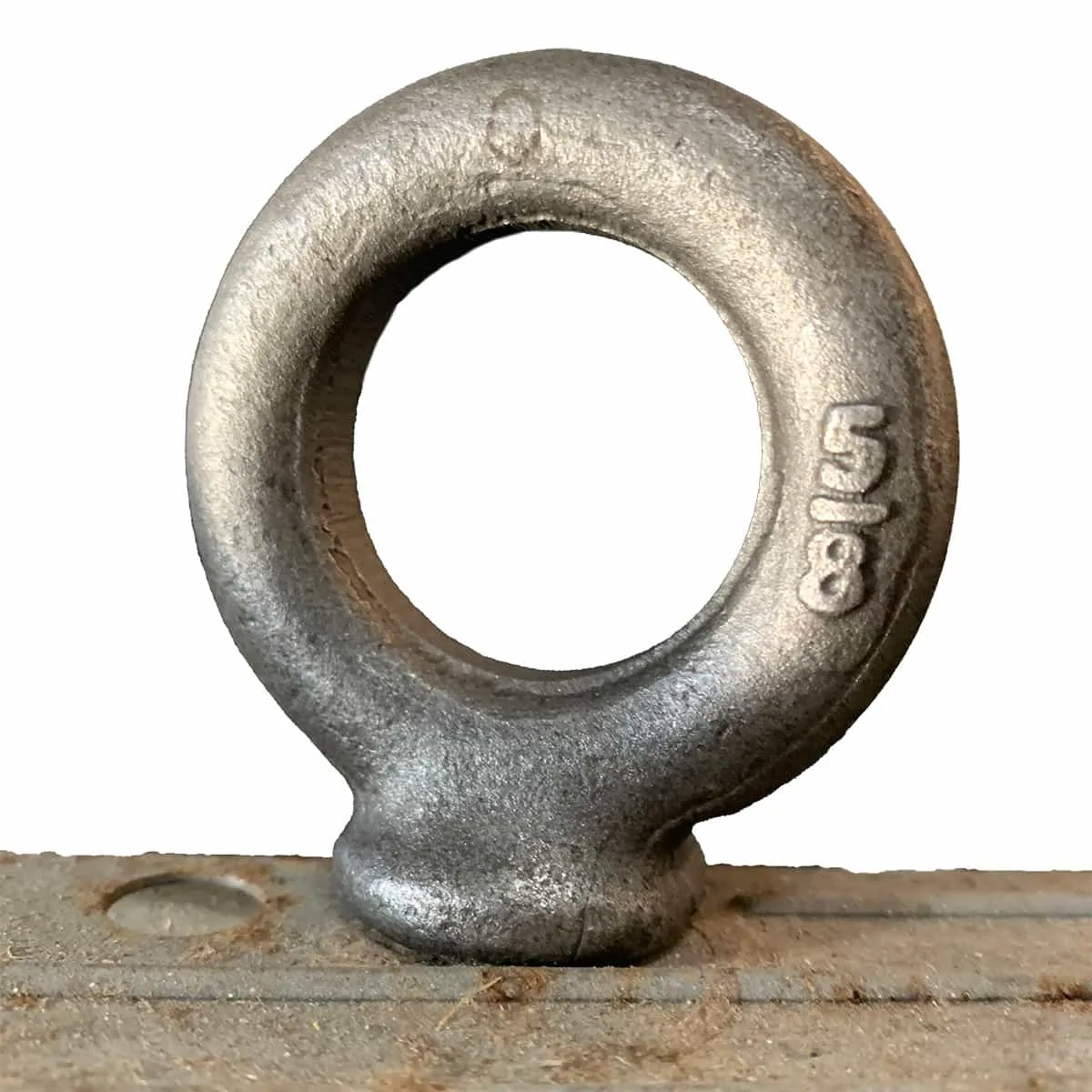
For wall-mounted climbers, the most practical setup is a grid of horizontal wires stretched between vine eyes screwed directly into the wall. Space the rows 40 to 50cm apart vertically. That gives you a tie point at any height as the plant grows.
If you're using a freestanding trellis, secure it firmly at the base before adding any climbers. A mature wisteria or climbing rose builds considerable weight within a few years. An unsecured trellis becomes a real hazard in strong wind.
For older brick walls, check the mortar condition before drilling. Crumbling mortar won't hold a vine eye against the weight of an established climber. Fill weak spots and allow at least 48 hours for the filler to cure before attaching anything.
Once the support is ready, run a horizontal guide rope between anchor points before tying any stems. It creates a reference line and makes the whole training process easier to manage.
How to Tie Rope to a Climbing Plant Without Damaging the Stem
The technique is simple once you understand it, but most people get it wrong the first time. A loop directly around the stem tightens as the plant grows. A figure-eight knot doesn't.
The figure-eight knot: what it looks like and why it's the standard
Cut a 25 to 30cm length of rope. Hold one end against the support and cross the rope over itself to form a figure 8. Thread one loop around the stem and tie the other around the support wire or bar.
The twist in the middle sits between the stem and the support. The stem rests inside its own loop with nothing pressing directly against it. Even as the stem swells through the growing season, the rope stays clear.
For soft, bark-friendly ties that won't abrade young growth, natural fibre twine is what experienced growers consistently reach for.
Tying lateral shoots and redirecting growth horizontally
Lateral shoots are more flexible than the main leader, which makes redirecting them easier. They're also more likely to snap if you rush the bend.
Follow the natural arc of the shoot. Bend it gently toward horizontal rather than forcing it in one movement. Tie at the tip end first, then add a second tie midway along the shoot to stabilise the full length.
For very young green shoots, use a thinner rope and keep each tie loose. Young tissue swells quickly. A tie that feels comfortably slack in April can be embedded in the bark by July.
Training Different Climbers: Roses, Clematis, Wisteria, Beans, and Cucumbers
Different plants need different approaches. Growth rate, stem flexibility, and how each species attaches naturally all affect where and how you apply rope.
| Plant | Training approach | Rope to use | Check frequency |
|---|---|---|---|
| Climbing roses | Fan or horizontal on wall wires | Soft jute or coir | Every 3-4 weeks |
| Clematis | Guide main stems, tendrils self-attach | Thin soft twine | Monthly |
| Wisteria | Train main framework flat, tie whippy growth | Heavy jute or coir | Weekly in summer |
| Runner/French beans | Loose ties to canes or netting | Lightweight jute | Every 10-14 days |
| Cucumbers | Vertical training, main stem tied centrally | Soft jute or coir | Every 5-7 days |
| Sweet peas | Guide seedling stems, tendrils take over | Thin jute | Weekly until established |
Roses and wisteria need the most active rope management. Both develop woody stems fast, and ties left unchecked for more than a few weeks can embed in bark. Train their main structural branches horizontally while the stems are still young and pliable.
Clematis is more forgiving. Its tendrils grip the support naturally once the main stems find it. Rope just gets the initial stems pointed in the right direction.
For vegetable climbers, guidance from the Royal Horticultural Society consistently emphasises keeping the main stem upright rather than building elaborate frameworks. Simple, regular ties every 10 to 14 days are all most beans and cucumbers need.
Mistakes That Cause Girdling, Slippage, and Stem Damage
Rope training errors usually fall into three categories: tying too tight, using the wrong knot, and leaving ties unchecked. All three are easy to avoid once you know what to look for.
Girdling is the most serious. It happens when a tie closes around a stem tightly enough to restrict the flow of water and nutrients. You'll see the bark swelling above and below the rope, sometimes with dieback above the tie.
Left unchecked, it can kill a branch within a single season.
The usual cause is a simple closed loop with no room to expand as the stem grows. Using the correct figure-eight knot prevents this entirely. The rope never makes direct contact with the stem.
Slippage happens when smooth rope (nylon or polypropylene) is used on a slick support wire. The tie slides down, and the stem loses its trained position. Switching to a textured natural fibre rope solves most cases immediately.
Stem abrasion comes from coarse rope on young bark, or from rope rubbing during windy weather. If you notice surface marks on a stem, switch to a softer rope type straight away.
Common mistakes to avoid:
- Tying a closed loop directly around the stem
- Leaving ties unchecked for a full growing season
- Forcing a stiff stem into position rather than training it gradually
- Attaching rope to soft, unhardened new growth
When and How to Retie as Your Plant Grows Through the Seasons
Active retying through the season is what keeps rope-trained plants healthy and productive. The growing season moves fast, and stems that cleared their tie last month can be pressing hard against it by the next check.
The timing follows the plant's growth rate. In summer, fast growers like wisteria need attention every one to two weeks. Woody climbers like roses and clematis can wait a little longer, but still benefit from a monthly look.
Each time, you're checking for three things: swelling around the rope, slipped ties, and stems that have grown past their trained position.
Late autumn and early winter are the best window for structural retying of woody climbers. Stems are leafless and easy to assess, and there's far less risk of snapping tender new growth when repositioning branches during dormancy. Use this window to remove old ties, review the overall framework, and start the next season with a clean setup.
When retying, always cut the old rope rather than pulling it free. If a tie has sat in place for months, pulling can disturb the bark. Snip it cleanly, check the stem for marks or swelling, then apply a fresh figure-eight with the right amount of slack.
Catching a tightening tie early takes seconds. Missing it for another month can cost you a branch.
Frequently Asked Questions
Can I use garden wire instead of rope to train climbing plants?
Wire is not recommended for tying directly to stems. It won't flex as the stem grows, and its edges cut through bark quickly. For running horizontal support lines along a wall, wire works well as a structural element.
For attaching stems to those lines, always use soft rope.
How do I know if a tie is too tight?
A tie is too tight if the rope is visibly pressing into the bark, or if the stem appears to swell around it. After tying, you should be able to slide a finger between the rope and the stem. If you can't, loosen it immediately before it causes lasting damage.
What is the best time of year to start training a new climbing plant?
Spring is ideal. New growth is flexible and responds well to being guided before it hardens. Starting early gives the plant time to establish along its support through the warmest months, when growth is fastest.
Plants trained in spring typically fill their support more evenly by midsummer.
Does training with rope slow down plant growth?
Horizontal training slows vertical vigour, but that's intentional. It redirects energy into side shoots that carry flowers and fruit. The overall growth rate stays broadly similar.
The direction and productivity of that growth improve significantly, which is the whole point.
How often should I replace the rope ties on climbing plants?
Natural fibre ties like jute and coir typically last one to two seasons before degrading. Soft synthetic ties can last five or more years but still need regular tension checks. Replace any tie that's fraying, embedded in bark, or visibly marking the stem, regardless of age.
Similar Posts